Leave Your Message
0%

You know, as more folks jump on the renewable energy bandwagon, solar power has really become one of the top go-to options for sustainable energy. The International Energy Agency (IEA) is even predicting that solar photovoltaic (PV) capacity will shoot up by a staggering 25% every year! No kidding — it’s one of the fastest-growing sources of power out there. But here’s the thing: how well a solar system works and how long it lasts really depends on the quality of its parts, especially the Solar Panel Connectors. Picking the right connector isn’t just a small detail; it’s actually pretty crucial for making sure your setup performs well, stays safe, and lasts for years.

Industry insiders say that choosing the wrong connector can lead to a lot of wasted energy, which basically means your system isn’t working as efficiently as it could. A study from the National Renewable Energy Laboratory (NREL) even shows that bad connections can cut your energy output by up to 20%. As solar tech keeps advancing, it’s more important than ever to understand what your solar system needs and how to match it with the right connector. In this guide, we’ll walk through some key things to think about when picking connectors — so you can make smart choices that match your specific solar energy setup.
2025 Guide: How to Choose the Right Solar Panel Connector for Your Needs

Understanding Solar Panel Connectors: An Overview

Solar panel connectors play a critical role in the efficiency and safety of solar power systems. These connectors, typically known as Mc4 Connectors, ensure a reliable electrical connection between solar panels and other system components. According to the Solar Energy Industries Association (SEIA), the integration of quality connectors can enhance the overall performance of solar array installations, directly correlating with a system’s energy output and longevity. Studies indicate that improper or substandard connections can lead to energy losses of up to 20%, making it essential to choose connectors that meet industry standards.

When selecting solar panel connectors, it is important to consider factors such as current rating, voltage rating, and environmental durability. Most connectors are rated for a maximum current of 30A and a voltage of 1000V, which suffices for the vast majority of residential and commercial applications. Furthermore, materials used in connectors should be UV-resistant and waterproof to withstand harsh environmental conditions. A report from the International Renewable Energy Agency (IRENA) suggests that connectors must be capable of operating in a range of temperatures and should maintain functionality even after extended exposure to the elements. Understanding these key characteristics will help in making informed decisions to optimize the installation of solar power systems.

Types of Solar Panel Connectors Available in the Market

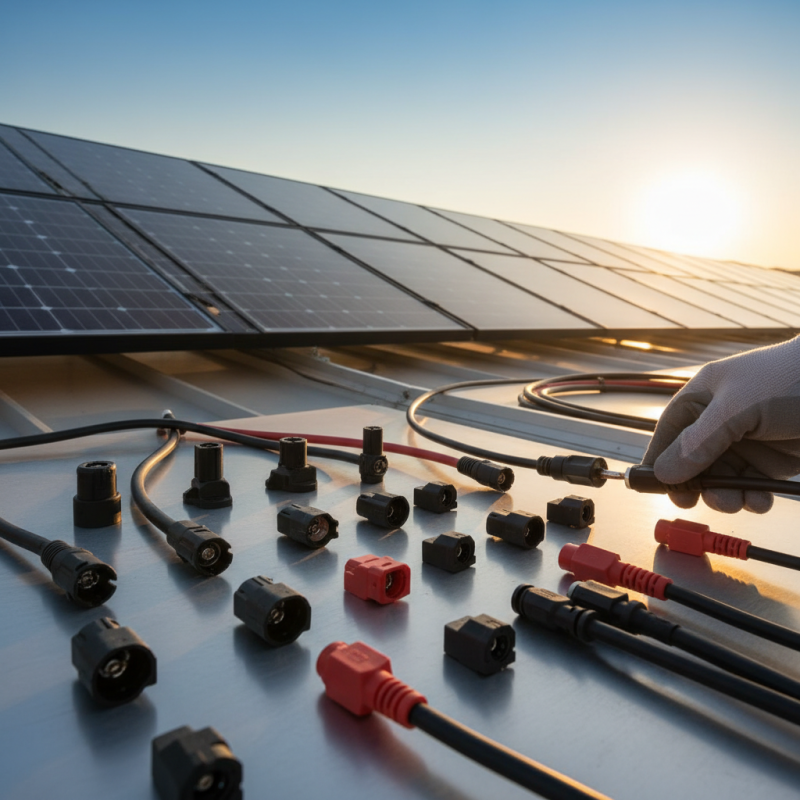
When selecting solar panel connectors, understanding the various types available on the market is essential for maximizing efficiency and safety in solar energy systems. The most common connector types are MC4 and Amphenol, both designed for ease of use and reliability. MC4 connectors are known for their robust locking mechanism, which prevents accidental disconnection. They are widely adopted in residential and commercial solar installations due to their weather-resistant design, making them suitable for outdoor applications.

Another type of connector is the Tyco connector, often used in specialty applications due to its unique design that accommodates different wire sizes and configurations. These connectors offer versatility and can handle higher current loads, making them ideal for larger solar arrays. Additionally, the use of RJ45 connectors is gaining traction in solar systems that require data transmission, allowing for the integration of monitoring systems that track performance metrics.

Understanding these connector types is vital for ensuring compatibility with solar panels and inverters. Each type serves specific functions and has distinct features that cater to different installation requirements. Therefore, selecting the right connector is crucial for optimizing the overall performance and longevity of a solar power system.

2025 Guide: How to Choose the Right Solar Panel Connector for Your Needs

Connector Type Description Advantages Disadvantages Typical Use Case
MC4 Standard connector for solar modules. Weather-resistant, easy to connect/disconnect. Limited compatibility with some non-standard panels. Residential rooftop solar setups.
Amphenol A high-performance solar connector. High current carrying capacity, durable. Higher cost compared to MC4. Commercial large-scale solar installations.
H4 Hybrid connector for both strings and panels. Versatile design, easier to wire. May not fit all systems. Complex solar power plants.
SMA Connectors designed for SMA inverters. Optimized for performance with SMA equipment. Not universally compatible. Integrating with SMA products.
PV Snap Quick connect system for rapid installation. Fast installation, good for modular setups. Less robust in adverse conditions. Temporary installations or fast-tracked projects.

Factors to Consider When Choosing Solar Panel Connectors

When selecting solar panel connectors, several key factors come into play to ensure compatibility and performance. Firstly, it's crucial to consider the type of solar panels you are using, as different panels may require specific connector models. Understanding the technical specifications, such as voltage and current ratings, can help you identify connectors that meet the energy demands of your solar system. Additionally, the environmental conditions where the panels will be installed—such as exposure to moisture, temperature extremes, and UV radiation—should influence your choice, as some connectors are designed to withstand harsher conditions than others.

Another important factor is ease of installation and maintenance. Look for connectors that offer a user-friendly design, such as tool-free assemblies or features that simplify the connection process. This can significantly reduce installation time and potential errors. Furthermore, consider the durability and longevity of the connectors; investing in high-quality materials can prevent issues over time and minimize the risk of failure. Ultimately, balancing these factors—compatibility, environmental resilience, and ease of use—will help you choose the right solar panel connectors tailored to your specific needs.

Compatibility: Ensuring Your Connectors Match Your System

When selecting solar panel connectors, ensuring compatibility with your existing system is crucial. Each solar energy installation has specific requirements based on the components used, including the solar panels, inverters, and battery storage systems. Therefore, it’s essential to understand the connector types utilized in your system, as mismatched connectors can lead to inefficiency or potential safety hazards. Check the specifications of the connectors and ensure they meet the required voltage and current ratings for optimal performance.

Tips: Always verify the connector type before making a purchase. Common types include MC4 connectors, which are widely used for their secure locking mechanism, and other variants suited for different applications. Measure the diameter and look closely at the manufacturer’s specifications to ensure compatibility across all components of your solar system.

It's also wise to consider the environmental factors where the connectors will be used. UV exposure, moisture levels, and temperature fluctuations can affect connector performance and longevity. Opt for connectors that are designed to withstand the conditions they will be exposed to, ensuring greater reliability and efficiency over time.

Tips: Look for connectors with weatherproof ratings and durable materials, as these can significantly reduce maintenance needs and enhance the overall lifespan of your solar energy system.

Installation Tips for Solar Panel Connectors

When it comes to installing solar panel connectors, proper technique is essential for ensuring a reliable and efficient solar energy system. First and foremost, before handling connectors, always make sure that the solar panels and the entire system are properly grounded to avoid any accidental shocks. Cleaning the connection points is crucial; dust and moisture can lead to poor connectivity and eventual system failure. Use a soft cloth or recommended cleaning solution to wipe down the contact areas before connecting the panels.

Additionally, pay close attention to the specifications of the connectors you are using. Ensure that they are rated for outdoor use and are compatible with your solar panel system. When making connections, align the connectors carefully to avoid stripping or damaging the pins. It is advisable to use the correct tools, such as crimpers or screwdrivers, tailored to the specific type of connector being employed.

Finally, after the installation, conduct a visual inspection of all connections and, if possible, utilize a multimeter to check for continuity, making sure there are no loose connections or potential failures that could hinder performance.

Maintenance and Troubleshooting of Solar Panel Connectors

2025 Guide: How to Choose the Right Solar Panel Connector for Your Needs

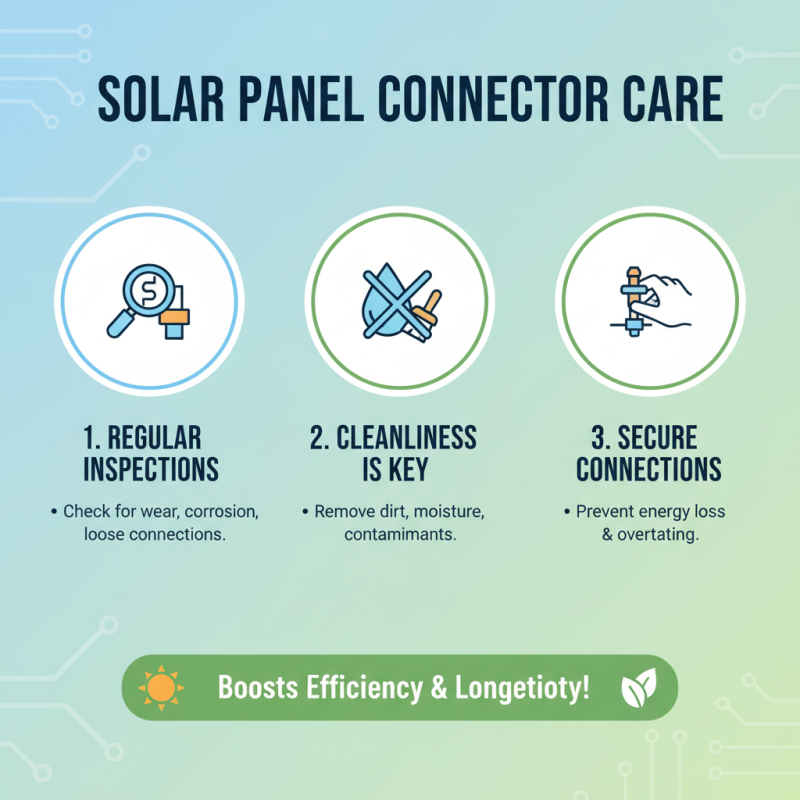
Proper maintenance and troubleshooting of solar panel connectors are essential for ensuring the efficiency and longevity of your solar energy system. Regular inspections should be conducted to identify any signs of wear, corrosion, or loose connections that may interfere with the performance of the system. Checking the connectors for dirt, moisture, or any other contaminants is also crucial, as these can cause resistance and lead to overheating. By keeping the connectors clean and securely fastened, you can prevent energy losses that could ultimately affect your overall energy output.

In the event of issues arising with solar panel connectors, prompt troubleshooting is vital. If you notice any discrepancies in energy production, it may be necessary to test the connectivity of each connector. Using a multimeter can help identify any electrical faults or weak connections that need correction. Additionally, ensuring that the connectors are compatible with your solar panel system is critical, as incompatibility may lead to failure in performance. If issues persist after troubleshooting, it may be wise to consult professional services to ensure the system is restored to optimal functionality.

Future Trends in Solar Panel Connector Technology

The future of solar panel connector technology is poised for significant advancements as the demand for renewable energy systems continues to surge. According to a report by Allied Market Research, the global solar energy market is expected to reach $223.3 billion by 2026, which inherently drives innovation in related components, including connectors. As efficiency and safety become paramount, manufacturers are exploring materials and designs that enhance the overall performance of solar installations. For instance, the use of high-temperature resistant materials and improved sealing techniques are expected to be game-changers in enhancing the durability and lifespan of solar panel connectors.

Moreover, the integration of smart technologies into solar connectors is anticipated to streamline the monitoring and maintenance of solar energy systems. A report from Navigant Research highlights that the adoption of IoT (Internet of Things) in the solar industry could grow significantly, with millions of solar panel systems expected to be connected by the end of the decade. This connectivity opens the door for advanced features such as real-time performance tracking and predictive maintenance. As solar panel connectors evolve to accommodate these technologies, the industry will likely see a shift towards connectors that not only ensure robust electrical connections but also enhance the overall intelligence of solar power systems.

2025 Solar Panel Connector Technology Trends

This bar chart illustrates the projected market share of different solar panel connector types in 2025. As renewable energy continues to grow, the demand for specific connector technologies will adapt based on performance, compatibility, and installation efficiency.

FAQS

: What are solar panel connectors and why are they important?

: Solar panel connectors, commonly known as MC4 connectors, are crucial for ensuring reliable electrical connections between solar panels and system components. They enhance overall performance, energy output, and longevity of solar power systems.

What factors should be considered when selecting solar panel connectors?

Important factors include current rating, voltage rating, environmental durability, and compatibility with system components. Connectors should typically handle a maximum current of 30A and a voltage of 1000V, with materials that are UV-resistant and waterproof.

What are the most common types of solar panel connectors?

The most common types are MC4 connectors, known for their robust locking mechanism, and Amphenol connectors for ease and reliability. Tyco connectors are used in specialty applications, and RJ45 connectors are gaining popularity for data transmission.

How do MC4 connectors contribute to the safety of solar installations?

MC4 connectors have a strong locking mechanism that prevents accidental disconnection, enhancing safety in both residential and commercial solar installations, particularly in outdoor environments.

What advancements are expected in solar panel connector technology?

Future advancements may include the use of high-temperature resistant materials and improved sealing techniques, which enhance durability and lifespan, as well as the integration of smart technologies for monitoring and maintenance.

How can IoT technologies impact solar panel connectors?

The integration of IoT technologies can enable real-time performance tracking and predictive maintenance, making solar energy systems more intelligent and efficient as they connect millions of solar panel systems.

What happens if substandard connectors are used in solar energy systems?

Using improper or low-quality connectors can lead to significant energy losses, potentially up to 20%, negatively impacting the overall efficiency and performance of solar power systems.

Why is compatibility important when choosing solar panel connectors?

Selecting the right connector is crucial for ensuring compatibility with solar panels and inverters, which helps to optimize overall system performance and longevity. Each connector type has distinct features catering to different installation requirements.

Conclusion

The article "2025 Guide: How to Choose the Right Solar Panel Connector for Your Needs" provides a comprehensive overview of solar panel connectors, essential components that link solar panels to the inverter and electrical system. It delves into various types of connectors available in the market and highlights key factors to consider when selecting the right one, such as compatibility with your solar system and the specific installation requirements.

Moreover, the guide offers practical installation tips and emphasizes the importance of maintenance and troubleshooting for optimizing performance. As technology advances, the article also touches upon future trends in solar panel connector technology, ensuring readers are informed about potential innovations that may influence their choices. Overall, understanding solar panel connectors is crucial for maximizing the efficiency and longevity of solar energy systems.

Ethan

Ethan

Ethan is a dedicated marketing professional at Suzhou Kuaike Electronics Photovoltaic Co., Ltd., where he plays a crucial role in promoting the company’s innovative solar energy products. With a deep understanding of the photovoltaic industry and its technologies, Ethan excels in conveying the......
Previous The Ultimate Guide to Choosing the Best Mc4 Cable for Your Solar Projects