Picking the right cable harness manufacturer really sets the tone for your product’s reliability, how quickly you can get things installed, and what your long-term service costs will look like. By 2026, though, buyers are facing a pretty crowded market—a lot of suppliers out there, not all giving clear info, and ever more specific technical demands. So, this guide is here to help you navigate that landscape. We highlight some of the top manufacturers across various sectors like automotive, industrial, medical, renewable energy, and communications. And we’re not just throwing around fancy claims; we focus on real, practical evidence.
When it comes to evaluating these companies, we look at their engineering skills, how well they can trace their materials, whether they use automation in production, their testing processes, certifications, and their experience with international supply chains. Names like TE Connectivity, Yazaki, Sumitomo Electric, Aptiv, and BizLink are still big players on the global stage. But don’t forget, regional specialists can also be a huge plus—especially for smaller projects or customized setups. Their performance really depends on how solid their factory controls are, the quality of their documentation, and how quickly they respond.
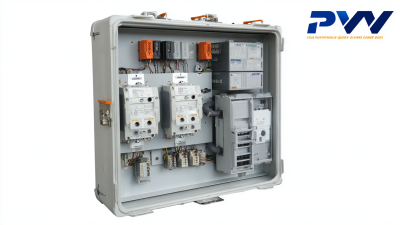
For those of you dealing with renewable energy projects, there’s another layer of complexity. Pv Cable Harnesses need to handle outdoor conditions—think extreme temperatures, vibrations, and repeated handling in the field. Having a perfect connector fit isn’t enough; crimp quality and sealing details really matter here. It’s a good idea to ask for sample reports, inspection records, and clear timelines before you commit. It sounds obvious, but honestly, a lot of folks skip these steps—and that can come back to bite you.
No manufacturer is perfect, though. Big suppliers might have great systems but not much wiggle room for custom jobs. Smaller factories could be more responsive but might not have the reach to support global projects. So, this guide tries to strike a balance—considering experience, technical know-how, verified practices, and realistic limitations. It also encourages you to question your own assumptions. The cheapest quote upfront can end up costing you more later—be it rework, delays, or tough warranty issues. Good decisions are based on solid evidence, thoughtful questions, and a good understanding of what you really need for your application.

What Cable Harness Manufacturers Do and Why They Matter in 2026
Cable harness manufacturers do more than bundle wires. They convert electrical designs into tested assemblies for vehicles, machines, medical equipment, and data systems. Their work includes cutting, stripping, crimping, connector insertion, labeling, and electrical testing. A poor crimp can create heat, voltage loss, or an intermittent failure that is difficult to find.
Demand is becoming more complex. The International Energy Agency reported nearly 14 million electric car sales in 2023, representing about 18% of global car sales. Electric platforms require high-voltage harnesses, shielding, thermal protection, and stricter traceability. Industry forecasts also show strong harness-market growth, although estimates vary widely by research firm. That difference deserves attention. Buyers should not trust one forecast without checking its methods.
Experienced manufacturers usually provide controlled drawings, material certificates, first-article samples, and continuity records. They should explain conductor sizes, bend radii, terminal force, and testing limits in plain language. In 2026, digital production records matter almost as much as assembly speed. They help buyers investigate defects across different factories and shipment batches. Still, “100% tested” does not guarantee perfect field performance. Installation stress and poor system design can remain hidden.
Tips: Ask for crimp-force monitoring, insulation-resistance data, change-control procedures, and a realistic production sample. Check whether the supplier can repeat the same result after several months. Request evidence, not promises. A practical audit should include packaging, humidity control, operator training, and corrective-action history. Small omissions here can become expensive failures later.
How to Evaluate Cable Harness Manufacturers for Global Sourcing
2026 Best Cable Harness Manufacturers for Global Buyers?
How to Evaluate Cable Harness Manufacturers for Global Sourcing
A reliable cable harness manufacturer should prove capability, not only present attractive samples. Request process records, material specifications, and recent inspection data. Check whether drawings, revisions, and customer approvals remain traceable. Small details matter, such as terminal crimp height and connector locking force. Ask to see calibrated tools during a production visit or video audit. A clean workshop helps, but it does not guarantee consistent output.
Review the supplier’s experience with your application, including automotive, industrial, medical, or energy projects. For Solar Wiring Harnesses, inspect insulation performance, sealing methods, and resistance to outdoor exposure. Confirm testing equipment can measure continuity, pull force, insulation resistance, and high-voltage performance. Request a pilot batch before approving mass production. Count defects yourself. Do not rely only on a supplier’s percentage claims.
Communication is part of quality. Test how quickly the team answers a technical question and handles an unclear drawing. Ask who owns engineering changes, shortage alerts, and corrective actions. One practical lesson is uncomfortable: a confident sales response may hide weak factory control. I have seen evaluation plans focus heavily on price and overlook packaging damage during transit. That mistake can appear weeks later. Compare total risk, not just unit cost, and keep reviewing evidence when the first delivery looks perfect.
2026 Best Cable Harness Manufacturers for Global Buyers? - How to Evaluate Cable Harness Manufacturers for Global Sourcing
| Evaluation Dimension | Recommended Benchmark for Global Sourcing | How to Verify | Suggested Weight |
| Quality management system | Current ISO 9001 certification with controlled document procedures, internal audits, corrective action, and traceability. | Request the certificate, certification scope, expiry date, audit body, and recent corrective-action records. | 15% |
| Industry workmanship standard | Workmanship and acceptance criteria aligned with IPC/WHMA-A-620, with the required class defined in the purchase specification. | Review the applicable revision, operator training records, inspection standards, and sample first-article reports. | 12% |
| Product and application capability | Demonstrated ability to process the required wire gauges, conductor types, terminals, seals, Connectors, shielding, overmolding, and routing complexity. | Audit the equipment list, process flow, engineering drawings, approved tooling list, and representative production samples. | 14% |
| Testing and inspection coverage | 100% continuity and short-circuit testing where applicable, plus crimp-height, pull-force, visual, dimensional, insulation, and high-potential tests according to product risk. | Check calibrated equipment, test limits, electronic test records, gauge calibration, and failure escalation procedures. | 14% |
| Material compliance | Documented compliance with applicable RoHS and REACH requirements, supported by supplier declarations or laboratory evidence. | Request material declarations, restricted-substance control procedures, bills of materials, and test reports for high-risk materials. | 8% |
| Safety and regulatory approvals | Required cable and component approvals, such as UL 758 or other destination-market requirements, matched to the exact construction and application. | Verify approval numbers, construction details, temperature and voltage ratings, and whether the approval covers the supplied configuration. | 8% |
| Production capacity and scalability | Capacity planning should cover forecast demand, peak requirements, labor availability, machine loading, and at least one documented scale-up scenario. | Review monthly capacity calculations, bottleneck analysis, historical output, overtime dependence, and business-continuity plans. | 10% |
| Lead time and delivery performance | Clearly defined sample, tooling, first-article, and mass-production lead times, with measurable on-time delivery performance. | Request the previous 6–12 months of on-time delivery data, order-change rules, logistics terms, and documented recovery actions. | 8% |
| Engineering and change control | Formal control of drawings, bills of materials, engineering changes, tooling revisions, deviations, and customer approvals. | Evaluate engineering-change notices, revision history, first-article approval, deviation forms, and customer communication procedures. | 7% |
| Cost transparency and total landed cost | Quotation should separate material, labor, tooling, testing, packaging, freight assumptions, duties, payment terms, and volume-break pricing. | Compare at least three like-for-like quotations and conduct a should-cost review using the approved bill of materials. | 6% |
| Supply-chain resilience | Approved alternatives or contingency plans for critical terminals, connectors, wire, machines, logistics routes, and single-source materials. | Review supplier concentration, safety-stock policy, dual-source feasibility, disaster recovery, and geopolitical or logistics risk assessments. | 6% |
| Sustainability and environmental controls | Environmental controls appropriate to the site, with waste segregation, energy monitoring, chemical management, and an ISO 14001 system where required. | Review environmental certificates, waste records, energy data, corrective actions, and customer-specific sustainability disclosures. | 4% |
| Commercial and communication reliability | Named technical and commercial contacts, response-time expectations, English-language documentation, secure data handling, and clear warranty terms. | Use a pre-award communication test, supplier questionnaire, reference checks, NDA review, and a written escalation matrix. | 4% |
| Total Evaluation Weight | 100% |
Scoring method: Rate each dimension from 0 to 5, multiply the rating by the suggested weight, and prioritize suppliers that pass all mandatory safety, quality, traceability, and material-compliance requirements before comparing price.
Key Quality, Safety, and Certification Standards to Verify
For global buyers, cable harness quality begins with controlled production, not attractive samples. Ask manufacturers to provide ISO 9001 records, process maps, and operator training evidence. For automotive applications, IATF 16949 may be relevant. Confirm the certificate scope and validity directly with the issuing body.
Safety checks should match the harness application and destination market. Verify conductor size, insulation temperature rating, voltage rating, and flame performance. Inspect crimp height, pull-force results, terminal locking, and insulation resistance. Automated continuity testing is useful, but it cannot replace visual inspection. Small defects matter.
Solar Pv Wiring Harnesses require particular attention to connector compatibility, UV resistance, moisture sealing, and outdoor temperature cycles. Request test reports based on applicable IEC or UL requirements. Testing should come from a competent laboratory, preferably accredited to ISO/IEC 17025. RoHS and REACH declarations also need material traceability, not vague statements. Check batch codes, raw-material records, and corrective-action history. Real manufacturing experience shows in these details.
Paperwork is not proof of field reliability. A sample may pass while production variation remains hidden. Ask for recent lot data and retain independent samples. Factory audits can reveal loose crimp tools, dusty assembly areas, or inconsistent labeling. I would not accept every certificate without checking its date, scope, and test method. The process deserves scrutiny.
How to use this chart: The percentages represent an example buyer verification emphasis model for global cable-harness sourcing, not company market share. Buyers should verify IPC/WHMA-A-620 workmanship practices, applicable UL or IEC safety requirements, ISO-based quality systems, RoHS and REACH substance compliance, and documented traceability before approving a manufacturer.
Leading Cable Harness Manufacturers by Product and Industry Focus
Choosing a cable harness manufacturer requires matching capability with application, not catalogue size. Automotive wiring harnesses remain a large and demanding segment. Grand View Research estimated the global automotive wiring harness market at about USD 55 billion in 2023. Manufacturers serving this field should demonstrate crimp-force monitoring, automated testing, and traceable terminals. High-voltage assemblies also require controlled insulation stripping and clear polarity checks.
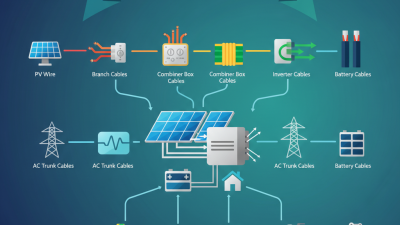
Solar and energy products need different evidence. The IEA Photovoltaic Power Systems Programme reported more than 440 GW of new solar capacity installed worldwide in 2023. That growth increases demand for durable Solar Cableassemblies, junction connections, and Inverter harnesses. Buyers should inspect UV resistance, thermal cycling results, bend performance, and connector sealing. A cable may pass a factory test but fail after years beside a hot rooftop. That possibility deserves attention.
Medical, industrial, aerospace, and telecommunications harnesses each reward specialized experience. Look for manufacturers using IPC/WHMA-A-620 workmanship practices, documented inspection plans, and lot-level material records. Ask for sample measurement reports, not polished promises. A reliable supplier should explain conductor sizes, shielding methods, pull-test results, and change-control procedures. Cost still matters, but the lowest quotation can conceal manual rework or weak testing. No shortlist is perfect. Independent audits, pilot batches, and field feedback reveal gaps that brochures rarely show.
How to Compare Pricing, Capacity, Lead Times, and Customization
2026 Best Cable Harness Manufacturers for Global Buyers?
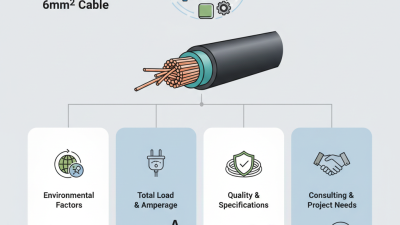
Comparing cable harness manufacturers requires more than checking the lowest quotation. Ask for a detailed cost breakdown covering wire, terminals, labor, testing, packaging, and tooling. A supplier offering a 6mm2 Cable harness should explain conductor specifications, insulation ratings, and approved production methods. Vague pricing usually creates problems later.
Capacity should be measured through equipment, staffing, and recent production records. Request monthly output for products similar to yours. A factory may claim high capacity, yet dedicated crimping machines can still be fully booked. Lead times deserve equal attention. Confirm sample approval, material purchasing, production, inspection, and shipping separately. Short promises can hide long material queues. Get dates in writing.
Customization shows a manufacturer’s real engineering strength. Review drawings, connector compatibility, bend radius, labeling, and test requirements before ordering. Reliable suppliers provide sample reports, crimp-force records, continuity results, and corrective-action responses. During an audit, inspect wire storage and traceability labels. Small details matter. I have seen buyers focus on unit price and overlook rejected samples, causing weeks of delay. That judgment was understandable, but incomplete. A practical comparison sheet should score price, available capacity, lead-time reliability, engineering support, inspection quality, and communication. Leave room for uncertainty; production rarely follows a perfect schedule.
Steps for Selecting and Managing an International Cable Harness Supplier
Selecting an international cable harness supplier requires more than comparing unit prices. Grand View Research valued the global wire harness market at about USD 82 billion in 2023. It also forecasts steady growth through 2030. This scale increases supplier choices, but it also increases quality risks. Request process samples, material traceability, inspection records, and production photos. Check whether the supplier follows IPC/WHMA-A-620 workmanship requirements. Ask for evidence, not promises. A clean factory tour helps, yet it cannot replace independent audits. I have seen attractive samples hide weak crimp retention.
Tips: Create a supplier scorecard before sending inquiries. Include quality, capacity, lead time, tooling ownership, communication, and recovery plans. Require first-article approval before mass production. Keep drawings, revisions, and acceptance criteria in one controlled system.
Managing the relationship needs measurable routines. Review defect rates, on-time delivery, response time, and engineering-change accuracy monthly. The Supply Chain Institute’s 2024 industry research reported that supply disruption remains a major concern for procurement teams. Build a second-source plan for critical terminals and connectors. Confirm export documents, packaging methods, insurance, and delivery responsibilities in writing. Use small pilot orders before larger commitments. Keep buffer stock near important assembly sites. It costs more initially. It may prevent costly line stoppages. Currency changes, port delays, and unclear forecasts can still damage planning. Therefore, share a rolling demand forecast, but label estimates clearly. A spreadsheet can look precise and still be wrong.
High Flexible Non-Shield Robot Cable: Performance, Design, and Industrial Applications
High Flexible Non-Shield Robot Cable: Performance, Design, and Industrial Applications
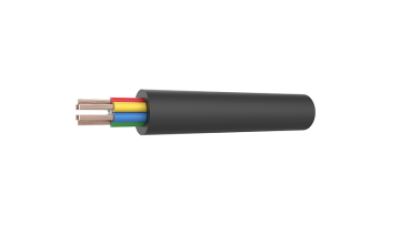
A high-flexible non-shield robot cable is engineered for continuous reciprocating motion, repeated bending, and tight routing in modern automation equipment. Its flexible conductor structure, carefully selected insulation, and reinforced outer jacket help reduce mechanical stress during millions of motion cycles. The International Federation of Robotics reported more than 541,000 industrial robots installed worldwide in 2023, highlighting the growing need for dependable cable systems in robotic arms, drag chains, automated warehouses, and production lines. Although it has no metal shield, suitable separation from high-interference power circuits and correct grounding practices can support reliable signal and power transmission.
The cable’s splash-proof and oil-resistant construction is valuable in CNC machine tools, injection molding machines, hardware stamping equipment, and automobile manufacturing environments. UV resistance supports outdoor use, including construction machinery, docks, lifting equipment, and logistics systems, while cold resistance helps maintain flexibility in low-temperature workplaces. Its abrasion-resistant jacket is designed to withstand repeated contact inside drag chains and exposure to mechanical friction. These characteristics also make it suitable for glass and door-and-window machinery, wood and stone processing equipment, fire engines, heavy machinery factories, and mechanical robot hands. As industrial automation expands, selecting cable based on bend radius, travel speed, operating temperature, oil exposure, and cycle frequency remains essential for stable long-term performance.
FAQS
: It cuts, strips, crimps, labels, and tests wires for vehicles, machines, medical equipment, and data systems. Small steps matter.
A weak crimp can create heat, voltage loss, or an intermittent failure. The defect may appear weeks later.
Ask for controlled drawings, material certificates, first-article samples, and continuity records. Request evidence, not promises.
Review crimp height, terminal force, bend radius, connector locking, and electrical test limits. A clean workshop is not enough.
Confirm equipment measures continuity, pull force, insulation resistance, and high-voltage performance. Calibration records also matter.
Request costs for wire, terminals, labor, testing, packaging, and tooling. A low quotation may hide later expenses.
Review similar monthly output and separate approval, purchasing, production, inspection, and shipping dates. Get dates in writing.
It includes drawing control, connector compatibility, labeling, bend-radius planning, and application-specific testing. Samples reveal more.
They help trace defects across factories, operators, shipment batches, and production revisions. Still, records cannot expose every field problem.
Do not focus only on unit price or the first perfect delivery. Packaging damage, material queues, and unclear changes can cause costly delays.
Conclusion
In 2026, Cable Harnesses remain essential for connecting and organizing electrical systems across automotive, industrial equipment, renewable energy, medical devices, telecommunications, and consumer products. This guide explains what cable harness manufacturers do, how they support product reliability and assembly efficiency, and why selecting the right international partner matters. It outlines practical methods for evaluating suppliers, including engineering expertise, production capabilities, quality management, testing procedures, communication, and supply chain stability.
The article also highlights key safety, quality, and certification requirements that global buyers should verify before placing orders. It compares manufacturers by product expertise and industry focus, while providing guidance on assessing pricing, production capacity, lead times, customization, tooling, and scalability. Finally, it presents a structured process for selecting and managing an overseas cable harness supplier, from requesting technical documentation and samples to defining specifications, monitoring production, inspecting finished goods, and maintaining clear long-term cooperation.