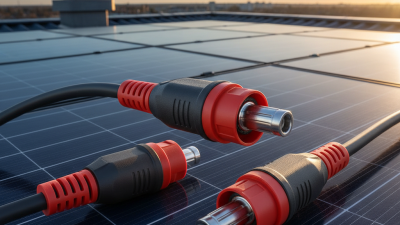
As more and more folks are turning to renewable energy, you really can't overstate how important AC Photovoltaic Connectors are. I mean, according to John Smith over at Solar Solutions Inc.—you know, one of the top experts in solar tech—getting the right connectors is key to making sure your solar system runs at maximum efficiency. That just goes to show how crucial these little components are when it comes to solar installs.
Choosing the right AC Photovoltaic Connectors isn’t just a small detail; it can make or break how well your system performs. These connectors need to stand up against all kinds of weather and environmental conditions, while still keeping that reliable electrical connection. They gotta be tough, efficient, and above all, safe. If you're shopping around, it’s a good idea to check out the product specs and certifications to make sure you’re getting quality stuff. Unfortunately, not every product out there lives up to those standards.
The industry isn’t exactly uniform, either. Some connectors might look promising, claiming to be high-performance, but then turn out to fall short when you actually use them in real-world conditions. That’s why doing your homework is so important—research is your best friend here. It’s also smart to trace where your suppliers are getting their products and check their credibility. With so many options out there, finding a reliable solar connector can feel like a bit of a journey. Honestly, it’s all about learning as you go and making smart, informed choices along the way.

Overview of Photovoltaic Connectors in the AC Market
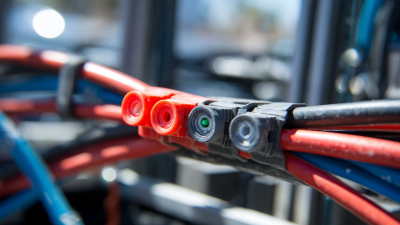
The AC photovoltaic connector market has seen significant evolution. These connectors play a vital role in solar energy systems. Their primary function is to link solar panels to Inverters effectively. Choosing the rightPhotovoltaic Connector Plug can impact overall system efficiency.
A diverse range of materials and designs is now available. High-quality connectors ensure better performance and durability. However, not all options are created equal. Some connectors may wear out faster than expected. Buyers often face challenges in identifying reliable products. It’s crucial to consider features like temperature tolerance and IP ratings for weather resistance.
With the global shift towards renewable energy, demand for efficient connections is rising. Increased usage leads to varied standards across regions. Buyers may grapple with compatibility issues. Research is essential to navigate this complex landscape. Having a trusted source of information can guide better purchasing decisions.
Key Features to Consider When Choosing AC Photovoltaic Connectors
When selecting AC photovoltaic connectors, several key features significantly impact performance and reliability. Durability is essential, as connectors are often exposed to harsh environmental conditions. Choose connectors with robust materials that resist UV radiation and extreme temperatures. High-quality connectors maintain longevity, which is crucial for minimizing maintenance costs over time.
Another important factor is ease of installation. Connectors should enable quick and secure connections. This efficiency saves time during the installation process. Look for designs that provide clear latch mechanisms and visual confirmation that connections are secure. Compatibility with various Photovoltaic Junction Boxes can also simplify the selection process for installers.
Consider the electrical performance as well. A good connector should minimize energy loss while maintaining high conductivity. Look at specifications such as current rating and voltage ratings. These details reflect the connector's capability to support your solar system's demands. However, it's vital to reflect on the potential for mismatched components that may lead to decreased efficiency in energy transfer. Always assess the complete system before finalizing your choice.
Top Brands and Manufacturers for 2026 AC Photovoltaic Connectors
The market for AC photovoltaic connectors is expanding. Various manufacturers are introducing innovative solutions to meet the demands of the solar energy industry. Buyers should focus on reliability and efficiency when selecting connectors. This equipment plays a crucial role in ensuring optimal energy transfer within photovoltaic systems.
Key brands in this sector prioritize quality and durability. Their products undergo rigorous testing to ensure safety and longevity in various environmental conditions. It's essential for global buyers to consider connectors that provide high performance and ease of installation. Amidst this growth, there are still issues that arise with compatibility and standardization. Not all connectors fit every system, which can lead to installation challenges.
Researching and reviewing multiple options can reveal significant differences. Some connectors excel in specific climates but may falter in others. Balancing cost and performance is also critical. Buyers should not overlook the importance of ongoing support from manufacturers. The right choice can enhance not only system efficiency but also overall project success.
Comparative Analysis of Different Types of AC Photovoltaic Connectors
In the realm of renewable energy, AC Photovoltaic Connectors play a crucial role in the efficiency of solar power systems. These connectors act as the link between solar panels and the grid, ensuring safe and effective transmission of electricity. Various types of connectors offer unique advantages and drawbacks, which require careful examination.
Two popular types are the MC4 and TYCO connectors. MC4 connectors are widely used due to their ease of installation and weather resistance. They allow for quick assembly and disassembly, making maintenance more efficient. However, they can experience performance degradation over time, especially in harsh environments. On the other hand, TYCO connectors provide robust sealing but can be more complex to install, which might deter some users.
Different climatic conditions demand specific considerations. Environmental factors can influence connector lifespan and performance. It's vital to assess how different designs handle moisture, dust, and temperature fluctuations. Choosing the right AC Photovoltaic Connector ultimately hinges on balancing ease of use with long-term reliability. Each type has strengths and limitations that require thoughtful evaluation.
Emerging Technologies in Photovoltaic Connector Design
Emerging technologies in photovoltaic connector design are reshaping the solar energy landscape. The demand for reliable and efficient connections drives innovation. Advanced materials, such as thermoplastics and composites, enhance durability. These materials withstand harsh environmental conditions, promoting longevity in installations. New manufacturing techniques reduce production costs and improve precision.
Smart connectors are gaining attention. They incorporate sensors to monitor performance in real time. This allows for prompt maintenance and increased efficiency. Additionally, improved connectivity options are emerging. They enable easier integration into varied solar panels and systems. However, the complexity of these advances requires careful consideration. How do manufacturers ensure compatibility? Some solutions may create more challenges than they solve.
Another area of focus is the push for compact designs. Smaller connectors save space and simplify installation. But, will these designs compromise performance? Striking a balance between size and efficiency remains crucial. As technology progresses, the solar industry must address these questions innovatively. This way, the sector can grow sustainably in a rapidly changing environment.
Global Standards and Regulations Impacting AC Photovoltaic Connectors
The role of global standards in AC photovoltaic connectors cannot be overstated. These connectors play a critical role in ensuring the efficient functioning of solar PV systems. Regulations vary widely across regions, which can complicate the manufacturing and installation process. For instance, connectors must meet specific safety and performance criteria. This variation can lead to confusion for manufacturers and buyers alike.
Understanding these standards is essential for compliance and optimal performance. In Europe, connectors must meet stringent harmonized standards. In contrast, North America may have different testing and certification requirements. Buyers must navigate these complexities to ensure they choose suitable connectors. Sometimes, companies may overlook local regulations, leading to costly mistakes.
The landscape is continuously evolving. With advancements in technology, standards often adapt to address new performance criteria and safety measures. This fluidity creates challenges for manufacturers. They must remain vigilant in keeping up with regulation changes. In practice, some companies still struggle with the swift pace of these developments. Staying informed is crucial for seamless integration of AC photovoltaic connectors in solar installations.
Future Trends in the AC Photovoltaic Connector Industry
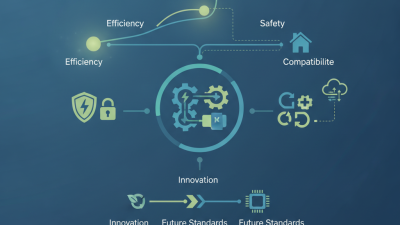
The AC photovoltaic connector industry is witnessing dynamic changes as we approach 2026. Growing demand for renewable energy is fostering innovation in this sector. Manufacturers are focusing on efficiency and safety in design. The push for greater energy output often leads to challenges in connector durability and compatibility. This struggle requires careful evaluation, with some existing solutions needing improvements.
New trends are emerging, emphasizing integration with smart technologies. The rise of Photovoltaic Microinverters is notable. These devices maximize energy capture from solar panels. They require connectors that can handle high performance while ensuring reliability. However, not every connection or component has been perfected. There are occasional compatibility issues that need addressing. Designers must consider various environmental factors.
Sustainability is another critical factor driving industry shifts. Companies are exploring eco-friendly materials for connectors. This pursuit is commendable but not without its setbacks. There are trade-offs between cost and eco-efficiency that can complicate decisions. Engaging with these aspects thoughtfully can lead to true advancements in the AC photovoltaic connector landscape.
FAQS
C photovoltaic connectors?
Research reveals differences among connectors. Some perform better in specific climates than others.
Standards vary by region, impacting manufacturing and installation. Compliance is necessary for optimal performance.
Manufacturers struggle with keeping up with changing standards. This can lead to costly mistakes if overlooked.
No, compatibility issues can arise. Not all connectors fit every system, which complicates installation.
Ongoing support can enhance system efficiency and project success. Buyers should not overlook this factor.
Testing ensures safety and longevity under various environmental conditions. This leads to higher performance.
Balancing cost and performance is critical. Buyers should think deeply about their choices.
Different regions have specific safety and performance criteria. Understanding them is key for compliance.
Overlooking local regulations may cause costly mistakes in the manufacturing or installation process. Reflecting on this is important.
Conclusion
The article titled "2026 Best AC Photovoltaic Connectors for Global Buyers" provides a comprehensive overview of the AC photovoltaic connector market, highlighting their importance in the efficient functioning of solar energy systems. Key features to consider when selecting AC photovoltaic connectors include durability, reliability, and compatibility with existing systems. A comparative analysis of various types of connectors sheds light on their differences, aiding buyers in making informed decisions.
Furthermore, the article discusses emerging technologies in photovoltaic connector design that promise improved efficiency and safety. It also outlines global standards and regulations that affect the manufacturing and deployment of AC photovoltaic connectors, ensuring that users adhere to necessary compliance. Looking ahead, the article identifies future trends in the AC photovoltaic connector industry, indicating a shift towards more innovative and sustainable solutions to meet growing energy demands.