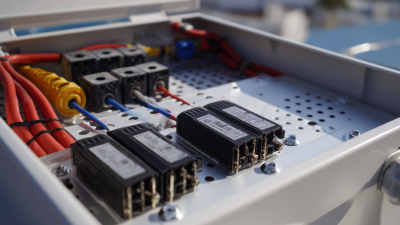
In the fast-changing world of solar energy, the importance of the Solar Junction Boxreally can’t be overstated. Industry experts like John Smith from SolarTech Innovations often stress how crucial this tiny component is—you know, he says, “Having a reliable Solar Junction Box can seriously boost your system’s efficiency.” As global interest in solar power keeps growing, picking the right junction box isn’t just a detail anymore; it’s pretty much essential whether you’re a manufacturer or just someone planning your setup.
Honestly, understanding all the features and specs of a Solar Junction Box can feel pretty overwhelming at first. With so many designs and materials out there, it’s not always straightforward to figure out which one will work best for your particular needs. Things like weather resistance or making sure it plays nice with your panels are really important to check. Some products might look good on paper but turn out to be disappointing once you put them into action, which can mean trouble for your solar system’s performance.
Let’s be real—reliability matters more than anything in this game. The right Solar Junction Box isn’t just about initial performance; it’s about lasting through the years and keeping things efficient. But, not all options are created equal, so taking a little time to do your homework—comparing models, reading reviews, all that—is totally worth it. With a bit of research and know-how, you’ll be able to make smarter choices that really match what your project needs and goals.

Understanding Solar Junction Boxes and Their Importance
Solar junction boxes play a critical role in the efficiency and durability of solar energy systems. These components provide essential protection and connectivity for photovoltaic panels. According to industry reports, up to 80% of solar module failures can stem from issues related to junction boxes. This highlights their importance in the overall integrity of solar installations.
High-quality Solar Module Junction Boxes are designed to withstand harsh environmental conditions. They must resist moisture, dust, and temperature fluctuations. The right materials and designs can prolong the lifespan of solar systems. A poorly designed junction box, however, can lead to short circuits or power losses. Thus, choosing the right junction box is crucial for long-term performance.
The market for solar junction boxes is expected to grow significantly by 2026. Reports suggest that the global demand for them will increase as solar installations rise. This growing demand calls for a closer examination of product specifications and certifications. An informed choice can minimize risks and enhance the efficiency of solar energy systems. Understanding these aspects is key for global sourcing in the solar industry.
Key Features to Look for in Solar Junction Boxes
When selecting a solar junction box, several key features should be prioritized. It's essential to evaluate the ingress protection rating. This rating indicates how well the box can resist dust and water. A high rating ensures longevity and performance, particularly in harsh weather conditions. The material of the junction box also plays a crucial role. It needs to be durable yet lightweight. Look for options like UV-resistant plastic or high-quality metals.
Additionally, consider the size and layout of the junction box. It should have ample space for wiring and components. Proper wiring management prevents overheating and improves efficiency. Ease of installation is another factor to reflect on. Complicated setups can lead to mistakes. A well-designed box simplifies the process, ensuring a secure fit with minimal risk.
Lastly, take time to research certifications and safety standards. A Junction Box For Solar Pv Module must comply with local regulations. Many products may seem ideal but fail safety tests. This aspect is crucial for reliability and performance. Make informed choices by comparing features carefully. Remember, investing time in selection today ensures better returns tomorrow.
Types of Solar Junction Boxes Available in the Market
When selecting a solar junction box, understanding the types available is critical. There are several categories to consider. Standard junction boxes cater to basic needs and are common in many installations. These typically come with pre-wired options to simplify setup. More advanced types include those with integrated bypass diodes, enhancing performance in shaded conditions.
Tips: Always check the IP rating. Proper housing can protect the Junction Box Of Solar Panel from dust and water.
Another option is the multi-function junction box. These can manage multiple solar panels and increase system efficiency. They often feature technology for monitoring and protection against overloads. However, ensure compatibility with your solar setup, as misconceptions can lead to inefficiencies.
Tips: Look for features such as thermal management systems. They improve durability and optimize performance.
It's vital to weigh the pros and cons of each type. Custom solutions exist, yet they may require more time and investment. Balancing cost with functionality is essential for long-term satisfaction.
Material and Durability Considerations for Junction Boxes
When selecting junction boxes for solar applications, material choice is crucial. Common materials include plastics, metals, and composites. Each offers unique benefits and drawbacks. For instance, plastic junction boxes are lightweight and resistant to corrosion, but they may not withstand extreme temperatures. Metal boxes provide excellent durability, yet they can be prone to rust if not properly coated. Understanding the environmental conditions where the junction box will be installed is essential in making the right choice.
Durability is another key factor. A junction box must endure various stresses, such as UV exposure and extreme weather. Testing for heat resistance and impact strength can reveal a lot about long-term performance. Customers should ask for documentation regarding these tests. It's essential to consider not just the initial quality, but how the material will hold up over time. Relying on vendors with a solid reputation can help in this aspect. However, one must remain cautious. Not every widely available product has been rigorously tested. It’s wise to seek transparency from suppliers about the lifespan and reliability of their products.
Evaluating the Cost Effectiveness of Solar Junction Boxes
When evaluating solar junction boxes, cost-effectiveness is a key factor. These components play a vital role in solar energy systems, influencing overall performance. A well-designed junction box enhances durability and efficiency, ultimately reducing maintenance costs.
While lower-priced options may seem appealing, they can lead to higher long-term expenses. Investing in quality materials can save money in the future. Cheaper junction boxes often compromise on sealing and protection. Poor sealing can lead to moisture ingress, impacting performance and lifespan.
Tips: Consider purchasing junction boxes engineered for longevity. Check for certifications that guarantee quality and safety. Quality components can lead to better energy harvest, making them worth the investment. Always compare long-term costs instead of just initial prices. Look into the warranty offered; a longer guarantee period often indicates confidence in the product's durability.
Global Sourcing Strategies for Solar Junction Boxes
When sourcing solar junction boxes globally, understanding regional markets is essential. Each region may have different regulations and standards. Countries often vary in quality expectations and material availability. For effective sourcing, engaging local experts can provide valuable insights into these nuances.
Analyzing supply chains is crucial. Numerous suppliers may offer similar products, but reliability differs. Checking certification and quality control practices is essential. Communication with suppliers can reveal their operational capabilities. It’s useful to weigh options based on lead times and shipping costs.
Consider the long-term relationship with your supplier. A good partnership can ensure smoother transactions in the future. Quality issues could arise without proper vetting. Testing a sample batch may help you avoid costly mistakes. Prioritizing a detailed inspection process can strengthen your sourcing strategy for Solar Panel Junction Boxes. This strategy encourages continuous improvement, essential in a competitive market.
Top Brands and Manufacturers in the Solar Junction Box Industry
The solar junction box is a crucial component in photovoltaic systems. It protects and connects solar panels to the electrical system. Understanding the key players in the industry is essential for making informed purchasing decisions.
Several top brands dominate the solar junction box market. These manufacturers focus on quality and durability. Reliable sourcing is critical. In a rapidly evolving industry, some manufacturers may cut corners to save costs. It’s vital to research their track records. Look for certifications and industry standards to gauge their expertise.
While many brands claim to offer the best products, not all deliver on that promise. Some may fall short in performance or reliability. Researching user reviews can shed light on their true capabilities. Always consider known issues with specific models or brands. This careful evaluation ensures that you select the most trustworthy options for your solar energy needs.
2026 Solar Junction Box Market Overview
FAQS
: They provide protection and connectivity for photovoltaic panels, impacting efficiency and durability.
Different materials, like plastics and metals, have unique benefits and drawbacks affecting performance and durability.
Each junction box material withstands different stresses; choosing based on local conditions is crucial for longevity.
They must resist UV exposure, moisture, and extreme weather; testing data can indicate long-term performance.
While appealing, they often compromise on quality, leading to higher long-term costs due to maintenance issues.
Look for certifications and documentation from suppliers regarding durability and testing for reliability.
It can lead to moisture ingress, significantly impacting performance and lifespan of solar energy systems.
Assess long-term expenses, warranties, and overall durability rather than just initial purchase price.
Increasing solar installations and rising demand call for better product specifications and informed buyer choices.
They usually offer products that undergo rigorous testing, ensuring better quality and performance over time.
Conclusion
The article titled "2026 Top Solar Junction Box Buying Guide for Global Sourcing" provides an in-depth exploration of solar junction boxes, emphasizing their crucial role in solar energy systems. It outlines key features buyers should consider, such as weather resistance, ease of installation, and safety certifications. Various types of solar junction boxes available in the market are discussed, alongside important material and durability factors that influence their performance and longevity.
Additionally, the guide evaluates the cost-effectiveness of solar junction boxes, highlighting the importance of finding a balance between quality and price. For those involved in global sourcing, effective strategies are presented to navigate the diverse market landscape. Ultimately, the article serves as a comprehensive resource for understanding solar junction boxes and making informed purchasing decisions in the evolving solar industry.