Leave Your Message

0%

Picking a dependable supplier really matters when a cable’s going to sit outside for, say, twenty-five years. This 2026 guide takes a look at the top Solar Photovoltaic Wire suppliers, based on real-world, solid criteria. We dig into factors like conductor quality, insulation types, temperature ratings, flexibility, and how consistently they manufacture. You see, a cable might seem identical on a sample reel, but after years of UV exposure, rooftop heat, and repeated bending, it can perform quite differently.

When we evaluate, we’re checking out their technical docs, manufacturing capabilities, testing histories, certifications, and how responsive their customer support is. We pay attention to standards like IEC and UL benchmarks, depending on where the project is happening. It’s also about whether they provide clear datasheets, traceable raw materials, reliable delivery schedules, and helpful installation tips. These details are pretty crucial, especially when installers are working alongside hot panels, tight cable runs, or connectors that need to stay secure in heavy rain. A solid Solar Cable should match your system voltage, environmental conditions, connector style, and how you’re installing it.

And honestly, no supplier is perfect. Some might give you great prices but limited options for customization. Others might have awesome engineering support, but their lead times are longer. Plus, the rankings can shift depending on where you’re located and how big your project is—that’s something to keep in mind. So, this guide isn’t just about marketing claims; it’s about comparing real, proven capabilities and understanding the practical risks when you're buying. It’s designed to help developers, distributors, and installers make smarter choices. But don’t forget—performance on the ground still depends on proper crimping, routing, and inspections. Even the best cable can’t fix a bad installation.

For more info, check out the Solar Photovoltaic Cable that fits your system and environment.
2026 Top Solar Photovoltaic Wire Suppliers Guide

Solar Photovoltaic Wire: Definition, Functions, and Core Components

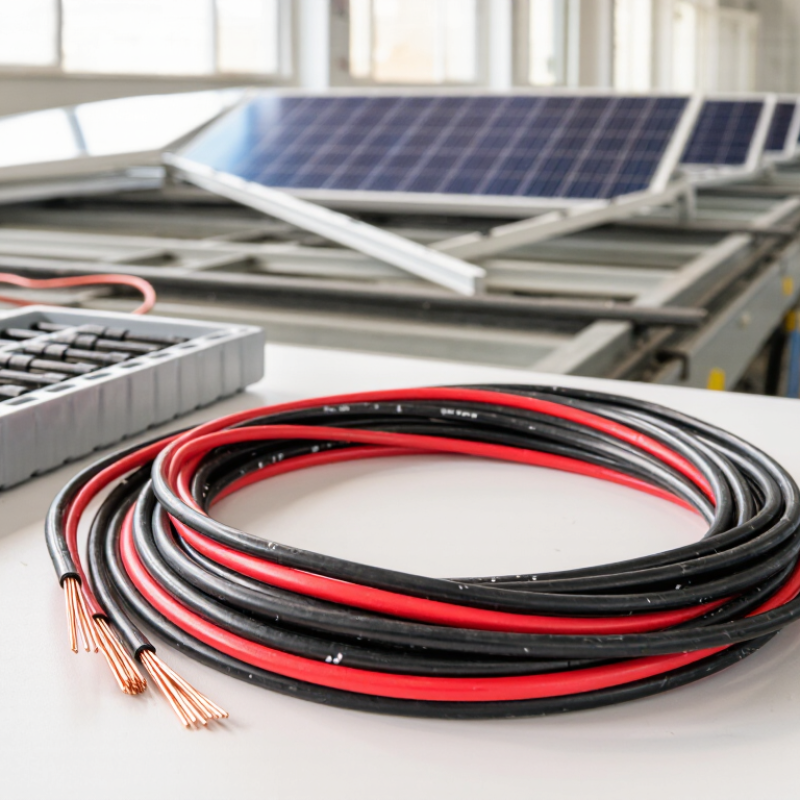
Solar photovoltaic wire carries direct-current power from modules to combiner boxes, Inverters, and battery equipment. Its job is simple, but the environment is severe. Cables face rooftop heat, ultraviolet radiation, rain, vibration, and occasional sharp metal edges.

IRENA’s Renewable Capacity Statistics 2024 recorded about 1,419 GW of global solar capacity by the end of 2023. This expanding installed base increases demand for durable wiring. A photovoltaic cable commonly contains a stranded copper conductor, often tin-coated for corrosion resistance. Cross-linked insulation surrounds the conductor. A tough outer sheath adds protection against sunlight, moisture, ozone, and abrasion. IEC 62930 covers electric cables for photovoltaic systems, including designs rated up to 1.5 kV DC. Field inspections still reveal a weakness: correct cable ratings cannot prevent poor routing or loose termination.

A Solar Photovoltaic Connector links cable sections and maintains a stable electrical path. Its core parts include conductive contacts, insulating housing, seals, and a locking mechanism. Contact pressure matters. Heat can develop when crimping is incomplete, even when the connector looks acceptable.

Tips: Match cable size with current, distance, temperature, and installation method. Check polarity before connection. Keep connectors clean and fully engaged. Avoid mixing unverified mating parts. A tidy installation is helpful, but not always sufficient. Periodic thermal inspection can expose hidden resistance before it damages nearby insulation.

Key Standards and Certifications for Photovoltaic Wire Suppliers

Reliable photovoltaic wire suppliers must prove more than production capacity. They should identify the exact cable type, voltage rating, conductor material, insulation, and intended installation environment. Standards such as IEC 62930, EN 50618, and UL 4703 provide important benchmarks for solar cable performance. Requirements may differ by market, so buyers should verify the applicable national rules before ordering.

Certification records deserve careful review. Ask for current certificates, test reports, factory addresses, and certification scope. Check whether the documents cover the exact wire size and construction being offered. Important tests include heat aging, thermal cycling, resistance to ultraviolet exposure, ozone, moisture, and flame propagation. Look closely.

A capable supplier also maintains traceability from copper batch to finished coil. ISO 9001 certification can support consistent process control, but it does not replace product certification. During an audit, inspect printing on the cable jacket, package labels, crimp samples, and storage conditions. Damp storage can damage materials before installation. No checklist is perfect. Certificates may be valid, yet production can drift after testing. Periodic sampling and independent laboratory verification reduce that risk. Suppliers should explain test limits clearly, including conductor resistance at 20°C and maximum operating temperature. Vague answers are a warning sign. Clear records build confidence.

Types of Solar PV Wire for Different Installation Environments

Solar PV wire must match the installation environment, not just the panel rating. For exposed rooftop arrays, certified PV wire with sunlight resistance, ozone resistance, and strong insulation is essential. Its thick jacket withstands daily heat, rain, and ultraviolet exposure. In a hot roof cavity, select wire rated for elevated temperatures and avoid tight bends near junction boxes.

For buried or conduit-based runs, wet-location approval matters because condensation can remain inside pipes. USE-2 or RHW-2 conductors may suit specific designs, but local electrical requirements should guide the final choice. Floating solar systems face moisture, movement, and mechanical stress. Flexible PV cable with reinforced insulation can reduce fatigue around pontoons and cable supports.

Solar Connectors Photovoltaic Connectors must also match the cable diameter and current rating. Mixing visually similar connectors is a risky shortcut.

Tips: Measure the route before ordering. Leave enough slack for thermal movement, but avoid loose loops that collect water. Check markings, temperature ratings, and bend limits on every cable reel. Inspect crimp quality with the correct tool, then perform continuity and insulation tests. I have seen neat installations fail because one connector was only hand-tightened. That detail is easy to miss. Recheck it.

How to Evaluate Solar Photovoltaic Wire Suppliers in 2026

How to Evaluate Solar Photovoltaic Wire Suppliers in 2026

Reliable photovoltaic wire suppliers should prove performance, not merely display attractive specifications. Request current test reports for UV resistance, thermal cycling, insulation strength, flame behavior, and water exposure. Check whether reports identify the exact cable construction and production batch. A certificate without traceable details deserves careful questioning.

Inspect the conductor, jacket, and labeling during sample evaluation. Copper strands should look even, flexible, and free from dark oxidation. The insulation should recover after bending, without whitening or surface cracks. Test the cable with the intended Photovoltaic Connector Plug, because connector fit can affect heat buildup. Ask for crimping instructions, pull-force results, and compatibility evidence from controlled testing.

Supplier audits should cover raw-material records, process controls, inspection equipment, and complaint handling. Factory capacity matters, but delivery promises need evidence from recent orders. Confirm warranty terms, replacement procedures, and technical response times in writing. A spreadsheet can still mislead. I would also compare samples from different production dates, since consistency is sometimes weaker than the first sample suggests. Price should remain important, but unusually low pricing may indicate thinner insulation, unstable materials, or limited testing. Small details often reveal operational maturity.

Leading Supplier Capabilities, Products, and Service Differences

Selecting top solar photovoltaic wire suppliers in 2026 requires more than comparing price lists. Experienced project teams inspect conductor quality, insulation consistency, and traceability before signing contracts. Reliable suppliers provide copper or aluminum options, solar-rated cable, branch connectors, grounding wire, and pre-cut assemblies. Each product should match voltage, temperature, bending, and outdoor exposure requirements. Small details matter. A jacket that cracks near a rooftop edge can create expensive rework.

Supplier capability becomes clearer during technical review. Strong manufacturers maintain controlled extrusion lines, batch testing, and documented quality systems. They can share test reports for flame resistance, water durability, UV exposure, and mechanical performance. Certification alone is not enough. Buyers should confirm whether samples match mass production. I have seen neat samples hide inconsistent labeling and weak packaging. That risk deserves direct questions, not polite assumptions.

Service separates similar suppliers. Responsive teams offer application guidance, production forecasts, flexible lengths, export documentation, and fast answers during installation. Better support includes cable-routing advice and corrective action records after a quality complaint. Lead time also needs evidence, such as capacity plans and shipment histories. Yet no supplier performs perfectly every month. A missed update can delay a string installation. The practical choice balances verified performance, transparent communication, and realistic recovery plans. Engineers should test a sample on site before approving large volumes.

Purchasing, Quality Control, and Future Trends in PV Wire Supply

In 2026, purchasing photovoltaic wire requires more than comparing price per meter. Experienced buyers check conductor purity, insulation thickness, temperature ratings, bend radius, and verified test reports. A cable may look flawless while hiding uneven copper strands or weak insulation. Ask suppliers for production-lot samples, not only catalog specimens. Keep records of batch numbers, test dates, and storage conditions.

Quality control should follow recognized photovoltaic requirements and include dimensional checks, spark testing, tensile testing, and aging evaluation. During installation, inspect stripped ends for nicked conductors. Confirm crimp pull strength with a calibrated tool. The Photovoltaic Junction Box also needs compatible wire size, sealing performance, and dependable contact resistance. Small mismatches can create heat at connection points. I still see teams relying too heavily on certificates. Certificates matter, but physical sampling remains essential.

Future supply trends will emphasize lower-carbon materials, recyclable insulation, automated inspection, and digital traceability. Suppliers may offer wires designed for higher system voltages, tighter rooftop spaces, and faster robotic assembly. Halogen-free compounds could gain attention where smoke reduction and material recovery are priorities. Yet new materials need long-term field evidence. A promising datasheet is not proof of durability. Buyers should request weathering results, factory process data, and failure feedback from comparable installations. No checklist catches every problem. Reflective purchasing decisions will remain valuable.

M12 Male End Elbow Pre-Cast Wire: Market Trends Based on MarketsandMarkets & Grand View Research Reports

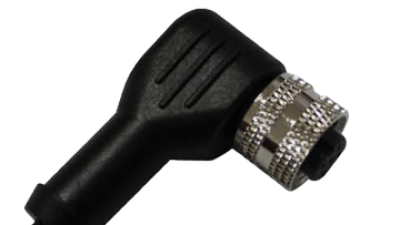
The M12 Male End Elbow Pre-Cast Wire is becoming increasingly relevant as manufacturers pursue compact, reliable, and easy-to-install connectivity for automated equipment. Its pre-cast construction supports consistent electrical performance, while the right-angle M12 configuration helps reduce cable bending and routing space in control cabinets, sensors, actuators, and robotic systems. Designed for demanding industrial environments, it can also simplify installation and reduce the risk of wiring errors during machine assembly and maintenance.

This demand reflects broader growth in factory automation. According to a MarketsandMarkets report, the industrial automation market is projected to increase from approximately USD 191.9 billion in 2024 to USD 265.9 billion by 2029, representing a compound annual growth rate of about 6.7%. Grand View Research has also reported strong long-term expansion in industrial automation, with a projected double-digit growth rate through 2030. These trends are encouraging greater adoption of standardized, space-efficient connection solutions such as M12 pre-cast cable assemblies.

For system designers, the M12 Male End Elbow Pre-Cast Wire offers practical advantages in high-density installations. Its molded connection can improve strain resistance and durability, while standardized interfaces support faster replacement and broader equipment compatibility. As factories adopt more sensors, distributed I/O, machine vision, and connected production lines, dependable cable assemblies will remain essential to stable data and power transmission.

FAQS

What is solar photovoltaic wire used for?

It carries direct-current power from solar modules to combiner boxes, inverters, or battery equipment. The task seems simple. The surroundings are not.

What materials are commonly found inside photovoltaic wire?

A stranded copper conductor often carries current. Tin coating can improve corrosion resistance. Cross-linked insulation surrounds it, while an outer sheath resists sunlight, moisture, ozone, and abrasion.

What conditions must photovoltaic wire withstand?

Rooftop wire may face intense heat, ultraviolet radiation, rain, vibration, and sharp metal edges. Buried runs can hold condensation. Floating systems add movement and mechanical stress.

How should cable size be selected?

Match the cable size with current, route distance, temperature, and installation method. Measure the route before ordering. Leave movement slack, but avoid loose loops that collect water.

Why are photovoltaic connectors important?

Connectors join cable sections and maintain a stable electrical path. Their contacts, insulation, seals, and locking parts must work together. Incomplete crimping can create heat inside an apparently normal connector.

How can connector problems be reduced?

Check polarity before connection. Keep contacts clean and fully engaged. Use the correct crimping tool, then perform continuity and insulation tests. Hand-tightening is not enough.

What should buyers check when selecting a cable supplier?

Review conductor quality, insulation consistency, product traceability, and test documentation. Ask whether production samples match larger batches. Certification alone may not reveal inconsistent labeling or weak packaging.

What service should a reliable supplier provide?

Useful support includes application guidance, production forecasts, suitable lengths, export documents, and quick technical responses. Shipment history and capacity plans matter. Still, no supplier performs perfectly every month.

Why should photovoltaic cable samples be tested on site?

Site testing can reveal bending problems, connector fit, routing limits, or hidden installation conflicts. A tidy sample proves little. Large-volume approval may still need reconsideration.

Conclusion

This guide to Solar Photovoltaic Wire explains its role in safely transmitting electricity throughout photovoltaic systems, from modules and junction boxes to inverters and storage equipment. It introduces the wire’s core components, including conductive materials, insulation, jackets, and protective features, while outlining key standards and certifications that help ensure electrical safety, weather resistance, flame performance, durability, and reliable long-term operation. The guide also compares wire types suited to rooftop, ground-mounted, floating, high-temperature, flexible, and underground installations.

For buyers in 2026, the guide presents practical methods for evaluating suppliers, including manufacturing capability, product consistency, testing systems, customization options, delivery performance, technical support, and documentation quality. It highlights differences in supplier services, product specifications, quality-control procedures, purchasing considerations, and traceability requirements. Finally, it reviews emerging trends such as improved materials, smarter production, stronger environmental resistance, recyclable designs, and more efficient supply-chain management, helping project developers select dependable photovoltaic wire solutions for evolving solar applications.

Logan

Logan

Logan is a dedicated marketing professional at Suzhou KuaiKe Electronics Photovoltaic Co., Ltd., where he excels in promoting the company's innovative solar energy solutions. With a deep understanding of the photovoltaic industry, Logan utilizes his expertise to effectively communicate the unique......
Previous What Are China Top 10 Solar Junction Box Suppliers?