In today’s fast-changing energy world, it’s pretty clear that energy storage systems are really gaining a lot of traction. You’ve probably noticed how everyone’s looking for more reliable and efficient ways to store and use energy. According to a recent report from Bloomberg NEF, the global market for energy storage is expected to blow up — with investments hitting around $620 billion by 2040. As more companies and folks like you and me switch to cleaner, sustainable energy sources, making sure these systems work smoothly and efficiently has never been more important. And a big part of that is the Cable Harness for Energy Storage — the unsung hero that keeps everything connected and running seamlessly.
Think of cable harnesses as the nervous system of an energy storage setup. They make sure all the electrical parts talk to each other without headaches, simplifying installation and boosting reliability. The International Energy Agency (IEA) even points out that smart, efficient energy storage can boost renewable energy use by over 60%. That’s a huge deal! So, investing in top-notch cable harnesses isn’t just about neat wiring — it’s about making systems run better, cutting down on energy losses, and saving on maintenance costs.
In this article, I’ll walk you through the top 10 cable harnesses out there today that really can make a difference in how well your energy storage systems perform. Whether you’re a business looking to stay ahead of the game or just curious about the future of energy, understanding these components can help you tap into the booming market and get ready for what’s next.

Overview of Energy Storage Systems and Their Importance
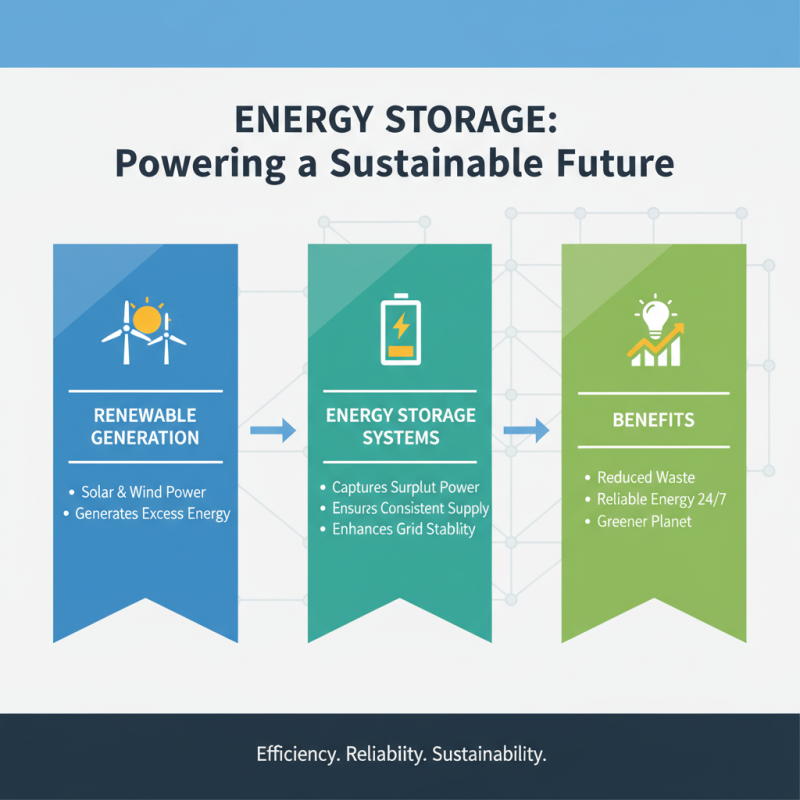
Energy storage systems have become a crucial component in today’s energy landscape, fostering greater efficiency and sustainability. These systems store excess energy generated from renewable sources, such as solar and wind, allowing for a steady supply when demand surpasses production. This capability not only mitigates energy waste but also enhances grid stability, making renewable energy more viable as a primary resource.
When designing or upgrading energy storage systems, selecting the right cable harness is indispensable. The cable harness acts as the nervous system of the energy storage setup, facilitating connections between various components and ensuring seamless energy transfer. Proper insulation, organization, and durability of these harnesses guarantee minimal energy loss and maximum operational safety.
**Tips:** Ensure that your cable harnesses are rated for the specific voltage and current of your system to prevent overheating. Additionally, consider the environmental conditions where your energy storage system operates; the right materials can enhance longevity and reduce maintenance costs. Regularly inspecting the cable harness for wear or damage can help maintain system efficiency and reliability.
Understanding Cable Harnesses and Their Role in Energy Storage
Cable harnesses play a significant role in the efficiency and reliability of energy storage systems. These specialized assemblies ensure the streamlined organization of electrical conductors, which is crucial for optimizing the flow of current and minimizing energy losses. By connecting multiple components, a well-designed cable harness facilitates the orderly routing of power cables, enabling energy storage systems to operate at their best. The strategic arrangement of these cables also helps reduce the risk of wear and tear, allowing for longer system lifespans and easier maintenance.
In Energy Storage Applications, cable harnesses are integral for enhancing overall system performance. They not only aid in reducing electrical resistance but also improve electromagnetic compatibility, ensuring that various components function seamlessly together. Furthermore, with advancements in technology, the design of cable harnesses has evolved to incorporate lightweight materials and improved insulation techniques, enhancing safety and efficiency. As energy storage systems become more complex, the role of cable harnesses in ensuring optimal functionality and longevity becomes increasingly vital.
Key Features to Look for in Cable Harnesses
When selecting cable harnesses for energy storage systems, several key features should be prioritized to ensure efficiency and reliability. One crucial attribute is the harness's ability to withstand environmental factors such as temperature extremes and moisture. According to a report by the International Energy Agency, energy storage technologies are projected to grow significantly, emphasizing the need for robust materials that can endure harsh conditions while maintaining performance. Harnesses made from high-quality, insulated materials can reduce the risk of short circuits and enhance the overall lifespan of the energy storage systems.
Another important feature is the configurability of the cable harnesses. A well-designed harness should be adaptable to various energy storage setups, allowing for seamless integration with battery modules and Inverters.Customizable lengthsand Connectors can facilitate better space management within the energy storage systems, leading to improvedairflow and heat dissipation. Furthermore, standardized connectors increase compatibility across different systems, streamlining maintenance and upgrades.
Tips: When considering a cable harness, assess its fire resistance rating, especially if it's intended for high-capacity energy storage solutions. Additionally, always look for cable harnesses with clearly defined specifications, as this will help ensure compliance with industry standards and reduce the likelihood of installation issues. Choosing a harness that supports scalability can also future-proof your system as energy demands evolve.
Top 10 Cable Harnesses for Energy Storage Systems
When it comes to optimizing energy storage systems, selecting the right cable harnesses is crucial. The top 10 cable harnesses designed specifically for energy storage can significantly enhance efficiency and reliability. These harnesses ensure that power flows smoothly, reducing energy losses and minimizing maintenance issues. A well-designed cable harness not only provides strong connections but also protects against environmental factors that could undermine performance.
When choosing a cable harness, consider factors such as gauge size, materials, and insulation type. High-quality materials can increase durability, while appropriate gauge size ensures sufficient current flow without overheating. Additionally, pay attention to the arrangement of wires within the harness; a well-structured layout facilitates easier installation and troubleshooting when needed.
Tips for maximizing the effectiveness of your cable harnesses include regularly checking for wear and tear and ensuring connections are tight to prevent resistance. Furthermore, using cable ties and labeling wires can reduce clutter and enhance organization, making maintenance simpler. By incorporating these practices and selecting the right harnesses, you can significantly improve the overall performance of your energy storage system.
Comparative Analysis of Performance and Efficiency
In the realm of energy storage systems, the efficiency of cable harnesses plays a critical role in ensuring optimal performance and reliability. A recent study published by the International Journal of Energy Storage highlighted that the proper configuration of cable harnesses can reduce energy losses by up to 15%. This reduction is vital in maximizing the overall efficiency of energy storage applications, especially as renewable sources like solar and wind become increasingly integrated into the grid. The accuracy in performance metrics achieved by these harnesses reflects their significance in controlling transmission losses and improving system reliability.
Furthermore, a comparative analysis of various cable harness designs indicates that materials and configurations directly impact thermal management and electrical performance. A 2022 report from the Energy Storage Association emphasized that improper cable harness designs contribute to inefficiencies, sometimes leading to thermal runaway scenarios. Data showed that energy storage systems using optimized harness configurations reported a 20% reduction in operational temperature, which correlates with increased lifespan and reduced maintenance costs. The advances in cable harness technology are not only enhancing efficiency but are also pivotal in ensuring long-term sustainability and safety in the deployment of energy storage systems.
Installation Tips and Best Practices for Cable Harnesses
When installing cable harnesses for energy storage systems, it is essential to follow best practices to maximize efficiency and ensure the longevity of the system. First and foremost, proper planning is crucial. Assess the layout of the installation site and determine the most effective routing for the harnesses. Keeping the harnesses organized not only enhances the aesthetic of the installation but also reduces the risk of damage from environmental elements or interference with other system components.
Moreover, ensuring that all connections are secure and meet the required standards is vital for optimal performance. Utilize high-quality connectors and ensure that cables are stripped and crimped correctly. Taking the time to test each connection before finalizing the installation can prevent future issues and enhance the overall reliability of the energy storage system. Regular maintenance and inspections should also be part of the routine to identify any wear or potential problems early on, thus guaranteeing the system operates efficiently for an extended period.
10 Best Cable Harnesses for Energy Storage Systems: Enhance Efficiency Today!
| Model | Material | Temperature Rating (°C) | Max Voltage (V) | Features | Installation Tips |
| Harness A | PVC | -20 to 90 | 600 | UV Resistant, Flexible | Ensure proper shrinkage. |
| Harness B | XLPE | -30 to 85 | 1000 | High Voltage, Durable | Use heat shrink connectors. |
| Harness C | Silicone | -50 to 150 | 400 | Temperature Resistant | Keep away from sharp edges. |
| Harness D | Nylon | -10 to 80 | 300 | Lightweight, Flexible | Use cable ties for organization. |
| Harness E | PVC | -20 to 70 | 500 | Corrosion Resistant | Inspect wiring before use. |
Future Trends in Cable Harness Design for Energy Storage Systems
Recent advancements in cable harness design for energy storage systems are driving a revolution in efficiency and performance. With the global energy storage market projected to reach $546 billion by 2028, according to a report by Fortune Business Insights, the optimization of cable harnesses is more critical than ever. Innovative materials such as lightweight composites and advanced insulation technologies are being integrated, resulting in improved thermal management and reduced weight. This not only enhances the overall efficiency of energy storage systems but also facilitates easier installation and maintenance.
Additionally, the shift towards modular energy storage systems is influencing cable harness design. The demand for scalability in energy storage solutions means that cable harnesses must be adaptable, enabling quick assembly and disassembly. A recent study by Grand View Research highlighted that the modular energy storage market is expected to expand at a CAGR of 16.9% from 2021 to 2028. This trend is prompting manufacturers to focus on flexible designs that cater to various configurations while adhering to stringent safety standards. As cable harnesses become increasingly sophisticated, the need for improved reliability and longevity is paramount, prompting innovations in connector technology and protective shielding methods.
Enhancing Electrical Safety and Efficiency: The Role of H07V-K Cable in Modern Wiring Solutions According to Industry Reports
In modern wiring solutions, the H07V-K cable has emerged as a crucial component, enhancing both electrical safety and efficiency in various applications. One of its standout features is its exceptional resistance to environmental factors such as UV radiation, ozone, and hydrolyzation. This high level of resistance ensures longevity and reliability, making it suitable for outdoor installations and areas exposed to harsh conditions.
Additionally, the H07V-K cable demonstrates remarkable performance in extreme temperatures. The materials used in its construction do not melt or flow under heat, providing a robust solution for installations requiring durability and safety. Furthermore, its flexibility in cold conditions allows for easy handling and installation, making it a preferred choice among electricians. Compliance with ROHS and REACH standards ensures that all materials used are safe for both the environment and human health, emphasizing the cable's commitment to sustainability and safety in modern wiring applications.
FAQS
: Proper configurations of cable harnesses can reduce energy losses by up to 15%, enhancing the overall efficiency and reliability of energy storage applications.
They directly impact thermal management and electrical performance, with optimized designs leading to a 20% reduction in operational temperature and extending lifespan while reducing maintenance costs.
Advancements include the use of lightweight composites and advanced insulation technologies, improving thermal management and enabling easier installation and maintenance.
With the global energy storage market projected to grow significantly, optimizing cable harnesses is essential for enhancing system efficiency and meeting the growing demand for energy storage solutions.
There is a need for adaptable cable harnesses that facilitate quick assembly and disassembly, allowing for scalability in energy storage solutions.
The modular energy storage market is expected to expand at a CAGR of 16.9% from 2021 to 2028, influencing design approaches for cable harnesses.
Innovations include advancements in connector technology and protective shielding methods, ensuring that cable harnesses meet stringent safety standards.
They help prevent inefficiencies that could lead to thermal runaway scenarios, thereby enhancing the safety and sustainability of energy storage systems.
They contribute to improved thermal management and overall efficiency of energy storage systems while facilitating easier maintenance.
Efficient cable harnesses reduce transmission losses, improving system reliability and supporting the increased use of renewable energy sources like solar and wind.
Conclusion
In the realm of energy storage systems, the efficiency and reliability of power management are critical, which is where a cable harness for energy storage comes into play. These specialized assemblies not only streamline connections but also minimize the risk of energy loss, ensuring optimal performance. This article explores the key features of effective cable harnesses and highlights their crucial role in enhancing the overall efficiency of energy storage solutions.
Furthermore, a comparative analysis of top cable harnesses reveals their unique advantages and performance metrics. The installation tips and best practices provided serve to guide users in achieving the best outcomes from their cable harness systems. As technology evolves, future trends in cable harness design look promising, indicating a shift towards enhanced efficiency and adaptability in energy storage systems.