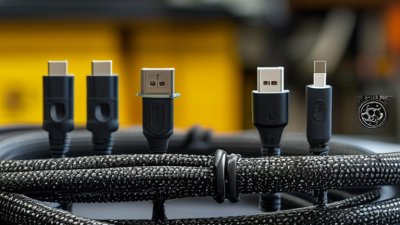
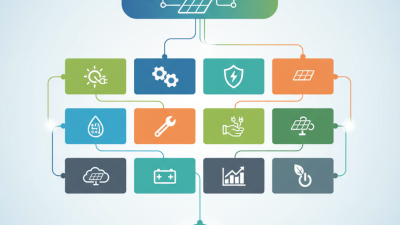
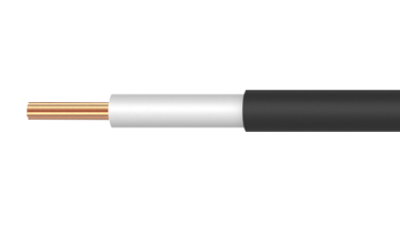
In today’s fast-changing tech scene, getting a good grip on how Cable Harness Manufacturers operate is pretty important for buyers all across the globe. These manufacturers make some really crucial parts that keep electronic systems running smoothly and reliably. For example, when you’re checking out potential suppliers, it’s worth paying attention to their experience in niche areas like Solar Cable production — because that can seriously influence how well your solar energy setup performs and how long it lasts.
Now, of course, quality and sticking to industry standards are key factors when choosing a cable harness supplier. You’ll want to look into their reputation and whether they really know their stuff. But, let’s be honest, not everyone who offers high-quality products actually delivers consistently. That’s why digging into reviews and doing thorough homework is a smart move.
And with all the complexity of the global market—we’re talking different local rules, sourcing materials from all over—it can get pretty tricky. So, it’s best to go for manufacturers who are transparent and operate ethically. Keep an eye out for certifications, past projects, and any signs that they’re legit. At the end of the day, working with the right Cable Harness Manufacturer can make a huge difference in the success of your project — so, choose wisely!
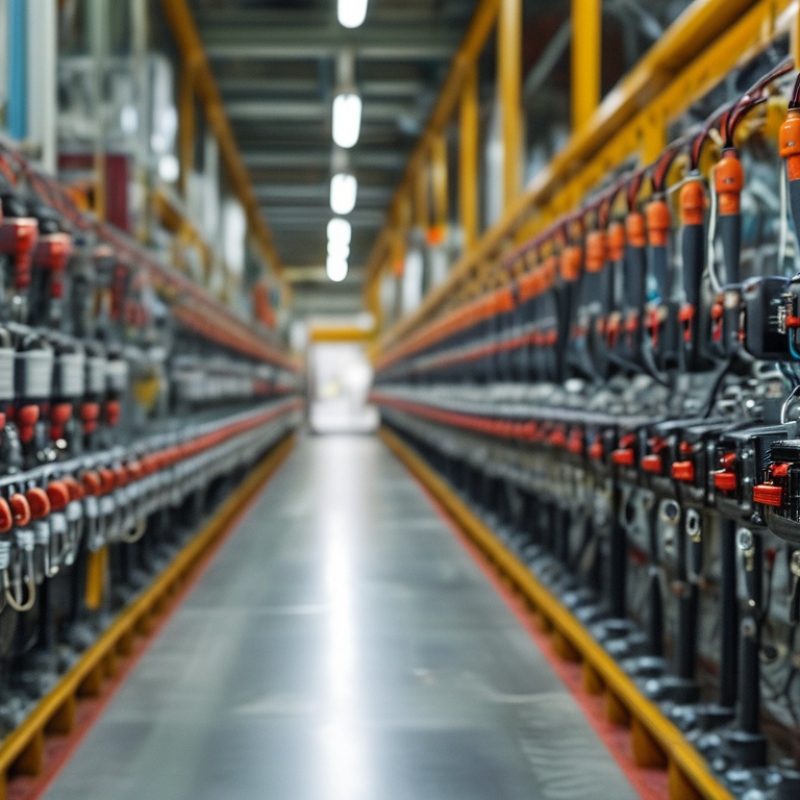
Understanding Cable Harness and Its Importance in Various Industries
Cable harnesses are essential components in modern industries. They organize wires and cables into a single unit, providing structure and protection. This design is crucial for efficient electrical connections. A well-made cable harness increases reliability in systems ranging from automobiles to aerospace.
In sectors like telecommunications, the demand for precise cable harnessing is high. Easy installation and maintenance are key benefits. An example is the use of a 6mm2 Cable in various applications. This thicker cable supports higher currents, ensuring safety and performance. Yet, the production of cable harnesses can be complex. Manufacturers face challenges in quality control and customization.
Customization ensures that specific industry needs are met. However, over-engineering a harness can lead to unnecessary complexities. Striking the right balance between robustness and simplicity is often hard. Industry professionals must continually assess their strategies to adapt to changing technologies and market demands. Proper design processes and materials selection are vital in ensuring long-term reliability.
Key Characteristics to Look for in Quality Cable Harness Manufacturing
When seeking a cable harness manufacturer, several key characteristics are essential for global buyers. A recent industry report indicated that over 40% of production failures stem from improper wiring. Therefore, quality assurance protocols are a must. Look for manufacturers that adhere to international standards like ISO 9001. Certifications reflect a commitment to quality that can minimize risks.
Additionally, material selection is critical. High-quality cable harnesses often use polyvinyl chloride (PVC) or thermoplastic elastomers (TPE). Both materials enhance durability and flexibility. According to market data, 70% of failures occur due to subpar materials. Beware of manufacturers offering significantly lower prices, as this could indicate a compromise in material quality.
Lastly, consider the manufacturer's ability to customize. Custom solutions can significantly impact performance in specific applications. The market has shown a 25% increase in demand for tailored designs. However, customization often requires detailed discussions and adjustments. Be prepared for a potentially lengthy development process, which might challenge timelines. This balancing act between quality, customization, and cost often requires thoughtful evaluation.
Types of Cable Harnesses: A Comprehensive Overview for Buyers
When exploring types of cable harnesses, understanding their variety is crucial for global buyers. Cable harnesses come in numerous designs, each tailored for specific applications. For instance, a report from the International Wire and Cable Symposium indicated that over 60% of manufacturers prioritize custom harnesses for their unique needs. These customizations can range from material selection to specific connector types, making each harness unique.
In industries like automotive and aerospace, wire harnesses serve critical roles. For example, a standard automotive harness may consist of multiple cables bundled together, providing essential power and data connectivity. According to a recent market analysis, the automotive sector represents nearly 40% of the global cable harness market. This highlights the importance of tailored solutions in high-stakes environments. However, quality control and design complexities challenge manufacturers. Many harnesses face issues during installation or performance, emphasizing the need for rigorous testing and validation.
Furthermore, environmental factors play a significant role in harness design. Harnesses must withstand varying temperatures, vibrations, and moisture levels. This necessity leads to diverse material choices, such as heat-resistant plastics and corrosion-resistant metals. A study from the Society of Automotive Engineers noted that improper material selection can result in a 15% increase in failure rates. Balancing performance and cost remains a critical consideration for buyers navigating this complex landscape.
What is a Cable Harness Manufacturers Guide for Global Buyers? - Types of Cable Harnesses: A Comprehensive Overview for Buyers
| Type of Cable Harness | Applications | Material Used | Connection Method | Benefits |
| Custom Cable Harness | Automotive, Aerospace | PVC, Cross-linked Polyethylene | Crimping, Soldering | Tailored solutions, Flexibility |
| Standard Cable Harness | Consumer Electronics | Polyvinyl Chloride (PVC) | Connectorized, Twist-on | Cost-effective, Easy installation |
| Multi-way Cable Harness | Industrial Machinery | Silicone Rubber | Multiconductor, Block Connectors
| Versatility, Robustness |
| Flat Cable Harness | Telecommunications | Teflon, Mylar | Pin headers, Edge connectors | Space-saving design, Lightweight |
| Braided Cable Harness | Military, Aerospace | Nomex, Kevlar | Shielded, Coaxial | High durability, Strong protection against interference |
Evaluating Cable Harness Manufacturers: Key Criteria to Consider
When evaluating cable harness manufacturers, several criteria are essential for global buyers. Quality assurance is paramount. According to a report by MarketsandMarkets, the global cable harness market is expected to reach $60 billion by 2025. This growth indicates a rising demand for high-quality components. Therefore, it's crucial to assess a manufacturer’s certifications, such as ISO 9001, which assures consistent quality.
Additionally, understanding the manufacturer’s production capacity is vital. A manufacturer of 4mm2 Cable should provide transparent information about their output. This helps buyers gauge whether the manufacturer can meet their supply needs. Furthermore, consider the flexibility of a manufacturer in customization. The ability to adapt designs according to client specifications can make a significant difference.
Another critical aspect is supply chain reliability. A disruption can cause delays and impact project timelines. Manufacturers must have contingency plans in place. Data by Statista indicates that 56% of firms faced supply chain challenges in 2022. Reflecting on this, buyers should ensure that the manufacturer has robust logistics and inventory management practices. Ultimately, a thorough evaluation of these criteria will enhance the chances of selecting the right cable harness manufacturer.
The Role of Certifications and Standards in Cable Harness Production
In the cable harness industry, certifications and standards serve critical functions. They ensure consistency in quality and safety across products. Global buyers rely on these benchmarks to evaluate manufacturers. Certifications like ISO 9001 illustrate a manufacturer’s commitment to quality management systems. They provide a framework for continued improvement and must be regularly audited.
Additionally, compliance with industry-specific standards is essential. For instance, automotive and aerospace sectors often follow strict guidelines. These ensure that the cable harness can withstand demanding environments. However, not all manufacturers maintain the same level of adherence. This inconsistency can lead to safety risks and operational disruptions.
It's vital for buyers to investigate the certifications of potential partners. A lack of relevant certifications may indicate a disregard for quality. Moreover, unexpected shifts in regulations can complicate compliance. Buyers should adopt a proactive approach. Regularly reviewing a manufacturer’s certification status can help mitigate risks. Trust in your supplier is as important as the products they deliver.
Best Practices for Collaborating with Cable Harness Suppliers Globally
When collaborating with cable harness suppliers globally, buyers should prioritize clear communication. This includes specifying requirements, such as the type and quantity of cables needed. For instance, if you require a Solar Panel Cable, ensure to detail its specifications. This clarity helps suppliers deliver more accurate quotes and timelines.
Building trust is essential. Engaging in regular updates fosters a strong supplier relationship. It allows for addressing concerns early, ensuring that both parties are on the same page. Moreover, consider the cultural differences in global communication. Giving your suppliers time to respond respects their process and builds rapport.
It's important to evaluate potential suppliers carefully. Research their past work and customer feedback. Transparency in pricing and production capabilities is crucial, but remember that even reputable suppliers may have challenges. Visit their facilities when possible. This helps you understand their processes better and identify any potential pitfalls. Being proactive can save time and resources in the long run.
Cable Harness Production by Region (2023)
Trends and Innovations in Cable Harness Manufacturing for Global Buyers
Cable harness manufacturing is evolving rapidly. Innovations are significantly impacting production processes and design capabilities. Global buyers now have more options. Advanced technology enhances the functionality of products. Understanding these trends is essential for making informed purchasing decisions.
One notable trend in cable harness manufacturing is the integration of smart technology. Manufacturers are now producing cable harnesses with built-in sensors. This allows for real-time monitoring of performance. Buyers can benefit from increased operational efficiencies. They should look for options that incorporate these advancements.
Tips: Always assess the reliability of components like the Mc4 Cable. Quality materials ensure durability in various applications. Consider the supplier's reputation and technical expertise. Testing samples before bulk purchases can prevent potential issues later on. These steps enhance buyer confidence and reduce long-term risks.
Innovative Solutions for Efficient Solar Energy Transfer: Exploring Japanese Standard Solar Cable PV-CC
As the demand for efficient solar energy transfer continues to rise, the exploration of innovative solutions such as the Japanese standard solar cable PV-CC is crucial. These cables utilize E-beam cross-linked compounds that exhibit exceptional resistance to environmental factors including UV radiation, ozone, and hydrolyzation. This resistance is critical in maintaining cable integrity and efficiency over time, ensuring that solar energy systems remain functional and reliable throughout their operational life.
A significant advantage of the PV-CC cables is their high temperature resistance. Unlike traditional materials that may melt or flow under extreme heat, these advanced compounds maintain their structural integrity, thus preventing potential failures in solar installations. Furthermore, their flexibility under cold conditions allows for easier installation and handling, making them suitable for a variety of environmental settings. Reports from the International Energy Agency indicate that effective and resilient cabling is essential for maximizing solar efficiency, as poor connections can lead to energy losses upwards of 15%.
Moreover, these cables are designed to be compatible with all common connectors, which enhances their versatility across different solar energy systems. The ability to easily integrate with existing technology means that installers can optimize their solar setups without the need for extensive alterations. In an industry increasingly focused on innovation and efficiency, the adoption of high-performing solutions like the PV-CC cables can significantly contribute to the advancement of solar energy technology and the reduction of overall costs associated with solar power generation.
FAQS
: Focus on quality assurance protocols and adherence to international standards.
The right materials improve durability. Poor materials lead to a high failure rate.
Clearly specify your requirements. Detail the types and quantities of cables needed.
Trust helps in building strong relationships. Regular updates can address concerns early.
Research their past work and customer feedback. Transparency in pricing is vital.
Custom solutions can enhance performance. However, they may require detailed discussions.
Respect their timelines. This builds rapport and strengthens relationships.
Production failures can stem from improper wiring or poor material choices.
It provides insight into their processes and helps you identify potential challenges.
Custom requests can lengthen development time. This may complicate timelines and require patience.
Conclusion
The article serves as a comprehensive guide for global buyers navigating the world of cable harness manufacturing. It emphasizes the critical role of cable harnesses in various industries, outlining the key characteristics that define quality in manufacturing processes. Readers will gain insights into the different types of cable harnesses available, as well as essential criteria for evaluating cable harness manufacturers.
Furthermore, the guide underscores the importance of certifications and standards in ensuring product reliability and safety. Best practices for collaborating with cable harness suppliers globally are also discussed, enabling buyers to establish strong partnerships. Lastly, the article highlights emerging trends and innovations in cable harness manufacturing, providing valuable knowledge for buyers seeking to stay ahead in a competitive market.