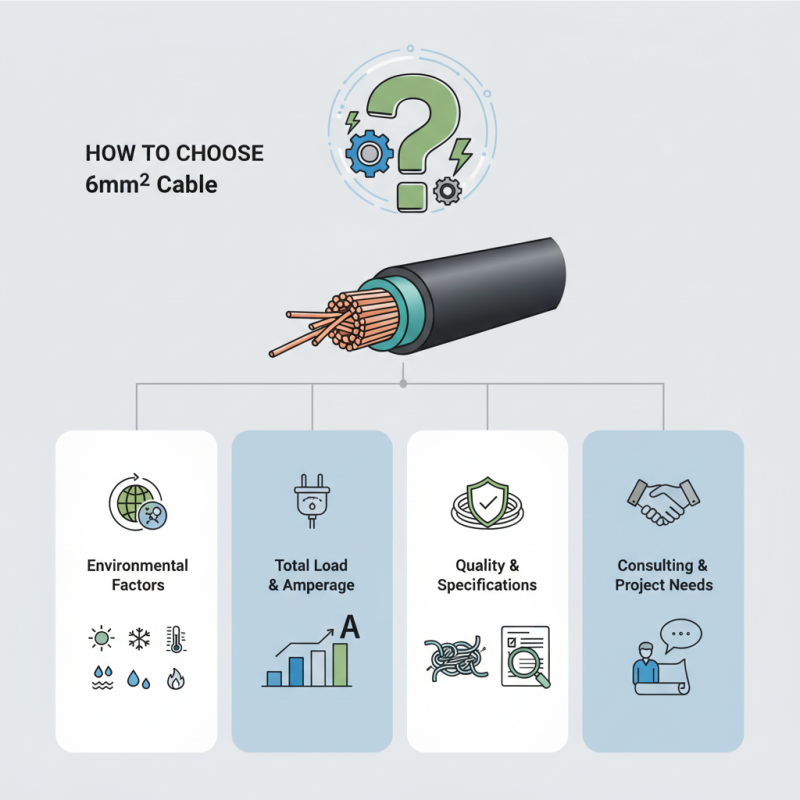
Picking the right 6mm2 Cable isn’t always straightforward. There’s quite a bit to keep in mind. Every project has its own unique needs, so what works in one situation might not cut it in another. For example, some environments might require specific insulation or temperature ratings — it all depends.
When you're shopping for a 6mm2 Cable, it’s super important to think about how much load you’re planning to throw at it. Always double-check the amperage rating — it can save you a lot of headaches down the line. If you’re not sure about what you need, it’s easy to end up with something that just doesn’t perform well. And trust me, not all cables are created equal — quality really does matter.
Take a moment to consider what your project really calls for. Sometimes it’s worth chatting with professionals or reaching out to manufacturers like ABC Cable Company. They can give you tailored advice suited to your specific situation. Paying attention to these little details can make a huge difference in making sure your project goes smoothly. After all, choosing the right 6mm2 cable isn’t just about specs — it’s about making sure everything works perfectly in the end.
When it comes to electrical wiring, 6mm² cables have specific uses and advantages. Typically, these cables support currents up to 32 amps. This makes them suitable for domestic installations, such as connecting power to a garage or shed. However, their capability does not mean they are always the best choice. Understanding their limitations is crucial.
Cables must be chosen based on the application. Consider the environment and distance of the installation. If you are running cables outdoors, ensure they are weather-resistant. Indoor cables can have different insulation properties. Think about heat generation in long runs. Sometimes, a thicker cable might be necessary to avoid overheating.
Tips: Always calculate the total load. This helps to avoid under or over-sizing your cable. Make sure to check local electrical codes, as they can vary significantly. Installation mistakes can lead to hazards. Keep an eye out for any visible wear on older cables. Regular inspections can prevent serious issues. Don't overlook the importance of proper insulation.
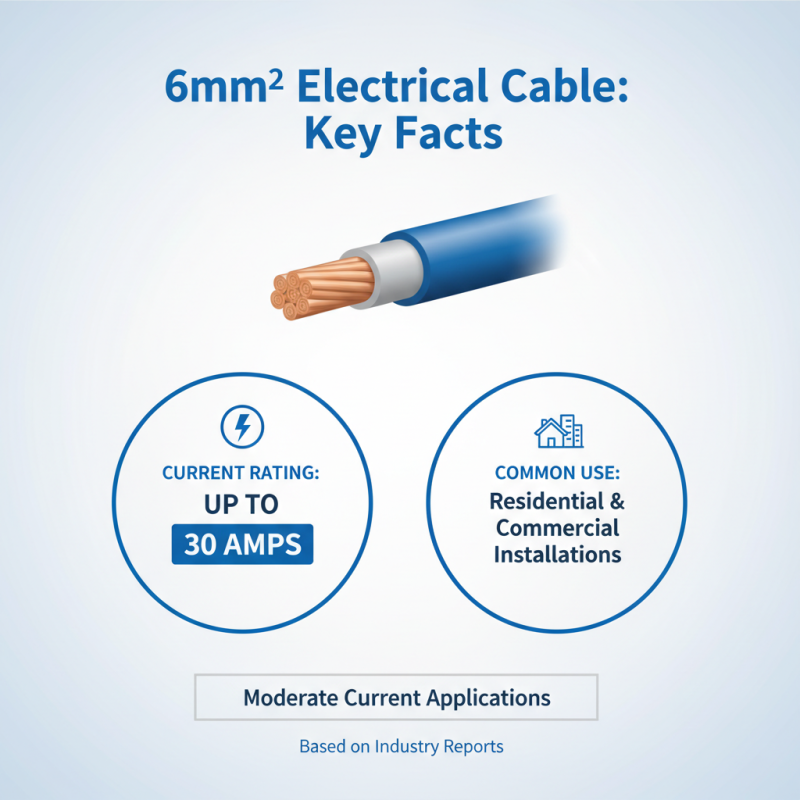
When selecting a 6mm2 cable for electrical needs, it's crucial to understand the role it plays. This cable size is commonly used for moderate current applications. According to industry reports, a 6mm2 cable can typically handle up to 30 amps, making it suitable for various residential and commercial installations.
Identifying your power requirements is essential. Consider the distance between the power source and the application. Longer distances may lead to voltage drop issues. For instance, a 6mm2 Solar Cable, depending on the length, might need to be evaluated for efficiency. It’s wise to consult installation guidelines to ensure proper cable size is selected.
Tips: Always check the amperage ratings. Ensure the cable matches the requirements of your devices. If you’re unsure, it’s better to err on the side of caution and choose a thicker cable. Remember, while maximum ratings exist, continuous use at these levels may not be optimal. Consistent high loads can lead to overheating.
Ultimately, reflect on your specific needs. Not all installations require a 6mm2 cable. Personal and environmental factors can influence your choice. Take the time to analyze your situation. The right cable choice makes a difference.
When choosing 6mm2 cables, consider the type of insulation carefully. PVC and XLPE are two popular options. PVC, or polyvinyl chloride, is known for its flexibility. It is affordable and widely used in residential settings. However, PVC has a lower heat tolerance. In high-temperature environments, it may not perform well.
On the other hand, XLPE, or cross-linked polyethylene, is more durable. It can withstand higher temperatures and harsh conditions. This makes it suitable for industrial applications. XLPE cables are resistant to chemicals and moisture, which enhances their lifespan. They offer better electrical performance as well. Yet, XLPE cables can be pricier.
Think about your specific needs. Will the cable be exposed to extreme temperatures? Is flexibility crucial for installation? Reflect on the advantages of each type. Weigh the costs against your requirements. Making the right choice now can prevent issues later. Choosing the right 6mm2 cable might seem straightforward, but it requires careful consideration.
When evaluating the length and route for installing a 6mm² cable, there are several factors to consider. The distance between the power source and the end device is crucial. For instance, longer runs can lead to voltage drop, reducing efficiency. Data from the Electrical Safety Council indicates that a voltage drop of more than 5% can be detrimental to device performance. This is particularly vital for applications like Solar Cable installations, where efficiency is key.
Route selection can impact installation directly. Cables should be routed away from potential interference, like motors or heavy machinery. In urban installations, obstacles may necessitate longer cable runs. This can increase resistance and energy loss. It's essential to utilize a path that minimizes these issues while maintaining safety and accessibility.
Consider using insulation types appropriate for the environment. Cables exposed to moisture should have robust insulation to prevent degradation. Ratings for ambient temperature also matter. If the chosen route has extreme temperatures, performance may falter. Research indicates that maintaining optimal conditions prolongs cable life significantly. Reflections on these aspects can guide more effective installations, addressing both performance and safety concerns.
When selecting the right 6mm2 cable, temperature ratings play a crucial role. Cables are more than just copper wires; they need to withstand specific conditions. A cable exposed to high heat should be rated accordingly. Heat can cause insulation to break down. In damp environments, moisture exposure is a concern. Look for cables that can handle humidity well.
Environmental factors also matter significantly. For outdoor use, UV resistance is a must. Cables must endure sunlight without deteriorating. In industrial settings, abrasions from equipment can be an issue. Choose cables with strong protective sheaths. If in doubt, consult the specifications. Sometimes, people forget the 4mm2 Cable options. They might be a better match for some applications.
Understanding these factors can feel overwhelming. Different installations may demand different solutions. Regular checks can help avoid failures. Strategies for improving longevity should be in place. Think about how cables will interact with the environment. Making these choices carefully may prevent costly breakdowns later.
| Parameter | Details |
|---|---|
| Current Rating | Up to 40A for ambient temperature of 30°C |
| Cable Type | PVC Insulated, XLPE Insulated |
| Temperature Rating | -15°C to 90°C |
| Environmental Factors | Moisture, UV exposure, chemicals |
| Application | Residential, Commercial, Industrial wiring |
| Length Options | Available in 1m, 5m, 10m, and custom lengths |
When it comes to choosing a 6mm2 cable, budget and quality are key factors. Many assume cheaper cables are sufficient. However, low-cost options often compromise safety and durability. It's essential to select a cable that balances price and performance. Make sure to check the specifications carefully.
Tips for assessing quality include looking at the material. Copper cables typically offer better conductivity than aluminum ones. Take time to compare the insulation type as well. Certain materials resist heat better and enhance safety. Don't ignore customer reviews; they provide insights on long-term performance.
Consider your specific needs as well. If the cable is for high-demand applications, investing more upfront may save you from future costs. Sometimes, saving a few bucks means risking equipment failures. Calculate the total cost of ownership, not just the purchase price. This reflection can guide you in making informed choices.
When selecting a 6mm2 cable, compliance with local wiring regulations is crucial. Different regions have specific rules. These rules may dictate insulation type, installation practices, and safety standards. Not adhering to these can lead to serious safety risks. Before you purchase, check local requirements. Make sure your cable choice aligns with these guidelines.
Considering the application is essential. For example, if using it for a Solar Panel Cable, ensure it withstands environmental conditions. UV resistance, temperature tolerance, and water exposure are key factors to evaluate. Cut corners here could result in failures or hazards. Reflect on the long-term use and maintenance of the cable. Think about how often it will be exposed to wear.
Inadequate research might lead to missteps. Look at the size, type, and application again. Consider consulting with professionals if unsure. It's better to ask than to risk unsafe installations. Mistakes in the beginning can have lasting consequences. Take the time to understand your needs and regulations.
: The product aims to improve daily convenience. It facilitates specific tasks effectively.
It is designed for a wide audience. Both beginners and seasoned users can benefit.
Operation is user-friendly. Basic instructions are included for easy understanding.
Yes, it is suitable for outdoor use. However, avoid extreme weather conditions.
It is generally safe, but supervision is advised. Keep small parts away from younger children.
Cleaning requires mild soap and water. Avoid harsh chemicals to maintain quality.
The product is made from durable materials. Check the specifics in the manual.
Yes, it may not perform well in certain environments. Reflect on your specific needs before purchasing.
If it malfunctions, check troubleshooting tips in the manual. Seeking professional help may be necessary.
Return policies may vary. Review the guidelines to understand your options for returns.
Choosing the right 6mm2 cable is essential for ensuring optimal performance and safety in electrical installations. The process begins with a fundamental understanding of what 6mm2 cables are and their potential applications in various scenarios. It's crucial to identify specific electrical needs and requirements to ensure the selected cable can handle the intended load.
When selecting a 6mm2 cable, considerations such as the type—PVC or XLPE—play an important role in determining its suitability for your environment. Additionally, evaluating the installation route, temperature ratings, and environmental factors will impact the longevity and efficiency of the cable. Balancing budget with quality is also vital, as investing in reliable cables can prevent future complications. Finally, ensuring compliance with local wiring regulations and standards must not be overlooked to maintain safety and legality in electrical work.