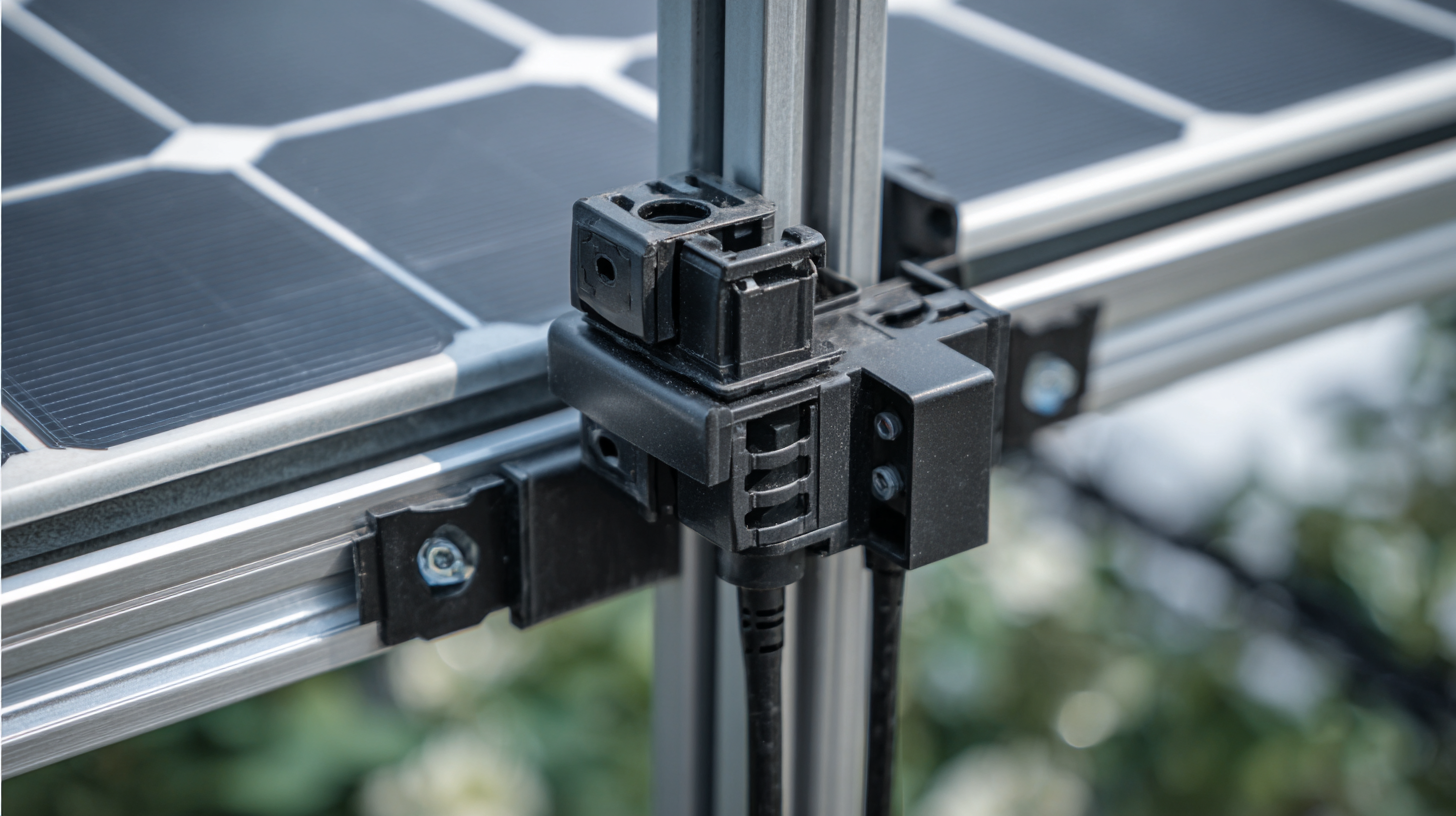
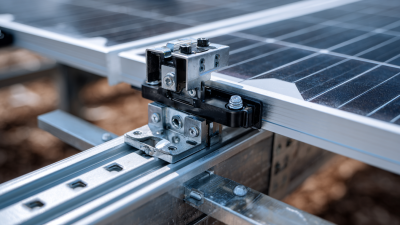
In the fast-growing world of solar energy, picking the right photovoltaic connector plug is more important than you might think. Did you know that, according to the International Renewable Energy Agency (IRENA), the global solar power capacity topped 850 GW in 2022? That just shows how much we’re relying on smarter, more efficient tech to get the most out of the sun. Companies like Qc Solar really stand out here—they live by the motto ‘Quick, Professional, Customer Delight’—and they’re making a difference. By focusing on top-notch solar storage connections, QC Solar wants to help push the industry—and society—toward a greener, more sustainable future. Choosing the right photovoltaic connector plugs isn’t just about boosting performance; it also helps your solar system last longer and stay reliable. Ultimately, it’s all about moving towards a cleaner energy world, one connection at a time.
Understanding Different Types of Photovoltaic Connector Plugs Available in the Market
When you're choosing the right photovoltaic connector plug, it’s pretty important to get a good sense of the different types out there. Trust me, understanding what’s available can really help you get the most out of your solar setup. For example, MC4 Connectors are super common and are loved for how easy they are to work with and their dependable performance. I read somewhere—something from Allied Market Research—that the global market for these kinds of connectors might hit around $1.5 billion by 2027. That’s mainly because more folks around the world are jumping on the solar bandwagon. MC4s are especially popular because they fit a ton of different solar panels and can handle weather conditions pretty tough — so they last longer and keep things running smoothly.
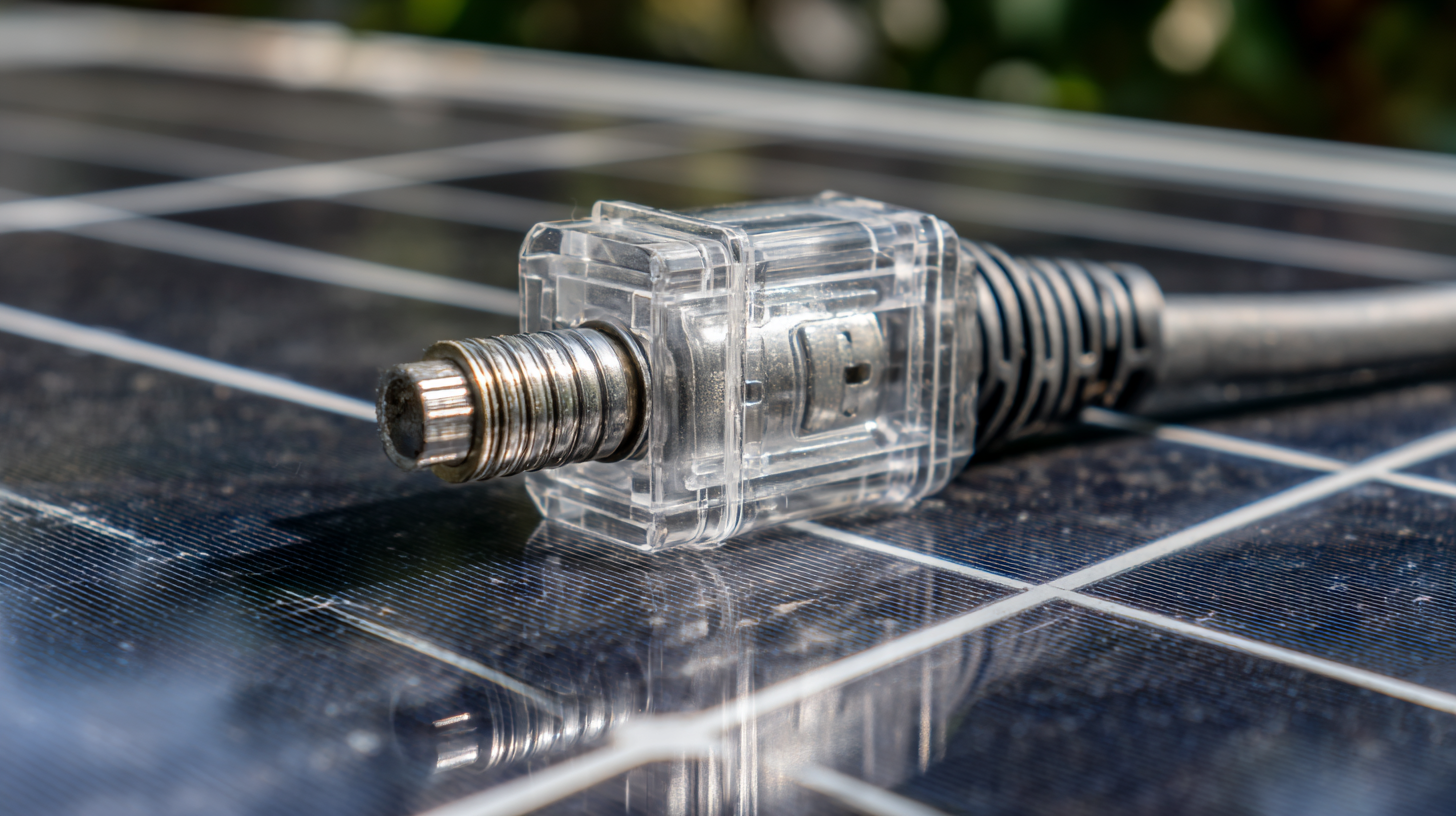
Then there’s the Amphenol H4 connector, which is another big player. It’s known for handling high currents and having some extra safety features. This one’s especially great if you're working on larger solar projects where every bit of reliability counts. The International Energy Agency even pointed out that using more efficient connectors could boost the overall performance of your solar system by up to 5%. So, knowing the ins and outs of these options isn’t just for nerdy tech stuff — it actually helps you make smarter choices, keeps your system working at its best, and makes sure you’re getting the most bang for your buck.
Key Factors to Consider for Maximum Solar System Efficiency
When you're picking out photovoltaic connector plugs to get the most out of your solar system, there are a few important things you should keep in mind. First off, compatibility is key—no surprises there. A report from the National Renewable Energy Laboratory (NREL) actually mentions that using mismatched connectors can cause more resistance and energy loss, which might cut down your system's efficiency by up to 5%. So, it's really worth choosing connectors that not only fit your panels properly but are also suited for the specific weather conditions at your installation site.
Another thing to consider is the quality of the connectors themselves. Materials like gold-plated contacts and tough, UV-resistant housings are a smart investment—they help prevent the connectors from degrading too quickly over time. According to a study published in the Journal of Photovoltaics, connectors that meet IEC 62852 standards can boost overall energy output by ensuring a more reliable connection, reducing risks like corrosion and wear that can cause power loss. Basically, going for durable, well-made connectors can really pay off in the long run, making your solar power system more reliable and efficient down the line.
Compatibility and Standardization: Choosing Plugs for Your Solar Panels
Picking the right photovoltaic connector plug really matters if you want your solar panels to work at their best. You see, making sure these connectors are compatible and follow standard guidelines is a big deal—it helps everything fit together smoothly and keeps things running efficiently. A recent report from the National Renewable Energy Laboratory (NREL) mentioned that using non-standard connectors can sometimes cause up to a 5% drop in energy output. That’s pretty significant! So, going for trusted, industry-standard plugs like the MC4 can help cut down on those losses and make your system more reliable overall.
When you're choosing connectors, it’s super important to match them with your solar panels and inverter specs. I read a market analysis from Fortune Business Insights in 2022 that pointed out nearly 30% of solar system failures are down to connector problems. Yikes! That’s why sticking with standard, recognized connectors isn’t just about longevity—it also makes your system safer to use. Plus, if you’re working in regions with strict solar regulations, using certified connectors can make certification easier and even help with future upgrades or expansions. All in all, choosing the right connectors really makes a big difference—both in performance and peace of mind.
Compatibility and Performance of Photovoltaic Connector Plugs
Evaluating Durability and Weather Resistance in Connector Plugs
When you're picking out photovoltaic connector plugs for your solar setup, it's super important to think about duralibity and how well they stand up to the weather. I came across a report by the International Electrotechnical Commission (IEC) that highlights how connector plugs face all sorts of environmental factors — like UV rays, humidity, and really extreme temps. So, choosing sturdy connectors made from good stuff like polycarbonate or thermoplastic elastomer (TPE) is a smart move because they can handle sun exposure without breaking down over time. That way, your solar system stays reliable for longer.
Oh, and don’t forget about weather resistance — that’s where the ingress protection (IP) rating comes into play. Basically, it tells you how well the connector keeps out dust and water. Some research in the Journal of Solar Energy Engineering points out that connectors with an IP67 rating are pretty much dust-proof and can handle being submerged in water up to a meter deep for half an hour. Picking connectors with at least that standard can really boost your system’s efficiency and lifespan.
Bottom line? Make sure to double-check the specs and certifications before you make your choice — it really makes a difference.
Installation Tips for Optimal Performance and Energy Transfer
When you're installing photovoltaic connectors for your solar setup, it's really important to do it right. A proper installation not only makes sure everything stays connected reliably but also helps your system run at its best. Before you dive in, take some time to get familiar with the specs of your connectors and make sure they’re compatible with your solar panels—that way, no surprises later on.
Here are a few things to keep in mind: First off, always clean the connector surfaces before hooking them up—dust and dirt can mess with conductivity. Next, when tightening those connectors, use the torque settings recommended by the manufacturer—this keeps them snug without risking any damage. And don’t forget about the weather! If your system's out in the sun or rain, it’s worth choosing connectors with UV-resistant materials to prevent wear and tear over time.
Follow these simple tips, and your solar system will work much better. Fixing up your photovoltaic connectors properly from the start means you're more likely to get maximum energy transfer and keep everything running smoothly in the long run.
Common Mistakes to Avoid When Selecting Photovoltaic Connector Plugs
When you're choosing photovoltaic connector plugs, it's super important to steer clear of some common pitfalls if you really want your solar setup to perform at its best. One mistake I see a lot is people ignoring whether the connectors match their panels and inverters—trust me, it’s a big deal. Every part of your solar system has to work well together; if you use connectors that aren’t compatible, you could end up with lower efficiency or, worse, system problems. So, always double-check the voltage and current ratings before you buy—it's worth the extra minute to make sure everything plays nicely.
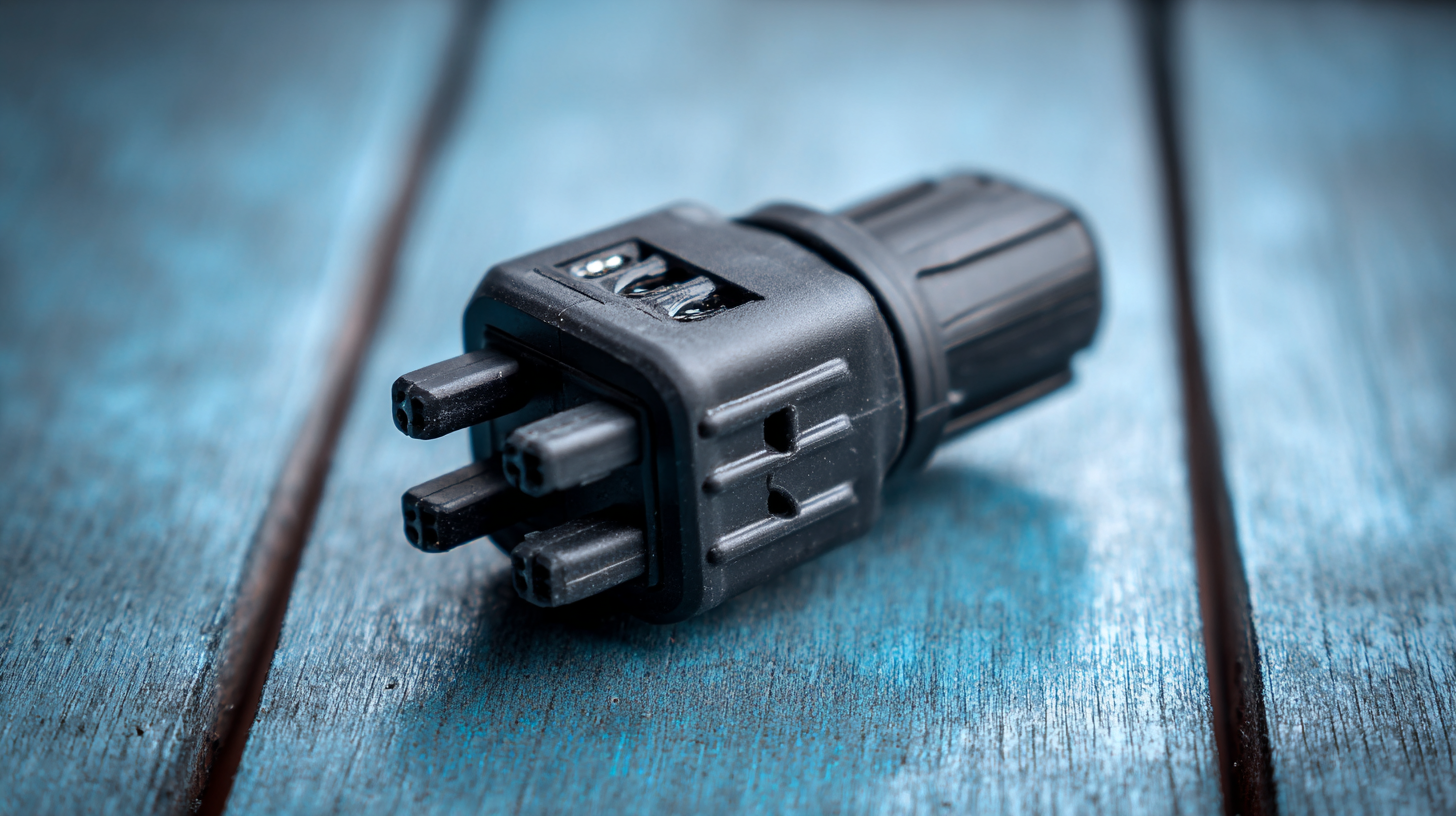
Another thing folks often overlook is the environment where the system’s gonna be. You gotta pick connectors that can handle things like heat, humidity, or UV exposure because if they aren’t rated for those conditions, they’ll wear out way faster. That can seriously impact how much energy you end up generating. Plus, don’t underestimate the importance of quality. Going for those cheap, low-quality plugs might seem like a money-saver upfront, but it often leads to unreliable connections and bigger losses down the line. Spending a bit more on good, reputable brands really pays off over time by keeping your system running smoothly and efficiently.
Overall, just take your time to get the right connectors—think about compatibility, environmental factors, and quality—and you’ll be much better off in the long run.
Innovative Solutions for Sustainable Energy: The Role of Energy Storage Connector EL8/10 in Modern Power Systems
The transition to sustainable energy sources is critical for addressing climate change and ensuring energy security. The integration of advanced energy storage solutions, particularly connectors like the EL8/10, plays a pivotal role in modern power systems. These connectors enhance the efficiency and reliability of energy storage systems, facilitating the growth of renewable energy technologies. According to the International Energy Agency (IEA), energy storage capacity is projected to increase to 500 GWh by 2030, doubling the current capabilities and underscoring the need for robust connector designs.
The EL8/10 connector features a dual button design that prioritizes ergonomics, allowing users to engage and disengage connections with ease. Additionally, its double locking mechanism—comprising an angle lock and a pull-out lock—ensures secure connections, minimizing risks associated with electrical failure. Furthermore, the connector’s positive and negative dulling helps prevent accidental misalignment during installation, which is essential for maintaining operational integrity in high-demand applications.
Moreover, the anti-stripping design of bolts within the EL8/10 connectors addresses common issues related to mechanical wear and tear, thus prolonging the lifespan of energy storage systems. As industries move toward more complex, grid-based renewable energy projects, the reliability of such connectors cannot be overstated. Reports from the U.S. Department of Energy indicate that efficient energy storage solutions can potentially reduce electricity costs by 30% over the next decade, making innovations in connector technology ever more relevant for sustainable energy initiatives.
FAQS
: Durability and weather resistance are paramount. Connectors should be made from high-grade materials like polycarbonate or thermoplastic elastomer (TPE) to withstand environmental challenges such as UV radiation, moisture, and extreme temperatures.
Durable connectors prevent degradation over time by withstanding UV exposure and other environmental factors, ensuring the longevity of solar systems.
The IP rating measures weather resistance, crucial for preventing water and dust penetration. An IP67 rating indicates complete protection against dust and immersion in water up to 1 meter for 30 minutes.
Neglecting compatibility with panel and inverter specifications can result in inefficiencies or system failures. It’s essential to verify the rated voltage and current specifications to ensure optimal performance.
It is essential to select plugs rated for local conditions, including temperature variations, humidity, and UV exposure. Using connectors not designed for the local climate can lead to premature deterioration.
Opting for cheaper, low-quality plugs may save money initially but can lead to significant losses due to unreliable connections, thus affecting the efficiency of the solar energy system.
Users should select connectors that meet or exceed durability and weather resistance standards and thoroughly evaluate the specifications and certifications of the connectors they choose.
High-grade materials such as polycarbonate and thermoplastic elastomer (TPE) are recommended for ensuring durability against environmental challenges.
Improper connector selection can result in system inefficiencies, premature deterioration, and ultimately may affect energy production and reliability of the solar energy system.
Conclusion
Picking the right photovoltaic connector plug really matters if you want your solar system to work its best. In this article, we’ll go over the different types of plugs you can find out there and shine some light on what to look for—things like making sure they’re compatible, standardized, tough enough to last, and resistant to weather. Getting a good grip on these points can help you make smarter choices, which means your solar setup will perform better and transfer energy more effectively. That’s what ultimately leads to more solar power getting produced.
Plus, I’ll share some tips on how to install your connectors the right way and point out common mistakes you definitely wanna avoid when picking out plugs. Stick to some simple professional guidelines, and you’ll be on your way to boosting your solar system’s efficiency and even helping push the industry towards greener, more sustainable goals. At QC Solar, we live by the motto "Quick, Professional, Customer delight"—we’re all about delivering top-notch solutions that make solar tech work better around the world.