In the fast-moving world of solar energy, picking the right Pv Cable Harness really makes all the difference for the success and smooth operation of solar projects. Did you know that, according to the latest report from the International Renewable Energy Agency (IRENA), global solar capacity hit 1,200 GW in 2022? And it’s expected to jump over 3,000 GW by 2030. That kind of growth is pretty incredible, and it highlights just how important quality components like Pv Cable Harnesses are. They’re essential for making sure energy flows reliably and safely.
At Qc Solar, we live by our motto: 'Quick, Professional, Customer Delight.' Our goal? To become a trusted global name in solar storage connection solutions. We’re all in on the industry’s push toward more sustainable practices, and that means choosing the right PV Cable Harness isn’t just a technical detail—it’s a crucial step for ensuring top performance and durability. As more homes and businesses jump into solar tech, understanding the different cable options, their specs, and how they work is more important than ever. By focusing on quality and keeping innovation front and center, we’re doing our part to build a greener, cleaner future in renewable energy.
It's an exciting time for solar, and we're just getting started!
Understanding PV Cable Harness Fundamentals for Solar Projects
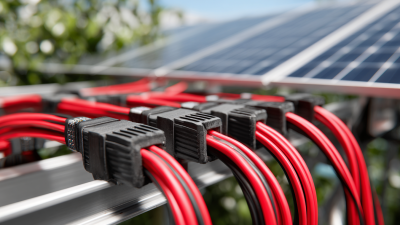
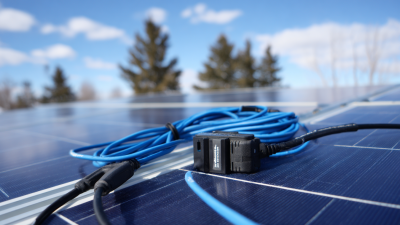
When embarking on a solar project, understanding the fundamentals of PV cable harnesses is crucial for ensuring optimal performance and reliability. PV cable harnesses serve as the backbone of solar energy systems, connecting solar panels to inverters and other components. They are composed of multiple cables bundled together, designed to streamline installation, reduce wiring clutter, and enhance efficiency. Knowledge of materials, configurations, and compatibility is essential in selecting the right harness that can withstand environmental stressors while maintaining electrical integrity.
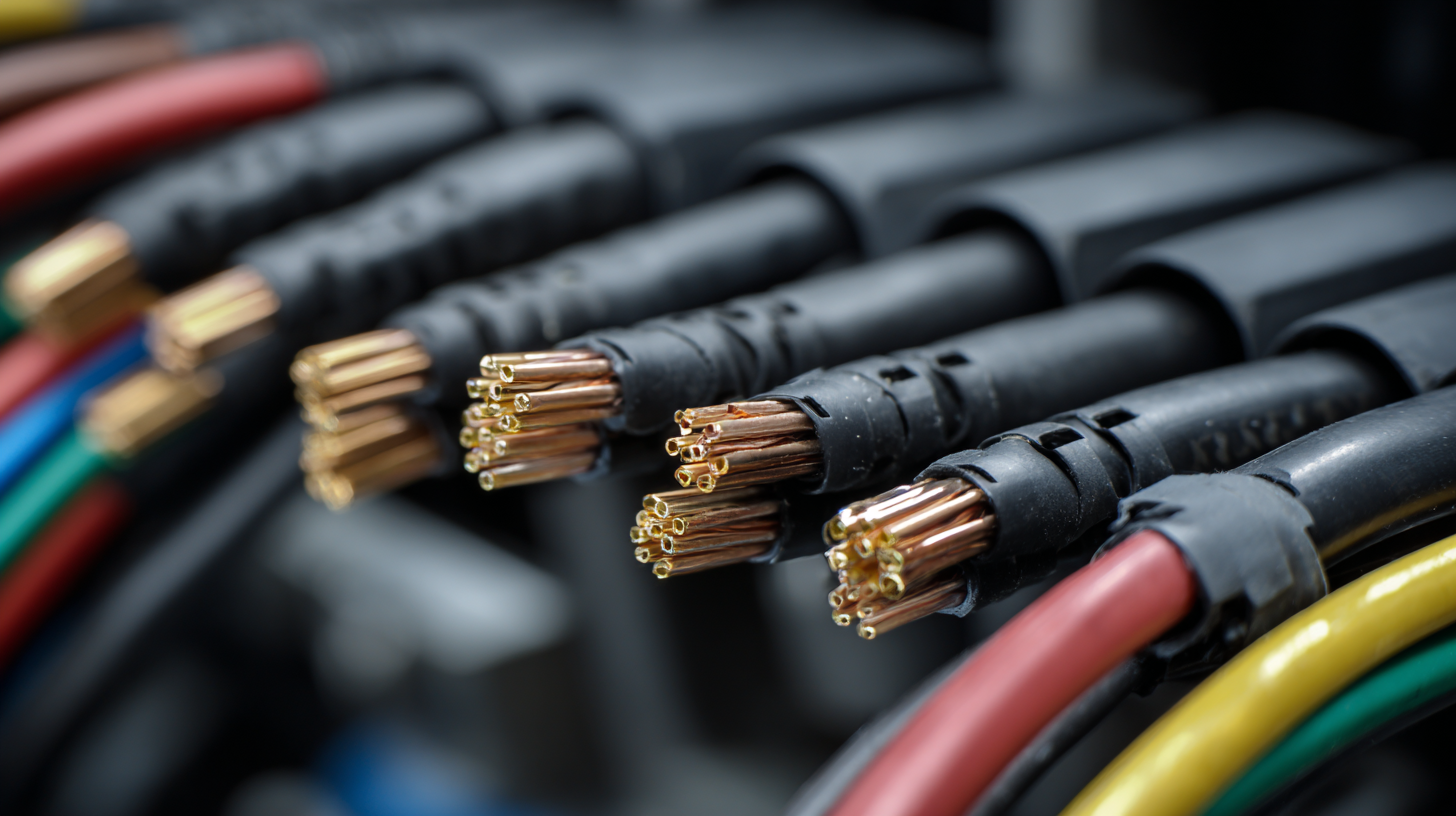
Key factors to consider include the cable gauge, insulation type, and weather resistance. The gauge affects the current-carrying capacity, which is vital for system performance, whereas high-quality insulation protects against UV exposure and moisture—common threats in outdoor settings. Additionally, an understanding of the specific requirements of your solar project, such as the voltage and array layout, can help in choosing a harness that minimizes energy losses. By thoroughly grasping these fundamentals, solar installers can enhance both the durability and efficiency of the entire system, leading to a more successful solar energy initiative.
Key Factors to Consider When Selecting PV Cable Harnesses
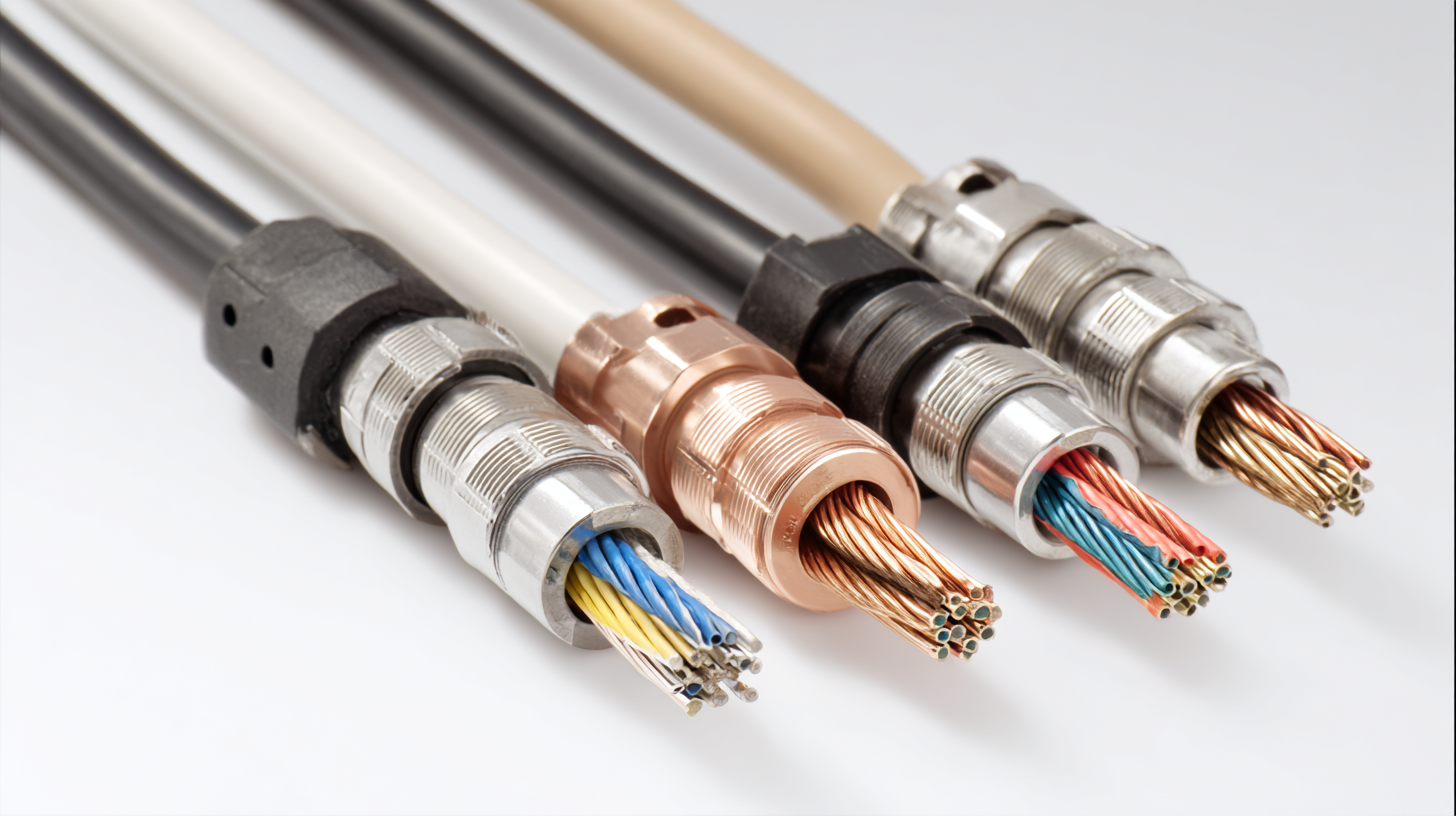
When selecting a PV cable harness for your solar project, several key factors should be taken into account to ensure optimal performance and longevity. First, consider the environment in which the harness will be installed. Factors such as temperature ranges, humidity levels, and potential exposure to UV radiation can significantly impact the durability of the materials used. High-quality, UV-resistant insulation and robust connectors are crucial for harnesses that will face outdoor conditions.
Another important factor is the cable size and type. The diameter of the wire determines the current-carrying capacity, so it's essential to calculate the electrical load accurately to prevent overheating or energy loss. Additionally, choose cables that comply with local regulations and standards, such as those set by the National Electrical Code (NEC) or the International Electrotechnical Commission (IEC). Finally, consider the ease of installation and maintenance. A well-designed harness should allow for straightforward connections and future upgrades, ensuring your solar project remains efficient and effective over time.
Top Features of High-Quality PV Cable Harnesses for 2025
When selecting a PV cable harness for your solar project, the quality of the harness is paramount. In 2025, top features will include high-temperature resistance, UV protection, and robust mechanical strength. These components are essential for ensuring the longevity and efficiency of solar systems, particularly in varied environmental conditions. A well-designed cable harness not only enhances the performance of the solar installation but also minimizes maintenance costs and increases overall reliability.
At QC Solar, we understand the critical role that high-quality cable harnesses play in the success of solar endeavors. Our commitment to excellence aligns with our philosophy of being quick, professional, and customer-centric. By investing in advanced technologies and adhering to stringent quality standards, we strive to provide PV cable harnesses that support the sustainable development of the solar industry. Our goal is to not only meet but exceed the expectations of our customers, ultimately contributing to a greener future.
How to Choose the Right PV Cable Harness for Your Solar Project - Top Features of High-Quality PV Cable Harnesses for 2025
| Feature | Description | Importance Level | Recommended Material |
| Temperature Resistance | Ability to perform across a range of temperatures | High | XLPE or PVC |
| UV Resistance | Ability to withstand UV exposure without degradation | High | Sunlight-resistant materials |
| Flexibility | Ability to bend and maneuver without breaking | Medium | TPE |
| Current Carrying Capacity | Maximum current the cable harness can safely carry | High | Copper conductors |
| Connector Compatibility | Fitment with various types of panel connectors | High | MC4 connectors preferred |
Comparing Different Materials for PV Cable Harness Durability
When selecting a PV cable harness for your solar project, understanding the durability of various materials is crucial. Materials commonly used in PV cable harnesses include PVC, XLPE, and TPE. PVC is popular due to its cost-effectiveness and decent insulation properties, but it may not hold up well under extreme conditions, leading to potential degradation over time. In contrast, XLPE offers superior thermal resistance, making it an ideal choice for high-temperature environments, ensuring longevity and better performance.
Tips for choosing the right material include assessing the environmental conditions your solar project will face. If your installation is located in a location prone to harsh weather, opt for XLPE or TPE, which provide better resistance to UV light, moisture, and extreme temperatures. Additionally, consider the wire gauge; thicker wires can handle more current and may enhance the overall durability of the harness.
Furthermore, ensure that the connectors used in your cable harness are compatible and designed with robust materials. High-quality connectors can prevent issues related to corrosion and ensure a secure connection, significantly impacting the efficiency and lifespan of your solar system.
Installation Tips for Optimal Performance of PV Cable Harnesses
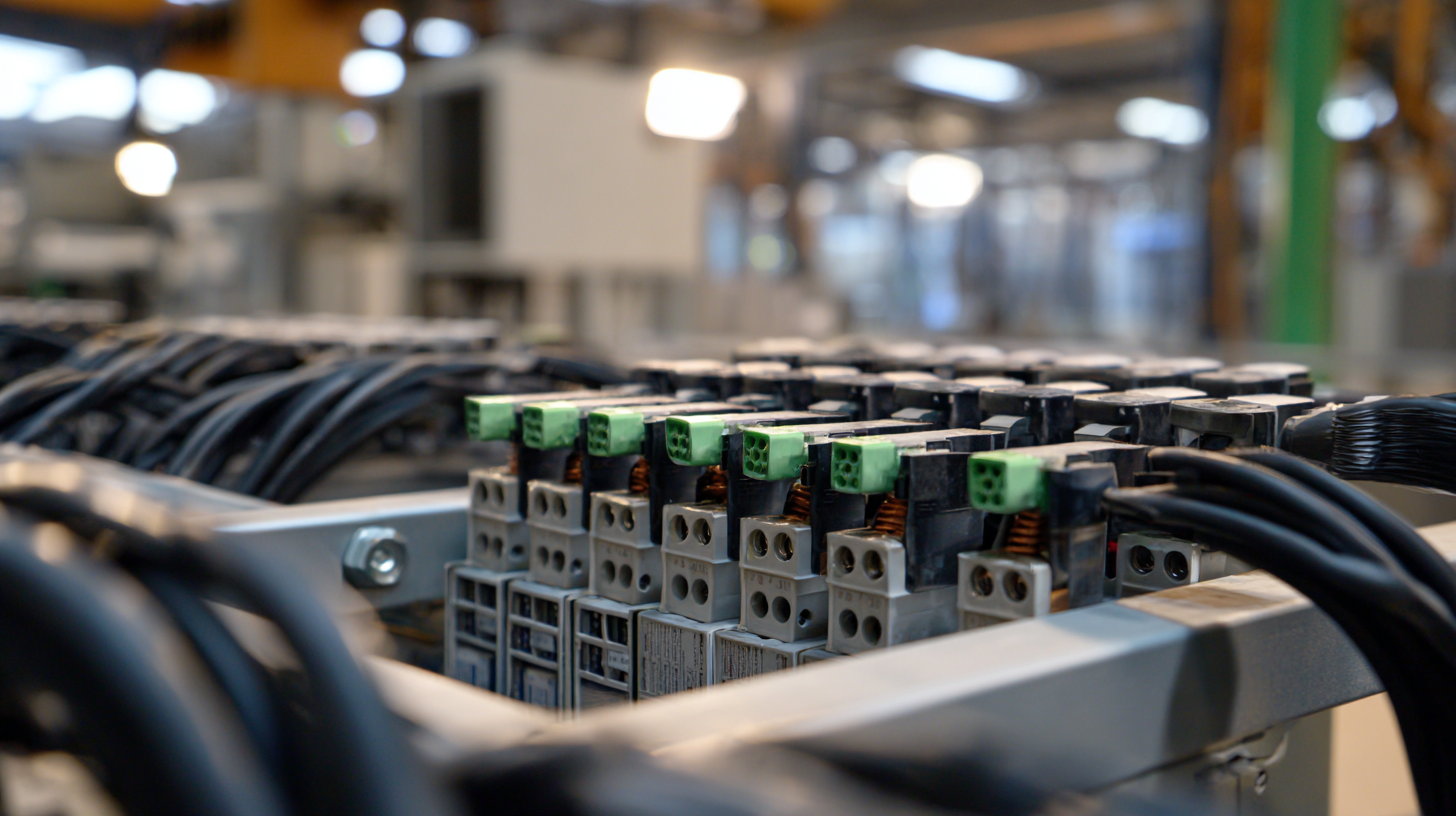
When installing a PV cable harness for your solar project, attention to detail is crucial for ensuring optimal performance. First and foremost, proper cable management is essential. Keep cables organized and secured to prevent any abrasion, kinking, or exposure to excessive heat. Utilizing cable ties and conduits not only enhances safety but also significantly extends the lifespan of your harness.
Another key consideration is selecting the right size and type of cables. It is vital to match the current rating of your solar system with cables that can handle the load without overheating. Additionally, ensure that the cables are UV-resistant and suitable for outdoor use, as they will be exposed to various environmental factors. Regularly inspect connections and junctions for signs of wear and tear, since loose or corroded connections can lead to efficiency losses.
Lastly, always pay attention to the installation layout. Optimize the routing of your cables to minimize voltage drop and interference. Short, direct runs are preferable wherever possible. Aligning your installation process with these tips can lead to enhanced energy production and reliability of your solar power system.
Future Trends in PV Cable Harness Technology and Design
As the solar energy market evolves, so do the technologies surrounding photovoltaic (PV) cable harnesses. Future trends indicate a shift toward more efficient materials and designs that enhance performance while reducing costs. Innovative approaches, such as the development of flexible and lightweight cables, promise to make installation easier and more cost-effective. Additionally, advancements in smart cable technology, integrated with monitoring systems, will allow for real-time performance tracking and diagnostics, ensuring optimal energy production.
When selecting a PV cable harness, consider the following tips: First, prioritize materials that offer high resistance to UV radiation and environmental stress, as durability is crucial for long-term performance. Second, opt for designs that reduce the risk of shading and interference, as efficiency can significantly impact your project's energy output. Lastly, stay informed about regulatory changes in cable specifications to ensure compliance and maximize safety.
In summary, the ongoing innovation in PV cable harness technology not only enhances efficiency and reliability but also presents opportunities for significant cost savings in solar projects. Keep an eye on these trends to make informed decisions for your solar investment.
FAQS
: PV cable harnesses are collections of multiple cables bundled together that connect solar panels to inverters and other components. They are important for optimizing performance and reliability in solar energy systems.
Key factors include cable gauge, insulation type, and weather resistance. These elements affect current-carrying capacity, protection from UV exposure and moisture, and overall compatibility with the solar project's requirements.
The cable gauge affects the current-carrying capacity; selecting the appropriate gauge is vital for ensuring system performance without overheating or energy losses.
Key installation tips include proper cable management to prevent abrasion and overheating, selecting the right cable size, ensuring UV-resistance, and regularly inspecting connections for wear.
Proper cable management helps prevent issues such as abrasion, kinking, and exposure to excessive heat, which can lead to damage and reduced lifespan of the harness.
Voltage drop can be minimized by optimizing the routing of cables, preferring short and direct runs wherever possible to reduce interference and enhance energy production.
Regular inspections should focus on connections and junctions for signs of wear and tear, as loose or corroded connections can lead to efficiency losses in the solar system.
High-quality insulation protects the cables from environmental stressors such as UV exposure and moisture, which are critical for maintaining electrical integrity and longevity in outdoor settings.
It is vital to match the cable type to the current rating of the solar system to ensure that the cables can handle the load without overheating, which can lead to safety hazards and inefficiency.
Assess the project's voltage and array layout to choose a harness that minimizes energy losses and meets the performance criteria of the solar installation.
Conclusion
Choosing the right PV Cable Harness is crucial for the efficiency and reliability of solar projects. Understanding the fundamentals of PV Cable Harnesses includes recognizing key factors such as material durability, installation techniques, and essential features that ensure long-lasting performance. As we move into 2025, high-quality PV Cable Harnesses will incorporate advancements in technology and design, addressing the growing demands of the solar industry.
At QC Solar, we emphasize the importance of selecting the correct PV Cable Harness to align with our commitment to quick, professional service and customer satisfaction. By staying abreast of future trends, we aim to contribute to the sustainable development of the solar sector, ensuring that our solutions not only meet current needs but also pave the way for a greener tomorrow.