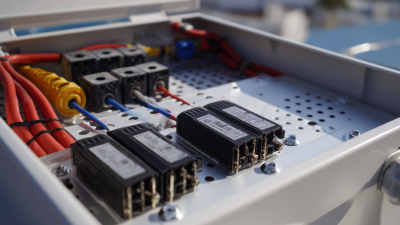
You know, as the solar energy scene keeps evolving, picking the right PV combiner box is honestly a pretty big deal. The global solar market is projected to hit over $223 billion by 2026, according to Allied Market Research. As more folks jump into solar setups, the need for reliable and efficient parts just keeps growing. And the PV combiner box? It’s kinda the unsung hero here — it pulls together all those solar panel strings into one main output, which helps make the whole system more dependable.
But here’s the thing — a lot of people don’t really realize how important this little box actually is. A 2021 study by NREL pointed out that if you pick the wrong PV combiner box, it can cause some serious hiccups in how well your system runs. Things like voltage ratings, current capacity, and environmental factors are super important when choosing one. Get those specs wrong, and it’s not just performance that suffers — safety could be at risk too. So, it’s really important to match your combiner box with your specific project needs. Sometimes folks overlook this, and that can mean bigger costs down the road.
Also, if you’re considering integrating a Solar Junction Box— especially for connecting Dc Cables — be careful. Poor splice connections can damage your system, which is a pain you really want to avoid. Focus on choosing parts that are durable and efficient. Making the wrong call on these components can slow down your progress in reaching renewable energy goals. So, understanding both the technical details and practical aspects of a PV combiner box is key to keeping your system running smoothly and helping pave the way for a greener future.
Understanding the Role of PV Combiner Boxes in Solar Systems
In solar photovoltaic (PV) systems, the PV combiner box plays a vital role in enhancing efficiency and safety. It combines outputs from multiple solar panels, simplifying connections and reducing cable clutter. According to recent industry reports, a well-designed combiner box can minimize power loss by up to 5%. This efficiency boost is crucial as many solar systems aim for lower energy production costs and higher output.
Choosing the right PV combiner box involves understanding your system’s specific needs. The size, number of inputs, and protective features, such as fuses or circuit breakers, should align with your setup. Proper selection helps avoid issues like overloading. It can also improve the longevity of components like the Junction Box Pv Module, ensuring reliable operation for years.
Tip: Regular maintenance of your combiner box, including checking connections and fuses, can prevent unexpected failures. Monitor system performance to identify any drop in efficiency, as this may indicate an underlying issue. Evaluate the environment where your solar panels and combiner box are installed, as harsh conditions can impact performance.
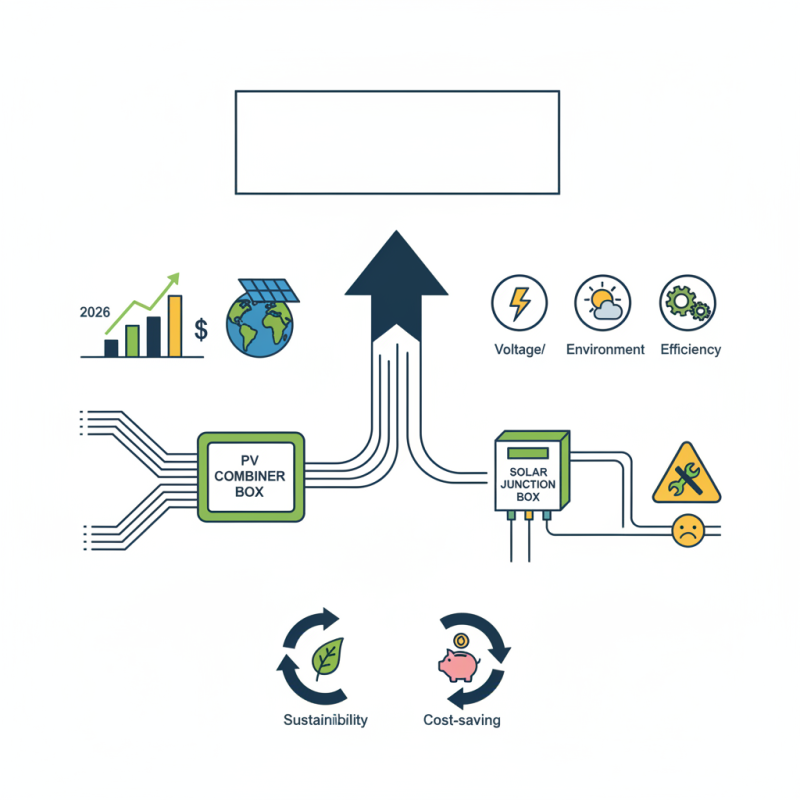
2026 How to Choose the Right PV Combiner Box for Your Needs?
This chart illustrates the various parameters to consider when selecting a PV combiner box for solar energy systems, focusing on key attributes such as maximum input current, voltage rating, number of inputs, and environmental ratings.
Key Factors to Consider When Selecting a PV Combiner Box
When selecting a PV combiner box, several critical factors must be considered. One of the most important aspects is the required voltage rating. The industry standard often ranges from 600V to 1000V. According to a recent report by the International Energy Agency, improper voltage management can lead to efficiency losses of up to 20%. Choosing a box that handles the appropriate voltage can mitigate this risk significantly.
Another vital consideration is weatherproofing. PV systems often face harsh environmental conditions. A reliable combiner box should have a high ingress protection (IP) rating, ideally IP65 or above. This ensures protection against dust and water. Reports indicate that boxes without adequate weatherproofing can fail prematurely, affecting system performance. Also, examine the materials used. Boxes made from durable materials like aluminum or high-grade plastics are less likely to corrode.
Lastly, consider scalability for future expansions. A combiner box that allows easy additions can save time and costs in the long run. While it may seem easier to choose a smaller box, it can lead to complications later. Flexibility in wiring and connections is crucial here. Overall, making these informed decisions will lead to a more efficient and durable solar energy setup, ensuring the longevity of components like the Pv Junction Box.
Evaluating Input and Output Ratings for PV Combiner Boxes
When evaluating PV combiner boxes, the input and output ratings are crucial. The input rating determines how many photovoltaic (PV) panels can be connected. For instance, if you plan to connect 10 panels, ensuring the input capacity meets this requirement is vital. A mismatch can lead to performance issues or even damage.
The output rating is equally important. It indicates the amount of current the combiner box can handle safely. For example, a combiner box rated for 40 amps is suitable for certain configurations of PV panels. However, exceeding this limit could result in overheating or failures.
Pay attention to the voltage ratings as well. Different Pv Panel Junction Boxes have various voltage capacities. Ensuring compatibility with your system prevents complications. Choosing the right combiner box isn't always straightforward, and it may require some reflection on your specific energy needs. Balancing input and output ratings effectively can enhance system reliability and efficiency.
Importance of Overcurrent Protection in PV Combiner Boxes
Overcurrent protection plays a vital role in the performance and safety of solar PV systems. According to a report by the National Renewable Energy Laboratory, improper management of overcurrent can lead to significant system failures. Inadequate protection may result in equipment damage, reduced efficiency, and increased maintenance costs. Thus, understanding the nuances of overcurrent protection is crucial when selecting a PV combiner box.
The appropriate size of fuses or circuit breakers is essential for effective overcurrent protection. Industry standards often recommend that these devices should be rated to handle at least 125% of the maximum current expected from the array. Data from the Solar Energy Industries Association suggests that over 40% of solar installations lack adequate overcurrent protection. This oversight can expose systems to unforeseen risks, leading to costly repairs or replacements. Designers must carefully calculate the expected load and choose devices that align with these parameters to mitigate risks effectively.
Moreover, not all PV combiner boxes are created equal when it comes to overcurrent protection. Some may offer advanced features, such as Remote Monitoring or automated disconnects. However, they may introduce complexity that could result in operational errors. Therefore, a comprehensive understanding of both the technical requirements and user needs is necessary. Balancing simplicity with safety can make a critical difference in long-term performance and reliability. This decision should not be overlooked.
Assessing the Environmental Ratings and Durability Standards
When selecting a PV combiner box, understanding environmental ratings is crucial. These ratings indicate how well the box can withstand various conditions. Look for ratings that assess both thermal and water resistance. Ideally, choose a box with a high IP (Ingress Protection) rating to ensure dust and moisture cannot penetrate. This protects your investment long-term.
Durability standards are equally important. A robust combiner box will have features like reinforced housing and UV-resistant materials. These elements help it withstand harsh weather conditions and extend its lifespan. It's vital to consider the area where the box will be installed. Harsh environments demand more durable options.
Tips: Always check for certification labels. These often indicate compliance with safety protocols. Consider local climate when making your choice. A box suitable for a mild climate may not hold up under extreme temperatures. Think about future expansion. Choosing a box that can accommodate additional strings may save costs later.
Comparing Centralized vs. Modular PV Combiner Box Solutions
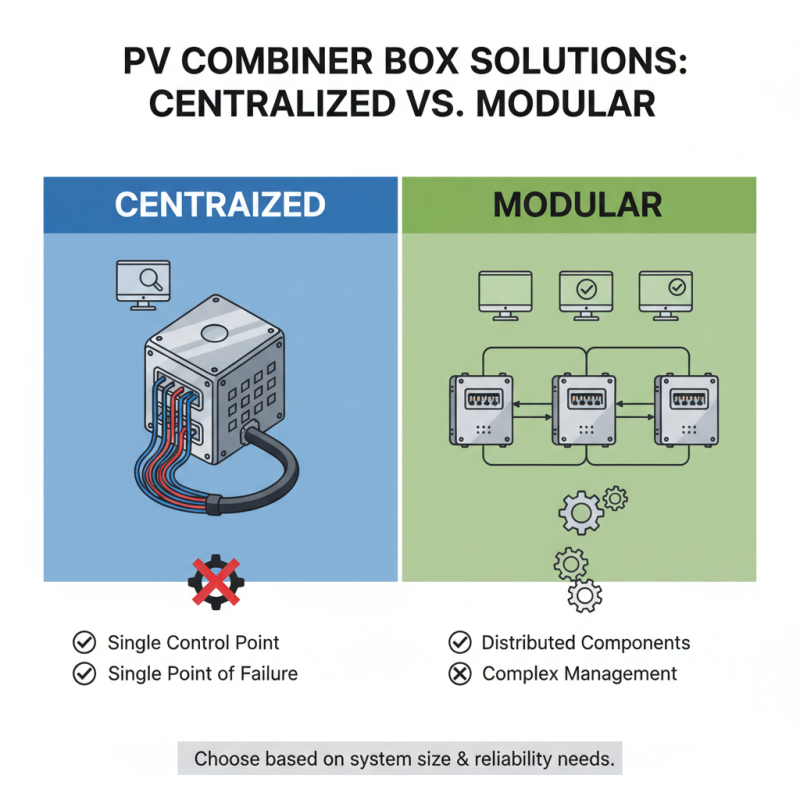
When considering PV combiner boxes, your choice can significantly impact your solar system's performance. Centralized and modular solutions are two popular options, each with its advantages and drawbacks. Centralized combiner boxes offer a single point of control, which can make monitoring and management easier. However, they can also represent a single point of failure. Conversely, modular systems break down components, which enhances reliability but can complicate overall management.
**Tip:** Assess how much space you have. Centralized boxes may require larger footprints, while modular solutions allow for expansion in tight settings.
Performance is crucial. A well-designed Photovoltaic Junction Box integrates seamlessly with your solar panels. If you choose a centralized solution, ensure that it can accommodate your system’s total output. For modular solutions, verify that individual components are easy to replace and upgrade. The ease of maintenance is vital for long-term efficiency.
**Tip:** Always consult with an expert. Their insights can help you understand technical details and prevent costly mistakes. Use their knowledge to inform your decision, especially if you’re unsure about the best type for your needs.
Cost Analysis and Return on Investment for PV Combiner Boxes
When evaluating PV combiner boxes, understanding costs and return on investment is crucial. A detailed report from the Solar Energy Industries Association (SEIA) states that the average cost of solar installations in the U.S. has dropped by over 80% since 2010. This price reduction extends to the components, including combiner boxes, which play a vital role in optimizing energy collection.
The right combiner box can significantly influence system performance. A well-designed box can minimize losses and improve efficiency. Data shows that by reducing DC losses, an effective combiner box can enhance the energy yield by up to 10%. This gain translates directly into increased savings. However, the initial investment must be carefully considered against long-term benefits.
While many manufacturers claim high efficiency, not all products deliver as promised. It's essential to analyze specifications and conduct a thorough cost-benefit analysis. Factors to include are installation expenses, expected lifespan, and maintenance needs. Engaging with industry reports and seeking expert advice can provide insights into selecting box designs that suit specific requirements, maintaining reliability and profitability over time.
Conclusion
When selecting a PV combiner box for solar systems, it is essential to understand its critical role in optimizing energy collection from solar panels. Key considerations include evaluating the input and output ratings to ensure compatibility with your solar array, along with assessing environmental ratings and durability standards to guarantee performance under local conditions. Overcurrent protection is also vital in preventing damage and ensuring safety.
Furthermore, choosing between centralized and modular PV combiner box solutions can impact both installation complexity and future scalability. A thorough cost analysis is necessary to assess the return on investment, enabling you to make an informed decision that meets your energy needs while maximizing efficiency and durability. Selecting the right PV combiner box not only enhances system reliability but also contributes to the overall success of your solar energy project.