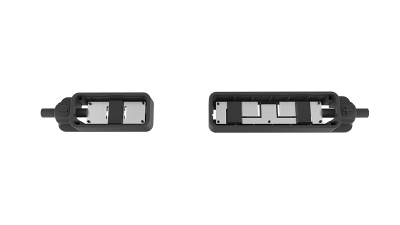
In the world of renewable energy, picking the right Energy Storage Connectorsis more important than ever. Experts like Dr. Julia Hartman from GreenTech Innovations often say, "The right Connectors can make a big difference in how well your system works." That really highlights just how crucial it is to make smart, informed choices.
These Solar Energy Storage Connectors are a key part of managing your energy system. They make sure energy flows smoothly from storage to where you need it. But if you pick the wrong ones, you might end up losing energy or even facing safety issues. Sadly, a lot of people overlook the technical details, not realizing how these things can impact overall performance. It’s super important to understand the different types of connectors and what they’re best suited for, so you don’t end up making costly mistakes.
And, just a heads up — technology keeps changing fast. What was the right choice last year might not cut it now. Staying up-to-date with the newest trends is a must. As Dr. Hartman points out, “Innovation is vital, but don’t forget about reliability.” When you have all the right info, it’s easier for businesses to line up their energy plans, boost sustainability, and keep their energy management solid and reliable.
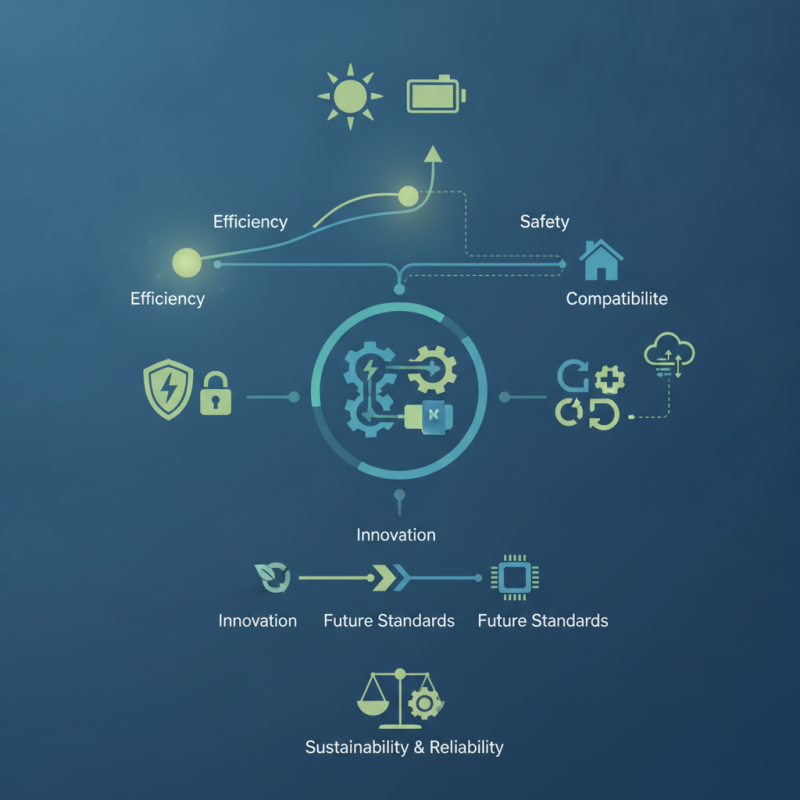
Understanding Solar Energy Storage Connectors
Understanding solar energy storage connectorsis crucial for an efficient renewable energy system. These connectors play a vital role in linking solar panels to batteries and Inverters. Choosing the right connectors affects system performance and safety. High-quality connectors ensure a solid electrical connection and minimize energy loss.
A range of connector types exists, such as MC4 and XT60. Each type has unique features and applications. MC4 connectors are widely used for solar panels. They provide a secure and weather-resistant connection. XT60 connectors, on the other hand, are popular in battery systems. They handle higher current loads but require careful installation.
Installing the wrong connector can lead to inefficiency. Poor connections may result in overheating or energy loss. It's essential to consult technical guidelines and standards. Consider your specific energy needs and system configuration. Always prioritize safety and reliability in your setup.
Key Types of Solar Energy Storage Connectors
When selecting solar energy storage connectors, understanding the main types is essential. Different connectors serve distinct functions in energy systems. Typically, there are MC4 connectors, Anderson connectors, and SAE connectors. Each type has unique benefits and limitations.
MC4 connectors are popular in solar installations. They provide a secure, weather-resistant fit. These connectors can handle high voltages. However, they may require special tools for installation.
On the other hand, Anderson connectors are known for their durability. They are excellent for high-current applications and provide safe connections. Yet, they may be bulkier, making them less suitable for compact setups.
When dealing with energy storage, the choice of cables matters. Energy Storage Cable s must match the connector type to ensure efficiency. Using mismatched connectors can lead to reduced performance. It's vital to consider future expansion. Planning for potential upgrades can save time and money down the road.
Factors to Consider When Choosing Connectors
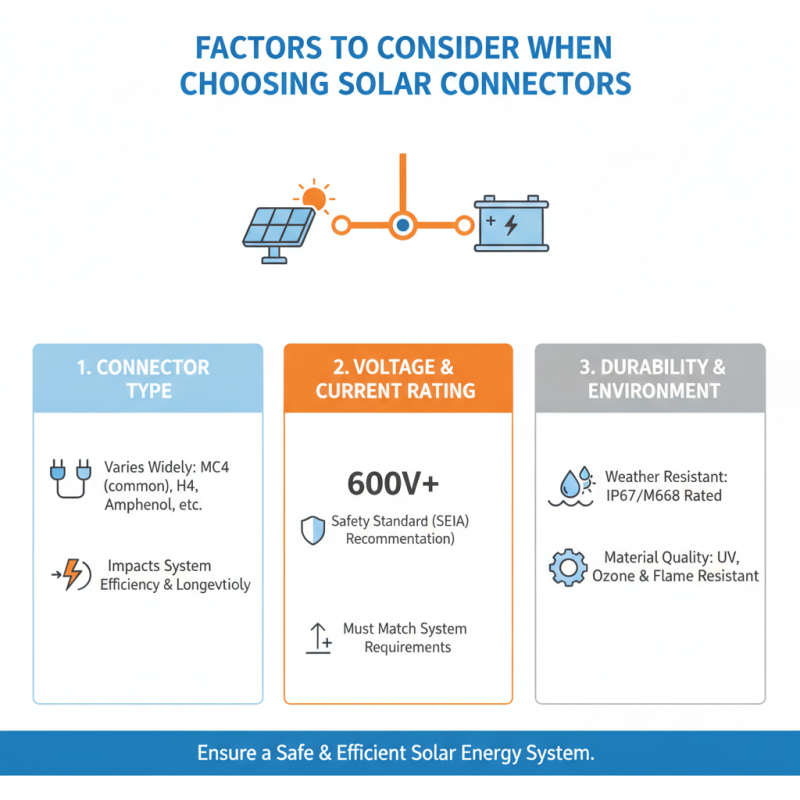
When selecting solar energy storage connectors, several critical factors require attention. Connector type varies widely. Each type supports different voltages and currents. According to the Solar Energy Industries Association, connectors should handle at least 600 volts for safety. The right choice impacts your system's efficiency and longevity.
Material quality significantly influences the connector's reliability. Materials must resist corrosion and environmental stress. Using connectors with high-grade metals, like copper, enhances conductivity. A report by the International Renewable Energy Agency indicates that poor material selection can lead to energy losses up to 10%. Choose wisely.
Tip: Always check connector compatibility with your system specifications to prevent failures. Moreover, consider ease of installation. Connectors should provide a secure fit to minimize risks. Selecting connectors that offer straightforward setup saves time and reduces potential headaches.
Finally, think about thermal performance. Connectors should withstand varying temperatures without degrading. As temperatures rise, some connectors may fail, impacting your solar system. Verify ratings and performance data from reliable sources before making your choice.
Evaluating Electrical Specifications and Ratings
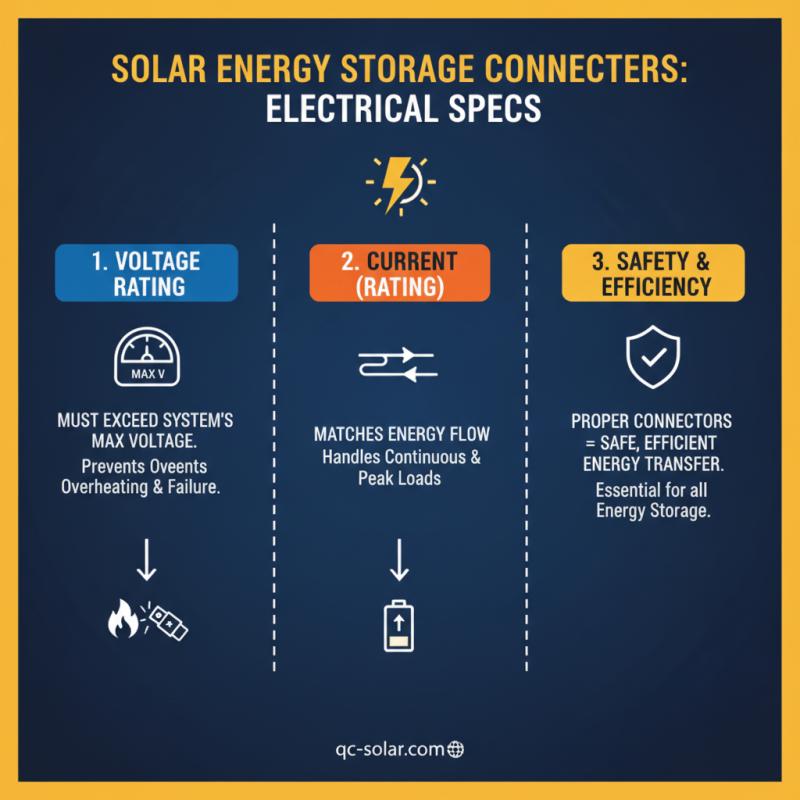
When selecting solar energy storage connectors, evaluating electrical specifications and ratings is crucial. Proper connectors ensure safe and efficient energy transfer between components. They are vital for any Energy Storage Application. You should examine the voltage rating first. Connectors must withstand the maximum voltage of your system. Inadequate ratings can lead to overheating and failure.
Current rating is another important factor. This dictates how much current the connector can handle. Consider the peak current of your solar system. If the connector is not rated for this, it could become a weak point. Look for ratings that exceed your system's maximum needs.
Temperature range is often overlooked. Connectors can operate under various environmental conditions. High temperatures can affect their performance significantly. Choose connectors rated for the temperatures expected in your setup. It's critical for long-term reliability. Keep in mind that not all connectors are created equal. It’s important to reflect on the specific needs of your energy storage application. Small errors in selection can have significant consequences, both financially and in performance.
Assessing Environmental Conditions and Durability
When selecting solar energy storage connectors, assessing environmental conditions is crucial. Many regions face extreme temperatures, humidity, and UV exposure. For instance, a report by the National Renewable Energy Laboratory (NREL) shows that connectors can deteriorate rapidly in harsh climates, impacting performance by up to 25%. This vulnerability makes durability a primary concern in connector selection.
Solar Energy Cables must withstand various conditions without losing functionality. The materials used in connectors vary significantly in their resistance to environmental stressors. An assessment revealed that connectors with UV-resistant and corrosion-resistant coatings last longer in outdoor settings. For example, connectors that meet IEC standards for outdoor applications demonstrate reliability in challenging environments.
It’s also important to reflect on real-world failures. Some connectors failed due to poor quality materials, leading to higher maintenance costs. These failures remind us that choosing durable connectors is not just a matter of performance; it’s about ensuring longevity and reliability. Standardizing connectors with higher environmental tolerance can significantly mitigate risks associated with solar energy installations.
Compatibility with Existing Solar Systems
When selecting solar energy storage connectors, compatibility is key. It's essential to ensure that the connectors smoothly integrate with your existing solar systems. This compatibility impacts both efficiency and safety. Mismatched connectors can lead to energy loss and even equipment failure. Always check specifications to find the right fit for your solar panels and inverters.
For instance, using Solar Connectors or Photovoltaic Connectors that don't align with your current system can cause unexpected outages. Some users might overlook this detail, leading to potential issues down the line. Proper installation of compatible connectors ensures optimal energy transfer and reduces risks associated with electrical installations.
Evaluating the quality of the connectors also matters. Low-quality connectors might save money upfront but can create problems later. They may not withstand weather conditions or physical stress effectively. Over time, this can lead to connection failures or inefficiencies in your solar energy storage system. Always think about long-term solutions rather than short-term savings when selecting solar energy storage connectors.
Installation and Maintenance Guidelines for Connectors
When installing solar energy storage connectors, proper guidelines are essential for optimal performance. A recent report from the Solar Energy Industries Association shows that improper connections can lead to a 15% decrease in efficiency. Each connector must be clean and free from debris before installation. Use a multimeter to check continuity. This simple step helps avoid issues later on.
Connector maintenance is crucial for long-term reliability. Regular inspections can prevent costly repairs. According to a study by the National Renewable Energy Laboratory, connectors that undergo routine checks can last up to 25% longer. Look for signs of corrosion or wear. Replace damaged connectors immediately. Delaying repairs can lead to system failures.
Tips for maintaining connectors include cleaning them every few months. A soft brush can remove dirt buildup. Ensure connections are tight but not overly strained. Pay attention to temperature changes. Expansion and contraction can affect connections. Always prioritize safety during maintenance. Performing these checks can significantly enhance the lifespan of solar energy systems.
Essential Features and Benefits of Solar/PV Junction Box 3Qxy (P2) for Efficient Energy Solutions
The 3Qxy (P2) PV junction box is designed to meet diverse customer requirements, offering a versatile solution for solar energy applications. One of its standout features is the capability to seamlessly switch configurations based on specific project needs. This flexibility is essential in today's renewable energy landscape, where efficiency and adaptability are critical for maximizing output from photovoltaic systems.
The negative junction box benefits from a dual-module diode design, which significantly enhances performance when used with quad-split PV modules. By effectively managing current distribution, this arrangement not only boosts module power but also optimizes overall energy efficiency. Furthermore, when combined with a modular positive junction box, it creates a synergistic pairing that streamlines operations. This not only results in reduced material waste but also opens up a wider array of options for installation, thus catering to the diverse preferences and requirements of customers in the renewable energy sector.
FAQS
: Electrical specifications ensure safe and efficient energy transfer. Incorrect choices can cause overheating and component failures.
Voltage ratings must withstand your system's maximum voltage. Inadequate ratings can lead to serious issues.
Current ratings dictate the maximum current a connector can handle. Look for ratings above your system's peak needs.
High temperatures can significantly affect performance. Choose connectors rated for the expected temperature range.
Extreme temperatures, humidity, and UV exposure can impact connectors. Assess these conditions before making a choice.
Connectors can deteriorate rapidly in harsh climates. Durable options are essential for long-term reliability and reduced costs.
UV-resistant coatings help connectors last longer outdoors. Reliability in challenging environments is vital for performance.
Poor materials can lead to real-world failures and higher maintenance costs. Quality should not be overlooked in selection.
Standardizing connectors with higher environmental tolerance can mitigate risks effectively. It's a wise strategy for any installation.
Not all connectors are created equal. Ensure your connectors are rated for outdoor applications to avoid performance issues.
Conclusion
When selecting Solar Energy Storage Connectors, it’s essential to understand their various types and functions. Key types of connectors include MC4, D1, and others that are specifically designed to ensure safe and efficient connections within solar systems. Factors to consider include evaluating electrical specifications such as voltage and current ratings, as well as ensuring durability against environmental conditions like moisture and temperature fluctuations.
Additionally, compatibility with existing solar systems must be assessed to ensure seamless integration. Installation and maintenance guidelines play a crucial role in maximizing the longevity and performance of the connectors. By carefully considering these aspects, one can choose the right Solar Energy Storage Connectors that will support effective energy storage and enhance overall solar system efficiency.