When you're thinking about solar energy, a solar microinverter can really make a difference. Basically, these little gadgets take the direct current (DC) from your solar panels and turn it into alternating current (AC), which is what your home’s appliances actually use. Picking the right one is key to getting the most out of your system—after all, efficiency and performance depend on it. But here’s the thing: with so many options out there, it’s easy to get overwhelmed and not know where to start.
The trick is to understand what you actually need. Things like the type of panels you've got, how big your system is, and of course, your budget all come into play. Choosing a solid Microinverter that fits your setup can really boost your energy output. On the flip side, settling for a cheap or low-quality model might leave you disappointed or even cause issues down the line. Nobody wants that.
And don’t forget to look beyond just the price tag. It’s worth checking out what the manufacturer’s reputation is like, whether they offer warranties, and how good their customer support is. Take some time to do your homework—read reviews, compare specs, and see what other users are saying. Trust me, picking the right solar microinverter can seriously impact how satisfied you are with your whole solar setup. Making an informed choice now means you’ll probably enjoy better savings and a greener, more sustainable future.
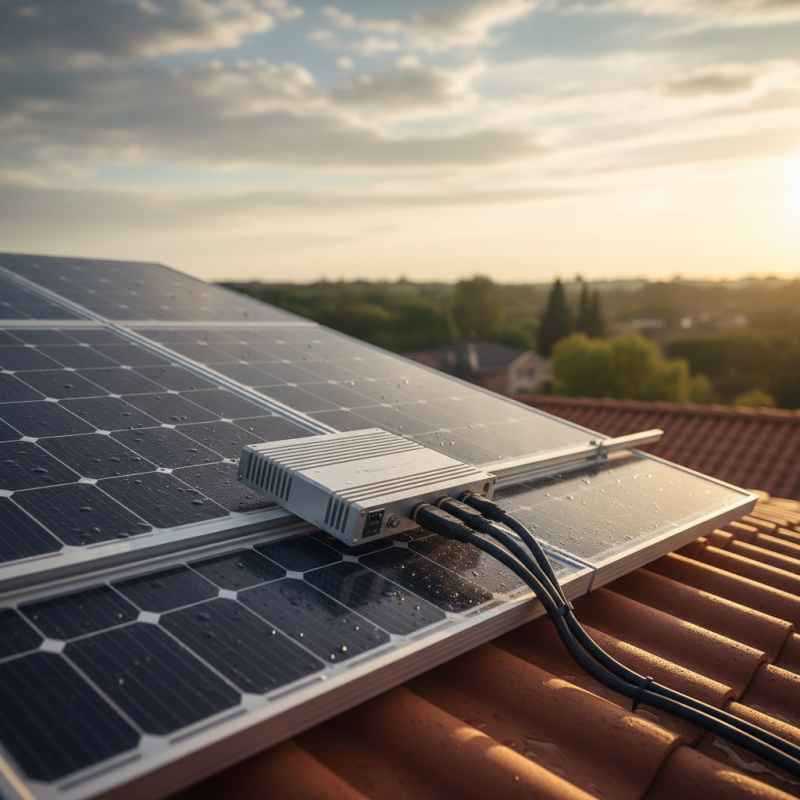
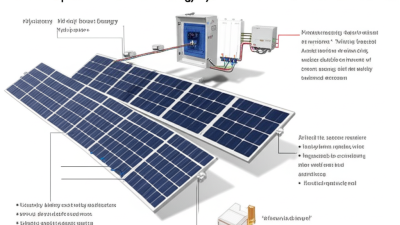
Solar microinverters play a crucial role in optimizing the performance of solar panel systems. Unlike traditional inverters, microinverters convert energy at the panel level. This feature enhances efficiency, particularly in systems with shading or orientation challenges. When selecting a microinverter, consider factors like efficiency ratings and maximum input power. These specifications directly affect energy yield.
Another important aspect is monitoring capabilities. Many microinverters offer real-time performance data through mobile apps. This allows homeowners to track energy production and identify issues promptly. Reliability is also essential. A durable microinverter can withstand environmental stress, ensuring longer service life. Yet, not all microinverters are created equal; some may struggle under high temperatures. Evaluating warranties can provide insight into a model’s expected performance.
In the end, an informed choice requires thoughtful consideration of these features. Reflecting on your specific energy needs is essential. Balancing budget constraints with quality can be challenging but rewarding. Proper research and understanding are vital in making the best decision for your solar energy journey.
| Feature | Description | Benefits | Considerations |
|---|---|---|---|
| Efficiency | The ratio of output energy to input energy under standard test conditions. | Higher efficiency means more energy production, leading to greater savings. | Check for efficiency rating to ensure optimum performance. |
| Monitoring Capabilities | The ability to track system performance remotely via an app or web interface. | Easy identification of issues and enhancement of system management. | Consider ease of use and data accessibility. |
| Warranty | The duration and coverage of the microinverter's warranty period. | Longer warranties typically signify manufacturer confidence. | Assess warranty terms and conditions for full understanding. |
| Size and Weight | The physical dimensions and mass of the microinverter. | Smaller and lighter models are usually easier to install. | Ensure compatibility with existing panel setups. |
| Safety Ratings | Certifications that ensure compliance with safety standards. | High safety ratings provide peace of mind and reduce risks. | Review certifications in conjunction with local regulations. |
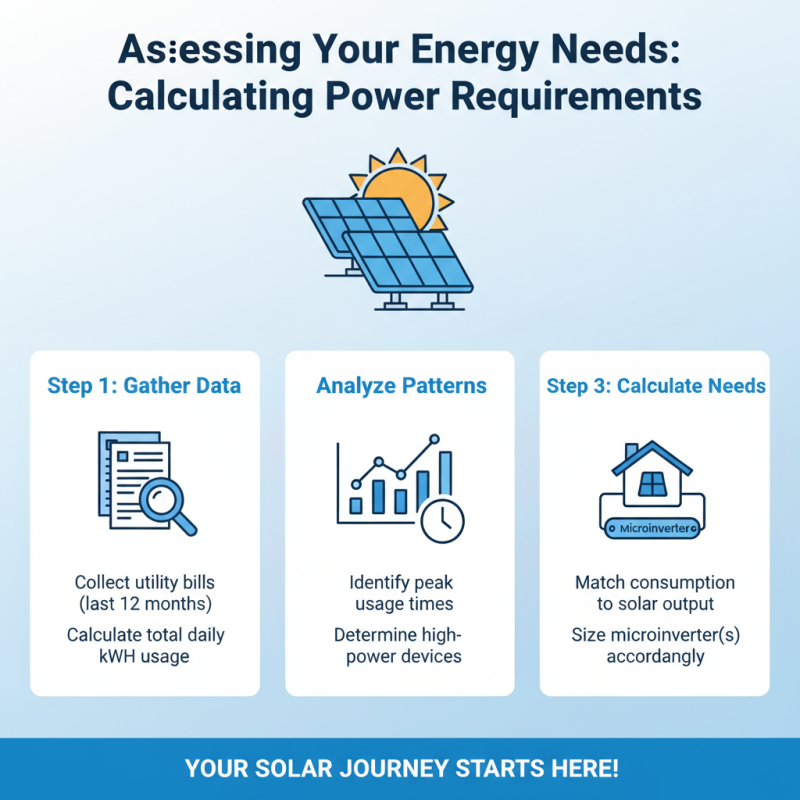
Calculating your energy requirements is crucial when choosing the right solar microinverter. Start by assessing your daily energy consumption. Gather your utility bills for the last year. This will give you a clear picture of your monthly usage. Look for patterns in your energy consumption. Identify peak usage times and which devices consume the most power.
Next, convert your monthly usage into daily values. Divide your monthly total by 30 to get the daily consumption. For example, if you use 900 kWh a month, your daily average is 30 kWh. This number will guide you in selecting a microinverter that meets your needs. Each microinverter has a specific power output capacity. Make sure to choose one that aligns with your calculated daily requirement.
Remember, there are nuances to consider. Not every day will be sunny. Factor in seasonal variations in energy production. A microinverter's performance may vary under different conditions. This is where having a bit of flexibility in your calculations can help. Expect some inefficiencies. It’s essential to leave room for error, as actual performance can differ from theoretical calculations. Doing your homework here can lead you to a more reliable energy solution.
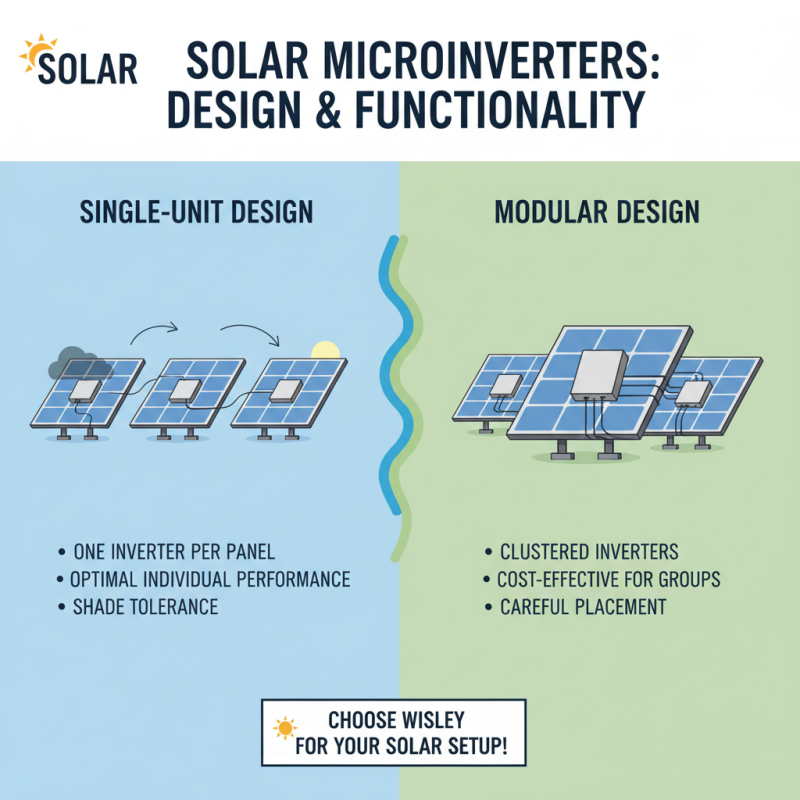
When selecting a solar Microinverter, understanding the types can greatly inform your choice. Microinverters come in two main designs: single-unit and modular. Single-unit microinverters can be installed on each panel, allowing for optimal performance, even if one panel is shaded. Modular designs work in clusters and are typically more cost-effective but require careful placement.
When comparing functionality, consider the efficiency rating. A higher efficiency rating indicates a better conversion of sunlight to electricity. Look for features such as smart monitoring capability. This allows you to track performance in real time.
Tips: Assess the specific layout of your roof. Consider shading from trees or neighboring buildings. If your roof has various orientations, microinverters may be a better fit. Also, think about future expansions. Choosing a system that accommodates additional panels later is advantageous.
Keep in mind that not all microinverters are created equal. Some might not perform well in certain conditions. Researching user reviews can highlight potential issues. Ensure your chosen microinverter aligns with your long-term energy needs and goals.
When evaluating the efficiency of a solar microinverter, it is crucial to understand several performance metrics. One important factor is the inverter's conversion efficiency. This measures how well the microinverter converts DC power from your solar panels into usable AC power. A higher conversion efficiency rating means more energy is converted, increasing your overall solar system performance. Pay attention to the manufacturer's specifications, but also consider real-world performance data.
Another key metric is the Maximum Power Point Tracking (Mppt) efficiency. MPPT is essential for optimizing energy harvest, especially in varying sunlight conditions. If the microinverter struggles to track the optimal power point, it may not perform well during partial shading or cloudy days. Various tests show considerable differences among microinverter types, indicating the need for thorough evaluation.
Lastly, consider the reliability and lifespan of the microinverter. Some may perform well initially but decline over time. Look for performance warranties that cover up to 25 years. This can provide insight into the expected longevity of the unit. Reflecting on these factors can guide you in choosing the right Pv Microinverter for your unique energy needs. It’s not just about the numbers; real-world conditions can impact performance too.
Choosing the right solar microinverter is crucial for optimizing your solar energy system. A major factor is compatibility with your existing setup. Different systems use various technologies. Ensuring a proper connection can enhance efficiency and longevity.
When assessing compatibility, examine the specifications of your Photovoltaic Microinverter. Look for details such as voltage ratings, power output, and grid compatibility. It's beneficial to have a clear understanding of your solar panels and their output characteristics. If misaligned, your microinverter may underperform, leading to wasted energy.
Here are some tips to help ensure compatibility. Research your current solar system components before purchasing. Consult technical documentation or consult professionals if needed. This could save you time and money in the long run. Also, consider the future scalability of your system. An inverter that's well-matched now may not fit later upgrades. By focusing on details and engaging in careful planning, you can avoid potential pitfalls in your solar investment.
When selecting solar microinverters, installation considerations are crucial. The setup must fit your home’s unique layout and energy needs. A well-thought-out installation can significantly enhance system efficiency. According to the Solar Energy Industries Association (SEIA), improper installation can lead to a 10-20% loss in energy production. This is an essential factor to consider before making a decision.
Ensure the microinverter is well-matched with your solar panels. Compatibility affects performance. Check that the inverter can handle the voltage and power output. A detailed assessment of the roof’s angle, shading, and orientation also matters. Studies show that homes with optimal setups see up to 30% better performance. Additionally, use high-quality Solar Cables for connections. Poor quality or mismatched cables can lead to inefficiencies and even safety hazards.
The physical environment impacts installation. Assess local climate, roof materials, and proximity to the main electrical panel. Your installation crew should have experience with your specific conditions. Data from recent reports indicate that over 40% of solar installations face troubleshooting issues due to environmental factors. Reflecting on these considerations can help homeowners select the right microinverter for their specific needs.
When selecting a solar microinverter, evaluating warranty and support is crucial. A reliable warranty can signify the manufacturer’s confidence in their product. Industry studies show that warranties can range from 5 to 25 years. A longer warranty often reflects better durability and reliability. Many consumers overlook this aspect, assuming all products are created equal.
Support services are equally important. Responsive customer support can make a significant difference in resolving issues quickly. Research indicates that companies with proactive customer support are rated higher than those with limited assistance. Your investment can suffer without proper backing, leading to costly delays or failures.
Pay attention to the experiences of other consumers as well. Online reviews often provide insights into the reliability of a manufacturer. A manufacturer with numerous complaints needs a closer examination. Solid references from industry reports can guide decisions effectively. Be mindful, as not all positive feedback is genuine. Critical reflection on these factors is essential to making an informed choice.
: There are single-unit and modular designs. Single-unit microinverters offer optimal performance individually. Modular designs are cost-effective but require careful placement.
Efficiency ratings are crucial. A higher rating means better conversion of sunlight to electricity. Look for smart monitoring features as well.
Assess shading, angles, and orientations. Different orientations may require microinverters for better performance. Future expansions should also be considered.
Improper installation can cause a significant energy production loss of 10-20%. A well-thought-out setup is essential for efficiency.
Local climate and roof materials impact the installation. Over 40% of installations face issues due to environmental factors.
Warranties range from 5 to 25 years. Longer warranties often indicate better durability. Consumers often overlook this important factor.
Research customer support responsiveness and consumer experiences. Reviews provide valuable insights into a manufacturer’s reliability and services.
Proactive customer support can resolve issues quickly. Lack of support can lead to costly delays or failures in your system.
While helpful, be cautious of reviews. Not all feedback is genuine. Critical reflection is needed to assess manufacturer reliability.
Many installations face troubleshooting challenges. These often stem from environmental impacts and improper setup. Reflecting on conditions is important.
Choosing the right solar microinverter is crucial for optimizing your solar panel system’s performance. Understanding solar microinverters involves recognizing their key features and benefits, which can enhance energy efficiency and maximize energy harvest. Before making a decision, it’s essential to assess your energy needs by calculating your power requirements, ensuring the microinverter fits your unique situation.
When comparing different types of solar microinverters, consider their design and functionality, as well as efficiency ratings that reflect their performance. Compatibility with existing systems is vital to ensure seamless integration, while installation considerations play a significant role in the effectiveness of the setup in your home. Lastly, evaluating warranty and support options can offer peace of mind regarding the manufacturer's reliability and service, guiding you toward a sound investment in solar technology.