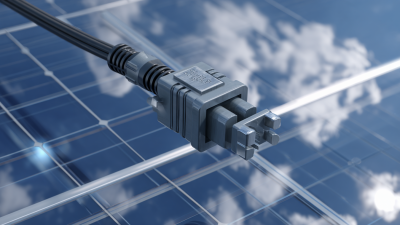
You know, with the surge in renewable energy, we've seen some pretty exciting progress in solar tech—especially when it comes to designing and developing Solar Pv Connectors. I mean, according to the International Renewable Energy Agency (IRENA), the world’s solar power capacity hit around 940 gigawatts in 2020, and they’re expecting it to jump past 4,000 gigawatts by 2030. Crazy, right? This skyrocketing growth just highlights how important reliable and efficient connections are in solar energy systems. Those connectors are really the backbone of keeping solar installations running smoothly and lasting long-term.
Picking the right Solar PV connectors isn’t just about squeezing out a bit more energy efficiency—it’s also about making sure the whole system stays safe and durable. A report from the National Renewable Energy Laboratory (NREL) popped up recently, and it points out that choosing the wrong connectors can lead to more downtime, higher maintenance costs, and even some energy losses. As solar setups become more complex—thanks to different environmental conditions and the latest tech—it’s super helpful to really understand the different types of connectors out there and what they’re best suited for. Knowing this stuff means stakeholders and installers can make smarter decisions for their solar projects. So, in this article, I hope to share some key tips on how to pick the right Solar PV connectors—making sure your setup’s solid, efficient, and ready to meet our future energy needs.
Understanding Solar PV Connectors and Their Importance
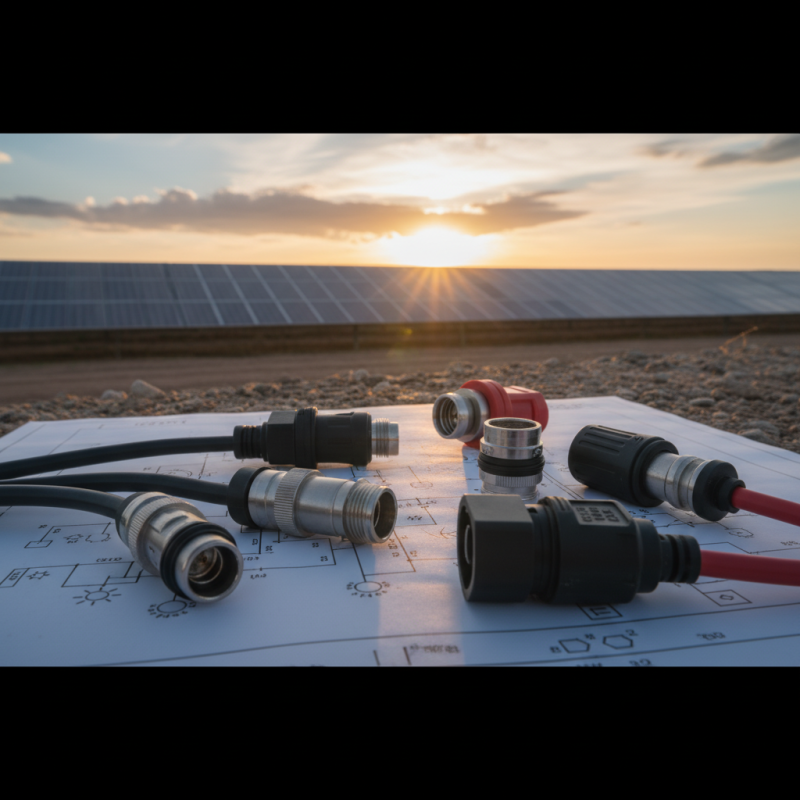
Solar PV connectorsplay a crucial role in the functionality and reliability of photovoltaic systems. These connectors facilitate the electrical connections between solar panels, Inverters, and batteries. Their design must ensure a secure and efficient flow of electricity while also providing protection against environmental elements. Choosing the right type of connector is essential, as it directly influences the system's performance, lifespan, and safety.
One of the primary considerations when selecting solar PV connectors is their compatibility with the specific components used in the installation. There is a range of connector types available, including MC4 connectors, which are widely recognized for their robust construction and weather resistance. Additionally, factors such as voltage ratings, the operating temperature range, and ease of installation should be evaluated to ensure that the connectors can perform optimally under different conditions. Proper selection not only enhances the overall efficiency of the solar energy system but also minimizes the risk of malfunctions that could lead to costly repairs or unsafe situations.
Types of Solar PV Connectors: A Comprehensive Overview
When selecting the appropriate solar PV connectors for an installation, it is crucial to understand the various types available and their specific applications. The most common types of connectors in the solar industry are MC4 connectors, which have dominated the market due to their reliability and ease of use. According to a recent report by the Solar Energy Industries Association (SEIA), MC4 connectors are used in over 90% of solar PV installations worldwide, highlighting their widespread acceptance and effectiveness. Their design facilitates quick connect and disconnect, which is an essential feature for maintenance and scalability.
Another notable type is the H4 connector, which is praised for its versatility and robust performance in diverse environmental conditions. Research indicates that installations utilizing H4 connectors can withstand extreme temperature variations, making them ideal for regions with harsh climates. Additionally, interconnection systems such as daisy-chaining allow for quick and efficient wiring, contributing to reduced installation time and costs.
Tips: When choosing connectors, always consider the environmental conditions of your installation site. Look for connectors that offer IP67 or IP68 ratings, ensuring they are dust-tight and can withstand immersion in water. Furthermore, prioritize connectors with UV resistance to enhance longevity, particularly in sunny regions. Lastly, remember to keep compatibility in mind, selecting connectors that align with the specifications of your solar panels and inverters to ensure optimal performance.
Key Factors to Consider When Selecting Solar PV Connectors
When selecting solar PV connectors for your installation, there are several key factors to consider to ensure optimal performance and longevity. One crucial aspect is the environmental rating of the connectors, which dictates their ability to withstand harsh weather conditions. According to the International Electrotechnical Commission (IEC), connectors that meet the IP67 rating can remain submerged in water for extended periods without damage, making them ideal for outdoor systems. Additionally, the temperature rating is vital, with connectors designed to operate between -40°C to 85°C being essential in diverse climates.
Another important factor is the compatibility with your solar panels and cables. Ensuring that the connector types match the output characteristics of your solar panels will prevent power loss and maintain efficiency. According to a recent report by the Solar Energy Industries Association (SEIA), choosing the correct connector can enhance energy yield by up to 5% over the system’s lifespan.
Tips: Always check for certification marks such as UL or TÜV, which indicate that the connectors have passed rigorous testing. Consider the ease of installation, as tools-free connectors can significantly reduce labor costs. Lastly, prioritize connectors with excellent reliability and low contact resistance to minimize energy loss and ensure the stability of your solar power system.
Compatibility with Solar Panels and Inverters
When selecting solar PV connectors for your installation, compatibility with both solar panels and inverters is crucial. Solar panels and inverters come in various types and specifications, which means that not all connectors will work seamlessly with your chosen components. It's important to ensure that the connectors you select can handle the voltage and current ratings of your specific panels and inverter. This not only ensures optimal performance but also enhances the longevity and reliability of the entire solar power system.
Additionally, consider the connector type and design, as these elements can significantly impact installation ease and future maintenance. Different manufacturing materials offer varying levels of durability and resistance to environmental conditions, so it's essential to choose connectors that can withstand the climate in your installation area. Furthermore, compatibility often extends to mechanical fittings as well; connectors that are too tight or loose can lead to inefficiencies and potential failures. By prioritizing compatibility, you ensure a cohesive interaction between your solar panels and inverters, ultimately leading to a more efficient and effective solar energy system.
Solar PV Connectors Compatibility with Panel and Inverter Types
Assessing Environmental Conditions for Connector Durability
When selecting solar PV connectors, understanding the environmental conditions they will face is crucial for ensuring their durability and performance. According to the National Renewable Energy Laboratory (NREL), weather-related events account for nearly 25% of solar system failures. Thus, connectors must be resilient to a variety of environmental stressors, including temperature fluctuations, UV radiation, moisture, and corrosion. In particular, connectors in regions with high humidity or saline environments, such as coastal areas, are at increased risk of degradation. Selecting connectors made from materials that are both UV resistant and sealed against moisture ingress can extend their lifespan significantly.
Furthermore, the IEC 62852 standard specifies rigorous testing protocols for connectors exposed to different environmental elements. For instance, connectors need to withstand temperatures ranging from -40°C to +85°C without compromising their integrity. To enhance longevity, manufacturers often use materials like thermoplastics designed to resist weathering and physical impacts. Recent studies project that using higher-grade connectors can reduce maintenance costs by up to 30%, demonstrating that investing in quality connectors is not only a matter of longevity but also of economic efficiency. Adopting these best practices based on environmental assessments is essential for achieving optimal performance and reliability in solar PV installations.
Installation and Maintenance Best Practices for PV Connectors
When it comes to solar PV installations, the choice of connectors is crucial for ensuring efficiency and longevity. Proper installation and maintenance practices can significantly impact the performance of the entire solar power system. According to a 2022 report by the International Renewable Energy Agency (IRENA), up to 80% of solar system failures can be attributed to poor connector installation and maintenance. This data highlights the importance of using quality connectors and following best practices during installation.
To start, ensure that all connectors are compatible with the specific PV modules and inverters used in your system. This compatibility will prevent undue stress on the electrical connections, which can lead to overheating and ultimately system failure. Additionally, when installing connectors, maintain a firm yet gentle hand, as excessive force can damage the components. Regular inspection of connectors for signs of wear, corrosion, or loose connections is also essential to uphold system integrity and performance.
Tip: Consider implementing a routine maintenance schedule where connectors are checked at least once a year. This proactive approach allows for early detection of potential issues, such as moisture infiltration, which can severely compromise the system. Furthermore, ensuring that connectors are sealed correctly will protect against environmental factors, leading to longer operational life for the solar system.
Regulatory Standards and Certifications for Solar PV Connectors
When selecting solar PV connectors for your installation, understanding the relevant regulatory standards and certifications is crucial. These standards ensure safety, reliability, and optimal performance of solar energy systems. Depending on your location, connectors may need to comply with various international standards, such as UL 6703 in the U.S., which addresses safety aspects concerning photovoltaic connectors and inline devices, or IEC 62852, which is widely recognized across Europe and other regions for solar PV connector performance and durability. A report by the International Renewable Energy Agency (IRENA) indicates that adherence to these standards not only enhances system safety but also boosts consumer confidence in solar technology.
Tips: When evaluating connectors, always verify their certifications and test reports. Look for connectors that are certified by reliable third-party testing laboratories to ensure they meet stringent safety and efficiency criteria.
Additionally, it is important to consider environmental ratings, especially regarding their resilience to UV exposure, temperature fluctuations, and moisture ingress. The National Renewable Energy Laboratory (NREL) emphasizes that connectors need to withstand harsh environmental conditions to prevent system failures. This is reflected in data from the Solar Energy Industries Association (SEIA), which notes that performance and safety issues stemming from non-compliant connectors can significantly increase maintenance costs over the project's lifecycle.
Tips: Opt for connectors with high environmental ratings, indicating their ability to perform under various climate conditions. Always check the manufacturer's specifications and look for connectors with proven track records in outdoor installations.
Optimizing Solar Energy Systems: A Comprehensive Overview of the 3Qxy Vertical Outlet Solar/PV Junction Box and its Impact on Efficiency
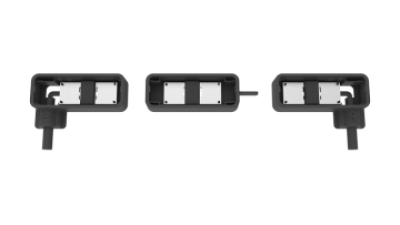
The optimization of solar energy systems is essential to enhancing their performance and reducing long-term operational costs. A significant advancement in this area is the 3Qxy vertical outlet solar/PV junction box, which presents a design tailored to improve efficiency. One of the key features of this system is its vertical outlet design, which simplifies installation processes. This configuration prevents direct contact with the module’s aluminum frame, mitigating risks of paint wear or electrical shorts that can arise during traditional installations.
Moreover, the vertical outlet significantly reduces the instances of cable failure, a common issue associated with excessive bending in conventional designs. This innovative approach not only protects the cables but also ensures a more stable and reliable operation of solar energy systems. According to a report by the National Renewable Energy Laboratory, systems that implement optimized cable management techniques can potentially enhance overall efficiency by up to 10%, highlighting a crucial factor in performance.
The integrated module design of the junction box further streamlines performance by allowing for a unified solution that meets various current requirements. Alongside this, the use of advanced resistance welding technology for cable and copper plate connections enhances reliability and overall system stability. A report from the Solar Energy Industries Association indicates that innovations in junction box design can contribute to improved energy output and operational longevity, reinforcing the importance of thoughtful engineering in the solar industry.
FAQS
: Compatibility is crucial because different solar panels and inverters have varying types and specifications. Ensuring that connectors meet the voltage and current ratings of your specific components enhances performance, longevity, and reliability of the solar power system.
The type and design of connectors can affect the ease of installation and future maintenance. Additionally, the manufacturing materials used can impact the durability and resistance to environmental conditions, making it essential to select connectors suitable for your installation area's climate.
Connectors that are too tight or too loose can lead to inefficiencies and potential failures. Ensuring proper mechanical fit is important for the cohesive interaction between solar panels and inverters, leading to a more efficient system.
Important regulatory standards include UL 6703 in the U.S. for safety regarding photovoltaic connectors, and IEC 62852 which is recognized in Europe for performance and durability. Compliance with these standards ensures the safety and reliability of solar energy systems.
Always check for certifications and test reports from reliable third-party laboratories to ensure connectors meet safety and efficiency criteria. This helps enhance consumer confidence in the products used in solar installations.
Environmental ratings indicate a connector's resilience to UV exposure, temperature fluctuations, and moisture. Selecting connectors with high environmental ratings ensures they can perform effectively under harsh conditions, reducing the risk of system failures.
Non-compliant connectors can lead to performance and safety issues, which may increase maintenance costs over the lifecycle of the project. Adhering to regulatory standards helps mitigate these risks.
When evaluating durability, consider the materials used, environmental ratings, and the connector's track record in outdoor installations. Connectors must be able to withstand harsh weather conditions to ensure long-term performance.
Conclusion
Choosing the right Solar PV Connectors is crucial for the efficiency and safety of solar installations. Understanding the various types of connectors, such as MC4 and others, is essential for ensuring compatibility with solar panels and inverters. When selecting Solar PV Connectors, key factors to consider include the durability against environmental conditions, ease of installation, and maintenance practices that can enhance longevity.
Furthermore, compliance with regulatory standards and certifications plays a significant role in the selection process, as it ensures that the connectors meet safety and performance benchmarks. By carefully evaluating these aspects, installers can make informed decisions that optimize the performance and reliability of solar photovoltaic systems.