When you're picking out an Ac Connector, it's pretty important to understand exactly what you need. With so many different types out there, honestly, it can get a bit overwhelming trying to figure out which one’s best. Things like how easy it is to use, whether it’ll fit with your existing setup, and safety considerations are all key players in that decision. Basically, your AC connector should match the power needs of your devices and still work efficiently without any hassle.
Companies like PowerTech offer a pretty wide range of AC Connectors for all sorts of applications. But, here’s the catch—if you pick the wrong one, you might run into problems like inefficiency or even risking damaging your equipment. So, it’s super important to double-check the electrical ratings and the physical sizes to make sure they match your system. Mismatched specs? Yeah, that’s a risk you don’t really want to take.
Oh, and while a Dc Connector might seem like an option for some devices (you can check out more about that [here](https://www.qc-solar.com/dc-connector)), the main focus should really be on the AC connector. That’s what keeps your tools running safely and smoothly. Thinking about what your equipment is really for, and maybe chatting with some folks who know their stuff, can make the whole process way easier. At the end of the day, making the right choice means your setup will perform better and last longer, no doubt about it.
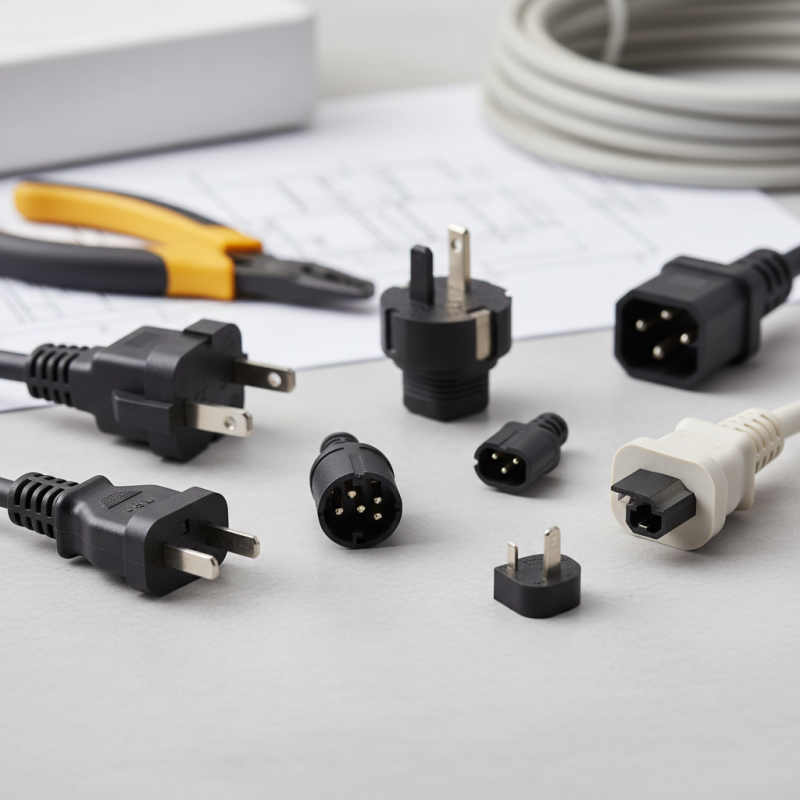
When choosing the right Ac Connector for your needs, it’s important to understand the various types available and their specific applications. Common types include NEMA connectors, which are widely used in North America, and IEC connectors, often found in international settings. Each type has distinct features that support different power requirements and safety standards.
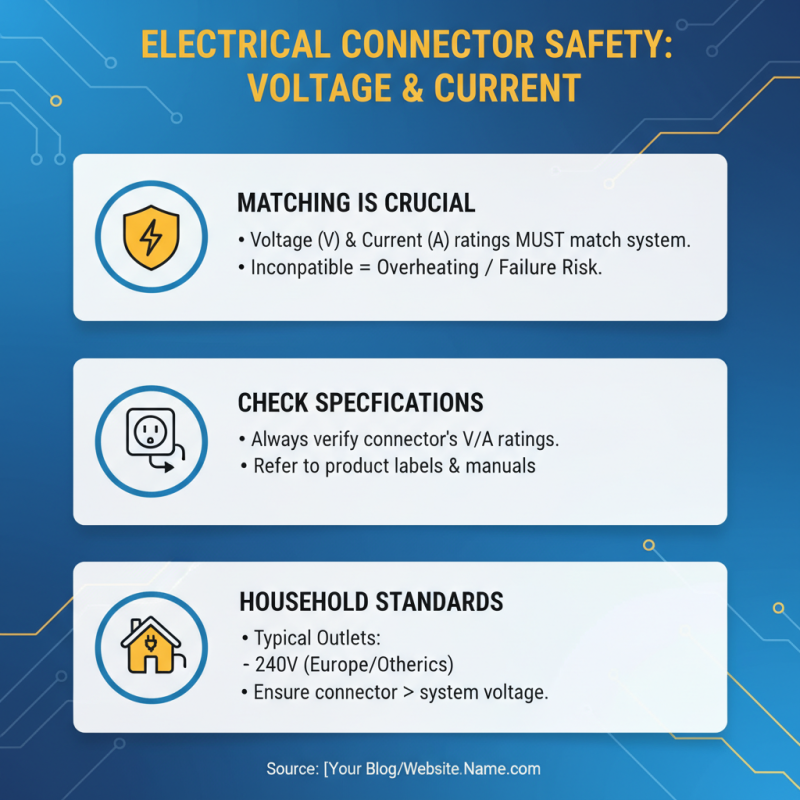
AC connectors are essential for effective power distribution. Compatibility is key. Ensure your devices can match the connector type. An improper fit can lead to safety hazards. Check the voltage and current ratings of the AC connector to avoid equipment damage.
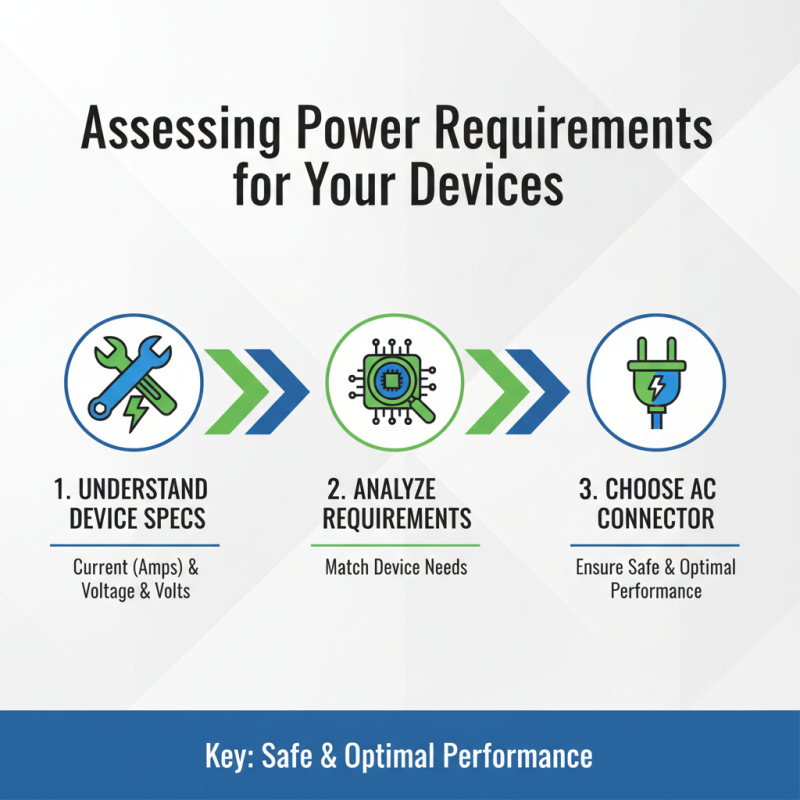
When assessing power requirements for your devices, it's crucial to understand their specifications. Different devices demand varying levels of current and voltage. Analyzing these specifications will help you choose a suitable AC connector. This ensures safe and optimal performance for your devices.
Here's a tip: Check the power rating of your device before purchasing a connector. Many people overlook this step, assuming all connectors are the same. In reality, using an incompatible connector can lead to malfunction or even damage. Look closely at the wattage, voltage, and current ratings.
Another important aspect is the connector type. Various devices use different shapes and pin configurations. Some connectors may seem similar but have distinct electrical characteristics. Take the time to research what your specific device requires. Referencing user manuals can provide clarity.
Be mindful of potential issues, too. Sometimes, cheaper connectors might save money upfront but can create long-term problems. Malfunctions may occur due to poor quality. It’s worth investing in the right component to avoid complications down the line.
When selecting an AC connector, voltage and current ratings are crucial. These ratings determine the compatibility with your electrical systems. If these ratings do not match, it can lead to overheating or even failures. Always check the specifications carefully. A standard household outlet usually operates at 120V or 240V, depending on your location. It's essential to ensure that your chosen connector can handle the required voltage comfortably.
Current ratings also play a significant role in safety. Each connector limits the amount of current it can safely carry. Exceeding this limit can lead to short circuits or fires. For example, a connector rated for 10A should not consistently carry more than that. This is especially true when using connectors for solar systems, where continuous load needs must be considered. Using a Solar Connector that aligns with your system's needs is vital for safe operation.
Choosing the right connector requires experience and attention. Mistakes can happen, and understanding your specific requirements is key. Always consult with professionals if you're unsure. They can provide insights into choosing connectors that are safe and reliable. Protect your investment and ensure optimal performance by taking these factors into account.
Choosing the right AC connector is crucial for ensuring your equipment's performance. Identifying connector compatibility with your machinery can be challenging. Industry reports indicate that improper connections lead to significant energy losses, with an estimated 30% of energy wasted due to inefficient connectors.
When assessing compatibility, focus on its specifications. Not all connectors meet the demands of high-capacity systems. For example, connectors must support adequate voltage and current ratings. A mismatch can result in overheating or failure. Many professionals emphasize that the Energy Storage Connector must align with your device's energy requirements to function effectively.
In some instances, connectors may appear to fit, but hidden incompatibilities exist. Consider the application environment as well. Humidity and temperature can affect connector durability. An unsuitable choice may lead to increased maintenance and replacement costs. Seek advice from professionals and review technical documentation before making final decisions.
When selecting the right AC connector, environmental factors play a crucial role. Temperature fluctuations, humidity levels, and exposure to chemicals can significantly impact performance. For example, connectors used in high-temperature settings may deteriorate quicker than expected. According to a report by the International Electrotechnical Commission (IEC), connectors can fail if exposed to temperatures beyond their rated limits for prolonged periods.
Humidity is another critical element. High moisture environments can lead to corrosion and short circuits. In fact, studies indicate that connectors in humid areas have a failure rate 25% higher than those in controlled environments. It’s essential to assess the local climate conditions when choosing a connector. Ensuring proper sealing and choosing materials resistant to environmental stressors can extend the lifespan of these components.
Chemical exposure must also be considered. Industrial connectors often face oils, solvents, or other harsh substances. Specific materials, like nylon or PTFE, have better resistance. Research published in the Journal of Electrical Engineering highlights the necessity of evaluating chemical compatibility. Not all connectors can withstand aggressive environments, which can lead to operational failures. Balancing environmental factors with connector specifications is key to reliable performance.
When selecting an AC connector, consider the additional features that can enhance usability. Locking mechanisms are crucial in preventing accidental disconnections. They provide a secure connection, especially in environments with movement or vibration. A well-designed locking feature ensures that your connection remains intact, reducing downtime and enhancing efficiency.
Evaluate different types of locking mechanisms available in the market. Some connectors use a simple twist lock, while others might offer a more complex latch design. The choice depends on your specific application. For instance, the Mc4 Solar Connector is renowned for its reliable locking feature, offering safety in solar panel installations. The design allows for easy connection and disconnection while maintaining a strong hold.
While many connectors promise security, not all fulfill those claims in real-world applications. It's essential to read user reviews and seek expert opinions. You might find that a connector with great specifications doesn't perform as expected in practice. Testing different connectors under actual conditions can provide invaluable insights into their reliability. Choose wisely, as the right AC connector can make a significant difference in your setup.
Choosing the right AC connector can be challenging. Understanding the costs and availability of different types is crucial. Various connectors come with different price points. Some may be readily available locally, while others might require special orders.
Cost can vary depending on complexity and manufacturing. Simple connectors are often inexpensive. However, specialized ones can be much pricier. Availability also changes based on region and demand. In some areas, certain types may be hard to find, leading to delays.
Consider your specific needs carefully. You might prefer something accessible but not as robust. Alternatively, you may seek a high-quality option that’s also hard to source. Balancing cost against availability and reliability is key. Reflect on your choices and ensure they meet your requirements effectively.
C connectors used for?
Consider the connector type compatible with your devices and their power requirements.
An improper fit can cause safety hazards and equipment damage.
Always review the voltage, current, and wattage ratings of your devices.
Yes, they prevent accidental disconnections and enhance connection security.
Sometimes, low-cost options can create long-term issues and malfunctions.
Test connections regularly and maintain equipment to enhance efficiency.
Seek connectors with safety certifications and suitable locking mechanisms.
No, different connectors have unique specifications, shapes, and performance characteristics.
Reviews provide insight into real-world performance and reliability of connectors.
Choosing the right AC connector is crucial for ensuring the safety and efficiency of your electrical devices. Understanding the different types of AC connectors and their applications can help you make informed decisions. It is essential to assess the power requirements of your devices, along with evaluating voltage and current ratings to guarantee safety during operation. Additionally, identifying connector compatibility with your equipment is necessary to avoid any performance issues.
Environmental factors also play a significant role in connector performance, so consider aspects such as temperature and humidity. Furthermore, exploring additional features, like locking mechanisms, can enhance reliability. Finally, comparing the cost and availability of various AC connectors will help you find an option that fits your budget without compromising on quality. By keeping these factors in mind, you can select the most suitable AC connector to meet your specific needs.