Picking the right Ac Connector really matters, no matter what you're working on. The folks over at the International Electrotechnical Commission (IEC) say that choosing the correct connector isn’t just about compatibility — it’s also about safety and making sure things run smoothly. Honestly, if you pick the wrong one, you might end up facing overheating or incompatibility issues, which can be a real pain and even cause equipment failures—something many companies really want to avoid since it can cost thousands. So yeah, it’s pretty crucial.
The market for AC connectors is changing pretty fast these days. With more focus on renewable energy and the rise of electric vehicles, we’re seeing a big increase in demand for more efficient connectors. A report from ResearchAndMarkets points out that getting the right AC and even Dc Connectors is super important for making sure energy gets transferred effectively. But here’s the catch — with so many options out there, a lot of folks feel overwhelmed and struggle to pick the best one.
Understanding what you actually need is super important. Things like amperage, voltage ratings, and environmental conditions all come into play. There are tons of connector options, but not all of them are suited for every situation. It can get pretty confusing, and sometimes people make mistakes because they’re not sure what to choose. The key thing is to really think about whether the connector you pick will do the job — because at the end of the day, it’s all about meeting your specific needs.
Benefits of Using the Right AC Connector for Equipment Efficiency
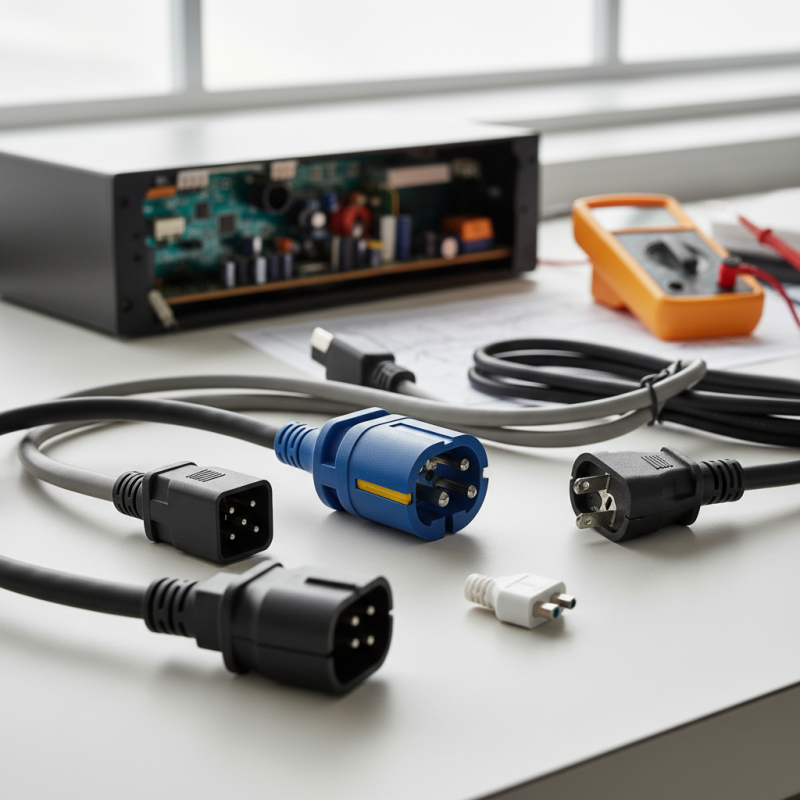
Choosing the right Ac Connector is essential for maximizing equipment efficiency. A properly matched AC connector ensures stable power supply and prevents overheating. This can lead to longer equipment lifespan and reduced energy costs.
When selecting an AC connector, consider the specific power needs of your devices. Check voltage and current ratings carefully. You might think all connectors are the same, but this is a common misconception. Even slight mismatches can cause issues.
Here are some tips: Always prioritize quality over price. High-quality connectors may cost more upfront but can save money in the long run. Keep in mind that environmental factors affect connector performance too. Moisture or dust will degrade connectors faster than expected.
Lastly, don’t overlook safety features. A connector that doesn’t meet safety standards can jeopardize not only equipment but also personnel. Reflect on the choices you make here; they matter more than you might think. Look into the specifications thoroughly, as good decisions lead to better outcomes.
Key Specifications to Consider When Selecting AC Connectors
When selecting an AC connector, several key specifications deserve attention. Start with the current rating, which indicates the maximum current the connector can handle. A higher rating is essential for heavy-duty applications, while lighter devices may function well with lower ratings. Be aware that overloading a connector can lead to overheating and failure.
Furthermore, consider the voltage rating, which denotes the maximum voltage that can safely be connected. It's crucial to match this with your system to avoid hazardous situations. Look at the material of the connector. Options like plastic or metal vary in durability and application. Plastic is lightweight but can degrade over time, while metal tends to offer better longevity but may be heavier.
Lastly, think about the environmental factors, such as temperature and moisture. Some connectors are rated for extreme conditions, while others may fail in harsh environments. Reflecting on these specifications can lead to better decision-making. Choosing a connector might seem straightforward, but countless small details matter. An informed choice enhances safety and efficiency in your projects.
Understanding AC Voltage Ratings and Their Importance
When selecting an AC connector, understanding voltage ratings is crucial. AC voltage ratings tell you the maximum voltage the connector can handle. For instance, standard household outlets often operate at 120V or 240V depending on the region. Ignoring this can lead to equipment damage or hazards.
Consider the Solar Connector used in solar energy applications. These connectors typically support higher voltages, sometimes up to 1000V. This rating is vital for ensuring proper energy flow without loss or risk. A mismatch in voltage can cause overheating. According to recent data from industry reports, nearly 40% of electrical issues stem from incorrect voltage ratings.
Moreover, when using connectors in different climates, factors like temperature and humidity need attention. A connector rated for high voltage may perform poorly in extreme conditions if not chosen wisely. A small oversight can result in failures, costing time and money. Always double-check ratings against your specific needs to avoid mishaps.
Comparing Different Types of AC Connectors: NEMA vs. IEC Standards
When selecting the right AC connector, understanding the standards is crucial. Two primary types dominate the landscape: NEMA and IEC. NEMA connectors are common in North America. They are robust and designed for various environments. In 2021, reports indicated that NEMA connectors accounted for approximately 60% of the AC connector market share in the U.S. Their design features multiple configurations, accommodating straight and angled installations.
On the other hand, IEC connectors are prevalent in Europe and are now gaining traction worldwide. They are versatile and widely used in appliances and IT equipment. The global demand for IEC connectors has been growing, with projections indicating a compound annual growth rate (CAGR) of 5% through 2026. This rise is attributed to increasing international standards and the need for universal solutions.
However, not every connector fits every application. Factors like voltage rating, current capacity, and environmental conditions must be considered. Miscalculating these parameters can lead to safety issues. The importance of proper selection cannot be overstated. Each connector type has its strengths and weaknesses. The right choice impacts performance and safety, which requires careful evaluation.
Comparison of AC Connector Types: NEMA vs. IEC
Factors Influencing AC Connector Durability and Performance
When selecting an AC connector, durability and performance are critical factors. The materials used in the connector significantly impact its lifespan. Connectors made from high-quality metals resist corrosion more effectively, ensuring a solid connection over time. Plastic housings can offer lightweight options, but they often lack the robustness required for demanding environments.
Temperature tolerance is another aspect to consider. Connectors designed for high temperatures can withstand extreme conditions. This durability prevents failures during use. However, not all connectors are rated for the same temperature range. It's essential to match the connector to its intended environment. Users must assess their specific needs before making a choice.
Regular maintenance is also important for performance. Dust and debris can accumulate, affecting the connector's functionality. Cleaning is a task that many often overlook. Ignoring this can lead to unexpected failures. It’s crucial to understand that even the best connectors require care. In the quest for the right AC connector, don't forget to reflect on these practical factors.
Safety Standards and Compliance for AC Connector Selection
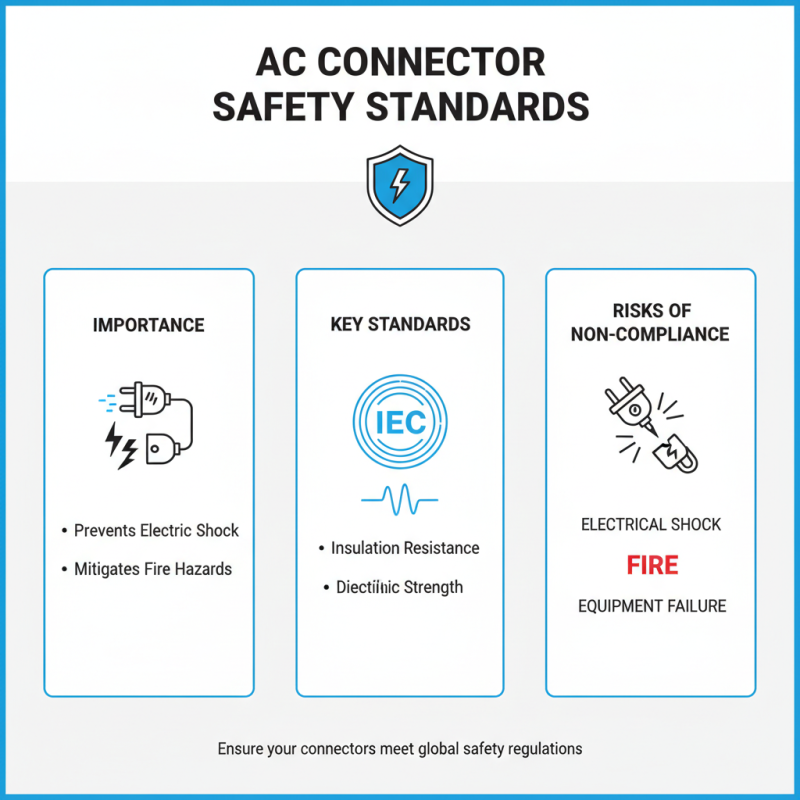
When selecting AC connectors, safety standards are paramount. These standards ensure that connectors can withstand the voltage and current they carry. According to the International Electrotechnical Commission (IEC), connectors must meet specific requirements for insulation resistance and dielectric strength. Failure to comply can lead to dangerous situations, including electrical shocks or fires.
In the context of energy storage systems, the selection of connectors becomes even more critical. Recent reports indicate that connectors account for nearly 10% of the total system failure rate. This statistic highlights the importance of choosing connectors that are resistant to environmental factors like moisture or temperature changes. A suitable Energy Storage Connector should not only align with the application requirements but also adhere to relevant compliance certifications.
However, many manufacturers still overlook these crucial factors. Some connectors may appear functional but fail in real-world conditions. Ignoring proper standards can have severe consequences, including system inefficiencies or complete failures. Understandably, the focus is often on performance metrics, but safety should never be compromised. It’s essential to ensure that any AC connector selected meets all applicable safety regulations to protect both users and equipment.
Industry Trends in AC Connector Technology and Innovations
The landscape of AC connector technology is evolving rapidly. Industries are adopting innovative designs to meet growing energy demands. Enhanced efficiency and improved safety are at the forefront of these changes. New materials and manufacturing techniques are being introduced, allowing for durable and reliable connectors.
As more renewable energy sources come online, the need for effective connectors will increase. Mc4 Solar Connectors, for example, are designed for photovoltaic systems. They are user-friendly and weather-resistant. Yet, some users find installation challenging. Precise alignment is crucial for optimal performance. Small errors can lead to significant inefficiencies.
Looking ahead, interoperability is a key trend. Connectors must work seamlessly across different systems. This requires collaboration among manufacturers. There are concerns about standardization. Different regions may adopt various standards, leading to compatibility issues. It's essential to address these challenges as technology advances.
Innovative Solutions for Sustainable Energy: Exploring the QE100 Energy Storage Connector
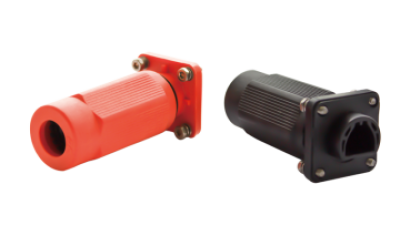
The QE100 Energy Storage Connector represents a leap forward in the quest for sustainable energy solutions. Designed with a focus on innovation and practicality, this connector addresses the pressing need for efficient energy storage systems. Its compact size makes it an ideal choice for installations in narrow spaces, allowing for versatility in various applications. This feature is particularly beneficial for urban environments where space can be a significant constraint.
In addition to its space-saving design, the QE100 boasts low contact resistance. This characteristic not only enhances energy transfer efficiency but also contributes to the longevity and reliability of the system. Users can trust that their energy storage solutions will maintain optimal performance over time. Moreover, the connector includes anti-loosening standoffs, ensuring a secure connection even in dynamic conditions, thus further reinforcing its reliability.
The installation process of the QE100 is streamlined for ease and speed, reducing the time and effort required for setup. This user-friendly aspect empowers engineers and technicians to focus on broader project goals rather than getting bogged down by complex installation procedures. By integrating these features, the QE100 Energy Storage Connector paves the way for innovative applications in sustainable energy, supporting our collective vision of a greener future.
FAQS
: The article aims to inform readers about various topics in a clear way.
Readers should engage with the content thoughtfully. Reflection is encouraged.
Yes, there are guidelines on how to utilize the information effectively.
Readers will find practical examples and descriptive imagery throughout the content.
The information is general but may not suit everyone's preferences or understanding.
Readers can adopt tips gradually, considering their personal context and situation.
The article acknowledges certain imperfections and encourages critical thinking about the ideas.
Readers should avoid taking all advice at face value without personal reflection.
No, the article presents perspectives. Readers should think critically about the information.
They should explore their reasoning and seek alternative viewpoints or solutions.
Conclusion
Choosing the right AC connector is crucial for maximizing equipment efficiency and ensuring safety in various applications. The benefits of using the appropriate AC connector include enhanced performance and reliability, which directly influences the operational capabilities of electrical devices. When selecting AC connectors, key specifications such as voltage ratings, compliance with safety standards, and an understanding of different connector types, such as NEMA and IEC, are paramount.
Furthermore, factors like durability and performance can significantly impact the longevity of connectors, making it essential to consider current industry trends and innovations. By prioritizing these aspects, you can select an AC connector that not only meets your immediate needs but also aligns with future advancements in technology and safety compliance.