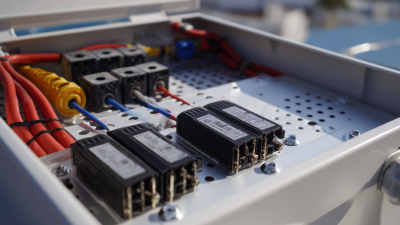
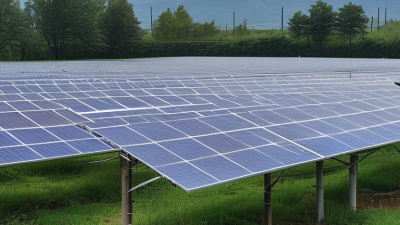
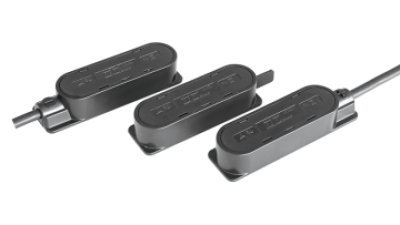
Picking the right Pv Junction Box is pretty important if you're working on a solar project. Think of it like the backbone of your whole solar setup. When you go for a well-designed junction box, it can really boost how well your panels perform and help them last longer. It’s also key to understand the different types and specs out there — because that’s what’s gonna make or break your project.
Here’s the thing: not all PV Junction Boxes are the same. They come in all sorts of sizes, made from different materials, and with varying levels of protection. And honestly, each choice has its pros and cons. Taking the time to compare what’s out there can save you from making a costly mistake. Sometimes, a more expensive option doesn’t necessarily mean better results, so it’s all about balancing quality with your budget.
Getting some advice from the pros can really help you make smarter decisions. Experts can point you toward the best models for your specific needs. Plus, looking at past projects or feedback can give you a good idea of what works and what doesn’t. At the end of the day, a dependable Solar Junction Box can make your system more efficient and safer — which is what we’re all aiming for, right?
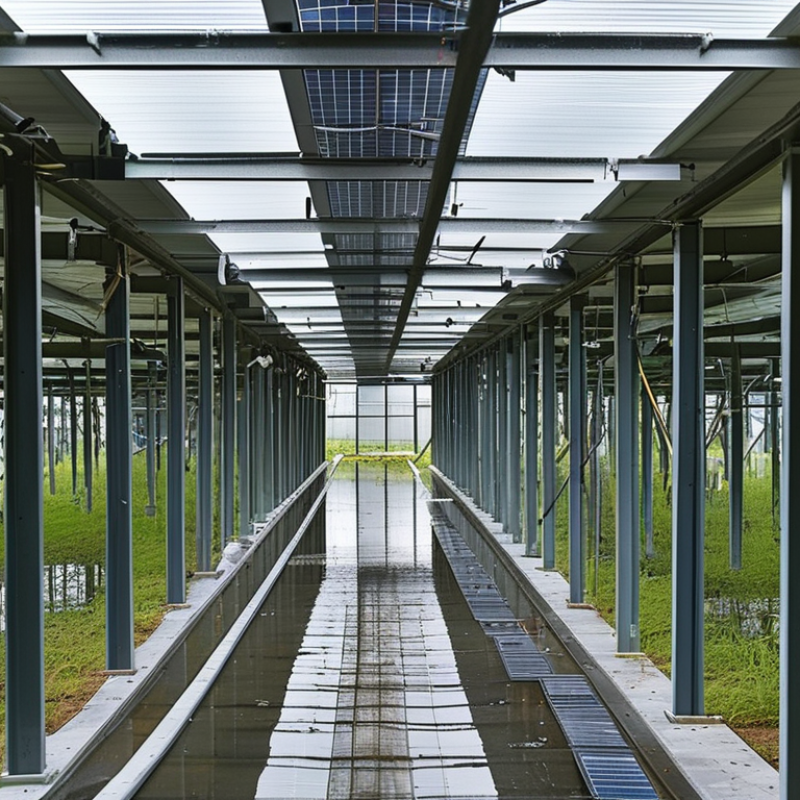
Understanding the Role of PV Junction Boxes in Solar Systems
Understanding the role of PV junction boxes is crucial for any solar project. These boxes protect electrical connections in solar panels. They ensure safety by housing wiring and preventing environmental damage. A well-chosen junction box will enhance the performance of your solar system.
When selecting the right junction box, consider the IP rating. This rating indicates the level of protection against dust and moisture. A higher rating is essential for locations with harsh climates. PV junction boxes must also withstand thermal cycling. This means they should endure changing temperatures without breaking down.
Another important factor is the material used in the junction box. Durable materials prevent corrosion over time. Connectors inside the box should also be robust. They play a vital role in maintaining electrical connections. A poor choice could lead to inefficiencies or failures in the system.
Pay attention to the certifications of the junction box. Look for quality assurance labels to ensure reliability. Not all products meet the same standards, and this can impact your solar project greatly. The right junction box can make a significant difference in long-term performance. Choose wisely for a successful solar installation.
Key Factors to Consider When Selecting a PV Junction Box
When selecting a Pv Junction Box for your solar project, several key factors come into play. One critical factor is the box's protection rating. According to a report by the International Electrotechnical Commission (IEC), a minimum IP65 rating is recommended to ensure optimal performance in harsh weather conditions. This rating protects against dust and low-pressure water jets, both essential for outdoor installations.
Material choice also matters significantly. The box should be made from UV-resistant materials to withstand prolonged sunlight exposure. Polycarbonate or ABS are commonly used due to their durability and resistance to environmental degradation. Proper insulation is crucial as well; it prevents short circuits and ensures safety. A poorly insulated junction box can lead to significant energy losses and safety issues.
Consider the box's thermal management capabilities. A report from the National Renewable Energy Laboratory suggests that effective thermal management can improve module performance by up to 30%. Look for designs that facilitate heat dissipation, thereby extending the lifespan of your solar components.
Tips: Inspect product certifications and compliance with industry standards. Also, factor in the ease of installation and maintenance. A well-designed PV junction box can save costs in the long run through reduced maintenance efforts and increased efficiency.
How to Choose the Right PV Junction Box for Your Solar Project?
| Factor | Description | Considerations |
| Material | The junction box should be made from durable materials to ensure longevity and performance. | Consider weather resistance, UV protection, and corrosion resistance. |
| IP Rating | Ingress Protection rating that defines the level of sealing effectiveness against external elements. | Select a higher IP rating (e.g., IP68) for outdoor applications. |
| Electrical Ratings | Ensure the junction box can handle the voltage and current expected from your solar panels. | Verify compatibility with the total output specifications of the solar array. |
| Size and Design | Size impacts installation space and heat dissipation. | Choose a design that facilitates efficient installation and cooling. |
| Connector Types | Type of connectors used can affect ease of installation and maintenance. | Ensure compatibility with existing solar panel connectors. |
| Safety Features | Look for features such as fuses and surge protection to prevent damage. | Prioritize junction boxes with integrated safety mechanisms. |
| Certifications | Standards and certifications indicate compliance with safety and performance guidelines. | Ensure boxes meet international standards like UL or IEC. |
Types of PV Junction Boxes Available in the Market
When selecting a PV junction box, understanding the types available is crucial. Many options exist, and each serves a specific function. Basic models often include standard junction boxes that handle common wiring tasks. More sophisticated options might feature integrated bypass diodes or thermal management systems. These enhancements can improve the efficiency and longevity of your solar setup.
Some junction boxes are designed for extreme conditions. They use rugged materials to withstand environmental stressors. These robust models can be beneficial for installations in harsh climates. However, choosing a cheaper, less durable box might save money upfront but can lead to issues later. When looking at options, always consider your project’s specific needs.
It's essential to reflect on the installation environment. Outdoor systems may require weatherproof designs, while indoor systems may not. The wrong choice can lead to failures and costly repairs. Evaluating your unique situation will guide you toward the most suitable solution.
Types of PV Junction Boxes Available in the Market
Evaluating the Environmental Conditions for Junction Box Selection
When selecting a photovoltaic (PV) junction box, understanding environmental conditions is crucial. The surrounding climate and installation location significantly influence performance and durability. For instance, high temperatures can affect electronic components, leading to potential failures. If the project is in a coastal area, saltwater corrosion is a concern. Practicing good judgment in these evaluations can save time and costs down the road.
Humidity levels also play a key role. High humidity can lead to moisture buildup, increasing the risk of electrical faults. To mitigate these issues, choosing materials with appropriate resistance ratings is essential. Moreover, local wildlife can pose unexpected challenges. Birds and rodents may damage components. Using enclosures with adequate protection from these pests ensures reliability.
Reflecting on past projects can reveal mistakes. A box underestimated for temperature tolerance may lead to malfunctions. Additionally, an overlooked UV exposure might degrade plastic components faster. Learning from these scenarios is vital for future selections. Each project presents unique challenges. A thorough understanding of the environment leads to better choices that enhance system longevity.
Assessing Electrical Specifications for Optimal Performance
Choosing the right PV Junction Box is crucial for solar project success. The electrical specifications play a vital role in ensuring optimal performance. According to a report by the International Renewable Energy Agency (IRENA), up to 80% of solar panel failure can be attributed to poor junction box selection. Therefore, understanding the key specifications is essential.
The rated voltage of the PV Junction Box should match the system voltage. A mismatch can lead to inefficiency. For instance, a typical PV module operates at around 30-40 volts. If the junction box accommodates higher voltage ratings, it may compromise performance and safety. Additionally, consider the current rating. Research indicates that junction boxes rated below 10A can overheat. This overheating may lead to fire hazards or reduced lifespan.
Another important specification is the temperature range. A junction box that cannot withstand extreme temperatures can fail prematurely. In regions with high irradiance, temperature fluctuations can greatly affect box integrity. Solar Energy Industries Association (SEIA) stresses the importance of sourcing junction boxes with robust thermal management systems. Lastly, ensure the moisture ingress protection rating aligns with local environmental conditions. Poor ratings can lead to internal corrosion, severely impacting reliability and efficiency.
Compatibility with Solar Panel and Inverter Requirements
Choosing the right photovoltaic (PV) junction box is crucial for any solar project. One of the most important factors to consider is compatibility with solar panel and inverter requirements. Each component of a solar system must work together seamlessly. This ensures optimal performance and the longevity of your installation.
When selecting a junction box, verify its specifications match your solar panels. Pay attention to the voltage and current ratings. These specifications should align with your solar panels' output. If they don’t, performance issues may arise. Always check the wiring configurations as well. An incompatible setup can lead to inefficiencies or damage.
Consider the environmental conditions where the system will be installed. A junction box needs to withstand local weather. For instance, areas with high humidity may require a different sealing technique than dry regions. Reflect on the potential long-term impact of environmental factors on your tools.
There are some key things to remember. Research the materials used in the junction box. UV-resistant and durable options extend the life of your solar system. Take your time to analyze different options. Rushing this choice can lead to costly mistakes later. Ensuring compatibility will save time and resources down the line.
Best Practices for Installation and Maintenance of Junction Boxes
When installing a photovoltaic (PV) junction box, it's vital to prioritize best practices. Proper placement is crucial. The junction box should be sheltered from direct sunlight and water exposure. Ensuring this reduces the risk of overheating and electrical failures. Regular inspection is neglected often. Check connections for corrosion and moisture accumulation at least twice a year.
Maintenance routines should include cleaning the outer casing. Dust and debris can impede heat dissipation. Ensuring clear airflow helps maintain efficiency. However, some users might overlook minor signs, thinking they are inconsequential. This can lead to larger issues over time.
Educating your team on handling junction boxes is essential. Incorrect handling during installation can cause long-term damage. Using the right tools and techniques enhances reliability. Communication within the team about potential problems is key. A small oversight can snowball into larger electrical issues. Investing time in proper training can prevent costly repairs down the line.
Exploring the QC 181821 Series Solar/PV Junction Box: Insights from the 2023 Global Solar Market Report
The QC 181821 Series Solar/PV Junction Box stands out in the rapidly evolving renewable energy landscape, especially highlighted in the 2023 Global Solar Market Report. This innovative junction box design integrates multiple functionalities that cater to the growing needs of solar power systems. One of its key features is the glass-glass configuration, which not only enhances durability but also optimizes performance, making it a reliable choice for various solar installations.
With a unique configuration that features three junction boxes on a single board, the QC 181821 offers remarkable versatility. This design allows for multiple cable outlet options, facilitating easier installation and maintenance while accommodating diverse electrical setups. By streamlining the junction box into a single unit, this solution effectively enhances power output and efficiency, which is crucial for maximizing energy yield in solar applications. Furthermore, the focus on cost reduction through its innovative design makes the QC 181821 an attractive option for both manufacturers and end-users, ensuring that the transition to renewable energy is accessible and affordable.
FAQS
: A suitable junction box ensures seamless compatibility with solar panels and inverters, impacting performance and longevity.
Verify the specifications, focusing on voltage and current ratings to match your solar panels’ output.
Junction boxes must withstand local weather. Different climates may require unique sealing techniques and materials.
Choose UV-resistant and durable materials to enhance the lifespan of your solar system and avoid future issues.
Regular inspections should occur at least twice a year to check for corrosion and moisture accumulation.
Position it away from direct sunlight and water exposure to minimize risks of overheating and electrical failures.
Neglecting small problems may escalate into significant failures, resulting in costly repairs over time.
Yes, educating the team prevents incorrect handling, which can lead to long-term damages and electrical issues.
Regularly clean the outer casing, as dust can impede heat dissipation and affect overall efficiency.
Rushing can lead to mistakes, resulting in incompatibility and wasted time and resources later.
Conclusion
In the solar energy sector, selecting the right PV Junction Box is crucial for ensuring the efficient operation and longevity of solar systems. PV Junction Boxes serve as critical connection points, protecting electrical circuits from environmental elements. When choosing a box, key factors include understanding its role, assessing environmental conditions, and evaluating electrical specifications to ensure optimal performance.
There are various types of PV Junction Boxes available in the market, each designed to meet specific needs. It's essential to consider compatibility with solar panels and inverters to avoid performance issues. Additionally, adhering to best practices during installation and maintenance can significantly enhance the reliability of PV Junction Boxes, ultimately contributing to the overall success of solar projects.