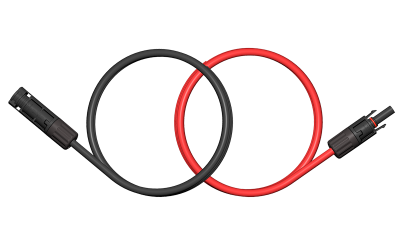
In today’s fast-changing world of renewable energy, choosing the right Solar Cable is more important than ever. I mean, if you’ve read the latest from the International Renewable Energy Agency (IRENA), you’ll see that solar power capacity has been skyrocketing — hitting over 700 GWjust in 2020! That really shows how much the demand for reliable, efficient connections in solar setups is growing. At Qc Solar, we live by the motto“Quick, Professional, Customer Delight,” because we get how crucial high-quality solar cables are for making sure your system runs smoothly and produces the best energy possible. As we aim to grow as a global brand for solar storage connections, we believe it’s really important to help renewable projects pick the right solar cables—ones that are safe, durable, and efficient. Ultimately, it’s all about supporting the sustainable growth of the solar industry and making a positive impact on society as a whole.
Key Factors to Consider When Choosing Solar Cables
When you're starting out with renewable energy projects, picking the right solar cable is pretty important — it’s key to making sure everything runs smoothly and safely. One thing you really wanna pay attention to is the cable’s temperature rating. The National Renewable Energy Laboratory (NREL) points out that these cables can face temperature swings from as low as -40°C to as high as +90°C, depending on where and how they’re installed. So, it’s crucial to choose cables that can handle these extremes, otherwise you risk premature failure and messing up the long-term performance.
Another big deal is the cable’s current-carrying capacity. This mainly depends on the size of the cable and what kind of insulation it has. According to the folks at the International Electrotechnical Commission (IEC), going with a cable that's too small can cause voltage drops, which might cut your system’s efficiency by as much as 10%. Picking the right gauge isn’t just about maximizing energy output — it also means you’re reducing losses, and in the end, saving money. Plus, if you're installing cables outdoors, you wanna check their UV resistance and how tough they are mechanically. Rough environmental conditions can seriously impact how long your cables last and how well they perform over time.
Ultimate Guide to Choosing the Right Solar Cable for Your Renewable Energy Projects - Key Factors to Consider When Choosing Solar Cables
| Cable Type | Conductor Material | Temperature Rating | Voltage Rating | Length Options | Application |
| Solar Pv Cable
| Copper | -40°C to +90°C | 1,000 V DC | 1m, 2m, 5m, 10m | Solar power systems |
| XLPE Insulated Cable | Aluminum | -20°C to +90°C | 0.6/1 kV | 100m, 250m | Grid connection |
| H07RN-F Cable | Copper | -25°C to +60°C | 450/750 V | 5m, 15m, 30m | Outdoor applications |
| TUV Certified Solar Cable | Copper | -40°C to +120°C | 1,500 V DC | 10m, 20m, 50m | High performance solar systems |
Comparing Different Types of Solar Cables: Pros and Cons
When you're picking out solar cables for your renewable energy setup, it’s pretty important to think about the pros and cons of different types. For example, the most common ones are solar photovoltaic (PV) cables—these are made specifically for solar panel systems and usually meet strict safety standards. They’re great because they resist UV rays really well and are flexible, which makes them perfect for outdoor use. That said, because they’re specialized, they can sometimes cost a bit more than your standard wiring.
On the other hand, low-voltage cables can be a save, especially if you’re working on a smaller solar project or doing a DIY install. They’re usually cheaper and easier to handle, but they might not hold up as well against tough weather conditions. Also, when choosing between multi-conductor and single-conductor cables, keep in mind that multi-conductor types can speed up your installation but might be a pain in tight spaces. At the end of the day, the right choice really depends on the size of your project, where you’re installing it, and how much you’re willing to spend. Picking the right cables means your solar system will run smoothly and safely—no compromises needed!
Understanding Solar Cable Specifications: What Matters Most
When you're diving into renewable energy projects, picking the right solar cables is kind of a big deal for making sure everything works smoothly and lasts a long time. Knowing a bit about solar cable specs can really help you make smarter choices—stuff that affects both how efficient your system is and how safe it is. Things like voltage ratings, temperature ranges, and insulation materials are super important to keep an eye on. Good quality cables are built to handle outdoor elements, resist UV rays, and stay durable over time, which means fewer worries about failures down the line.
Another thing to think about is how much current the cables can carry. You wanna make sure those specs match what your solar setup needs. If you go too big, you might just be wasting cash, but if you go too small, your cables could overheat and cause real safety issues. Also, don’t forget to look at where you're installing them—harsh environments mean you need cables with extra protection. By carefully checking out these details, you’ll be able to pick solar cables that not only meet the standards but also boost your system’s efficiency. Plus, it all helps support the ongoing growth of the global wire and cable market, which is pretty exciting!
Cost vs. Quality: Finding the Best Value in Solar Cables
Starting a renewable energy project, especially when it comes to solar setups, really puts the spotlight on choosing the right cables. It’s one of those classic debates in the industry—cost versus quality. As the Solar Energy Industries Association (SEIA) points out, the lifespan and performance of your cables can make a huge difference in how well your solar system works and how long it lasts. Sure, grabbing cheaper cables might seem like a smart move to save some bucks upfront, but honestly, going for good quality is pretty much essential. Cheaper wiring often heats up more, which can cause it to break down faster. In fact, some studies suggest that using lower-quality cables could cut your energy output by up to 20%. That’s a pretty big hit, don’t you think?
On top of that, the National Renewable Energy Laboratory (NREL) stresses that reliable solar cables not only tough out environmental challenges but also make your system safer overall. Considering that most solar energy setups last around 25 years, having cables that can handle extreme temperatures and UV exposure really pays off. It helps cut down on maintenance costs and reduces safety risks, which is a win-win. In the long run, a small extra investment in quality cables can save you a lot of money and hassle later on. That's why, when it comes to solar projects, finding the best bang for your buck with your cables is a smart move if you want your system to be sustainable and profitable over time.
Environmental Impact: Choosing Eco-Friendly Solar Cable Options
When you're picking out solar cables for your renewable energy project, one thing that really shouldn't get overlooked is how much they impact our environment. Choosing eco-friendly solar cables can make a big difference in cutting down the carbon footprint of your setup. I mean, according to a report from the International Renewable Energy Agency (IRENA), demand for renewable energy components—like cables—could skyrocket by 300% come 2030. That’s a huge leap, and it pretty much means we need to start using materials that are not just effective but also sustainable, right?
Here at QC Solar, we totally get how important this is. That’s why we’re all about promoting greener choices through responsible product selection. Using recyclable materials and biodegradable options for our solar cables helps lower the environmental impact quite a bit. For example, replacing traditional plastic insulation with eco-friendly alternatives can cut greenhouse gas emissions during production and disposal by over 60%. By focusing on eco-conscious options, we’re not just sticking to our values but also supporting the bigger picture—helping push the industry toward more sustainable practices. And honestly, this approach not only makes our customers happy, but it also gets everyone involved in protecting the planet we all share.
Environmental Impact of Different Solar Cable Materials
Installation Tips for Various Solar Cable Types: A Practical Guide
When you're setting up solar cables for those renewable energy projects, it's super important to pick the right kind and understand how to install them properly. There are a few different types out there, like PV1-F and H1Z2Z2-K cables, each meant for specific applications. For instance, PV1-F cables are usually what you’d use to connect your solar panels to the inverters—they’re pretty flexible and hold up well against UV rays, which is a big plus. If you’re working on a rooftop, just make sure to secure those cables properly so they don’t move around or get damaged from wind or weather.
When you're actually doing the installation, don’t forget to pick the right gauge for the length of your runs and the amount of current you’re dealing with. Thicker cables usually mean less resistance and less heat, which helps your system run smoothly. Keep an eye out for voltage drops, and make sure your connectors are rated for outdoor use—weather can be unpredictable. Also, routing the cables carefully and keeping them away from hot spots can really extend their lifespan and keep your system running efficiently. Just follow these tips, and you'll make sure your solar setup is not only effective but safe too. It might seem a bit detailed, but trust me, doing it right from the start really pays off in the long run!
Maximize Your Solar Setup with QC Solar Extension Cables: The Essential Guide to Efficiency and Flexibility
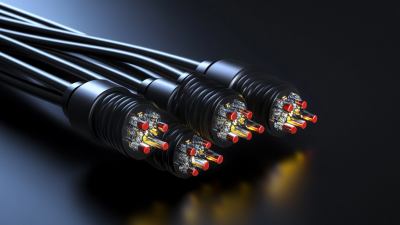
Maximizing your solar setup is crucial for achieving optimal efficiency and flexibility, and using high-quality extension cables can make a significant difference. QC Solar Extension Cables are designed to enhance the performance of your solar system. With a flexible, 4D bending radius, these cables are incredibly easy to install, allowing you to set up your solar panels in a variety of orientations without worrying about limitations caused by rigid cabling.
In addition to flexibility, QC Solar Extension Cables are built to last, featuring exceptional flammability resistance up to level VW-13. This means you can trust that they will remain safe and effective, even in challenging conditions. Furthermore, these cables offer resistance against oil, acid, alkali, water, wear, and cracking, ensuring durability over time. With all materials compliant with ROHS and REACH standards, you can count on these cables not only for efficiency but also for environmental responsibility. Embrace the flexibility and performance offered by QC Solar Extension Cables and elevate your solar energy experience.
FAQS
: Key specifications include voltage rating, temperature range, insulation material, current-carrying capacity, and compatibility with the installation environment.
The current-carrying capacity must align with the solar system's demands; oversizing can be costly, while undersizing can lead to overheating and hazards.
Common types include PV1-F cables, which are used for connecting solar panels and inverters, and H1Z2Z2-K cables, designed for specific applications.
It's essential to select the correct gauge based on run length and total current, use thicker cables to reduce resistance, and properly secure cables to minimize movement and damage.
Cables must be resistant to UV radiation and other environmental stressors; harsh conditions require extra protection to ensure durability.
Select connectors that are rated for outdoor use to withstand varying weather conditions, ensuring they are compatible with the solar cable type.
Proper routing and distancing from heat sources can significantly enhance the longevity and efficiency of solar cables.
Following regulatory standards ensures both safety and compliance, maximizing the performance and reliability of your solar energy project.
Undersized cables may lead to overheating, increased resistance, and potential safety hazards in the solar energy system.
The insulation material affects the cable's resistance to environmental elements, ensuring durability and lowering the risk of failure over time.
Conclusion
Hey there! So, in our 'Ultimate Guide to Choosing the Right Solar Cable for Your Renewable Energy Projects,' we’re diving into all the key factors you need to think about when picking your solar cables. We’ll walk through the pros and cons of different types, plus the important specs you should keep in mind. This way, you can feel confident making smart decisions for your solar setup. We also chat about finding that sweet spot between cost and quality—so you get good value without sacrificing reliability—and we touch on the environmental side of things, like choosing eco-friendly options.
On top of that, we’ve got some handy installation tips to help you make the most of different cable types, making sure everything’s safe and runs smoothly. At QC Solar, we really stand behind our fast, professional service, but we also want you to have a great experience every step of the way. Our main goal is to provide top-notch solar cables that fit your needs, all while supporting the growth of solar energy and a more sustainable future. We’re here to help you hit your renewable energy goals and make your projects a success!