Leave Your Message
0%

Picking the right solar Panel Cables really matters if you want your system to run smoothly and safely. Like industry pro Michael Lee from Solar Solutions points out, “The right cable can make all the difference in how your setup performs.” There are lots of different types of solar cables out there, each with their own perks. Knowing what to look for can help you avoid connection issues later on.

It’s super important that these cables can handle tough conditions — think UV rays, hot summers, or rainy weather. Good quality materials don’t just last longer; they keep your whole system working nicely. But honestly, a lot of folks don’t pay enough attention to this stuff. Some cables might look fine but aren’t rated for outdoor use, which can lead to snap failures when you least expect it.

Sometimes, people underestimate how crucial good cable selection is. Using the wrong ones can mean energy leaks or even damage to your system — not fun. Do a bit of homework, or even better, ask an expert. Don’t settle for cheap or mediocre options. The goal is to have a solid, reliable connection that boosts your solar energy system’s efficiency and keeps everything running smoothly.
How to Choose the Right Solar Panel Cable for Your Installation

Understanding Solar Panel Cables: Types and Specifications

When installing solar panels, selecting the right cable is crucial. Solar panel cables are not just ordinary wires. They must withstand various environmental conditions. There are different types of cables used in solar installations, primarily PV (photovoltaic) cables. These cables are designed to handle direct exposure to sunlight, heat, and moisture.

When choosing cables, consider specifications. Cable size, gauge, and insulation type matter. Thicker cables can carry more current but may be harder to work with. The insulation should be weather-resistant. Pay attention to the temperature rating as well. Cables may have to endure high temperatures during peak sunlight.

Tips: Ensure that the cables you select comply with safety standards. Look for UV resistance in materials. Test the flexibility of cables, especially for tight spaces. Reflect on the length needed; longer cables can lead to energy losses. Using the wrong type of cable can lead to performance issues later on. Think about the future too; will you expand your system?

Factors to Consider When Choosing Solar Panel Cables

How to Choose the Right Solar Panel Cable for Your Installation

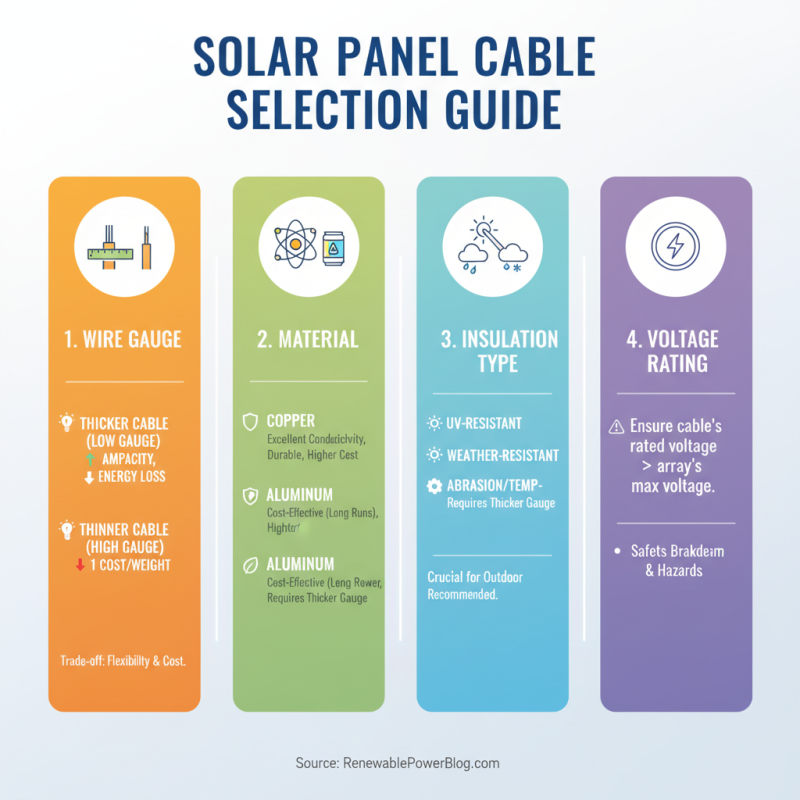
Choosing the right solar panel cable is crucial. Several factors come into play when making this decision. First, consider the wire gauge. A thicker cable can handle more current, reducing energy loss. However, it may also be heavier and less flexible. This trade-off can complicate installation.

Next, think about the environmental conditions. Cables exposed to sunlight degrade faster. Look for cables with UV resistance. Always check the temperature rating, too. If it gets too hot, cables can fail. This could lead to costly repairs.

Lastly, reflect on the installation layout. Shorter runs can use thinner wires. Longer distances may require thicker cables. Planning ahead can save money and ensure efficiency. Be mindful of these details during your selection process. It’s essential to find a balance that works for your specific needs.

Assessing Voltage and Current Ratings for Solar Panel Cables

How to Choose the Right Solar Panel Cable for Your Installation

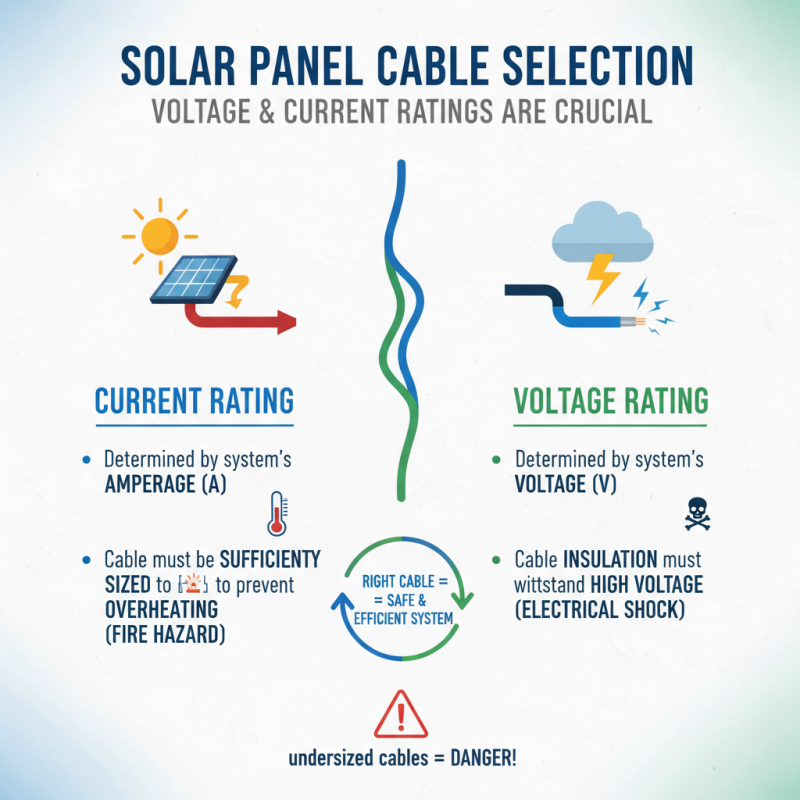
When choosing the right solar panel cable, voltage and current ratings play crucial roles. Solar systems generate electricity based on sunlight. Each component, including cables, must handle this power safely. If the cable is undersized, it can lead to overheating. High voltage could also cause insulation breakdown, leading to potential hazards.

Voltage ratings indicate the maximum voltage the cable can handle without failure. It's essential to ensure your voltage rating matches or exceeds the output from the solar panels. Current ratings reflect how much electric current a cable can carry. Oversized cables can be cumbersome, while undersized cables can be dangerous. Balancing between size and efficiency requires careful thought.

Consider installation specifics too. Environmental factors matter. For instance, extreme temperatures can impact cable performance. Choosing cables that can withstand such conditions is important. Don’t overlook the insulation type, as it affects durability. Sometimes, the cheapest option isn’t the best choice. Reflecting on your needs now can save you issues later.

Evaluating Cable Length and Installation Requirements

Choosing the right cable length is crucial for solar panel installations. A longer cable can lead to significant power losses. According to research, voltage drop can increase by 2% over a distance of 20 meters. This means less efficiency in energy transfer. The recommended voltage drop for solar installations is less than 3%.

Installation requirements also play a vital role. Different environments may demand specialized cables. For instance, UV-resistant cables are necessary for outdoor setups. Extreme temperatures can affect cable performance too. High heat can degrade insulation, leading to potential failures. It’s essential to consider local climate conditions when selecting cables.

Budget constraints might lead to compromises. Using cheaper cables can result in increased maintenance costs. Always weigh short-term savings against long-term performance. Quality should not be an afterthought. Take time to evaluate the necessary specifications. This ensures that your installation can operate efficiently and safely over the long term.

Material Options: Copper vs. Aluminum for Solar Cables

When selecting solar panel cables, the choice of material is crucial. Copper and aluminum are the two most common options. Copper has a higher conductivity than aluminum, which translates to better performance in solar installations. According to industry data, copper cables can carry more current, making them ideal for high-efficiency systems. This conductivity helps minimize energy loss, which is essential for maximizing solar energy output.

However, aluminum has its advantages too. It is lighter and generally less expensive than copper. For larger installations, these factors can lead to significant cost savings. The Solar Energy Industries Association (SEIA) notes that aluminum cables can be nearly 50% cheaper than their copper counterparts. Despite this, aluminum cables can oxidize, leading to increased resistance over time. This oxidation can lower the efficiency of the solar system.

The durability of the cable also matters. Copper cables tend to last longer, while aluminum may require more frequent replacements. This aspect adds long-term costs to installations using aluminum. Buyers must weigh these factors carefully. Making the right choice depends on specific installation needs and budget constraints. Each option has strengths and weaknesses that should not be overlooked.

Importance of UV Resistance and Weatherproofing in Solar Cables

When choosing solar panel cables, UV resistance and weatherproofing stand out. Solar cables endure harsh climates. They face relentless sun exposure, rain, and dust. A report by the Solar Energy Industries Association shows that improper cabling can reduce an installation's efficiency by up to 20%. This inefficiency can lead to significant energy loss over time.

UV resistance is critical. Cables lacking proper shielding can degrade quickly. A study indicates that UV damage can reduce cable lifespan by 50%. This deterioration often goes unnoticed until problems arise. Weatherproofing is equally vital. Poorly shielded wires are susceptible to moisture, leading to corrosion and eventual failure. This is a common issue that installers must address.

Real-world installations share stories of cable failures. In some cases, aesthetic choices overshadow functionality. Homeowners prioritize appearance, only to face increased repair costs later. It's a lesson in balancing beauty with practicality. Investing in the right materials pays off long-term. Consider quality over cost when selecting solar panel cables. The benefits can be substantial.

How to Choose the Right Solar Panel Cable for Your Installation - Importance of UV Resistance and Weatherproofing in Solar Cables

Cable Type UV Resistance Temperature Rating Waterproof Rating Recommended Use
Solar Pv Cable High (up to 1000 hours) -40°C to 90°C IP67 Solar panel connections
H05VV-F Cable Moderate (up to 500 hours) -20°C to 60°C IP54 Indoor installations
XLPE Insulated Cable Very High (up to 2000 hours) -40°C to 90°C IP68 Outdoor and severe environments
TPE Insulated Cable High (up to 1500 hours) -40°C to 80°C IP66 Flexible installations

Compliance Standards and Safety Regulations for Solar Panel Cables

When selecting solar panel cables, compliance with standards and safety regulations is essential. These regulations ensure safe performance and durability. In the United States, the National Electrical Code (NEC) outlines specific requirements for cable types and installation methods. For instance, wires rated for direct burial must withstand harsher environmental conditions.

According to a report by the Solar Energy Industries Association, improper wiring is a leading cause of solar panel system failures. To mitigate risks, cables should be rated for the adequate temperature and UV exposure. Many installers overlook the importance of using cables with appropriate insulation. Poor insulation can lead to energy losses and safety hazards.

Regular checks of the installation are critical. It is vital to look for signs of wear or damage. The lack of attention to these details can result in significant issues. Standards such as UL 4703 ensure that all components meet rigorous safety criteria. However, many installations fall short of these benchmarks, leading to potential fires or system failures.

Solar Panel Cable Compliance Standards and Safety Regulations

Maximizing Efficiency and Safety: The EL8/10 Energy Storage Cable Harness for Modern Energy Solutions

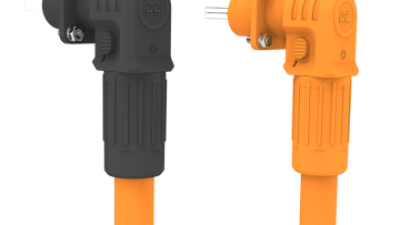
The EL8/10 Energy Storage Cable Harness stands out as a crucial component for modern energy solutions, focusing on enhancing both efficiency and safety. Its dual button design offers an ergonomic advantage, making it more user-friendly during installation and operation. This thoughtful design aspect encourages optimal usage and minimizes the risk of user error, contributing to a seamless experience for technicians and end users alike.

Safety features are prominently integrated into the harness with a double locking mechanism comprising an angle lock and a pull-out lock. This dual locking system ensures that connections remain secure under various conditions, protecting against potential accidents or failures. Additionally, the positive and negative dulling feature provides an added layer of protection, preventing accidental miswiring in energy storage applications. Furthermore, the anti-stripping design of bolts enhances connection integrity, reducing the risk of loosening over time, which is critical for maintaining long-term reliability in energy systems.

FAQS

: What are the main benefits of regular exercise?

: Regular exercise improves physical health. It boosts energy levels and enhances mood.

How often should one exercise per week?

Aim for at least 150 minutes of moderate activity weekly. This can be broken into shorter sessions.

What types of exercises are most effective?

Cardiovascular, strength training, and flexibility exercises are effective. Each type contributes uniquely to fitness.

Can exercise help with stress relief?

Yes, exercise reduces stress and anxiety. It releases endorphins, which promote feelings of happiness.

What should I do if I'm new to exercise?

Start slowly to avoid injury. Gradually increase intensity and duration over time. Listen to your body.

Are there exercises that can be performed at home?

Yes, many effective home workouts require little or no equipment. Bodyweight exercises are particularly useful.

How can I stay motivated to exercise regularly?

Set realistic goals and track progress. Having a workout buddy can keep you accountable and motivated.

What if I miss a workout?

Missing one workout is okay. Reflect on what happened and try to get back on track.

Is it normal to feel sore after exercising?

Yes, some soreness is normal, especially for beginners. It indicates muscles are adapting.

What should I eat before and after workouts?

Eating a small snack before exercising can provide energy. Post-workout meals should focus on protein and carbs for recovery.

Conclusion

Choosing the right Solar Panel Cable is crucial for the efficiency and safety of any solar installation. This article outlines key aspects to consider, starting with an understanding of the different types and specifications of solar panel cables. Factors such as voltage and current ratings must be assessed to ensure compatibility with your system, while cable length and installation requirements play a significant role in overall performance.

Additionally, the choice between materials like copper and aluminum can impact efficiency and durability. The importance of UV resistance and weatherproofing cannot be understated, as these features ensure the longevity of the cables in outdoor conditions. Finally, compliance with safety regulations and standards is vital to safeguarding your installation against potential hazards. By carefully evaluating these components, you can select the most suitable solar panel cable for your needs.
Ethan

Ethan

Ethan is a dedicated marketing professional at Suzhou Kuaike Electronics Photovoltaic Co., Ltd., where he plays a crucial role in promoting the company’s innovative solar energy products. With a deep understanding of the photovoltaic industry and its technologies, Ethan excels in conveying the......
Previous The Ultimate Guide to Choosing the Best Mc4 Cable for Your Solar Projects