Leave Your Message
In today's fast-changing world of renewable energy, picking the right DC connector is super important for making solar energy systems work smoothly and efficiently. With the global Solar Connector market expected to grow around17.5% annually from 2021 to 2026—thanks to more and more folks using solar across different industries—it's really important for engineers and project managers to choose their Connectors wisely.
At QC Solar, we stick to our motto: 'Quick, Professional, Customer Delight.' Our goal is to become a leading player worldwide in solar storage connections, helping push the industry and society forward toward sustainability. Picking the right DC connector isn’t just about performance and reliability; it can make or break the success of a renewable project. Ultimately, it all ties into the bigger picture of shifting towards smarter, more resilient energy solutions.
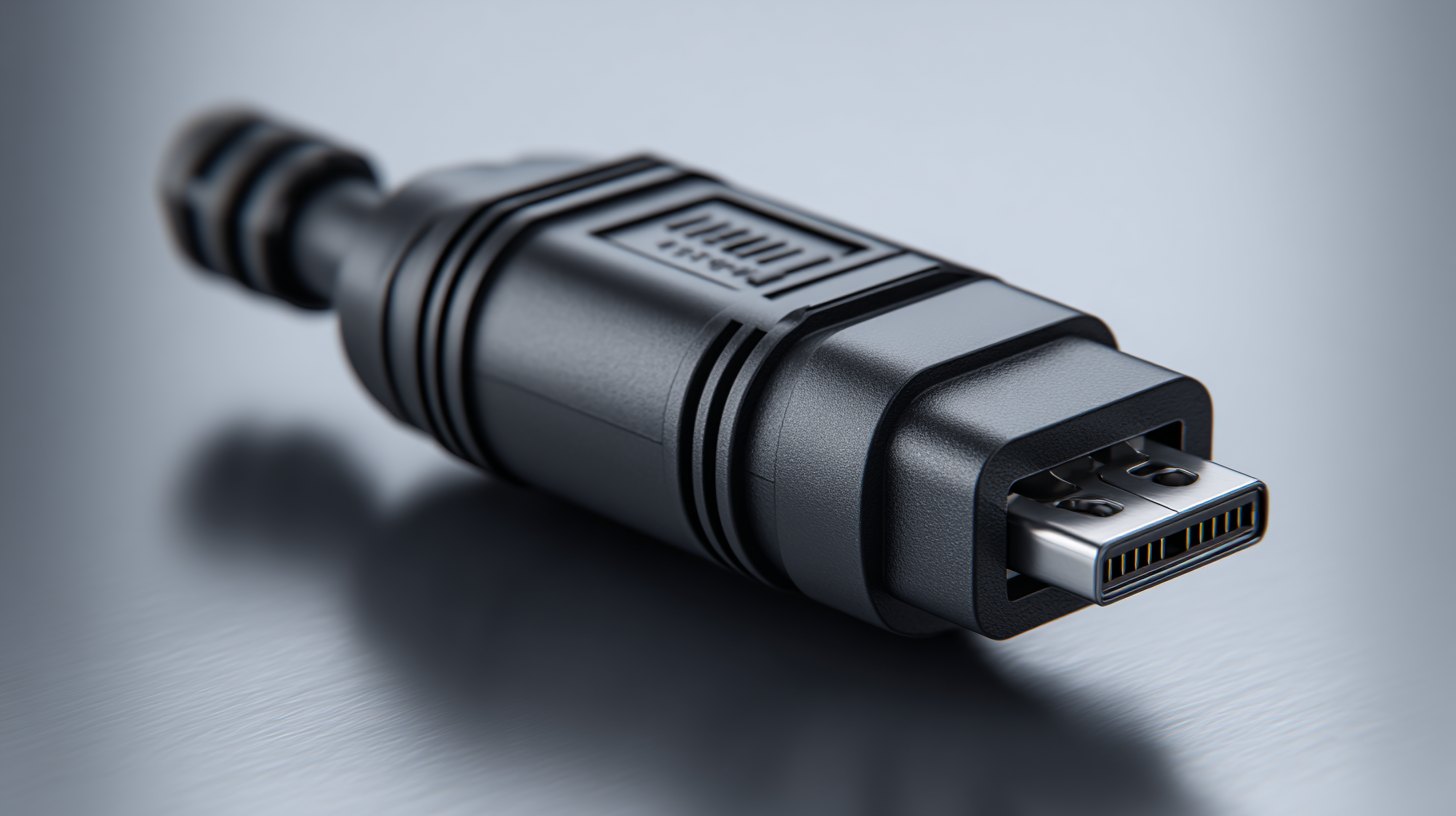
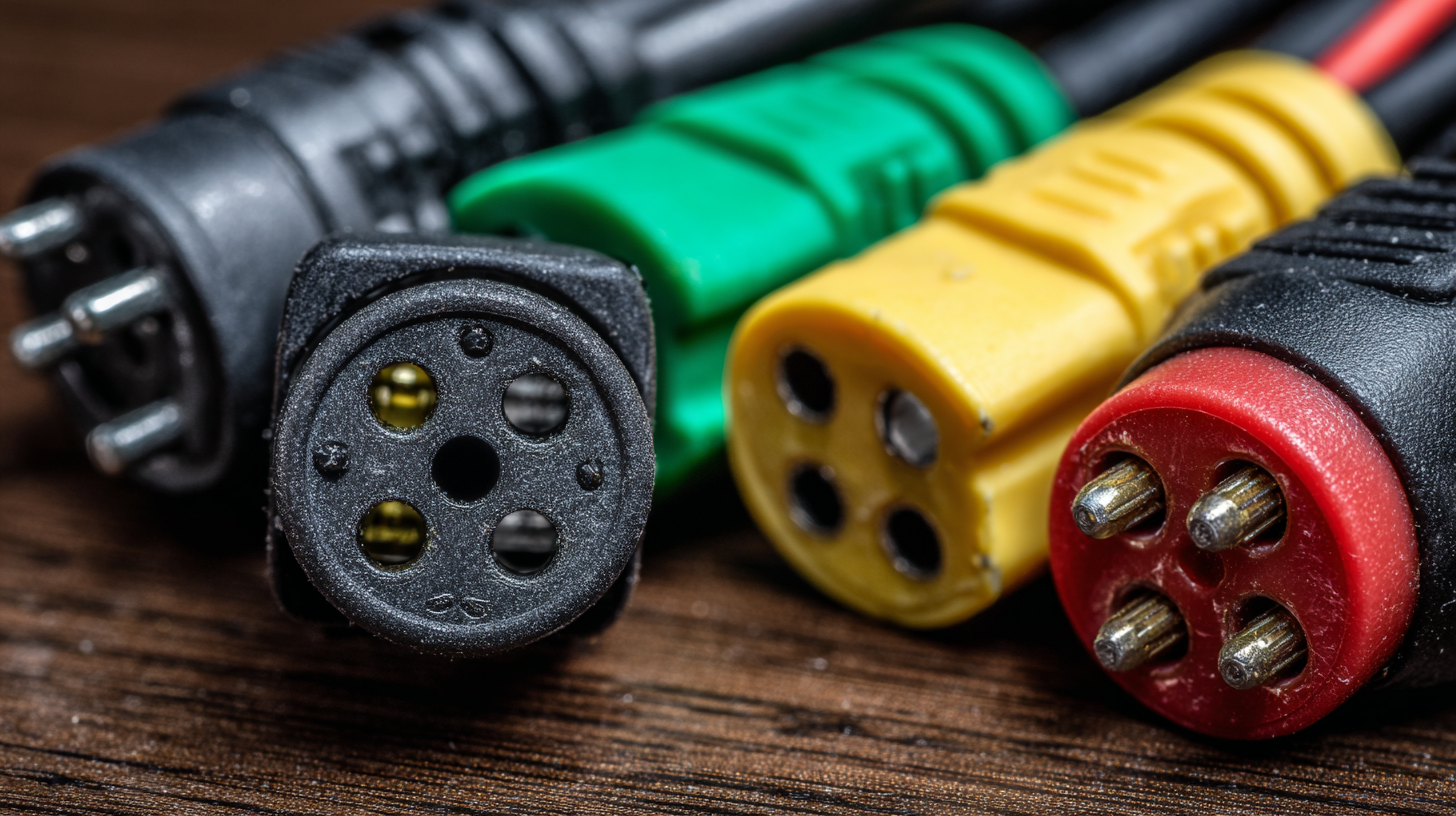
Diving into the world of DC connectors can feel a bit overwhelming at first, but it’s actually pretty interesting once you get the hang of it. There are so many types out there, each designed for different power needs and voltages. For example, you’ve probably seen barrel connectors—they’re the classic cylindrical ones that just fit right into their matching ports. You’ll find them all over in everyday gadgets like laptops and gaming consoles because they’re reliable and straightforward. Then there’s the JST connector, which is smaller and super versatile—great for hobby projects or small electronics where space is tight.
But it’s not just about the basic types. For higher power needs, connectors like the XT60 and Anderson Powerpole come into play—they’re built to handle really hefty current loads, often used in things like RC cars or high-performance electrical setups. The key is understanding what each connector can handle in terms of current, voltage, and size. Picking the right one makes a big difference in how well your project works and how long it’ll last. Whether you're powering up a simple circuit or a complex machine, choosing the right DC connector is a crucial step that can really impact the whole thing.
| Connector Type | Voltage Rating | Current Rating | Pin Count | Usage |
|---|---|---|---|---|
| Barrel Connector | Up to 30V | Up to 10A | 2 | Common in consumer electronics |
| XT60 Connector | Up to 14V | Up to 60A | 2 | Used in RC applications |
| Molex Connector | Up to 12V | Up to 10A | 2-12 | Typically for PC and peripherals |
| JST Connector | Up to 25V | Up to 3A | 2-10 | Widely used in battery connections |
| Anderson Powerpole | Up to 600V | Up to 120A | 2-4 | Used in high-current applications |
In the ever-evolving landscape of solar energy, maximizing efficiency is paramount for both residential and commercial applications. The recent insights from the 2023 Global Photovoltaics Market Report highlight the significant role that innovative connectors, such as the AC01-PF and AC01-WM, play in enhancing solar system performance. These connectors, designed for seamless integration and optimal energy transfer, offer substantial advantages that are critical for achieving the best results from solar installations.
One of the standout features of AC01-PF and AC01-WM connectors is their dependable and steady connection, which ensures uninterrupted power supply even in challenging environmental conditions. This reliability is crucial for maintaining energy efficiency, as any disruption can lead to performance losses. Additionally, the connectors are designed for simple and quick installation, allowing installers to reduce time on site while ensuring that the system is set up efficiently. This ease of use not only streamlines the installation process but also contributes to a faster return on investment for solar projects.
Furthermore, the robust protection grade of IP68 provides an added layer of security against dust and water ingress, making these connectors suitable for outdoor applications. Such durability ensures that the connectors perform optimally over time, helping to maintain overall system efficiency in various climates. As the demand for sustainable energy solutions continues to rise, adopting advanced technologies like the AC01-PF and AC01-WM connectors will be key in leading the charge toward maximizing solar efficiency and reliability.
: The most common types of DC connectors include barrel connectors and JST connectors. Barrel connectors are cylindrical and widely used in consumer electronics, while JST connectors are compact and versatile, suitable for small-scale projects.
Voltage and current ratings are crucial for ensuring compatibility with your power source and maintaining safety and efficiency. Incorrect ratings can lead to overheating, failure, or limited performance of your projects.
Specialized connectors like XT60 and Anderson Powerpole are designed for high current applications, making them essential in places like RC vehicles and high-performance electrical systems.
Environmental factors such as temperature, moisture, and dust can impact connector performance. It’s important to choose connectors with appropriate sealing and ruggedness for harsh conditions.
Common mistakes include failing to consider voltage and current ratings, neglecting environmental factors, mixing different connector types, and inadequate strain relief which can lead to connection issues.
To ensure longevity, select connectors with higher specifications than your intended usage to account for fluctuations, and choose designs that can withstand harsh environmental conditions.
Yes, sticking to standard sizes and formats can help prevent compatibility issues and connectivity problems in your projects.
Properly securing DC connectors is essential for maintaining good electrical continuity and overall system reliability, preventing disconnected wires or damaged pins over time.
Hey there! If you're diving into the world of DC connectors, our "Ultimate Guide to Choosing the Right DC Connector for Your Project" has got you covered. We go over the different types out there, pointing out their unique features and where they’re best used. Picking the right connector isn’t just about plugging something in — understanding factors like voltage and current ratings really matters to keep everything running smoothly and safely. We also chat about common pitfalls to watch out for when you're choosing and installing these connectors, sharing tips to help them last longer.
At QC Solar, we're all about providing top-notch solar storage connection solutions, and this guide lines up perfectly with that mission. As we work towards making solar big and better, knowing how to pick the right DC connectors is key — not just for a successful project, but for keeping our customers happy and confident in their setup.



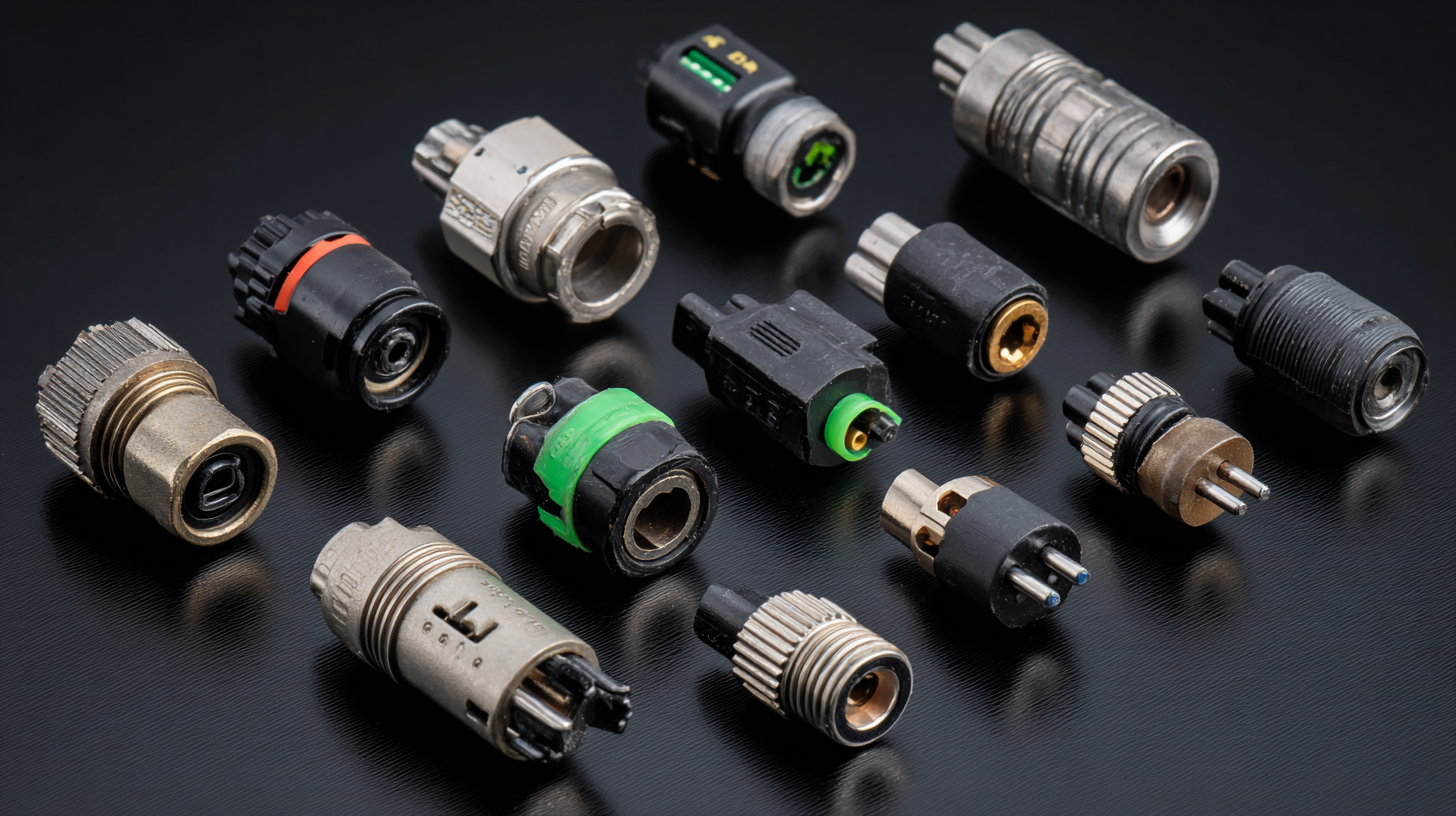 Another thing to keep in mind is the size and shape of the connector. You wanna be sure it fits comfortably within your project's space without causing a fuss. Oh, and if your setup might shake or move around a lot, it’s a good idea to consider connectors with locking mechanisms—that way, you won't accidentally disconnect anything when things get a bit bumpy.