In the fast-changing world of solar energy, getting a handle on Solar PV Connectors is pretty important if you want your system to run smoothly and perform at its best. I was reading this report from the International Renewable Energy Agency (IRENA), and wow — they mentioned that global solar capacity has jumped by over 200 GW in just a few years. That’s a clear sign everyone’s relying more and more on solar panels and PV systems. Because of that, choosing high-quality parts like Solar PV Connectors is a must — they’re really the behind-the-scenes heroes, connecting your solar panels to the rest of your electrical setup. At QC Solar, we live by the motto 'Quick, Professional, Customer delight,' and are super committed to making a mark as a global brand in solar storage connections. We’re all about supporting sustainable growth—not just for our industry, but for society as a whole. Our goal? To boost the reliability and efficiency of solar solutions through innovative connector designs and solid performance. Getting to know the ins and outs of these connectors isn’t just about individual projects — it’s all part of working toward those bigger global sustainability goals, you know?
Types of Solar PV Connectors: An Overview of Essential Variants
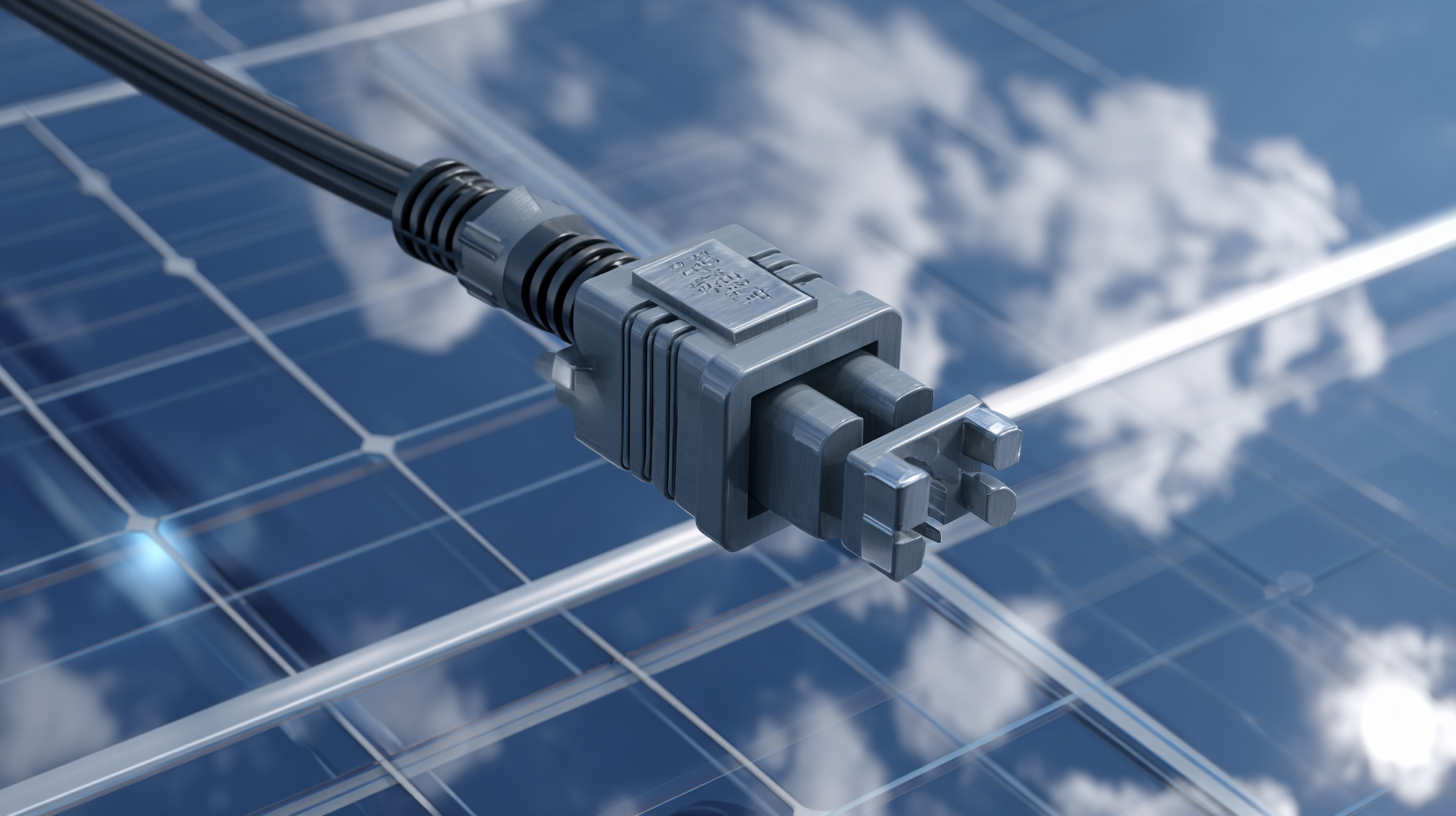
When you're looking into how efficient solar energy systems really are, it’s pretty important to get a good grip on the different types of solar PV connectors out there. I mean, these connectors might seem like small parts, but they actually play a huge role in how well your solar setup performs and how long it lasts. The most common ones you’ll bump into are Mc4 Connectors — they’re basically the go-to because they’re reliable and super easy to work with. Then there are UTX connectors, which are really sturdy, especially if you’re dealing with tough environments. And newer on the scene are H4 connectors, offering better safety and higher current ratings than the older models. It’s interesting to note that, according to recent reports, over 90% of new solar installations are using MC4 connectors, mainly because they’re compatible with pretty much everything and have a solid track record. No big surprise there — they’ve become pretty much the standard in modern solar projects.
At QC Solar, we’re all about creating high-quality solar connectors. It’s part of our bigger plan to become a top global name in solar storage connections. Our motto—“Quick, Professional, Customer delight”—really sums up what we’re about: innovation, quality, and making sure our customers are happy. With the demand for solar energy sky-high—did you know the International Energy Agency is expecting over 1000 gigawatts of new global solar capacity by 2025?—we’re dedicated to providing connectors that not only boost system performance but also stand the test of time. Our goal is to support the ongoing growth of the solar industry and contribute to building a more sustainable world. By offering reliable, efficient connectors, QC Solar is right there with the industry’s expanding needs and the worldwide switch to clean, renewable energy sources.
Understanding Solar PV Connectors: Efficiency in Solar Energy Connections
This bar chart displays the efficiency ratings of various types of solar PV connectors based on their performance in real-world applications. The data highlights how different connectors contribute to overall energy efficiency in solar systems.
Key Features and Benefits of Different Connector Types
When you're talking about solar energy systems, picking the right connectors really makes a difference in how well they perform and how efficient they are. There are mainly two types you'll come across: MC4 and Amphenol connectors, each with their own perks. MC4 connectors are super popular, especially for home setups, because they’re easy to connect, tough, and stand up well against the weather. Plus, they lock in securely, which helps prevent faults and keeps the system safer and lasting longer.
That said, Amphenol connectors are kind of the cool kids on the block when it comes to high-end applications. They’re built tough, with great conductivity, and often feature locking mechanisms that hold tight even in tough environmental conditions. They’re also designed to handle higher voltages and currents, so they’re perfect for bigger commercial solar projects where efficiency isn’t just a bonus, but a must-have. Choosing the right connector isn’t just about making things work—it’s about making sure your system runs smoothly, produces max energy, and stays reliable over time.
Understanding Solar PV Connectors: A Guide to Efficient Solar Energy Connections
| Connector Type | Key Features | Benefits | Typical Application |
| MC4 | IP67 rated, easy locking mechanism | Weather-resistant, reliable performance | Grid-tied solar systems |
| Tyco/AMP | Compact design, multiple configurations | Space-efficient for tight installations | Commercial solar installations |
| H4 | Enhanced power handling, robust construction | Increased efficiency, secure connections | Residential solar panel systems |
| Solarlock | Anti-pull design, waterproof | Prevents disconnection, durable for outdoor use | Off-grid solar systems |
| Multi-Contact | High current handling, low contact resistance | Maximized energy transfer | Large scale solar farms |
Best Practices for Selecting Solar PV Connectors for Your System
When you're choosing solar PV connectors for your setup, it’s super important to focus on compatibility and reliability. First off, take a good look at the technical specs of your solar panels and inverters—make sure the connectors you pick can handle the voltage and current they'll be dealing with. It’s also a smart move to go for connectors that are built tough enough to withstand rough environmental conditions like UV rays, moisture, and crazy temperature swings. And don’t forget about the locking mechanisms—those should be solid so connectors don’t accidentally come loose, which could waste energy.
On top of that, think about how easy they are to install and maintain. You wanna go for connectors that are straightforward to work with—no need for fancy tools to connect or disconnect. It’s really worth buying from trusted brands that offer clear instructions and good warranties. Oh, and if you’re planning to expand your system later on, pick versatile connectors that can handle extra panels or upgrades without a hassle. Basically, choosing the right connectors now means fewer headaches down the line and a more efficient solar setup that lasts longer.
Installation Considerations for Optimal Performance of Connectors
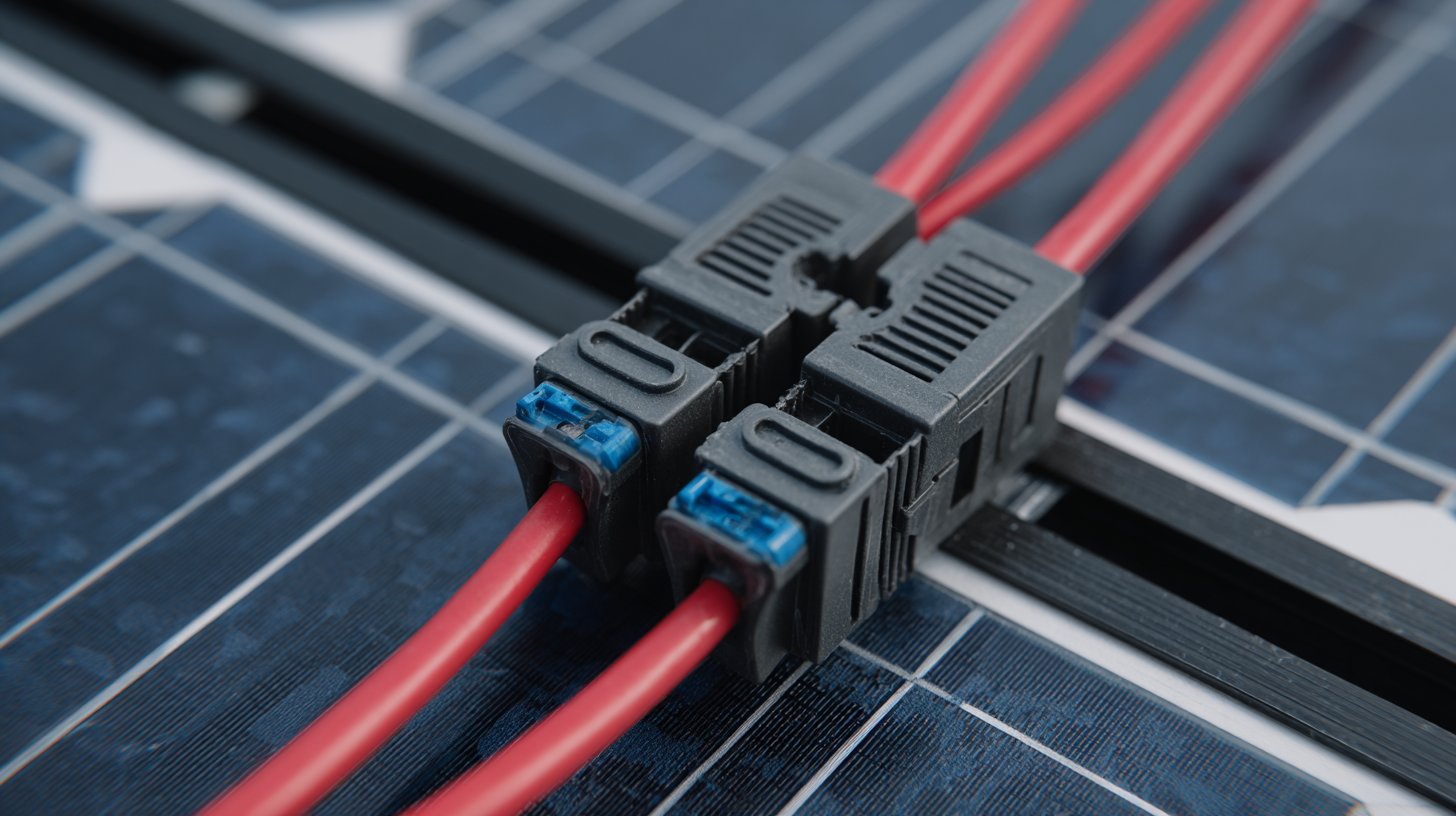
Whenever you're setting up a solar photovoltaic (PV) system, it’s really important to pay attention to the quality of the connectors and how everything’s installed. I’ve read that if the connections aren’t done properly, you could see an efficiency drop of up to 3% in your solar setup—that’s pretty significant! So, it’s definitely worth choosing high-quality connectors that can handle the weather—things like heat, cold, and moisture—without giving up on you.
Another thing to keep in mind is torque settings during installation. It might sound technical, but basically, tightening those connectors just right makes a difference in how reliable the system is over time. The IEC standards have specific torque values for different types of connectors, and sticking to those can prevent problems like micro-cracking or even more serious failures later on. Plus, doing regular check-ups on the connections can catch early signs of wear and tear, helping avoid electrical resistance issues that could cut down your energy output.
All in all, following these simple best practices when installing your solar system not only makes it last longer but also helps it perform at its best—something every solar enthusiast should aim for. Trust me, a little extra care upfront can save you lots of headaches and money down the line.
Common Issues and Troubleshooting Tips for Solar PV Connectors
When you're working with solar PV connectors, you might run into a few issues that can affect how well your solar system works. One pretty common problem is a poor connection—it can cause energy to leak and drag down your panel's performance. This usually happens because of dirt, corrosion, or if the connectors weren’t installed quite right. So, it’s a smart idea to check your connectors regularly—make sure they’re clean and securely attached. And hey, if you spot any signs of wear or damage, don’t hesitate to swap them out sooner rather than later.
Another hiccup you might notice is the connectors getting hot. That’s often caused by loose connections or using parts that aren’t quite compatible. When that happens, resistance goes up, and it starts to generate extra heat. To fix this, take a look at all the connections—make sure they’re tight—and double-check that the components you’re using match your system’s specs. Upgrading to higher-quality connectors designed to handle more current and higher temperatures can really help prevent this from becoming a recurring issue. It’s all about making sure your solar setup runs safely and smoothly, right?
Future Trends in Solar Connector Technology and Innovations
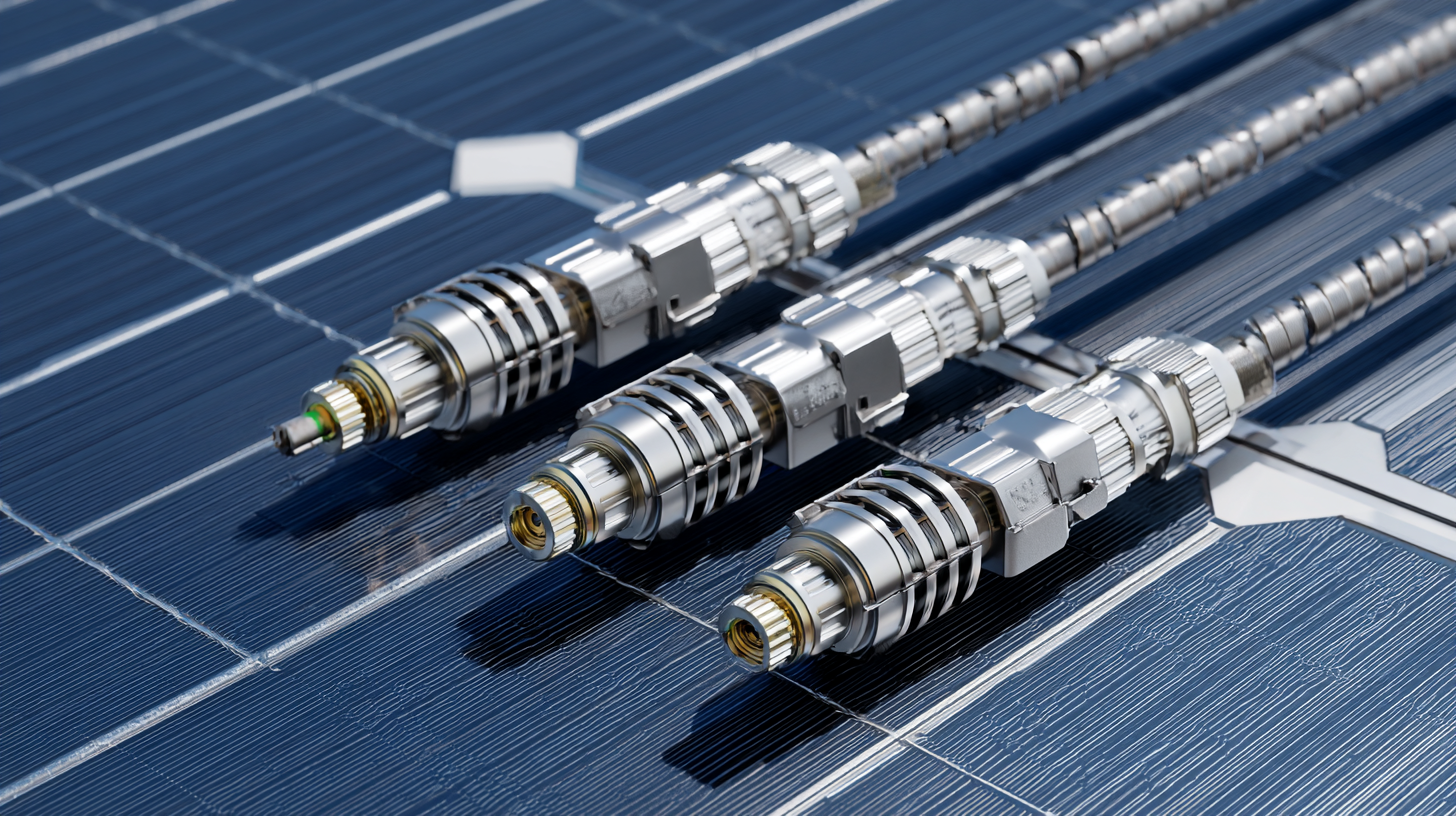
As the solar energy industry keeps growing, it’s pretty clear that the development of solar connector technology is key to making sure our photovoltaic systems stay efficient and dependable. The worldwide market for crimp connectors is expected to hit around $9.9 billion by 2024, and it’s looking pretty good for the future—projected to climb to nearly $15.9 billion by 2032, with an annual growth rate of about 6%. This boom isn’t just because more folks are embracing solar power, but also because connectors are getting better—more advanced and more functional than ever before.
You’ve probably heard about innovations like MEMS mirror drive tech. They’re pretty exciting because they could totally boost performance in solar setups. Different ways of driving these MEMS mirrors are a big deal—they help optimize system tracking and improve energy collection, which is super important. As the market expands, we're also seeing new materials and tech being rolled out, which will only make solar connections more efficient and reliable. All these advances play a big role in pushing the solar industry forward.
Here at QC Solar, we’re all about our philosophy: 'Quick, Professional, Customer Delight.' We’re really committed to leading the way in improving solar storage connections, helping to build a more sustainable future during this fast-paced, ever-changing field.
Maximizing Solar Efficiency: The Importance of Quality Solar/PV Branch Connectors in Photovoltaic Systems
Maximizing Solar Efficiency: The Importance of Quality Solar/PV Branch Connectors in Photovoltaic Systems
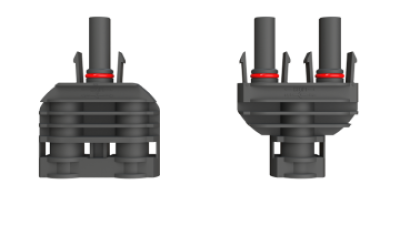
In the quest for enhanced solar efficiency, the relevance of quality solar/PV branch connectors cannot be overstated. These connectors play a crucial role in the performance of photovoltaic systems, facilitating seamless electrical connections that are essential for optimal energy transfer. According to a report by the Solar Energy Industries Association (SEIA), high-quality connectors can improve system reliability and reduce power loss, which can often exceed 5% in poorly connected systems. The Branch Connector, in particular, stands out as an indispensable component that simplifies and maximizes these connections, ensuring that systems operate at their peak.
The design and functionality of branch connectors directly impact the overall effectiveness of solar installations. A study published in the Journal of Renewable and Sustainable Energy Dynamics highlighted that optimize branch connector designs could contribute to an increase in energy yield by up to 10%. This improvement is achieved by minimizing resistance and ensuring efficient power management throughout the photovoltaic system. Furthermore, the durability and resistance to environmental stressors of high-quality connectors safeguard the operational integrity, prolonging system lifespan and reducing maintenance costs. As solar technology evolves, investing in superior branch connectors remains a strategic decision for both manufacturers and end-users aiming to maximize their solar outputs.
FAQS
: The two primary types of solar PV connectors are MC4 connectors and Amphenol connectors.
MC4 connectors are easy to use, durable, and weather-resistant, making them popular for residential installations. They provide a secure connection that minimizes the risk of arc faults.
Amphenol connectors are preferred for commercial solar projects due to their robust design, superior conductivity, and ability to support higher voltage and current loads, ensuring efficiency and reliability.
Common issues affecting solar PV connectors include poor connection, overheating, dirt, corrosion, and improper installation.
Poor connections can lead to energy losses and reduce the overall performance of the solar panel.
If you notice signs of wear or damage to connectors, it is advisable to replace them promptly to maintain system efficiency.
Overheating can result from loose connections or using incompatible components, which can increase resistance and generate heat.
To troubleshoot overheating, check the tightness of connections and ensure that all components are compatible with your solar system specifications.
Upgrading to higher-quality connectors designed for higher current and temperature ratings can help ensure safer and more efficient operation of solar energy systems.
Regular inspection is essential to ensure connectors are clean and securely attached, which helps maintain performance and prevent issues.
Conclusion
Hey there! If you're diving into solar energy, you'll want to check out this article, "Understanding Solar PV Connectors: A Guide to Efficient Solar Energy Connections." It gives a friendly, in-depth look at the different types of Solar PV Connectors out there. The piece breaks down their main features and advantages, which is pretty handy when you're trying to optimize your solar setup. Plus, it offers some solid tips on choosing the right connectors for your specific system — making sure everything runs smoothly and reliably.
It also covers things to keep in mind during installation to help your connectors perform at their best. And if you ever run into issues? No worries — there are common problems listed along with troubleshooting advice to help you sort things out quickly. Towards the end, the article looks ahead at future trends and cool innovations in solar connector tech, giving us a peek at how things might evolve.
All in all, this guide aligns perfectly with QC Solar’s goal of becoming a global leader in solar storage connections. Whether you're just starting out or looking to level up your solar game, it’s a great resource to have in your corner.