In today’s fast-changing world of renewable energy, you really can’t underestimate the importance of good quality Solar Cables. As we’re all working towards a more sustainable future, it’s worth understanding how these little components actually make a big difference in how efficiently energy is transmitted and how reliable the whole system is. I came across a report from Grand View Research that predicts the global solar cable market will hit around $2.8 billion by 2025, mostly because more and more folks are jumping on the solar bandwagon worldwide. When you think about it, high-quality solar cables are essential—they help ensure your solar setup works smoothly for years to come, making the entire system more efficient overall.
Dr. Emily Stanton, who’s pretty well-known in renewable energy circles, puts it nicely when she says, “Choosing the right Solar Cable can really impact how well your solar installation performs and how safe it is. Investing in good quality parts isn’t just a splurge—it’s actually a smart move that pays off in the long run.” Over here at Qc Solar, we totally get it. Our motto is “Quick, Professional, Customer Delight,” and it reflects how serious we are about quality solar connections. We’re all about pushing the industry forward while helping communities grow and thrive. As demand for renewable solutions keeps climbing, understanding why quality Solar Cables matter so much is going to be a game-changer for shaping the future of energy.
The Critical Role of Solar Cables in Renewable Energy Systems
The Critical Role of Solar Cables in Renewable Energy Systems
In renewable energy systems, particularly solar power setups, the significance of high-quality solar cables cannot be overstated. These cables are responsible for the efficient transfer of electricity from solar panels to Inverters and ultimately to the grid or storage systems. According to a report by the International Renewable Energy Agency (IRENA), nearly 20% of energy loss in solar installations can be attributed to substandard wiring and cable issues. This underlines that investing in reliable solar cables is essential for maximizing energy output and ensuring system longevity.
Moreover, the safety aspect of solar cables plays a crucial role in renewable energy systems. A study conducted by the Solar Energy Industries Association (SEIA) highlights that improper cabling can result in electrical hazards, leading to reduced operational safety and increased fire risks. Using cables designed to withstand environmental stresses, such as UV degradation and temperature fluctuations, can significantly mitigate these risks. As the global solar market continues to expand, with an estimated growth rate of over 20% annually as projected by BloombergNEF, the demand for high-quality solar cables will undoubtedly rise, making them a fundamental component of effective renewable energy solutions.
Key Characteristics of High-Quality Solar Cables
When it comes to renewable energy solutions, high-quality solar cables are integral to ensuring system efficiency and longevity. The key characteristics of these cables include durability, flexibility, and resistance to environmental factors. A robust solar cable must be capable of withstanding temperature fluctuations, UV exposure, and moisture, which are critical for prolonged outdoor application. This durability not only protects the cable from wear and tear but also plays a significant role in the overall safety and reliability of the solar power system.
Moreover, the market trends for related components, such as jelly-filled cables, highlight the growing importance of quality in electrical solutions. Reports indicate that the jelly-filled cable market was valued at approximately $570 million in 2022, with expectations to reach around $830 million by 2030, reflecting a compound annual growth rate of 4.6% from 2024 to 2030. This growth underscores an increasing recognition of the significance of quality materials in enhancing the performance and safety of energy systems. For solar cables, investing in high-quality options is essential for maximizing energy output and minimizing maintenance costs over time.
Comparative Analysis of Solar Cable Types: Which is Best?
When comparing different types of solar cables, it is essential to consider various factors that influence their performance and suitability for renewable energy systems. The most common types of solar cables include PV1-F, H1Z2Z2-K, and other specialized variations, each designed for specific applications and environmental conditions. Evaluating their thermal and environmental resistance, as well as their conductivity and durability, can provide insights into which type maximizes efficiency and longevity in solar installations.
Furthermore, recent advancements in cable management materials have showcased the importance of material profiles that best suit differing environments, such as the harsh conditions found in desert regions. Studies comparing these materials highlight how effective cable management can enhance the safety and performance of solar energy systems. By thoroughly analyzing these options, users can make informed decisions about which solar cable type will deliver optimal results for their renewable energy projects, ensuring both efficiency and sustainability.
Impact of Solar Cable Quality on System Performance and Longevity
The quality of solar cables plays a critical role in the overall performance and longevity of solar energy systems. According to a report by the International Renewable Energy Agency (IRENA), the efficiency of solar installations can be reduced by up to 20% if substandard cables are used. This not only affects the energy output but also increases the likelihood of failures and maintenance costs over the system’s lifetime. For instance, using high-quality copper conductors instead of lower-grade alternatives can significantly enhance the conductivity and lifespan of the cables, mitigating issues related to overheating and energy loss.
At QC Solar, we recognize that adhering to stringent quality standards in solar cable production is paramount for the reliability of renewable energy solutions. By focusing on high-grade materials and advanced manufacturing techniques, our products are designed to withstand harsh environmental conditions while maintaining optimal performance. Research by the National Renewable Energy Laboratory (NREL) indicates that premium-quality solar cables can extend the life of solar energy systems by an average of 15 years. This alignment with our commitment to professionalism and customer satisfaction ensures that QC Solar not only contributes to the efficiency of solar systems but also helps propel the industry towards a more sustainable future.
Best Practices for Installing and Maintaining Solar Cables
When it comes to the installation and maintenance of solar cables, following best practices is crucial to ensure the longevity and efficiency of a solar power system. First, it is essential to choose the right type of solar cable that meets the requirements for weather resistance, heat tolerance, and UV protection. Using appropriately rated cables helps to prevent unnecessary failures and hazards. During installation, proper handling is vital; cables should be laid carefully to avoid sharp bends or kinks that may compromise their integrity. Furthermore, connectors should be secured and sealed to prevent moisture ingress, which can lead to corrosion and performance issues.
Regular maintenance is equally important in prolonging the life of solar cables. This entails periodic inspections for signs of wear, such as fraying, discoloration, or damage from external factors like rodents or extreme weather conditions. Any damaged sections should be repaired or replaced promptly to avoid greater issues down the line. Keeping the installation free from debris and ensuring that cables are adequately supported will also minimize stress and potential damage. By adhering to these best practices, the reliability and efficiency of a solar energy system can be significantly enhanced, maximizing its benefits in the long term.
Understanding the Importance of Quality Solar Cable in Renewable Energy Solutions - Best Practices for Installing and Maintaining Solar Cables
| Aspect | Details |
| Cable Type | PV Solar Cable (TUV, UL Approved) |
| Conductor Material | Tin-Plated Copper |
| Insulation Thickness | ≥ 0.6 mm |
| Temperature Range | -40°C to 90°C |
| UV Resistance | Yes, rated for outdoor applications |
| Best Practices for Installation | Proper routing, avoiding sharp bends, and securing cables tightly |
| Maintenance Tips | Regular inspections for wear, tight connections, and cleaning debris |
| Lifespan | 25 years or more with proper care |
Future Trends in Solar Cable Technology and Innovation
The solar cable technology landscape is rapidly evolving, driven by advancements that integrate new materials and manufacturing processes. Lightweight and durable materials are being developed to enhance efficiency while reducing installation costs. Moreover, innovations in cable insulation have improved resistance to environmental factors, thereby increasing the longevity and reliability of solar installations. As renewables continue to gain traction, the demand for high-quality, technologically advanced solar cables is paramount, ensuring that solar energy systems operate optimally in diverse conditions.
Artificial intelligence plays a crucial role in shaping the future of solar cable technology. By employing advanced predictive capabilities, energy managers can optimize performance and asset management, facilitating better decision-making processes. Furthermore, automation in manufacturing and installation processes enhances operational efficiency, reducing human error and costs. This technological integration not only supports the growth of renewable energy solutions but also drives the creation of a sustainable green future, fulfilling the increasing global demand for renewable energy amidst climate change and environmental challenges.
Importance of Quality Solar Cable in Renewable Energy Solutions
This bar chart illustrates the significance of various factors that contribute to the quality of solar cables in renewable energy solutions. High durability and conductivity are paramount, followed by their temperature and UV resistance, while cost efficiency remains a vital yet lesser factor.
Comprehensive Guide to QC4.10-cds Solar/PV Connectors: Features, Benefits, and Applications
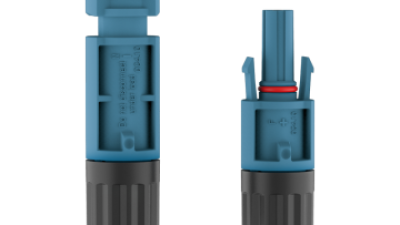
The QC4.10-cds Solar/PV Connectors are designed to meet the demanding needs of solar power installations by offering excellent quality and high reliability. Their robust construction ensures a long lifespan, making them an ideal choice for both residential and commercial solar projects. Users can trust in the durability of these connectors, which are engineered to withstand the rigors of everyday use and varying environmental conditions.
One of the standout features of the QC4.10-cds connectors is their superior waterproof performance. This is crucial in solar applications, where exposure to moisture can lead to significant issues over time. Additionally, these connectors are resistant to harsh environments, including extreme temperatures and exposure to UV radiation, ensuring consistent performance regardless of external conditions. This resilience translates to lower maintenance costs and increased system efficiency.
Moreover, the QC4.10-cds connectors are not only reliable and durable, but they are also low-cost and easy to operate. Their user-friendly design allows for quick and straightforward installation, reducing labor time and training costs. This combination of affordability and convenience makes the QC4.10-cds connectors an attractive option for those looking to enhance their solar energy systems without compromising on quality or performance.
FAQS
: High-quality solar cables are characterized by their durability, flexibility, and resistance to environmental factors such as temperature fluctuations, UV exposure, and moisture, ensuring longevity and safety in outdoor applications.
The quality of solar cables can significantly impact system performance; using substandard cables can reduce solar installation efficiency by up to 20%, leading to decreased energy output and increased maintenance costs.
High-quality solar cables should utilize premium-grade materials, such as high-quality copper conductors, which enhance conductivity and lifespan, thereby reducing issues related to overheating and energy loss.
The jelly-filled cable market was valued at approximately $570 million in 2022, and it is projected to reach around $830 million by 2030, reflecting a compound annual growth rate of 4.6% from 2024 to 2030.
Best practices for installing solar cables include selecting the right type of cables for weather resistance, avoiding sharp bends or kinks during installation, and securing connectors to prevent moisture ingress.
Regular maintenance of solar cables is crucial to identify wear and damage, such as fraying or discoloration, which can lead to performance issues; prompt repairs of damaged sections help prevent larger problems.
High-quality solar cables can extend the life of solar energy systems by an average of 15 years by contributing to overall system reliability and performance.
During inspections, it is important to check for signs of wear such as fraying, discoloration, or any damage caused by environmental factors like rodents or severe weather conditions.
By following best practices for installation and maintenance, such as using appropriately rated cables, securing connections, and conducting regular inspections, the reliability and efficiency of a solar energy system can be maximized.
QC Solar focuses on adhering to stringent quality standards and using high-grade materials in solar cable production to ensure the reliability and efficiency of renewable energy solutions.
Conclusion
In the realm of renewable energy solutions, the importance of high-quality solar cables cannot be overstated. Solar cables play a critical role in ensuring efficient energy transfer within solar power systems. They must possess key characteristics such as durability, UV resistance, and appropriate sizing to optimize performance. A comparative analysis of different types of solar cables reveals that while various options exist, selecting the right one directly impacts system performance and longevity.
Moreover, adhering to best practices for installation and maintenance of solar cables can significantly enhance the reliability of solar energy systems. Looking ahead, innovations in solar cable technology promise to improve efficiency even further. At QC Solar, we are dedicated to providing top-notch solar storage connections, aligning with our commitment to sustainable development in the solar industry and society as a whole.