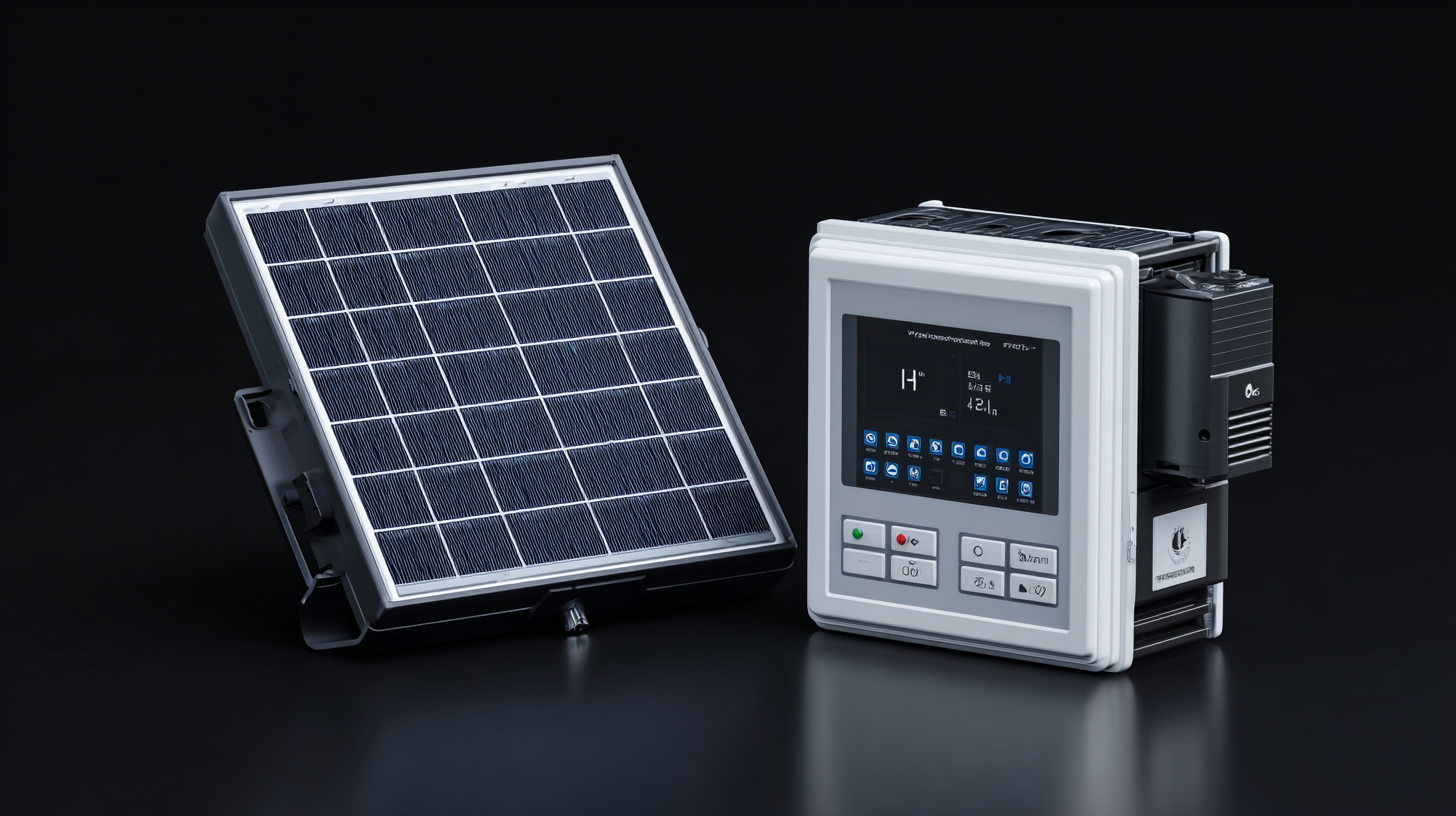
As the solar industry keeps changing and expanding, there's a real buzz around finding smarter, more efficient ways to harness energy. Recent market reports suggest that the global microInverter market for solar is set to grow pretty quickly — we're talking over 18% year-over-year from 2021 all the way through 2028. Microinverters are really leading the way here, helping to boost energy output, make systems more flexible, and offer better monitoring options — whether it's for homes or bigger commercial setups. At QC Solar, we live by the motto “Quick, Professional, Customer Delight,” and we're dedicated to becoming a major player in the world of solar storage connectivity. By focusing on the latest in microinverter tech, we want to help push the solar industry forward, support sustainable growth, and meet today’s energy needs — all while working towards a greener, cleaner future.
Understanding the Basics of Solar Microinverters and Their Role in Energy Systems
As the push for cleaner, more sustainable energy keeps growing, solar microinverters are really becoming a key part of today’s energy setups. Basically, these little devices take the direct current (DC) that solar panels produce and turn it into alternating current (AC), which is what your home appliances actually use. This makes the whole solar energy system work more smoothly and reliably. Recent tech updates in microinverters are pretty exciting too — they’re moving towards more integrated solutions, like the new bi-directional EV charging systems. These are super cool because they let your electric vehicle not only charge but also feed power back to your home or even the grid, making energy use more efficient and helping keep the power grid stable with renewable energy.
The market for microinverters is definitely looking up, with a lot of growth on the horizon. More homeowners and businesses are jumping on the solar bandwagon. In Europe, for example, tough cybersecurity rules are actually pushing companies to get creative — building in better security features right into their products. At QC Solar, we see all these trends too, and we’re dedicated to offering top-notch solar storage solutions. Our motto, “Quick, Professional, Customer Delight,” keeps us striving to stay ahead in this fast-changing scene, all while helping more people adopt solar energy and move toward a sustainable future.
Exploring Innovative Solar Microinverter Solutions for Modern Energy Needs
| Feature | Microinverter A | Microinverter B | Microinverter C |
| Power Output (W) | 300 | 250 | 320 |
| Efficiency (%) | 95 | 94 | 96 |
| Weight (kg) | 1.5 | 1.2 | 1.8 |
| Communication Protocol | Wi-Fi | RF | Powerline |
| Warranty (Years) | 25 | 20 | 25 |
Key Benefits of Using Microinverters Over Traditional Inverter Solutions
Switching over to microinverter tech is a pretty big step forward for solar energy. Compared to the old-school inverter systems, microinverters are a game-changer. They work individually with each solar panel, which means if one panel isn’t getting as much sunlight because of shade or tilt, it doesn’t drag down the whole system’s performance. That’s a huge plus, especially for setups with some shading or panels installed at different angles. The market for microinverters is really booming too—I mean, it’s predicted to grow from $4.78 billion in 2025 all the way up to a staggering $15.40 billion by 2032. It’s clear more folks are jumping on this innovative bandwagon.
**Tip:** When you’re looking into solar options, it’s a good idea to think about your property’s layout and any shading issues. Microinverters can help you get the most out of your panels, even if conditions aren’t perfect.
On top of that, new tech like dual-mode microinverters and gallium nitride switches are making these systems even more efficient and reliable. The commercial single-phase microinverter market is expected to grow at about 15.1% annually, reaching around $74.6 million. That’s a pretty solid sign that microinverters are becoming popular across different kinds of installations.
**Tip:** Always do a bit of comparison between microinverters and traditional string inverters—think about which gives you better energy output and how resilient your system will be over time.
Innovative Features to Look for in Modern Solar Microinverter Technology
When you're looking into modern solar microinverter tech, it’s really helpful to focus on features that boost efficiency and make the most of your energy. One cool thing to watch out for is advanced monitoring — these let you see your energy output in real time, which is super handy for keeping tabs on how your system is doing and catching any problems early on.
Another thing to keep in mind is how well the microinverter works in low-light situations. The latest models are pretty impressive—they can still maximize energy production even when the sun’s not shining brightly. This is a big win if you live somewhere with a lot of cloudy days, because it means you’ll still get steady solar power without missing out.
**Quick Tips:**
When choosing a microinverter, try to find one that has built-in machine learning — this helps it adapt to changing weather and conditions for optimal performance. Also, it’s a good idea to go for models that are easy to install and compatible with your existing solar setup, so upgrading your system doesn’t turn into a hassle.
How Microinverters Enhance Solar Panel Performance in Varying Conditions
The microinverter market is really going through a big change right now. Experts are saying it’s set to grow from around $4.12 billion in 2024 to a whopping $15.4 billion by 2032 — that's a compound annual growth rate of nearly 18%. A lot of this buzz is because of shiny new innovations in microinverter tech that make solar panels work better in all sorts of weather conditions. One of the coolest advancements is something called the pre-stage flexible DC–DC converter, or PFDDC. Basically, it helps microinverters run smoothly whether it’s cloudy, shaded, or the weather keeps changing, so you can squeeze more energy out of your solar setup without fuss.
As solar tech keeps moving forward, it’s pretty clear that microinverters have some advantages over traditional central or string inverters — especially when you're dealing with scattered panels and less predictable weather. They’re great at making sure each panel works at its best, which is a total game-changer. Studies show that high-efficiency, isolated photovoltaic microinverters are perfect whether you're just powering your house or feeding energy back into the grid. They’re crucial for both homeowners and businesses trying to get the most out of their solar systems. Also, with new tech like wide-band gap switches being integrated, these microinverters are becoming even more efficient and reliable — and that’s exactly what we need to meet today’s energy demands without breaking a sweat.
Performance Comparison of Solar Microinverters vs. String Inverters
This chart compares the average daily energy output of different solar microinverters and string inverters. Microinverters generally provide better performance under varied conditions, leading to higher energy production compared to traditional string inverters.
Comparative Analysis: Top Microinverter Products Available Today
As more and more people and companies are jumping on the bandwagon of sustainable energy, solar microinverters are really starting to become a key part of getting the most out of solar setups. The microinverter market? It's set to boom — they’re expected to grow from around $4.12 billion in 2024 all the way up to a whopping $15.40 billion by 2032, at an eye-popping CAGR of nearly 18%. That’s pretty huge and shows how much demand there’s for smarter, more reliable energy solutions that fit into our modern lives.
In this comparison, we’re checking out some of the top microinverter models out there right now. We’ll look at their specs, features, and what makes them stand out. Whether it’s their efficiency in converting sunlight into usable energy or their sturdy design that can handle different weather conditions — these guys are leading the charge in helping homeowners and businesses make the most of solar energy. We’ll also cover things like how easy they are to install, their monitoring features, and what warranties come with them. Our goal? To help you make smarter, more informed choices that match your energy needs — all while supporting a greener planet.
Future Trends in Solar Microinverter Development and Sustainable Energy Solutions
The solar microinverter market is really set for some serious growth, and it’s all thanks to how quickly sustainable energy solutions are evolving. I was reading a report from MarketsandMarkets recently, and it said that the global market for microinverters could hit around $9.3 billion by 2027. That’s pretty impressive, especially considering it’s growing at a compound annual growth rate of about 18.4% since 2022. What’s driving this momentum? Mainly, more folks are hopping on the solar bandwagon—whether it's homeowners or businesses—because microinverters give you better performance and a lot more flexibility than the old-school string inverters. They actually optimize energy production for each individual panel, which helps a ton with shading issues and mismatched panels. Honestly, it’s a game-changer for modern energy needs.
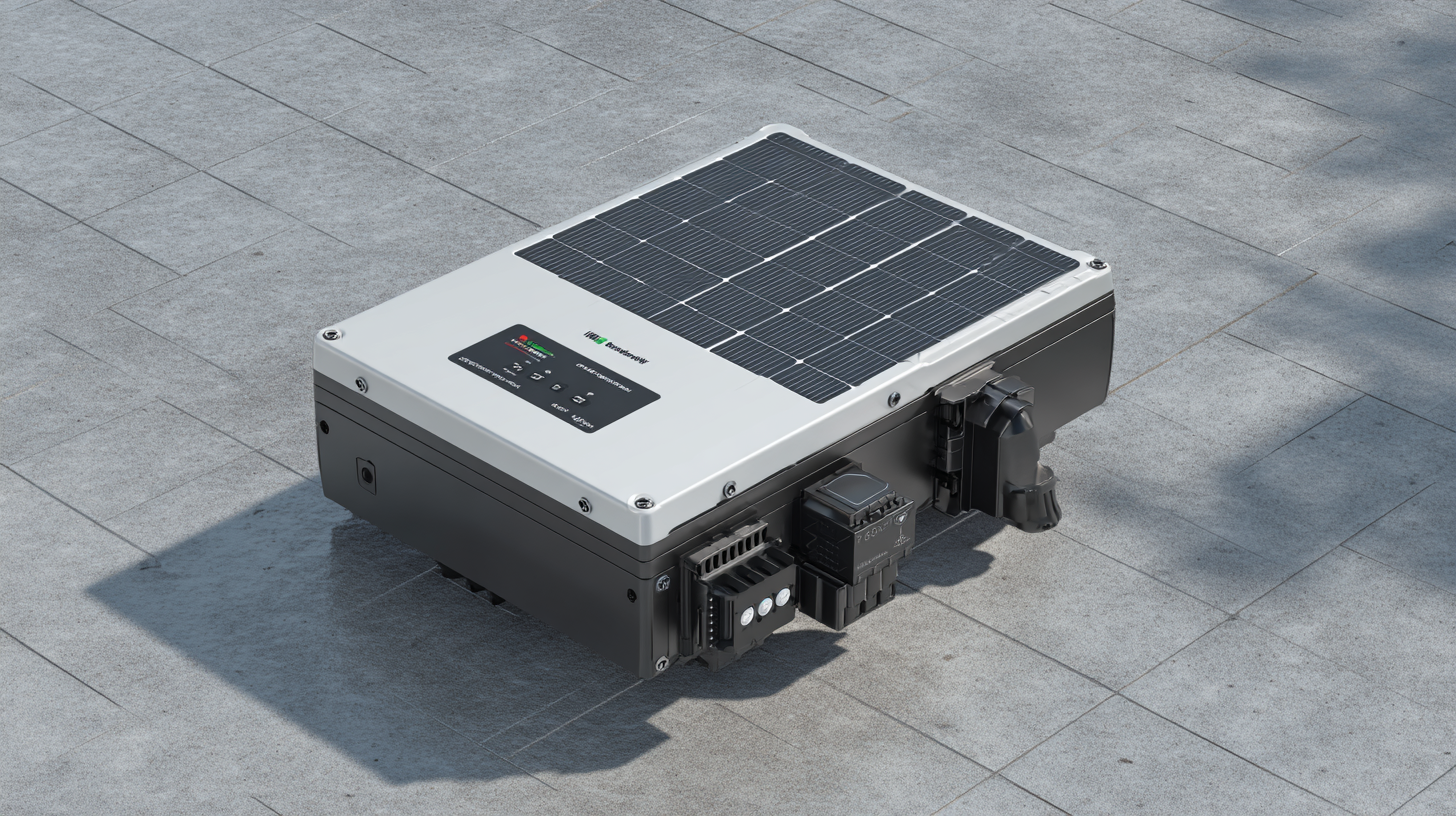
And it’s not just about the hardware; tech is really pushing things forward. The trend toward smarter, connected microinverters with IoT features is a big deal right now. These allow for real-time monitoring and smarter system management, which users love. According to Grand View Research, this 'smart' microinverter segment is going to grow significantly because people want energy solutions that are not only efficient but also reliable and tailored to their needs. As consumers start looking for more personalized, sustainable energy options, manufacturers are stepping up with cool new features. It feels like we’re on the brink of some major shifts in how we generate and use solar power—and honestly, it’s pretty exciting to see all these innovations unfold.
FAQS
: Microinverters operate on a one-to-one basis with each solar panel, which enhances overall energy yield and ensures that the performance of one panel does not affect others. This is particularly beneficial in partially shaded arrays or installations with varied tilt angles.
The global microinverter market is projected to increase from USD 4.78 billion in 2025 to USD 15.40 billion by 2032, indicating an expanding adoption of this technology.
Look for features such as advanced monitoring capabilities that allow real-time tracking of energy generation, the ability to operate in low-light conditions, and integrated machine learning algorithms that optimize performance based on changing conditions.
Cutting-edge microinverter models are designed to maximize energy output even when sunlight is limited, ensuring consistent benefits from solar power, particularly in regions with common cloudy weather.
The commercial single-phase microinverter market is expected to grow at a compound annual growth rate (CAGR) of 15.1%, reaching an estimated USD 74.6 million.
Microinverters can efficiently operate across different operational modes, maximizing energy harvesting from solar arrays even in conditions of partial shading or fluctuating weather due to innovations like the pre-stage flexible DC–DC converter (PFDDC).
Microinverters optimize each solar panel's output individually, overcoming limitations of central and string inverters, especially in diverse and unpredictable climates, which improves overall system resilience.
Yes, modern microinverters often feature easy installation and compatibility with existing solar equipment, providing a seamless upgrade option for solar energy systems.
Conclusion
In today’s fast-changing energy scene, solar microinverters are really stepping up to help maximize how well our solar panels work, all while supporting the way we use energy nowadays. This blog is going to break down what microinverters are all about, pointing out why they’re often better than the old-school inverters—think better energy harvesting and better performance, even when the weather isn’t perfect. We’ll also take a look at some of the cool features that modern microinverter tech offers, plus do a quick side-by-side comparison of the top options out there, so you can get a clear picture of what’s available.
Looking ahead, the future of solar microinverters seems pretty bright, expected to grow hand in hand with the push towards greener energy solutions. At QC Solar, we’re all about professionalism and making sure customers are happy. We really want to help bring more efficient solar storage solutions into the mix and support a more sustainable future for solar energy overall.