Leave Your Message
0%

Hey, you know, switching over to renewable energy sources is really changing the game when it comes to how we power things up worldwide. It’s fantastic because it offers us more sustainable solutions to handle the growing demand for electricity. But, honestly, with all these new systems coming online, we also need to think about safety and how to keep things running smoothly. One thing that’s been getting a lot of attention lately is something called “Rapid Shutdown.” Basically, it’s a safety protocol that's super important for protecting emergency responders and anyone nearby if something goes wrong or if Mother Nature throws a curveball.

Looking ahead to 2025, it’s pretty crucial for everyone involved—whether you're in the industry or just interested—to understand how Rapid Shutdown tech works and how to get it up and running. Not only does it boost safety and helps us stay compliant with regulations, but it also helps build trust with the public when they see that renewable energy systems are safe and reliable. The progress we’re making with these new advancements gives us a clearer picture of how the industry can better implement Rapid Shutdown strategies and handle the ever-changing energy landscape. Talking about all this now is key because it helps everyone—from engineers to policymakers—to stay ahead of the curve and make sure our renewable systems are as resilient and secure as they can be.
Top 2025 Insights: Understanding Rapid Shutdown in Renewable Energy Systems

Overview of Rapid Shutdown in Renewable Energy Systems

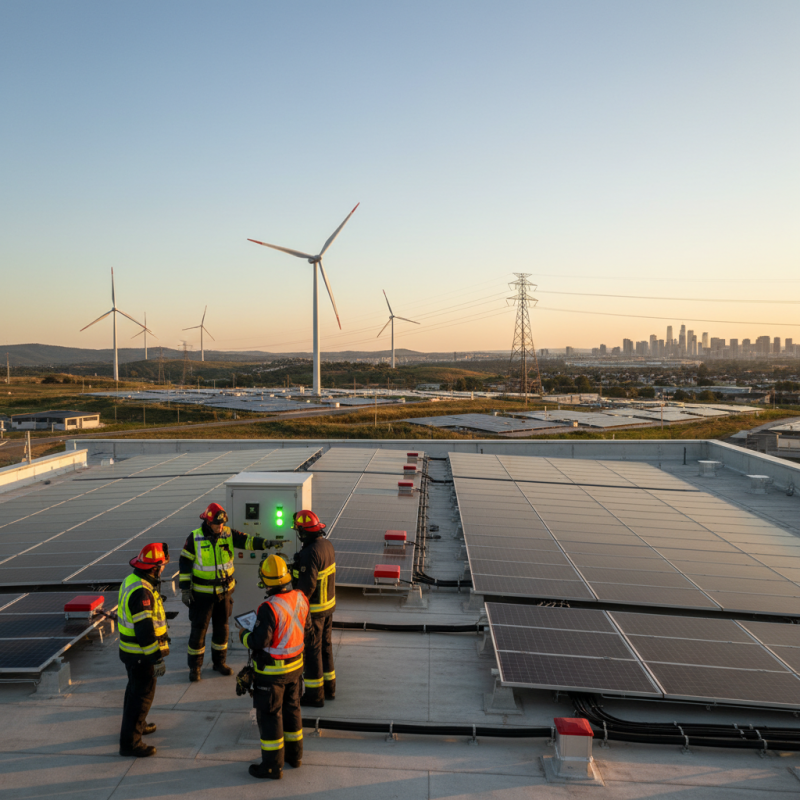
Rapid shutdown in renewable energy systems is a critical safety feature designed to mitigate risks associated with sudden power failures or emergencies. This mechanism allows for the immediate cessation of energy generation in photovoltaic (PV) systems, essential for protecting firefighters and emergency responders during building fires or other urgent situations. The implementation of rapid shutdown is particularly vital in residential solar installations, ensuring that electrical hazards are minimized when the grid goes down or when maintenance is required.

Understanding the technological and regulatory aspects of rapid shutdown is essential for professionals in the renewable energy sector. The systems typically utilize specific equipment, such as Module-Level electronicsor dedicated shutdown devices, which instantly disconnect the PV modules from the Inverter during an emergency. This disconnection prevents DC voltage from being present at the solar array, thereby reducing shock hazards.

With evolving standards and codes across various regions, industry stakeholders must stay informed about the latest requirements to ensure compliance, enhance safety, and promote the widespread adoption of renewable technologies. Emphasizing rapid shutdown is not just about adhering to regulations; it is a commitment to the safety and well-being of both the public and service professionals working in solar environments.

Importance of Rapid Shutdown for Safety and Compliance

Rapid shutdown is an essential feature in modern renewable energy systems, particularly in solar photovoltaic (PV) installations. As the integration of renewable energy sources into the grid increases, so does the need for safety and compliance measures that ensure the protection of utility workers and first responders during emergency situations. According to the National Fire Protection Association (NFPA), the risk of electrical hazards during emergencies necessitates reliable rapid shutdown mechanisms to minimize potential injuries and property damage.


Recent reports indicate that nearly 40% of all solar PV fires initiate from electrical faults, underscoring the urgency for effective safety protocols. Implementing rapid shutdown capabilities allows systems to de-energize quickly in the event of an emergency, significantly reducing hazards. The National Electric Code (NEC) has made rapid shutdown a mandatory requirement, highlighting its importance not only for individual systems but also for overall grid safety, ensuring compliance with local and national regulations.


Tips: When designing a renewable energy system, prioritize the integration of rapid shutdown technology while considering local code requirements. Regular training for first responders on the specific operational protocols of your installed systems can also enhance safety. Lastly, conducting periodic safety audits can help identify potential risks and ensure that compliance measures are consistently met.

Technical Mechanisms Behind Rapid Shutdown Systems

Rapid shutdown systems in renewable energy systems are crucial for ensuring safety and compliance with regulatory standards. These systems are designed to swiftly deactivate solar panels or wind turbines in emergency situations, such as fires or severe weather conditions. The technical mechanisms behind these systems typically employ a combination of hardware and software components that monitor the operational status of renewable energy installations. For example, intelligent control units can detect anomalies in voltage and current levels, triggering an immediate shutdown to prevent potential hazards.

One common approach involves using signal interruption technologies that disconnect the power flow from the renewable sources. This can include physical disconnect switches or electronic control systems that can react within milliseconds. Furthermore, these shutdown mechanisms often integrate communication protocols that allow for real-time monitoring and management, enabling operators to swiftly respond to dangerous situations while minimizing potential damage. As technology evolves, the development of more sophisticated rapid shutdown systems is becoming essential to enhance the resilience and safety of renewable energy infrastructure, thereby supporting the transition to a more sustainable energy future.

Regulatory Standards Governing Rapid Shutdown Procedures

The increasing integration of renewable energy systems into the grid has brought about critical safety considerations, particularly concerning rapid shutdown procedures. Regulatory standards governing these procedures are essential to ensure the safety of both personnel and infrastructure during emergencies. According to the National Fire Protection Association (NFPA), as of 2022, nearly 75% of new photovoltaic installations are subject to stringent rapid shutdown requirements, emphasizing the importance of adhering to such regulations to protect first responders and prevent electrical hazards.

In response to the rapid growth in renewable energy deployment, the National Electrical Code (NEC) has also undergone updates to include specific provisions related to rapid shutdown. For instance, NEC 690.12 outlines requirements that limit the voltage on solar photovoltaic system conductors to 80 volts AC or DC within 30 seconds of shutdown activation. A report from the International Energy Agency (IEA) indicates that compliance with these standards can significantly reduce the risks associated with high-voltage systems, thereby promoting safer environments for both operation and maintenance.

Collaboration between industry stakeholders, regulatory bodies, and emergency responders is crucial for developing effective rapid shutdown strategies. Data from the Solar Energy Industries Association (SEIA) highlights that comprehensive training programs for first responders are being implemented across various states, reflecting a proactive approach to addressing safety challenges as the adoption of renewable technologies continues to surge. By promoting adherence to regulatory standards and enhancing training initiatives, the industry can prioritize safety while enabling the transition to cleaner energy sources.

Impact of Rapid Shutdown on System Performance and Energy Efficiency

Top 2025 Insights: Understanding Rapid Shutdown in Renewable Energy Systems

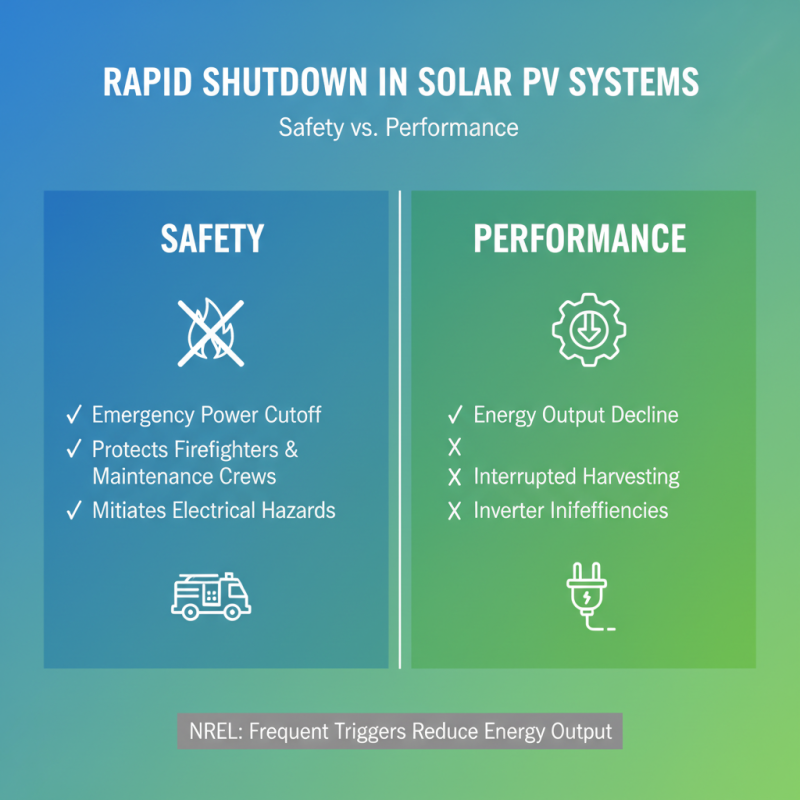
Rapid shutdown is becoming an essential aspect of renewable energy systems, particularly in solar photovoltaic (PV) installations. This mechanism, designed to enhance safety during emergencies, such as fires or maintenance, involves cutting off the power generation capability of solar panels quickly. According to the National Renewable Energy Laboratory (NREL), the implementation of rapid shutdown systems can lead to significant performance implications. In scenarios where rapid shutdown is triggered frequently, energy output can decline due to interrupted energy harvesting and the resultant inefficiencies in inverter operations.

The impact on energy efficiency is particularly noticeable in grid-connected solar systems. A study by the International Energy Agency (IEA) indicates that systems equipped with rapid shutdown features may experience a 3-5% reduction in annual energy production when compared to traditional systems without such mechanisms. This reduction is attributed to downtime during maintenance and safety checks where panels must remain inactive. As renewable energy becomes a dominant player in the energy mix, balancing safety with efficiency becomes critical; efficient energy management practices will need to evolve to accommodate these safety protocols without sacrificing performance metrics.

Challenges and Solutions in Implementing Rapid Shutdown Technologies

Top 2025 Insights: Understanding Rapid Shutdown in Renewable Energy Systems

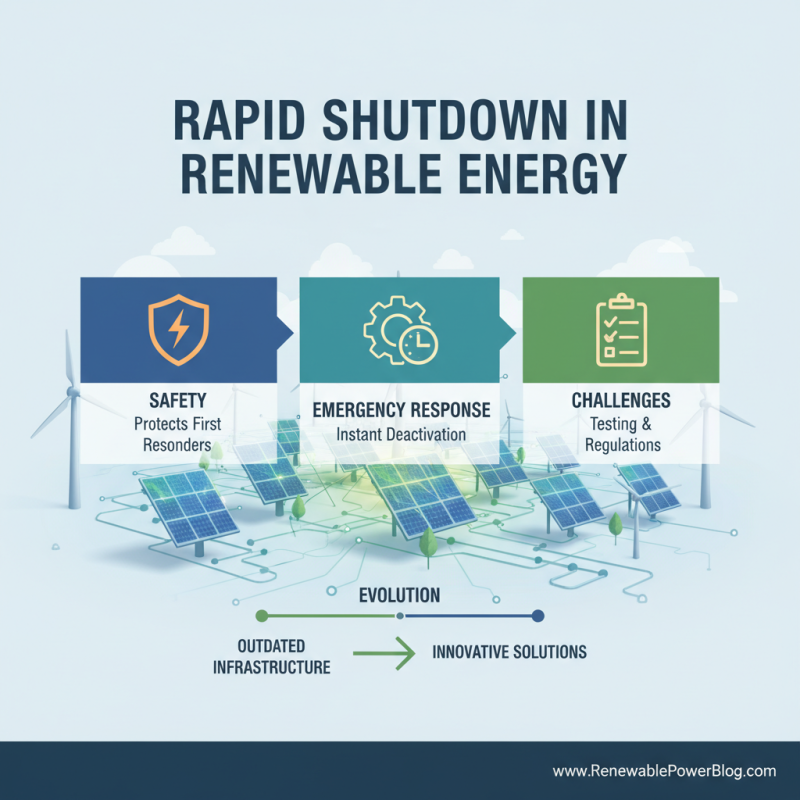
The implementation of rapid shutdown technologies in renewable energy systems presents a unique set of challenges that require careful consideration and innovative solutions. One significant challenge is ensuring safety during emergency situations. Rapid shutdown systems must be able to promptly deactivate the solar energy output, mitigating the risk of electrical hazards for first responders and the surrounding environment. This necessitates rigorous testing and standardization protocols to ensure reliability under various conditions, which can sometimes conflict with existing regulations or outdated infrastructure.

Another challenge lies in the integration of rapid shutdown mechanisms with existing photovoltaic (PV) systems. Many current installations were designed without these features in mind, leading to compatibility issues. Engineers must therefore work on retrofitting older systems while ensuring minimal disruption to energy production. A potential solution is to develop adaptable technologies that can easily be integrated into a variety of existing setups, allowing for a smoother transition to safer practices without sacrificing efficiency. Additionally, increasing awareness and training for installers about the importance and workings of these technologies is crucial in driving their adoption and ensuring proper implementation across the industry.

Future Trends in Rapid Shutdown for Renewable Energy Systems

As the renewable energy sector continues to evolve, the implementation of rapid shutdown systems has emerged as a critical safety feature. The future of these systems is being shaped by advances in technology and regulatory frameworks. In the coming years, we can expect a focus on improving the effectiveness and reliability of rapid shutdown mechanisms in solar photovoltaic (PV) systems. Enhancements such as integrated smart modules and improved communication protocols will likely play a significant role in minimizing risks during maintenance operations and emergencies.

Moreover, as more jurisdictions adopt stringent safety regulations, rapid shutdown systems will increasingly be seen not just as an option, but as a necessity for compliance. Innovations in hardware and software, including the integration of IoT solutions, will facilitate real-time monitoring and control of these safety protocols. This shift toward more sophisticated systems will ensure better coordination between energy production and emergency responses, ultimately fostering a safer environment for both infrastructure and personnel. As the industry moves towards 2025, stakeholders will need to stay informed about these trends to maximize both safety and efficiency in renewable energy deployment.

Top 2025 Insights: Understanding Rapid Shutdown in Renewable Energy Systems

Dimension Current Trends Future Predictions Impact Level
Technology Adoption Growing interest in rapid shutdown technologies Widespread standardization expected by 2025 High
Regulatory Changes New regulations enhancing safety protocols More stringent requirements anticipated Moderate
Market Demand Increased demand for safe shutdown solutions Expected growth in utility-scale projects High
Integration with Smart Grids Initial integration of shutdown technology Fully integrated systems predicted Very High
Innovation in Materials Emerging materials improving efficiency New materials to enhance safety features Moderate

FAQS

: What are rapid shutdown systems in renewable energy installations?

: Rapid shutdown systems are safety mechanisms designed to quickly deactivate solar panels or wind turbines during emergencies, such as fires or severe weather conditions, to ensure safety and compliance with regulatory standards.

How do rapid shutdown systems work?

These systems utilize a combination of hardware and software components that monitor the operational status of renewable energy installations. They can detect anomalies in voltage and current levels, triggering an immediate shutdown to prevent hazards.

What technologies are commonly used in rapid shutdown systems?

Common technologies include signal interruption methods like physical disconnect switches and electronic control systems that can react within milliseconds, in addition to communication protocols for real-time monitoring and management.

Why are regulatory standards important for rapid shutdown systems?

Regulatory standards ensure the safety of personnel and infrastructure during emergencies by establishing guidelines for rapid shutdown procedures that prevent electrical hazards, ultimately protecting first responders.

What updates have been made to regulatory frameworks regarding rapid shutdown?

Updates, such as those in the National Electrical Code (NEC), include specific requirements like limiting the voltage of solar photovoltaic system conductors to 80 volts AC or DC within 30 seconds of shutdown activation.

How do training programs contribute to the effectiveness of rapid shutdown systems?

Comprehensive training programs for first responders help address safety challenges in renewable installations, promoting better preparedness and response during emergencies.

What future trends are expected for rapid shutdown systems in renewable energy?

Future trends include improving the effectiveness and reliability of these systems through advancements in technology, such as integrated smart modules and IoT solutions for better real-time monitoring and control.

Will the regulatory landscape for rapid shutdown systems become more stringent?

Yes, as more jurisdictions adopt strict safety regulations, rapid shutdown systems will be viewed as essential for compliance, not just optional safety features.

How do rapid shutdown systems enhance safety during maintenance operations?

Enhanced features like improved communication protocols help minimize risks during maintenance by ensuring that energy production and emergency responses are well-coordinated.

Why is collaboration between industry stakeholders important in developing rapid shutdown strategies?

Collaboration is vital for creating effective rapid shutdown strategies that prioritize safety and compliance, leveraging shared knowledge and resources among industry players, regulatory bodies, and emergency responders.

Conclusion

The article "Top 2025 Insights: Understanding Rapid Shutdown in Renewable Energy Systems" explores the critical role of Rapid Shutdown in enhancing safety and compliance within renewable energy infrastructures. It outlines the technical mechanisms that enable effective shutdown procedures and highlights the regulatory standards that govern these practices. The importance of implementing Rapid Shutdown systems cannot be overstated, as they directly impact system performance and energy efficiency.

Additionally, the discussion delves into the challenges faced during the implementation of Rapid Shutdown technologies and potential solutions to overcome these barriers. As the landscape of renewable energy continues to evolve, the article anticipates future trends that will shape the development of Rapid Shutdown capabilities, ensuring they meet the increasing demands for safety and operational efficiency in the energy sector.

Jasper

Jasper

Jasper is a dedicated marketing professional at Suzhou Kuai Ke Electronics Photovoltaic Co., Ltd., where he leverages his extensive knowledge of the company's innovative products. With a passion for renewable energy solutions, Jasper plays a pivotal role in communicating the benefits and features......
Previous The Ultimate Guide to Choosing the Best Mc4 Cable for Your Solar Projects