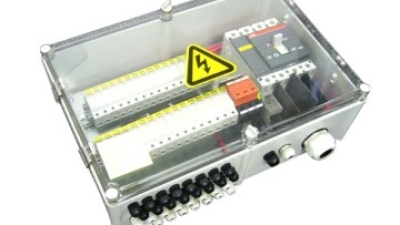
You know, for solar energy systems to work really well, taking good care of the Solar Junction Box is a must. It's a pretty vital part that helps keep everything running smoothly and makes sure your system stays reliable over the long haul. I’ve read that the solar industry has been booming lately—according to the Solar Energy Industries Association (SEIA), the US alone hit over 100 gigawatts of installed capacity by 2021! As more folks jump on the solar bandwagon, making sure those Junction Boxes are in tip-top shape becomes super important. It helps avoid energy leaks and makes your solar setup last way longer. Here at QC Solar, we live by our motto: “Quick, Professional, Customer Delight.” That’s why we stress checking and maintaining your equipment regularly—small efforts that really pay off in keeping your solar system super efficient. Our goal? To grow into a global name in solar storage connections, all while keeping in mind that taking care of the Solar Junction Boxes is key for a sustainable future—both for the industry and for society as a whole.
Understanding the Basics of Solar Junction Boxes and Their Functions
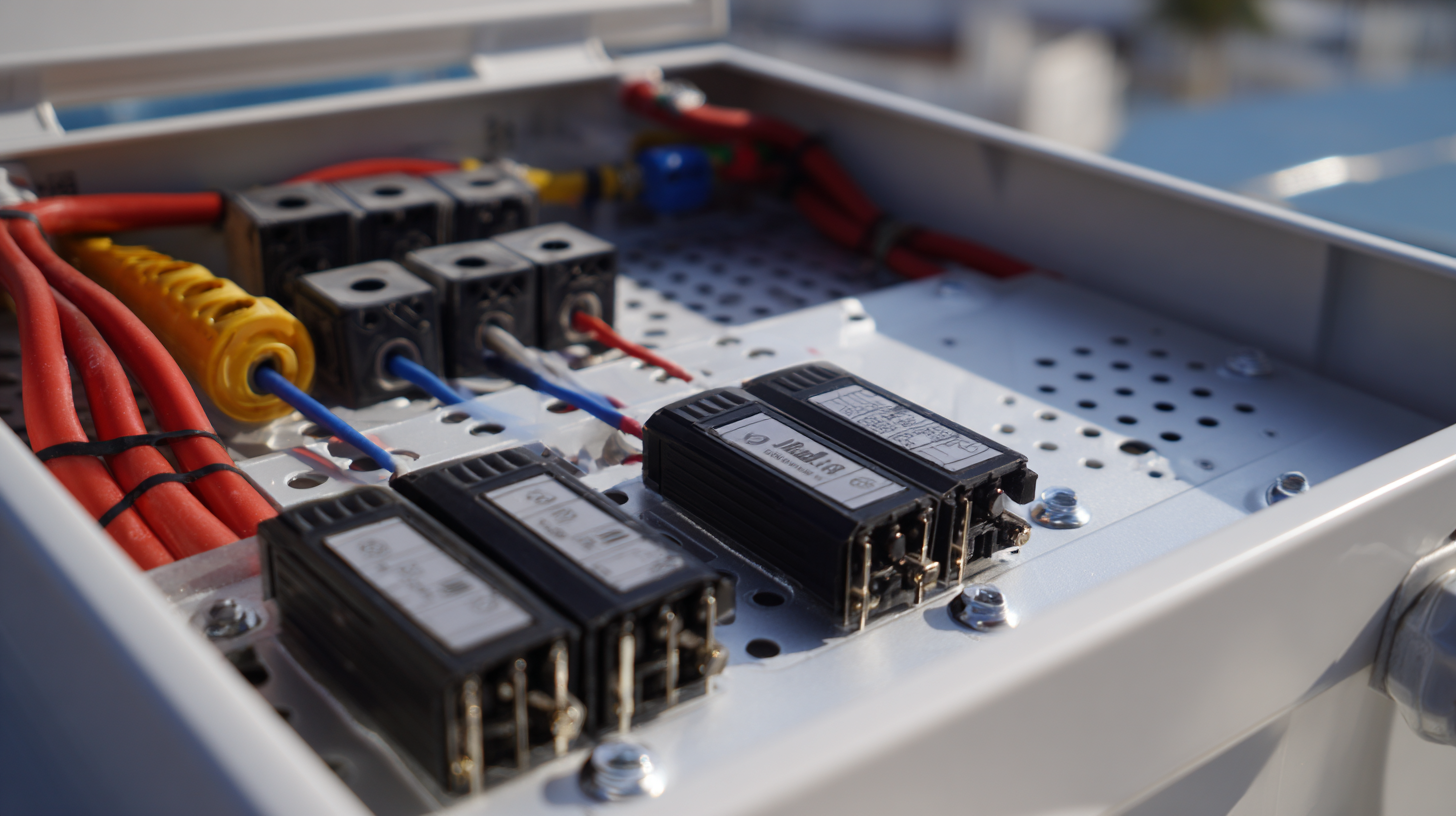
Solar junction boxes might not be something you think about every day, but they actually play a pretty big role in keeping your solar setup running smoothly and safely. Basically, they’re the central point where all your solar panel strings connect — kind of like the traffic hub for electricity. They help transfer power consistently and also protect the system from things like rain, dirt, or other weather stuff that could cause problems. If you wanna get the most out of your solar system, it’s pretty important to understand what these boxes do. Usually, inside, you’ll find diodes – these little guys help control the flow of electricity, stopping it from flowing backwards and wasting energy.
To keep your junction box in good shape, it’s a smart move to check on it regularly. Look for anything that seems off — cracks in the seals, corrosion, loose wires, stuff like that. Giving it a quick clean from time to time also helps keep dirt and debris away, which can cause issues down the line.
A couple of tips: Make sure the box is mounted tightly and protected from crazy weather — like heavy rain or hail. After a big storm, it’s worth doing a quick check-up to make sure everything looks good and is working properly. Doing regular maintenance not only helps your junction box last longer but also keeps your whole solar system working as efficiently as possible.
Essential Tools and Materials for Solar Junction Box Maintenance
Taking good care of your solar junction box really comes down to having the right tools and materials on hand. It might sound basic, but starting with a few simple hand tools like screwdrivers, pliers, and wire cutters can make all the difference—they're your go-to for opening up the box and making any repairs. I also recommend keeping a multimeter nearby; it's actually pretty handy for checking voltage and testing continuity, which helps you figure out if something’s off with the wiring.
And don’t forget, adding some weatherproof sealants and electrical tape can go a long way in protecting your junction box from moisture and the elements. Plus, it’s a good idea to check for signs of corrosion or loose connections every now and then. Having a small brush or even some compressed air around is great for wiping away dust or dirt that slowly builds up over time. If you keep your toolbox filled with these essentials, maintaining your solar junction box becomes much easier, and it’ll keep your whole solar system running smoothly for longer.
How to Properly Maintain Your Solar Junction Box for Optimal Performance - Essential Tools and Materials for Solar Junction Box Maintenance
| Maintenance Task | Essential Tools | Frequency | Notes |
| Inspect for Damage | Visual Inspection Tools | Monthly | Check for cracks or corrosion. |
| Clean Connections | Wire Brush, Soft Cloth | Quarterly | Remove dust and grime. |
| Check Seals | Sealant Applicator | Biannually | Ensure no moisture ingress. |
| Test Electrical Output | Multimeter | Annually | Verify proper function. |
| Inspect for Pests | Flashlight | Monthly | Check for nests or infestations. |
Step-by-Step Guide to Inspecting Your Solar Junction Box Components
Taking good care of your solar junction box is pretty much essential if you want your solar system to work at its best and last longer. Doing regular check-ups can catch small issues before they turn into big headaches, which helps keep everything running smoothly. According to the folks at the National Renewable Energy Laboratory (NREL), neglecting maintenance could cut your energy output by about 20%. Over time, that’s a pretty big hit and means you’re losing potential energy and savings. So, having a simple step-by-step guide to inspecting your junction box is definitely a smart move.
Start by giving the junction box a good visual check—look out for any signs of damage like discoloration, cracks, or signs of moisture getting in. It’s also a good idea to grab a multimeter to test the connections and make sure everything’s tight and free of corrosion. NREL points out that nearly 30% of system failures come from loose connections, so don’t overlook this step! Also, double-check that the internal wiring is all intact and that the fuses are working properly—they’re your system’s safety net against overloads or short circuits. Doing these routine checks not only helps your system stay in top shape but also aligns with what QC Solar values—fast, professional service that keeps customers happy and supports a green future.
Solar Junction Box Component Performance Inspection
Common Issues to Look for When Maintaining Your Solar Junction Box
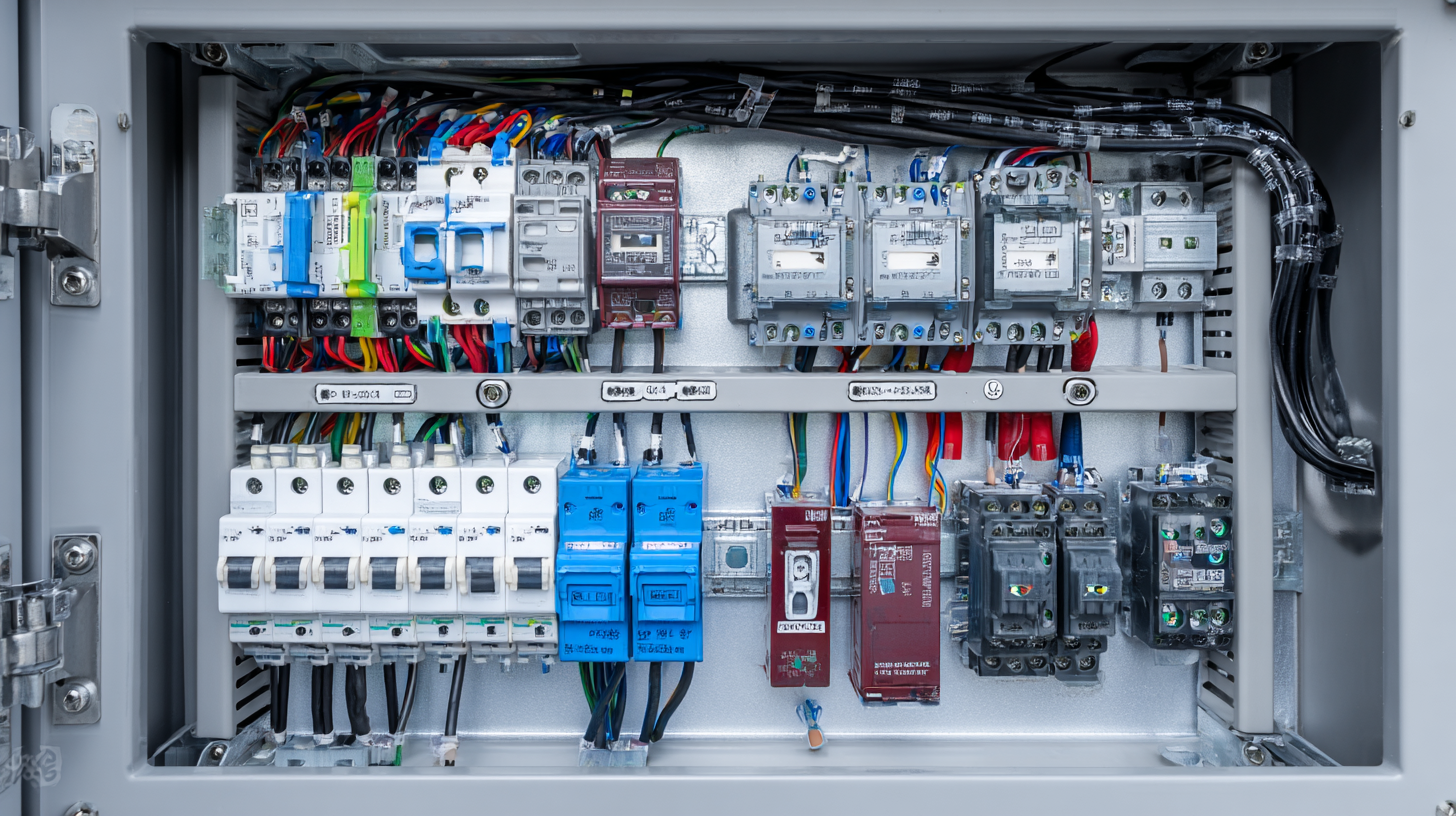 When you're taking care of your solar junction box, it's really important to keep an eye out for common issues that might mess with its performance. One big thing to watch for is moisture and corrosion. Water sneaking in can cause short circuits or make the connections weaker, which could seriously cut down your energy output. Make it a habit to check the junction box regularly — look for rust or corrosion, especially around the terminals and Connectors. If something looks off, like rust spots or damage, consider resealing the box or swapping out any rusty parts to keep everything running smoothly.
Another thing to watch out for is loose or damaged wiring. Over time, weather and vibrations can loosen connections or cause wires to wear out. So, it's a good idea to do routine inspections — make sure all the wires are tight and intact. If you find anything loose, tighten it up, and replace damaged wires before issues crop up. Also, don’t forget about pests — critters can sometimes find their way inside and cause trouble. Keeping the area clean and free of debris not only keeps pests at bay but also helps your whole system stay efficient and in good shape.
Basically, staying on top of these little things can make a big difference in keeping your solar energy system working at its best.
Best Practices for Cleaning and Protecting Your Solar Junction Box
Keeping your solar junction box clean and well-maintained is super important if you want it to work at its best. First things first—always make sure to turn off your solar system before tidying things up. No one wants to get zapped! When it’s time to wipe it down, grab a soft or microfiber cloth and gently give the outside a good clean—dirt and dust can really mess with its performance. If it’s dirtier or there's grime buildup, you can use warm, soapy water, but be careful—don’t let any of that moisture sneak inside the box. And whatever you do, steer clear of harsh chemicals; they might end up damaging the materials.
While you're at it, it’s a good idea to check for any signs of wear or damage from time to time. Look closely at the sealant around the junction box—make sure it’s still tight and intact so moisture can’t sneak in and cause rust or electrical problems. If you see signs of rust, discoloration, or anything suspicious, it might be wise to replace some parts. Lastly, think about shielding your junction box from extreme weather—like direct sunlight or heavy rain—since that stuff can really shorten its lifespan. Adding a protective cover, especially if it’s in a tricky spot, can go a long way in keeping it in good shape.
When to Seek Professional Help for Solar Junction Box Maintenance
Taking good care of your solar junction box is super important if you want your solar system to work at its best. Honestly, doing regular check-ups and small tweaks is something many homeowners can handle on their own — it’s pretty straightforward. But, there are times when you really should call in a pro. Like, if you see anything that looks off, say frayed wires, rust or corrosion, or even a weird smell coming from the box — don’t mess around and get a specialist to check it out. Ignoring these signs can be dangerous and might cause bigger problems down the line.
And, after nasty weather like storms or hail, it’s a good idea to have a technician give it a look. These kinds of events can damage the junction box or other parts of your solar setup without you even realizing it. Certified pros have the right tools and know-how to spot issues quickly and fix them so everything stays safe and runs smoothly. Also, scheduling a professional check-up at least once a year is totally worth it — it can catch problems early before they get out of hand, helping your solar system last longer and perform better.
Essential Guide to Choosing the Right Plastic Combiner Box for Your Electrical Needs
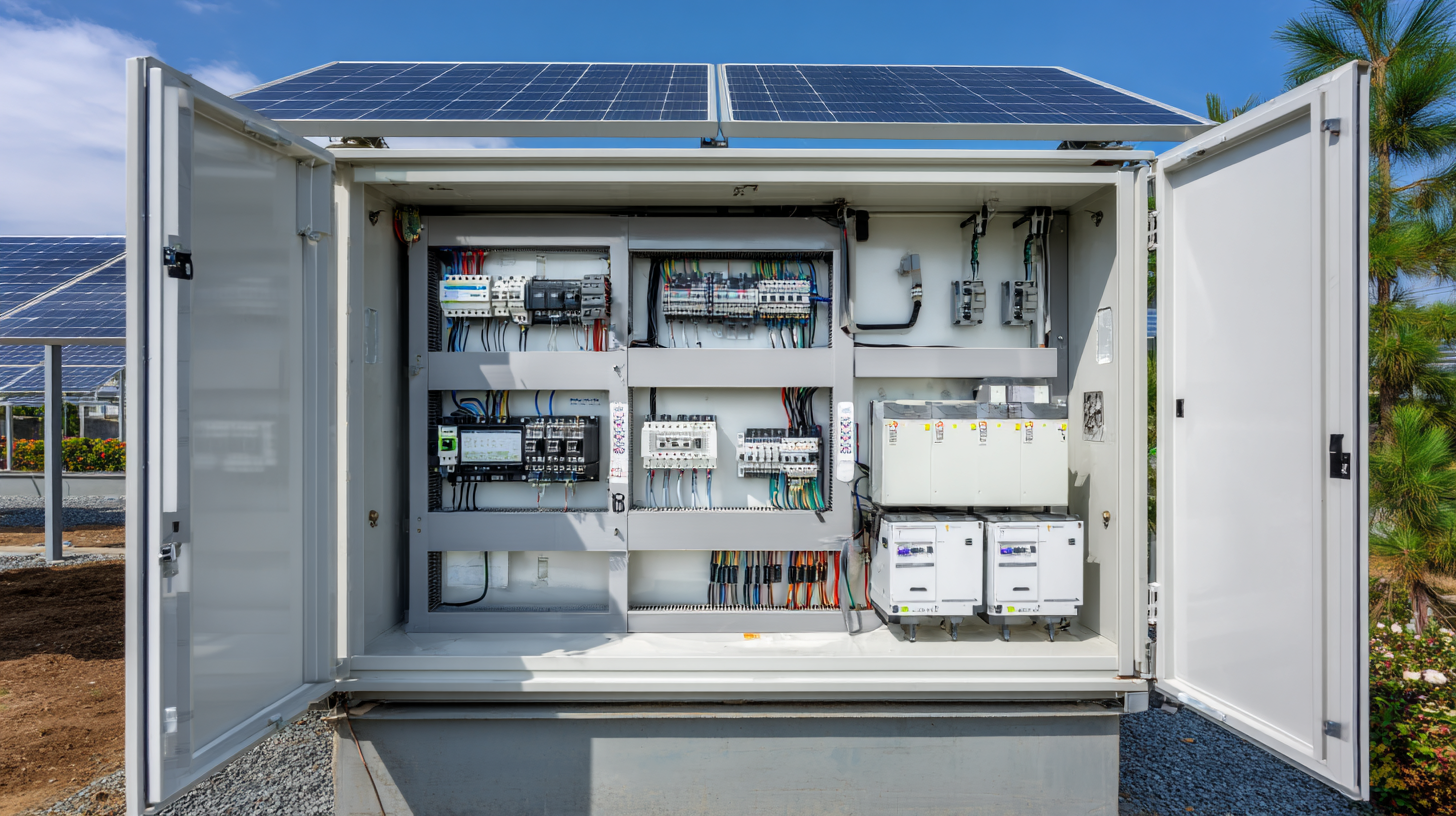
Choosing the right plastic combiner box is essential for ensuring optimal performance in your electrical systems. When selecting a combiner box, one should consider advanced technologies like SMAT, which enhance the functionality and durability of the equipment. The Combiner Box, designed with SMAT technology, stands out due to its innovative cabinet and circuit design. This unique design not only ensures uniform heat dissipation but also protects the internal components, leading to a more reliable operation.
Furthermore, the Combiner Box boasts an impressive IP65 rating, proving its capability to withstand harsh environmental conditions. This resilience is crucial for maintaining efficiency and longevity, especially in outdoor applications. By integrating a heat dissipation system with the combiner box, users can experience a significant boost in energy output efficiency. This synergy not only prolongs the lifespan of the equipment but also contributes to lower operational costs over time. Therefore, making an informed choice in selecting a combiner box can greatly enhance the performance and reliability of your electrical needs.
FAQS
: Basic hand tools such as screwdrivers, pliers, and a wire cutter are essential for accessing the junction box and making necessary repairs.
A multimeter is important for measuring voltage and continuity, which helps in diagnosing electrical issues effectively.
Weatherproof sealants and electrical tape can protect the junction box from moisture and environmental damage.
It is crucial to regularly check for corrosion, loose connections, and to keep the junction box clean by removing dust and debris.
You should seek professional help if you notice damage like frayed wires, corrosion, unusual smells, or after severe weather events that could compromise the junction box.
Regular professional maintenance, ideally at least once a year, can help identify potential issues early, extend the lifespan of your solar system, and ensure it remains efficient and safe.
Conclusion
So, I read this article called “How to Properly Maintain Your Solar Junction Box for Peak Performance,” and honestly, it really highlights how important it is to understand what these junction boxes do and what’s inside them. If you grab the right tools and materials and follow a simple step-by-step checklist, you’ll be surprised at how much you can do to keep it working smoothly and lasting longer. And let’s be real — being aware of common issues that pop up during maintenance can save you a lot of headaches later on. Plus, sticking to best practices for cleaning and protecting this key part of your solar system is definitely worth it.
QC Solar, always eager to help quickly and professionally, emphasizes how proper upkeep of your solar junction box can seriously boost your system’s overall performance. Knowing when to call in a pro isn’t a bad idea either — it can save you time and effort, and in the long run, really help support the growth of solar technology. Ultimately, taking good care of these components is part of what keeps everything running smoothly and makes sure you're getting the most out of your solar setup. We’re all about making sure our customers are happy and confident in their solar journey.