Leave Your Message
0%

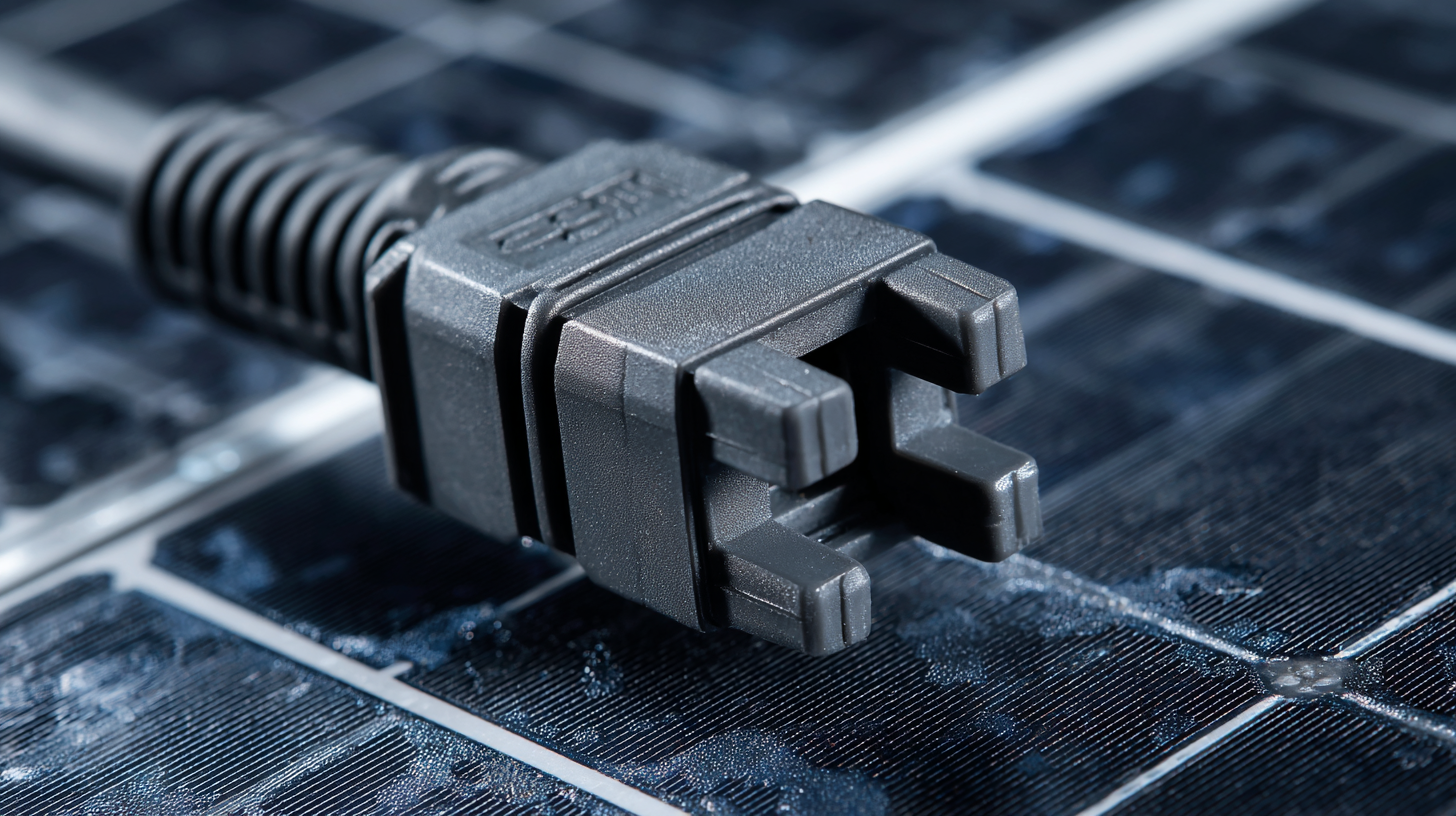
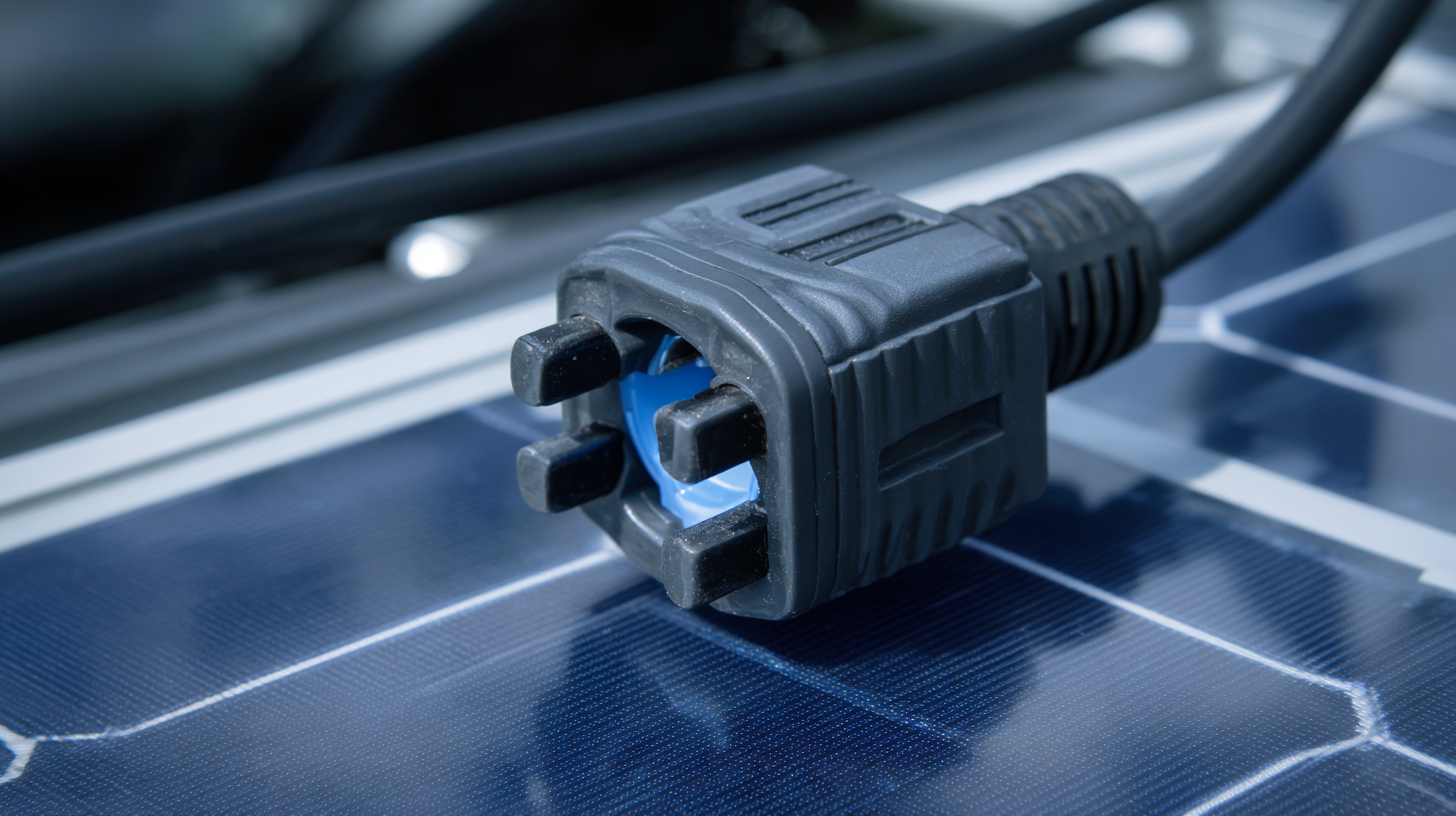
Diverse Examples of Photovoltaic Connector Plug Applications Across Industries Hey there! So, in today’s fast-changing energy world, you really can’t ignore how important Photovoltaic Connector Plugsare. As more and more folks turn to solar power as a clean, sustainable option, you’ll see these Connectors popping up everywhere — fromcozy home setups to huge solar farms. They’re pretty much the backbone that keeps everything running smoothly and reliably. At QC Solar, we live by the motto “Quick, Professional, Customer delight,” and that’s what pushes us to be a global leader in solar storage connections. We genuinely believe that by improving and innovating these connector plugs, we can make a real difference in building a more sustainable future for the solar industry—and for society as a whole. In this blog, I’ll take you through all the different ways these connectors are being used across various sectors, showing just how crucial they are in pushing solar energy forward.

Diverse Applications of Photovoltaic Connectors in Solar Energy Systems

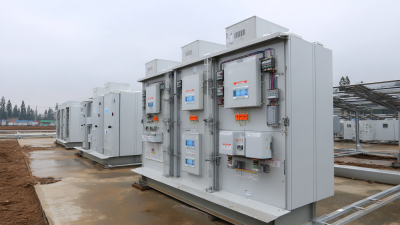
The solar energy industry is really taking off these days. Did you know that in 2021, global installations hit around 260 GW? That figure comes from the folks at the International Energy Agency. One of the key drivers behind this boom is the wide variety of ways photovoltaic connectors are used in solar setups. They’re more than just parts—they’re essential for making sure power gets transferred smoothly and reliably. Whether it’s residential rooftops, big commercial projects, or massive utility-scale farms, these connectors play a crucial role in keeping everything running smoothly and making sure solar systems last longer.

At QC Solar, we truly get how important high-quality photovoltaic connectors are for getting the most out of your solar systems. We live by our motto — "Quick, Professional, Customer Delight" — and that means we aim to supply connectors that don’t just meet industry standards, but actually go beyond them. For example, our connectors are built to handle tough environmental conditions without losing efficiency. Choosing more durable connectors can really improve how well your solar setup performs overall.

**A little tip for you:** When you’re picking connectors for your solar system, think about factors like the IP rating — that’s how well they resist dust and moisture — and the temperature ranges they can handle. Going with certified, reliable connectors definitely adds an extra layer of safety and peace of mind. And don’t forget, regular maintenance and inspections can catch potential issues early, helping your solar system last longer. As we keep pushing for a greener future through solar energy, putting an emphasis on quality connectors is absolutely key to making renewable energy even better down the line.

Integrating Photovoltaic Connectors in Electric Vehicles and Charging Stations

So, integrating photovoltaic (PV) connectors into electric vehicles (EVs) and charging stations is honestly a pretty big deal when it comes to pushing for more sustainable energy solutions. As more and more folks jump into the EV game, having reliable and efficient chargers becomes more important than ever. These PV connectors actually make it easier to transfer solar energy directly to the cars, which means they can be powered in a way that's cleaner and better for the planet. It’s pretty cool — drivers can tap into renewable energy sources and, at the same time, cut down on their carbon footprint.

And on top of that, when charging stations are built with integrated PV systems, they become even more efficient. Basically, these stations can turn sunlight straight into electricity right on the spot, which cuts down on the need to rely on traditional power grids. Plus, this could save some money in the long run because operational costs go down. As everyone’s getting more serious about sustainability, connecting solar tech with EV infrastructure through PV connectors is gonna be a key part of growing both industries — and helping create a greener, cleaner future.

The Role of Photovoltaic Connectors in Sustainable Agriculture Practices

When it comes to sustainable farming, photovoltaic connectors are pretty much the unsung heroes. They help capture that sweet solar energy and use it to power all sorts of agricultural activities. Bringing solar tech into the mix isn’t just about being eco-friendly; it actually helps farmers save energy and move towards more sustainable ways of doing things. These connectors are super important because they make sure everything — from the solar panels to energy storage — stays connected reliably and safely, so you get the most out of your solar setup.

Lately, there’s been a lot of buzz about offshore floating solar plants. The focus isn’t just on generating clean energy but also on protecting our oceans and marine life. These floating systems use photovoltaic connectors to manage the energy efficiently, even when the conditions out at sea get tough. As more farmers start to adopt these kinds of tech, it’s pretty exciting to think about how much we can cut down on emissions and make food production more sustainable.

If you're a farmer thinking about going solar, here are a few tips: check that your photovoltaic connectors are compatible with your existing gear, make it a habit to inspect the connections regularly for any signs of wear and tear, and definitely look into government incentives or grants for renewable energy projects. Taking these steps can help you make the most of solar power, making your farm more economical and eco-friendly at the same time.

Challenges and Innovations in Photovoltaic Connector Technology for Wind Energy

As the world shifts towards more renewable energy sources, photovoltaic connector tech has really become a key player—especially when it comes to blending solar power with other types like wind. With everyone pushing for more sustainable solutions, there’s a bigger need than ever for dependable, efficient connectors that can handle all sorts of environmental conditions. The tricky part isn’t just about keeping performance up; it’s also making sure these connectors play nicely with different energy systems, which can sometimes be a real headache.

Diverse Examples of Photovoltaic Connector Plug Applications Across Industries

Luckily, there are some cool innovations happening in photovoltaic connectors. Engineers are coming up with smarter designs that are tougher and more adaptable—think better materials and innovative engineering that boost durability, even in tough weather. And they make connecting solar and wind systems a whole lot smoother.

At QC Solar, we’re all about fast, professional service that matches what the industry needs right now. We’re dedicated to not just meeting our customers’ expectations but really anticipating what they’ll need next. By doing so, we’re proud to contribute to the growth of smarter, more sustainable energy solutions for everyone.

Building-Integrated Photovoltaics: Leveraging Connectors for Urban Infrastructure

As cities keep growing and becoming more crowded, building-integrated photovoltaics (or BIPV for short) are really starting to play a big role in shaping what we call smart cities. You know, with more focus on sustainability, more buildings are now integrating solar panels right into their design. It’s pretty cool because these buildings can actually generate their own power, which helps cut down on carbon emissions overall. I read that the global market for smart buildings is set to skyrocket — from around $143 billion in 2025 to nearly $548 billion by 2032, growing at about 21.2% each year. That’s a huge jump, and it shows just how important energy-efficient tech like BIPV has become in transforming how our cities look and function.

Now, a key piece of making all this work smoothly is the use of smart photovoltaic connectors. These little guys are super important because they make sure the whole system stays reliable and that everything fits together nicely with existing city infrastructure. As urban areas turn into more connected, energy-conscious ecosystems, the need for better energy management and renewable tech will only grow. By using innovative connectors and smart designs, architects and engineers can create buildings that aren’t just good-looking and functional, but also really contribute to a greener, more sustainable urban environment.

Applications of Photovoltaic Connectors Across Industries

This chart illustrates the diverse applications of photovoltaic connectors across different sectors, highlighting the importance of building-integrated photovoltaics in urban infrastructure.

Exploring Future Trends in Photovoltaic Connectors Across Emerging Markets

As the world really gets serious about switching to sustainable energy and hitting those net-zero goals, photovoltaic connectors are becoming more and more crucial across different industries. If you look ahead to 2024, things are shaping up for a pretty strong growth in China's solar component market, thanks to new opportunities popping up and companies rolling out innovative products. Especially in emerging markets, the latest connector tech is a game-changer — boosting how efficient and reliable solar energy systems can be.

Diverse Examples of Photovoltaic Connector Plug Applications Across Industries

Companies like QC Solar are really leading the charge here. They’re all about quick, professional service, and they truly care about keeping their customers happy. By offering comprehensive solutions for solar energy storage connections, QC Solar is playing a key role in pushing the solar industry toward a more sustainable future. And with the rising demand for smarter photovoltaic connectors—driven by offshore solar projects and increased investments in developing regions—the outlook for solar tech looks pretty bright. All in all, these innovations not only help us capture solar energy more effectively but also support the bigger global shift toward cleaner, greener energy. It's an exciting time to be in this space!

Unlocking the Power of Solar Energy: A Deep Dive into QC Three-Core AC02 Connectors for PV Systems

Unlocking the Power of Solar Energy: A Deep Dive into QC Three-Core AC02 Connectors for PV Systems

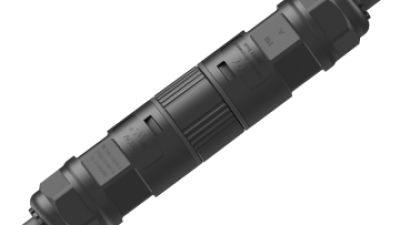
In the pursuit of harnessing solar energy efficiently, the importance of reliable connectivity cannot be overstated. The QC Three-Core AC02 Connectors have emerged as a game-changer in photovoltaic (PV) systems. Designed to deliver a stable and reliable connection, these connectors ensure that energy can flow seamlessly from solar panels to inverters and storage systems, enhancing the overall performance and durability of solar installations.

One standout feature of the AC02 Connectors is the innovative separate screw cap design. This feature not only simplifies the installation process but also provides an added layer of protection against environmental factors. By preventing moisture infiltration and ensuring a secure connection, the separate screw cap enhances the reliability of the system, reducing the risk of connection failure over time. In a world increasingly reliant on renewable energy, trusting in the longevity and stability of components is critical to maximizing solar-powered solutions.

The QC Three-Core AC02 Connectors are perfectly poised to meet the evolving needs of the solar industry. Their stable and reliable connection capabilities, combined with user-friendly design elements like the separate screw cap, make them an ideal choice for both new installations and retrofitting existing PV systems. As we continue to explore the vast potential of solar energy, investing in high-quality components like the AC02 Connectors is essential to unlock the full promise of sustainable energy.

FAQS

: What are photovoltaic connectors and why are they important in solar energy systems?

: Photovoltaic connectors are crucial components in solar energy systems that ensure efficient and reliable power transfer, contributing to the overall performance and longevity of solar installations across various sectors.

What factors should be considered when selecting photovoltaic connectors for solar energy systems?

When selecting connectors, consider factors such as IP rating for moisture and dust resistance, temperature ranges they can withstand, and ensure they are certified for safety and performance.

How do high-quality photovoltaic connectors affect the performance of solar installations?

High-quality photovoltaic connectors can withstand harsh environmental conditions and minimize power loss, significantly improving the overall efficiency and reliability of photovoltaic systems.

What emerging trend is being observed in urban environments related to photovoltaic systems?

Building-integrated photovoltaics (BIPV) are becoming increasingly important as urbanization rises, allowing buildings to generate their own electricity and reducing the overall carbon footprint.

How significant is the smart building market, and what role do photovoltaic connectors play in it?

The global smart building market is expected to grow significantly, with a projected expansion from $143 billion in 2025 to $548 billion by 2032. Photovoltaic connectors are essential for the successful implementation of BIPV systems, ensuring reliable performance and seamless integration with urban infrastructures.

What are the benefits of integrating photovoltaic systems into urban infrastructure?

Integrating photovoltaic systems into urban infrastructure allows buildings to generate their own electricity, thus contributing to sustainable energy solutions and reducing carbon footprints within smart cities.

Why is ongoing maintenance important for photovoltaic connectors?

Ongoing maintenance and inspections are crucial as they can prevent potential failures and extend the lifespan of solar installations, ensuring consistent energy production.

How can innovative connector solutions contribute to sustainable urban development?

Innovative connector solutions enable architects and engineers to design buildings that meet both aesthetic and functional requirements while supporting renewable energy generation, enhancing sustainable urban development.

What is the growth rate of the smart building market and its implications?

The smart building market is projected to experience a compound annual growth rate (CAGR) of 21.2%, highlighting the increasing demand for energy-efficient technologies, including BIPV, in transforming urban landscapes.

How do photovoltaic connectors help in managing energy in smart ecosystems?

Photovoltaic connectors facilitate the efficient management of energy, ensuring that renewable energy generation technologies can be effectively integrated into the infrastructure of smart ecosystems.

Conclusion

Hey, I just read this really interesting blog called "Diverse Examples of Photovoltaic Connector Plug Applications Across Industries." It dives into how these connectors aren’t just your run-of-the-mill parts—they actually play a pretty huge role across different fields. For instance, they’re absolutely vital in solar energy setups, helping make those systems work smoothly. Plus, they’re making electric vehicles and charging stations better and more reliable, which is pretty cool when you think about how much they’re pushing sustainable practices forward.

And it doesn’t stop there. In agriculture, these connectors help support smarter, climate-friendly solutions, and when it comes to wind energy, new innovations are constantly tackling the challenges the industry faces. The blog also talks about how building-integrated photovoltaics are totally transforming city infrastructure—taking eco-friendly design to a whole new level.

Looking ahead, the piece hints at future trends for photovoltaic connectors, especially in emerging markets. Overall, it really highlights how QC Solar is all about driving the global push for solar energy and sustainable growth, both industry-wide and in our communities. Honestly, it’s pretty inspiring stuff, and makes you think about how these tiny connectors can have such a big impact.

Logan

Logan

Logan is a dedicated marketing professional at Suzhou KuaiKe Electronics Photovoltaic Co., Ltd., where he excels in promoting the company's innovative solar energy solutions. With a deep understanding of the photovoltaic industry, Logan utilizes his expertise to effectively communicate the unique......
Previous The Ultimate Guide to Choosing the Best Mc4 Cable for Your Solar Projects