Leave Your Message
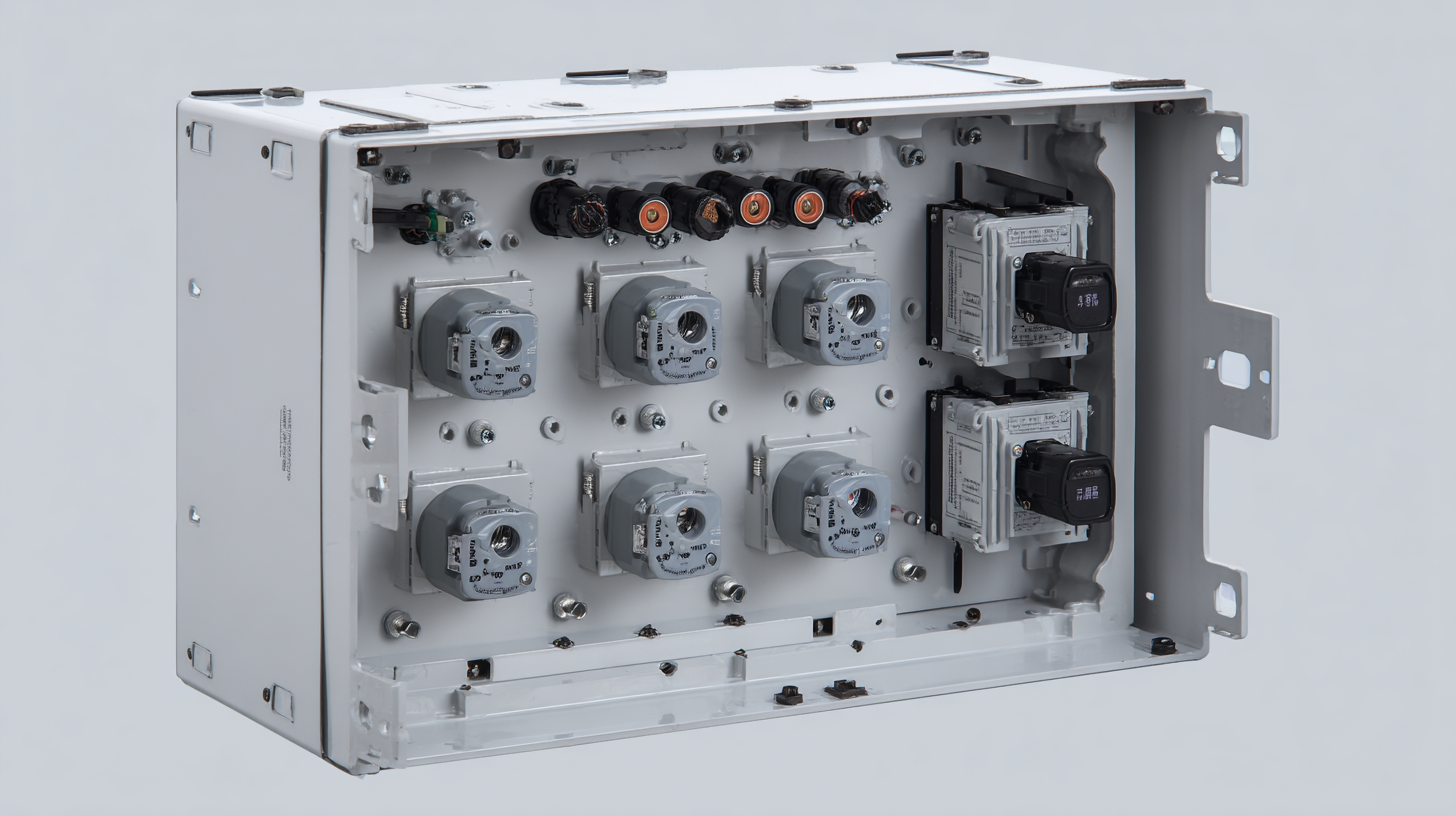
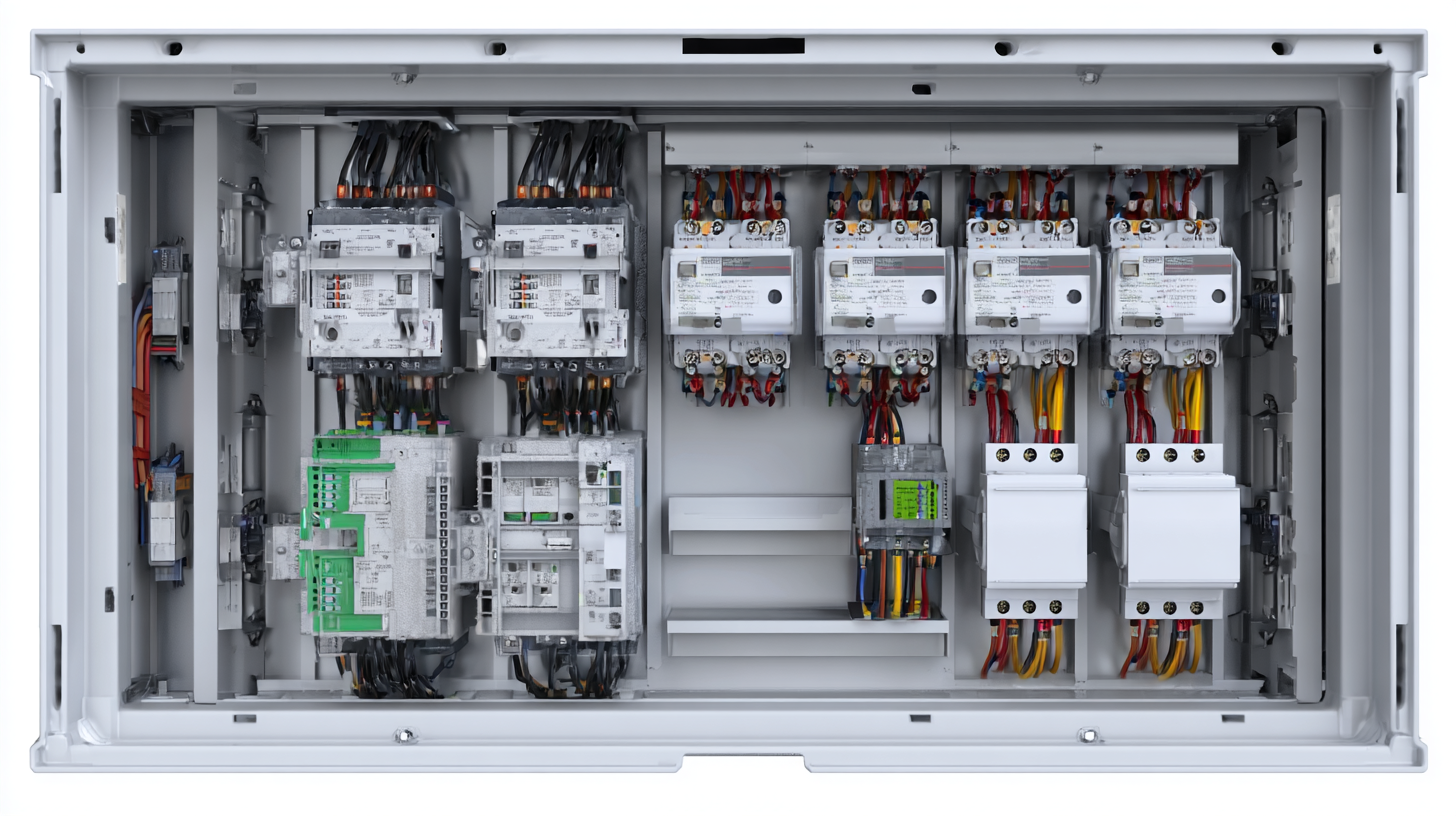
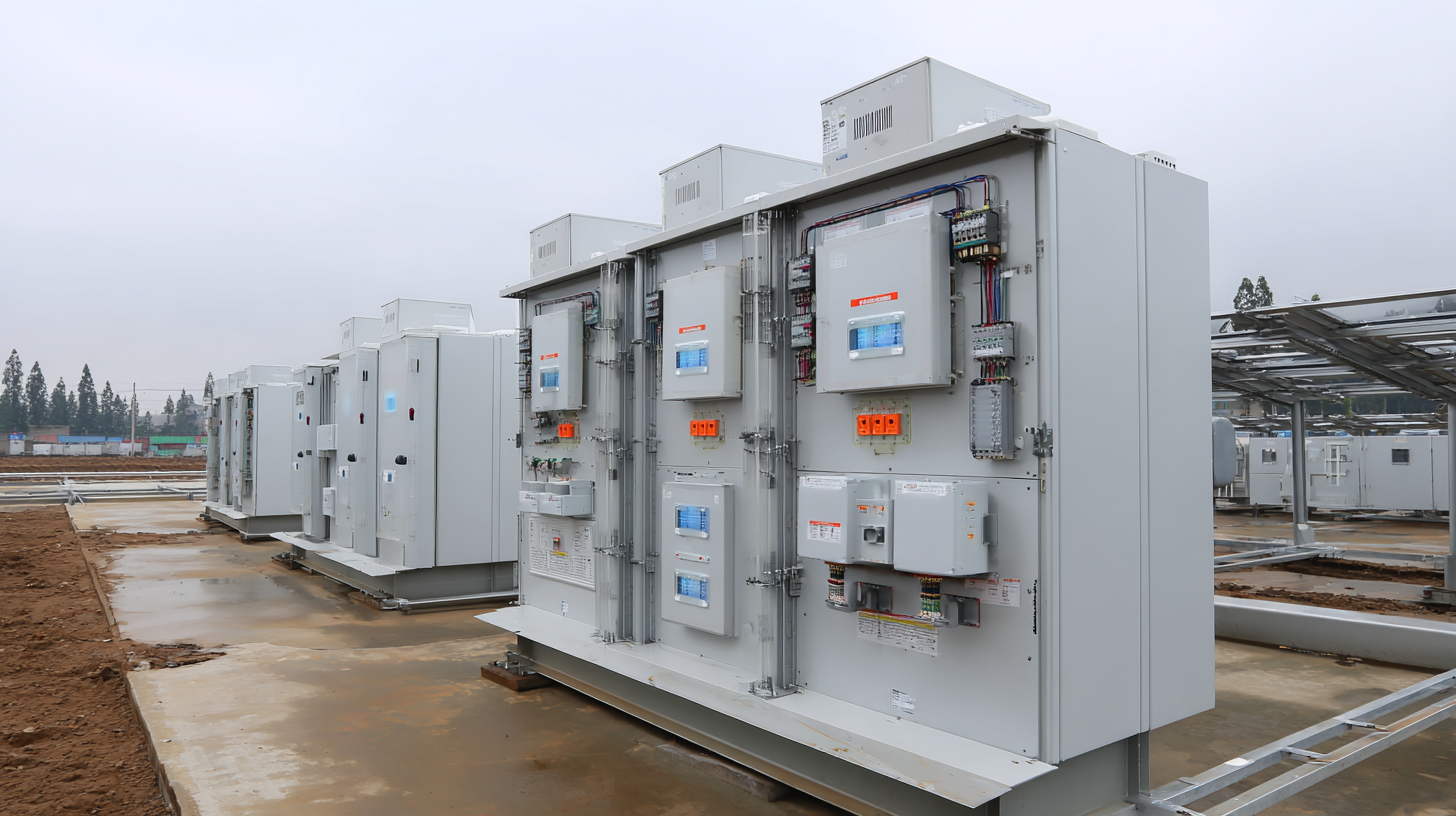
You know, as the solar industry keeps evolving so fast, the need for really good PV General Junction Boxes is more important than ever. I’ve seen some recent reports that say the global market for these boxes is set to grow quite a bit — like over $5 billion by 2025, can you believe that? It’s all thanks to more folks adopting solar energy and new tech making manufacturing smoother and better. At Qc Solar, we live by the motto “Quick, Professional, Customer Delight,” and we’re super committed to becoming a top global brand in solar storage connections. Our focus on top-notch quality and innovation with PV General Junction Boxes really lines up with where the industry’s heading—towards a more sustainable, greener future for everyone. When you look at what China’s top manufacturers are offering right now, it’s pretty clear that these components are key to making solar systems more efficient and longer-lasting. It’s an exciting time for sure!
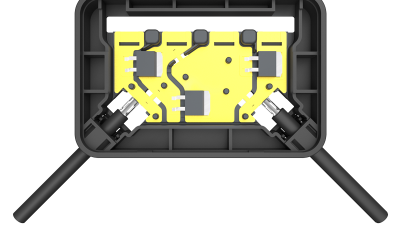
When you're choosing premium Pv Junction Boxes, it's pretty important to pay attention to some key features that can really make a difference in how reliable and efficient your solar setup is. I recently read a report from the International Renewable Energy Agency (IRENA) that highlighted just how crucial proper junction box performance is — it actually influences the overall output of your solar panels. Good quality junction boxes usually come with weatherproof designs rated at IP68, which means they’re well protected against dust and water—super important, especially if you’re installing these outdoors where the weather can get pretty harsh.
Another thing to keep in mind is what's inside the junction box—the electrical components like bypass diodes. Some studies have shown that modules with built-in bypass diodes can cut down power losses in shaded areas by up to 30%. Top-notch PV junction boxes often feature advanced thermal management tech that helps them last longer and stay cool, even when temperatures hit around 85°C, thanks to standards from the Solar Energy Industries Association (SEIA). Plus, using high-grade materials like UV-stabilized polycarbonate really helps ensure your system keeps working great over the years. Spending a little extra on these premium features isn’t just about getting more energy—it's also about making maintenance smoother and getting the most out of your investment in solar power.
Honestly, paying attention to these details can save you headaches down the line and really boost your system’s performance in the long run.
| Feature | Description | Importance |
|---|---|---|
| Material Quality | High-quality UV resistant materials for durability. | Ensures longevity and resistance to harsh weather conditions. |
| Ingress Protection Rating | Rated IP65 or higher for the highest water and dust protection. | Critical for protecting electrical components from the environment. |
| Connection Methods | Multiple connection methods including screw terminals and plug-and-play options. | Facilitates easy installation and maintenance. |
| Temperature Range | Operational temperature range capable of withstanding extreme conditions. | Essential for performance in varying climate conditions. |
| Size and Weight | Compact and lightweight designs for easy handling. | Affects installation flexibility and structural load considerations. |
| Certifications | Certified under multiple international standards (IEC, UL). | Guarantees safety and reliability in global markets. |
The importance of solar junction boxes in photovoltaic (PV) systems cannot be overstated. They are crucial components that ensure the efficient and safe operation of solar panels. One standout product in this category is the QC Solar 0816431 series, which has garnered attention due to its robust features and superior performance. Certified by both TUV and UL, this junction box meets stringent quality standards that are essential for long-term reliability and safety in solar applications.
With an IP68 protection grade, the QC 0816431 is designed to perform exceptionally well even in harsh environmental conditions. According to a report by the International Renewable Energy Agency (IRENA), approximately 60% of solar installations face challenges related to environmental stressors. Therefore, having a junction box that can withstand extreme temperatures, moisture, and dust is paramount for maximizing energy output and reducing maintenance costs over time.
Moreover, the QC Solar 0816431 series stands out for its high-performance specifications. Studies indicate that well-designed junction boxes can increase the overall efficiency of solar systems by as much as 10%. This series not only enhances the energy conversion efficiency but also ensures that solar installations operate safely, paving the way for a cleaner and more sustainable future in energy production.
: Durable materials like polycarbonate and polypropylene are commonly used for their weather resistance and fire retardancy. High-quality seals and connectors are also important for enhancing waterproofing and mechanical strength.
Choosing a suitable location that is sheltered from excessive moisture, dust, and direct sunlight reduces the risk of corrosion and overheating, which can lead to system failures.
Utilizing high-quality connectors and ensuring tight, corrosion-resistant connections is key to preventing energy losses and maximizing performance.
It's important to routinely check for signs of wear and tear, such as cracks or corrosion, and to ensure that terminals and connections are clean and secure.
Accumulation of dust, leaves, and other materials can restrict airflow and cause overheating, which may hinder the performance of the junction boxes.
Regular inspections for wear and tear, ensuring connections are clean and secure, and keeping junction boxes free from debris can extend their lifespan and enhance system efficiency.
Sustainable material selection contributes to the longevity of solar components and promotes eco-friendly recycling methods, supporting overall sustainability goals in the solar industry.
Regular maintenance helps identify potential issues early, ensures that connections are secure, and keeps junction boxes clean, all of which contribute to a more efficient and reliable solar energy system.
QC Solar is committed to excellence and sustainable development solutions, aiming to be a future global brand in the solar storage connection space and to contribute positively to societal advancement.