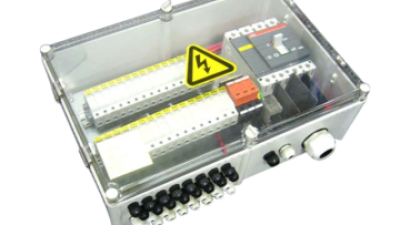
Solar power is really taking off, and now even the tiniest components are playing a huge role in the whole system. According to IRENA’s Renewable Capacity Statistics 2024, worldwide solar capacity hit 1,419 GW in 2023—adding a hefty 346 GW in just that year. It’s easy to think that behind every shiny module, there are parts that need to work consistently through heat, rain, dust, and years of outdoor wear and tear. One of those key parts is the Pv Junction Box.
When you're making a purchase, don’t just go on price or how a product looks. It’s important to dig into the nuts and bolts—check electrical ratings, connector compatibility, bypass diode design, the materials used for the enclosure, sealing quality, and whether you can trace test reports. Sometimes, a Solar Junction Box might look identical on the spec sheet, but there could be big differences in how it’s built or tested—that’s a gap worth paying attention to. The IEC 62790 standard from the IEC covers safety requirements for these boxes used in PV modules, so it’s smart to ask your supplier which tests they’ve passed and what documentation they can share.
In this guide, I’ve put together 10 practical tips for buyers around the world—things like comparing specs, checking supplier quality controls, and understanding their delivery support. Always ask for solid proof, not just bold claims. For example, a photo of a sealed enclosure isn’t the same as a thermal performance test. And a low price quote isn’t necessarily a sign of long-term value. Even seasoned buyers can overlook small details, especially when info is scattered across different documents. Take a second look! The right choice depends on your specific module, installation conditions, and verified product data—not just a flashy headline rating.
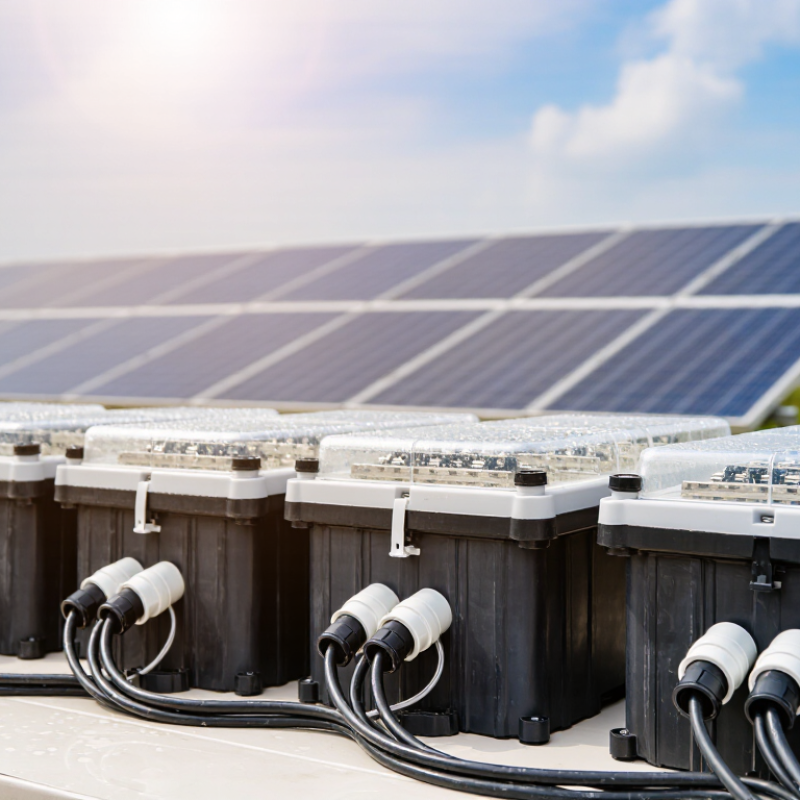
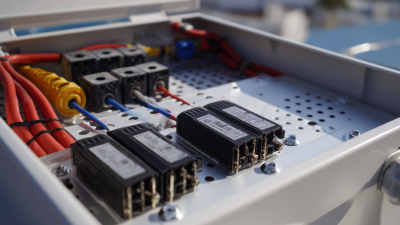
A Junction Box Pv Module is the enclosure fixed to a solar module’s rear surface. It brings the cell strings together and connects them to the module’s output cables. Inside, bypass diodes provide a path for current around cell groups affected by shade or faults. This can reduce harmful heating, but it does not make shading harmless. The box also shields electrical joints from moisture, dust, and physical contact. Small component. Important role. Its design must suit the module’s electrical and thermal conditions, not just fit its backsheet.
For global buyers, check rated voltage and current, diode specifications, cable size, and connector compatibility against the module datasheet. Look closely at the lid seal and cable exits; these are practical points where water or strain can cause trouble. A box may have a strong enclosure yet still perform poorly if its terminals loosen under repeated heating. Ask how materials and connections are verified, since a specification sheet cannot show every detail of assembly quality. In real installations, cable routing and mounting pressure also matter. It is easy to overlook them during procurement. A clear system role helps buyers compare the junction box as part of the module, rather than as a replaceable accessory.
When comparing PV junction boxes, verify that the supplier’s declaration names IEC 62790:2020 and the exact model. The standard covers photovoltaic module junction boxes rated up to 1,500 V DC. An older report may not cover the offered configuration. IEA PVPS’s Snapshot of Global PV Markets 2024 estimated more than 1.6 TW of cumulative PV capacity by the end of 2023. At that scale, component traceability is practical, not clerical.
Ask for the complete test report, certificate scope, rated voltage, current limits, and permitted cable sizes. Match the enclosure, terminals, diode layout, and cable entry to the tested drawings. Review evidence for insulation, temperature performance, moisture exposure, and mechanical stress. An IP rating alone does not establish IEC 62790 compliance. Paper is not proof.
During incoming inspection, compare molded markings and cable glands with the approved sample; small changes can affect sealing or strain relief. Confirm that production controls preserve the tested design, and ask how revisions trigger reassessment. Do not assume an IEC report ensures acceptance in every market; confirm project and local documentation requirements. Easy to overlook.
IEC 62852 addresses photovoltaic connectors rated up to 1,500 V DC. That scope is a ceiling, not proof that every connector or Pv Junction Box suits a 1,500-volt array. Check the connector’s marked voltage and supporting documentation against the system’s maximum string voltage. Cold conditions can raise open-circuit voltage, so use the project’s calculated worst-case value, not only its nominal operating voltage. Small label, big consequence.
Tips: Confirm the connector rating, current rating, and approved mating details in the technical documents. Keep connector types matched; physical fit alone does not establish compatibility. Ask for applicable test evidence and traceable product records. Check the junction box, cable, and connected components as a coordinated assembly, since one lower-rated part can limit the system.
Installation details matter, too. Temperature, sunlight exposure, cable routing, and enclosure conditions may affect component selection. Compare the manufacturer’s stated operating limits with the actual site conditions, including expected heat inside the module area. If documentation is unclear, request written clarification before purchase. I have seen voltage figures treated as interchangeable; they are not, and that assumption deserves a second look.
A junction box should be selected from the module datasheet, not from a familiar cable size. Check short-circuit current (Isc), maximum system voltage, and any bifacial-current allowance. IEA PVPS’s Snapshot of Global PV Markets 2024 reports at least 407 GW of new PV capacity installed in 2023, reflecting a market with increasingly varied module designs. The numbers vary by model. A “Pv Panel Junction Box” rated only for a conventional module may leave too little current margin for a higher-output design.
For a practical screening example, a module with 15 A Isc gives 18.75 A when multiplied by 1.25. Treat that as a preliminary check, not a universal final rating; local installation rules and project conditions may require more. IEC 62548-1:2023 provides PV array design guidance, while IEC 62790:2020 covers junction-box safety and testing. Confirm the box’s rated current at the expected operating temperature, then check cable ampacity and contact ratings under the same conditions. Hot roofs matter. Also account for bifacial gain where applicable, since rear-side irradiance can raise current. A datasheet comparison is easy to rush. Recheck the assumptions before approving samples.
A Photovoltaic Junction Box may carry an IP rating, but the label alone does not show how it was tested. Under IEC 60529, IP6X means dust-tight during the specified dust test. IPX7 means protection against harmful water ingress during temporary immersion, typically at one metre for 30 minutes under defined conditions. The “X” means that rating position was not specified or tested; it does not mean partial protection.
Tips: Ask for the IEC 60529 test report, not just a sales sheet. Check that the tested enclosure matches the supplied model, including cable glands, seals, and covers. Confirm test conditions and acceptance criteria. A loose gland on a bench can change the result. Small detail, big consequence.
IPX7 does not establish resistance to powerful water jets; that requires a different test classification. Nor do IP6X and IPX7 alone prove resistance to UV exposure, temperature cycling, or long-term outdoor aging. Review those risks separately against the installation environment. I would also inspect sealing surfaces after assembly, because paperwork cannot catch every handling mistake. That step is easy to overlook.
Junction-box temperature ratings should be checked against the site’s real thermal envelope, not a regional average alone. A rooftop in Phoenix and a windy coastal array may share similar summer highs, yet their box temperatures can differ with sun exposure, roof heat, and airflow. NREL’s PVWatts Version 5 Manual estimates module temperature using ambient temperature, irradiance, and wind speed. These are useful inputs when screening hot-site conditions. That matters. The box sits behind a working module, where solar heating can push local temperatures above the weather-station reading.
Ask for the junction box’s stated operating-temperature range, and confirm whether it describes continuous use or only a test limit. IEC 61215-2’s thermal-cycling qualification includes module temperatures from -40°C to +85°C; this test does not prove a junction box can operate continuously across the same range. Easy to miss. Compare the component datasheet with project records for cold snaps, roof exposure, wind, and expected loading. A mountain site needs cold-side margin; a low-wind rooftop needs hot-side margin. I would not select a box merely because its upper limit looks generous. Datasheets may leave test conditions unclear, so request clarification and keep the response with procurement records.
| # | Buying Tip | Climate or Project Condition | What to Check | Practical Buying Action |
|---|---|---|---|---|
| 1 | Match the full operating-temperature range | Cold regions may have winter design temperatures below −30°C; hot sites may experience ambient temperatures above 40°C. These are screening examples, not universal climate limits. | The datasheet’s minimum and maximum operating temperatures, including whether they refer to ambient or component temperature. | Compare the stated range with the project’s site-specific design temperatures and applicable installation conditions. |
| 2 | Allow for heating above ambient temperature | Modules exposed to strong sunlight can run substantially hotter than the surrounding air. | Temperature limits for the enclosure, cable insulation, seals, and internal electrical components. | Ask how the declared limits apply when the box is mounted on a sun-exposed module; do not use ambient-air temperature alone. |
| 3 | Check heat exposure in hot, high-irradiance locations | Desert and tropical projects can combine high solar irradiance, hot air, and limited cooling airflow. | Continuous operating limits and the temperature capability of the junction box’s materials and contacts. | Request supporting test documentation and confirm the complete module assembly is suitable for the project’s thermal conditions. |
| 4 | Consider cold starts and rapid temperature changes | Mountain, continental, and high-latitude sites may experience freezing conditions and large day-to-night swings. | Low-temperature limits, seal flexibility, cable behavior, and any documented thermal-cycling test results. | Verify suitability at the project’s minimum design temperature and follow the manufacturer’s installation instructions for cold weather. |
| 5 | Review current rating at elevated temperature | High module current and high operating temperature can increase stress on electrical contacts. | Rated current, maximum system voltage, and any temperature-related derating or installation restrictions. | Confirm ratings against the module design and system configuration; obtain written clarification if derating information is missing. |
| 6 | Assess humidity, rain, and condensation risk | Coastal, tropical, and monsoon climates may combine moisture, humidity, and frequent wetting. | Ingress-protection rating, sealing design, and the conditions under which the rating was tested. | Check the stated enclosure rating and installation details. For IP ratings, confirm the test scope rather than assuming unlimited immersion protection. |
| 7 | Account for UV exposure and material aging | Outdoor systems in high-UV regions receive prolonged sunlight exposure over their service life. | UV suitability of exposed polymers, seals, and cable insulation, as well as applicable test evidence. | Request material and qualification information for the intended outdoor application; avoid relying on appearance alone. |
| 8 | Check the enclosure’s rated protection in context | Dusty, windy, or agricultural sites may expose equipment to fine particles and debris. | The declared IP code and whether the complete assembled box, including cable entries, is covered. | Verify the rating against IEC 60529 documentation and the actual installation configuration. |
| 9 | Verify product safety qualification and traceability | Global projects may be subject to local codes, tender requirements, and third-party review. | Applicable safety standard, certificate scope, test reports, and model identification. | For junction boxes for photovoltaic modules, review relevant IEC 62790 documentation and confirm it covers the exact product configuration. |
| 10 | Compare against site data, not climate labels alone | Two sites in the same broad climate zone can differ in elevation, wind, shading, humidity, and temperature extremes. | Project weather data, module mounting arrangement, ventilation, and the junction box’s stated temperature range. | Use site-specific design conditions and request clarification from the supplier whenever the datasheet does not define its temperature-rating basis. |
Note: Climate examples are screening guidance only. Confirm project-specific temperature extremes and product ratings in the applicable datasheet, certificate, and installation instructions.
For a long-life PV system, a junction box’s paperwork matters almost as much as its enclosure. Ask for traceable records linking the supplied unit to its production batch, inspection results, and key material specifications. Check that labels on boxes match the documents; mismatches can slow down fault investigations years later. Keep copies. A tidy file helps, though paperwork alone cannot prove how a product will perform outdoors.
Tips: Before ordering, request a sample traceability record and confirm what information remains available after delivery. Check the warranty start date, covered components, exclusions, and the process for reporting a fault. Ask who pays shipping and how replacement units are arranged. Get the answers in writing.
Warranty length is only one part of the decision. Clarify whether replacement support includes technical review, compatible components, and realistic response times. Ask what evidence is needed, such as installation photos, batch codes, or test readings. These details can prevent avoidable delays when a system is already operating. One question is easy to miss: will the replacement match the original connector and cable arrangement? I would not assume it will. Review the terms with the installer, and retain a few clear photos of the installed box and its markings.
Suggested review priority for traceability, warranty terms, replacement support, and other long-life system checks. Ratings are a buyer-planning framework, not measured supplier performance or market survey results.
Priority rating: 1 = lower review priority; 5 = higher review priority. Confirm requirements against your project specifications and applicable standards.
A plastic combiner box can make solar power system design more straightforward by bringing multiple string connections together at a central point. This organized layout helps reduce cable clutter and makes the system easier to inspect and maintain. Its enclosure is designed to house key connection and protection components, helping keep them separated from everyday contact and sheltered from common environmental exposure. For installers and system designers, a clearly arranged combiner box can also simplify planning by creating a more consistent connection point between solar panel strings and downstream equipment.
The Combiner Box (Plastic) combines practical functionality with a considered enclosure design to support safer, simpler energy management. Its lightweight construction can make handling and installation more convenient, while the internal layout helps keep wiring orderly. When selected to match the system’s electrical ratings and installed according to the product instructions and applicable requirements, it can contribute to a well-organized solar setup. Easy access for qualified inspection and servicing further supports routine maintenance, helping users keep connections visible and the system’s overall arrangement manageable.
Request a complete test report naming IEC 62790:2020 and the exact model. Check its voltage rating, current limits, and certificate scope. Paper is not proof.
Compare the enclosure, terminals, diode layout, and cable entry with the tested drawings. Check molded markings and cable glands against an approved sample. Small changes can affect sealing.
No. An IP rating alone does not establish compliance. Review evidence for insulation, temperature performance, moisture exposure, and mechanical stress.
Start with the module datasheet. For a 15 A short-circuit current, multiplying by 1.25 gives 18.75 A as a preliminary check. It is not a universal final rating.
Check short-circuit current, maximum system voltage, and any bifacial-current allowance. Rear-side sunlight can raise current. Recheck the assumptions before approving samples.
Confirm cable ampacity and contact ratings at expected operating temperatures. Also verify permitted cable sizes. Hot roofs matter.
Ask for batch-linked inspection records and key material specifications. Check that box labels match the documents. A tidy file helps, but it cannot prove outdoor performance.
Confirm the warranty start date, exclusions, fault-reporting process, shipping costs, and response times in writing. Ask whether a replacement will match the original connector and cable arrangement. I would not assume it will.
A reliable Pv Junction Box plays a vital role in a photovoltaic module by organizing electrical connections and helping protect them from environmental exposure. When comparing options, buyers should confirm that the box is designed for its intended system voltage and check for compliance with IEC 62790:2020, which covers junction boxes rated up to 1,500 V DC. Connector ratings should also be suitable for the system and align with the scope of IEC 62852.
Electrical and environmental performance deserve equal attention. Cable and contact capacity should be matched to the module’s short-circuit current (Isc), while IP6X and IPX7 claims should be assessed against the relevant test definitions in IEC 60529. Compare operating-temperature ratings with the project’s expected climate, and review documentation for traceability, warranty coverage, and replacement support. These checks help global buyers assess product suitability and plan for dependable performance over the life of a PV system.