In this rapidly changing tech world, safety really has to be a top priority, right? Take the new "Rapid Shutdown" systems, for example — they represent a pretty big shift in how we approach safety, especially when it comes to solar energy. Companies like Tesla are really pushing the envelope here, trying to make things safer for everyone.
So, what’s Rapid Shutdown all about? Basically, it gives you a quick way to shut down your solar panels in emergencies. When stuff hits the fan, seconds matter — this system can cut the power fast to help dodge electrical hazards and protect both people and property. That said, it’s not perfect — there are still some hurdles, like making sure the system’s super reliable and keeping costs reasonable.
I've heard from some users who've had mixed experiences. Some mention that the system doesn’t always kick in as quickly as it should in urgent situations. That kind of feedback is actually super valuable because it helps everyone work towards making it better. As technology keeps moving forward, making the Rapid Shutdown process more foolproof has to stay a priority. The main goal? Creating safer spaces through smart innovation, step by step.
What is Rapid Shutdown and Its Importance in Solar Energy Systems
Rapid Shutdown is a crucial safety feature in solar energy systems. It ensures the quick disconnection of solar panels from the grid during emergencies, which is vital for protecting firefighters and first responders. Without such measures, the risk of electric shock increases significantly.
Understanding Rapid Shutdown is essential for homeowners and businesses. It reduces hazards during maintenance or unexpected events. Imagine a fire breaking out near solar panels without this feature. The potential for serious injury rises sharply. Rapid Shutdown mitigates this risk efficiently.
Incorporating this technology is not always straightforward. Some existing systems may require upgrades. This can lead to unexpected costs and technical challenges. It's important to weigh these factors carefully. Ensuring safety without compromising efficiency is a balancing act. As solar technology evolves, the importance of innovations like Rapid Shutdown cannot be overstated.
The Evolution of Rapid Shutdown Technologies in Recent Years
Rapid shutdown technologies have made significant strides in recent years. These systems are designed to enhance safety by quickly disconnecting energy sources during emergencies. As the adoption of solar energy grows, effective shutdown mechanisms have become crucial. In 2026, this technology is more refined, focusing on immediate response. Various methods have emerged to provide that rapid disconnect when needed.
Innovations in sensor technology play a vital role. Modern sensors can detect faults without delay. They sense anomalies and trigger shutdowns effectively, often in seconds. However, there are still challenges. Some installations face delays due to miscommunications between components. In some cases, maintenance protocols can be inconsistent, leading to potential risks. These gaps highlight the need for continuous improvement in the industry.
Public awareness of these technologies is also rising. People are more informed about the importance of safety in energy systems. Many seek reliable systems that not only provide power but also protect lives. This increasing demand drives further advancements in rapid shutdown technologies. However, it's essential to remain vigilant. With growth, there is always the possibility of complacency. Each technological leap offers a chance to reflect on safety practices.
Key Safety Standards and Regulations Governing Rapid Shutdown in 2026
Rapid shutdown technology is becoming crucial for energy systems. This is particularly true in solar energy installations. In 2026, regulations will heavily influence how this technology is used. Current safety standards may need to evolve. There are concerns about how effectively systems can shut down in emergencies.
Key regulations focus on effective mechanisms for rapid shutdown. They aim to protect both first responders and the public. Safety protocols are vital during an emergency. Systems must operate flawlessly to prevent accidents. However, technology still faces challenges. For instance, integration with existing infrastructure can be complicated.
As innovations surface, standards will adapt. There are many uncertainties surrounding these changes. More thorough studies are needed to ensure compliance. Stakeholders must engage deeply with safety regulations. Rapid shutdown is essential for safety, but it needs continuous improvement. Balancing innovation with stringent regulations is no easy task.
Rapid Shutdown Technology Trends in 2026
This chart illustrates the compliance rates for different safety regulations regarding Rapid Shutdown technology as of 2026. The data shows varying levels of adherence, indicating areas for improvement in safety standards.
Technological Mechanisms Behind Rapid Shutdown: A Detailed Overview
The concept of rapid shutdown is crucial in modern solar technology. It is designed to enhance safety during emergencies. The underlying mechanism involves a swift disconnection of the solar energy system from the grid. This ensures that no electricity flows, reducing risks to first responders in case of a fire or other hazardous situations.
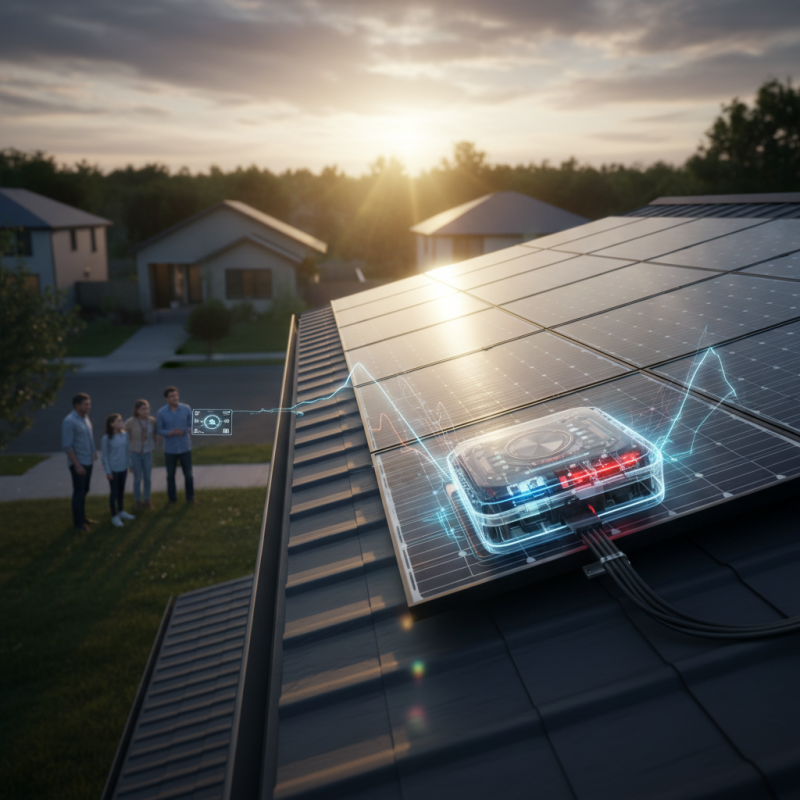
Technological mechanisms play a key role in achieving this rapid shutdown. A Pv Rapid Shutdown Device acts as a pivotal component. When activated, it immediately stops power from flowing through the system. Sensors detect malfunction or hazardous conditions. This automatic response is vital, but it can sometimes malfunction. Regular maintenance is essential to ensure reliability.
Detailed understanding is necessary to appreciate these systems fully. Each component must work seamlessly with others. If one part fails, the entire system can become unsafe. Innovation is critical, but it can introduce complexities. As this technology evolves, continuous reflection on safety protocols is imperative. The goal remains to protect lives while harnessing solar energy efficiently.
Market Trends and Adoption Rates of Rapid Shutdown Solutions
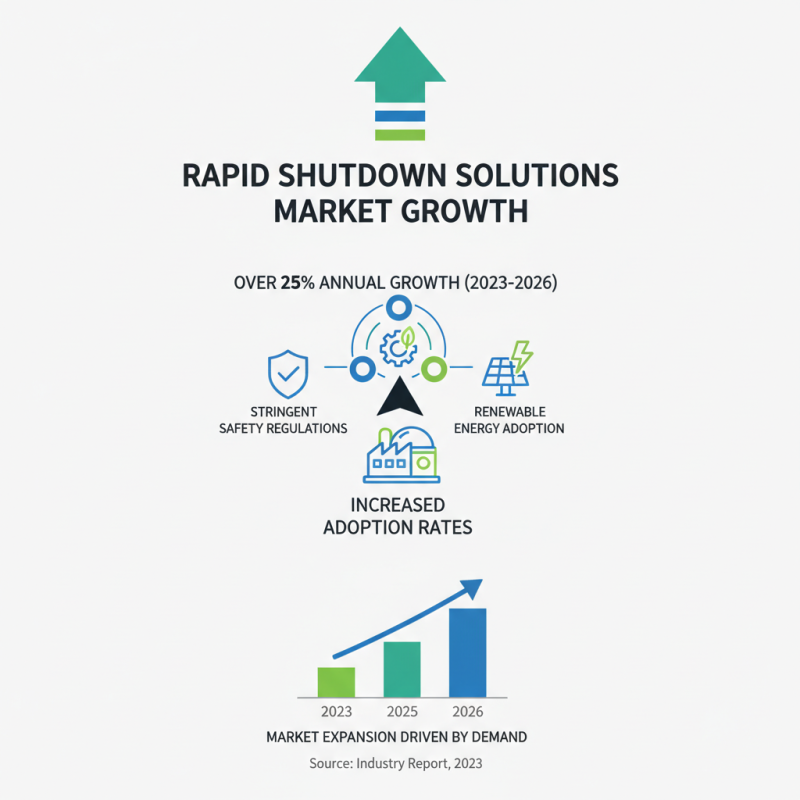
The rapid shutdown solutions market is evolving rapidly. Adoption rates are increasing due to stringent safety regulations and the need for better energy management. According to a recent industry report, the market is expected to grow by over 25% annually through 2026. This reflects a high demand for reliable shutdown systems in renewable energy setups.
Professionals see the potential in rapid shutdown technology. It provides immediate electrical isolation during emergencies. This feature can significantly reduce risks to firefighters and first responders. Yet, challenges remain. Many installations are not compliant with current codes. This leads to potential safety hazards and puts lives at risk.
Data suggests that around 40% of solar installations lack adequate rapid shutdown measures. This gap is concerning, as it shows a disconnect between technology availability and actual market adoption. Education on safety protocols is crucial. Without awareness, the industry may struggle to meet future safety standards.
Impact of Rapid Shutdown on Solar Panel Efficiency and Performance
Rapid Shutdown technology is changing how solar panels operate. It enhances safety by ensuring that panels can be quickly de-energized during emergencies. This is crucial in dense urban areas where electrical hazards can harm both people and property.
However, this safety feature can impact solar panel efficiency. When panels are shut down rapidly, they may not operate at peak performance. They lose the ability to optimize energy production during sunlight hours. This can lead to a decrease in overall energy yield, especially during high-demand periods.
Solar installers face challenges with integration. Ensuring smooth communication between rapid shutdown systems and existing solar setups can be complicated. Some systems may not comply with local code requirements.
As technology advances, it's vital to strike a balance between safety and efficiency. This ongoing evolution is worth monitoring, as it affects both users and the broader energy landscape.
Future Innovations in Rapid Shutdown Technologies for Enhanced Safety
Rapid shutdown technologies are gaining traction as safety becomes paramount in the energy sector. According to a recent report by the Solar Energy Industries Association, about 50% of all solar installations now incorporate advanced shutdown features. This ensures that in emergencies, power can be diminished quickly, protecting both people and property. Rapid shutdown systems are designed to minimize risks during maintenance and natural disasters, serving as a pivotal layer of safety.
The innovations in this field are impressive. For instance, new algorithms allow for real-time monitoring of voltage levels, enabling immediate isolation of solar arrays. Industry experts predict a 30% reduction in accident rates within the next five years due to these technologies. However, challenges remain. Some systems still have delays in activation, which can lead to hazardous situations. The balance between rapid response and reliability is crucial but not fully achieved yet. As we push for enhanced safety, reflection on these imperfections is necessary.
FAQS
: A range of products are offered, including health items and personal care products. Explore various categories to find what you need.
Yes, customers typically must be at least 18 years old. This keeps products safe and suitable for users.
Returns are often allowed within a specific timeframe. Ensure the item is unopened and in its original condition for a full refund.
Tracking information is usually provided via email. You can enter this information on the website to view your order status.
Multiple payment options are commonly available, including credit cards and online payment systems. Check before purchasing.
Promotions may be available from time to time. Keep an eye on the website for updates on current offers and deals.
Generally, customer service aims to assist quickly. Response times may vary, but most inquiries are addressed within a few days.
Privacy policies outline how your data is used. Always review these details before sharing any personal information.
Changes to orders might be possible, but they often depend on timing. Cancelations must typically be done before shipping.
International shipping may be offered, but may incur additional fees. Check with the service to know specific details and rates.
Conclusion
Rapid Shutdown is a crucial safety feature in solar energy systems that aims to protect both personnel and property from electrical hazards. As solar technology evolves, Rapid Shutdown mechanisms have become more sophisticated, allowing for immediate shutdown of power in emergencies. With the implementation of stringent safety standards and regulations in 2026, these technologies are now more widely adopted, enhancing overall market confidence.
Recent advancements in Rapid Shutdown solutions not only improve safety but also address their impact on solar panel efficiency and performance. As the market adapts to these innovations, future developments in Rapid Shutdown technologies promise further enhancements, ensuring that solar energy systems remain safe, efficient, and reliable for users and service providers alike.