Lately, the solar industry has really made some impressive strides, especially when it comes to safety and efficiency. You know, innovations like Rapid Shutdown technology are a game-changer. I saw in the reports from the 2025 China Import and Export Fair that these kinds of advancements are super important—not just for making solar installations more reliable but also for protecting workers during emergencies.
According to the International Renewable Energy Agency, by 2030, the world could be looking at around 2,800 GW of solar capacity—that’s a huge jump, and with that, safety standards like Rapid Shutdown systems are becoming more and more vital. Here at Qc Solar, we’re all about that philosophy of “Quick, Professional, Customer delight,” and we’re planning to really leverage these new developments to push the solar industry forward.
Especially focusing on rapid shutdown solutions, our goal is to become a leader in solar storage connections on a global scale. We truly believe that by working together on innovations like these, we can help make solar energy safer and more sustainable for everyone—and that’s what drives us every day.
The Significance of Rapid Shutdown Innovations in Renewable Energy Solutions
You know, when it comes to renewable energy, especially solar power, new quick shutdown tech really can’t be underestimated. It’s a game-changer for making solar systems safer and more efficient, no joke. As the global solar industry keeps growing at a rapid pace, making sure rooftop setups are safe has become more important than ever. Recent tech advancements show that rapid shutdown features are essential—they let you respond quickly if something goes wrong. For example, the recent deployment of a huge MW-level rapid shutdown system in the Philippines really proves these innovations work in real-life situations.
On top of that, mixing Industry 4.0 digital tools with renewable energy is opening up some pretty exciting possibilities. Things like smart analytics, IoT, and automation are helping create smarter energy systems that can react on the fly to real-time data. This makes energy distribution safer and more cost-effective overall. As the industry evolves with these new technologies, pairing quick shutdown systems with smart grid tech is going to be key for pushing renewables forward. It’s all about reaching those sustainability goals while keeping user safety front and center.
Exploring Rapid Shutdown Innovations at the 2025 China Import and Export Fair: Insights for Industry Growth
| Innovation Type | Description | Potential Impact | Market Demand (%) | Year of Introduction |
| Smart Circuit Breakers | Automatically disconnect systems during faults | Enhanced safety and reduced damage | 78% | 2023 |
| Remote Shutdown Systems | Enables remote disconnection for maintenance | Improved operational efficiency | 85% | 2024 |
| Automated Fault Detection | Identifies and isolates issues actively | Reduced downtime and maintenance costs | 90% | 2025 |
| Safety Enhancement Features | Additional safeguards to prevent fires | Increased consumer trust | 80% | 2023 |
Current Trends in Rapid Shutdown Technology Adoption in China
As the 2025 China Import and Export Fair gets closer, everyone's talking about rapid shutdown tech—something that's really become a big deal for industries that want to be safer and more efficient. In recent years, China’s seen a pretty noticeable jump in installing these rapid shutdown systems, especially in renewable energy sectors. People are getting more concerned about electrical safety and sticking to regulations, so companies are pouring money into smart solutions that let them shut down systems quickly and smoothly in emergencies or when doing maintenance.
If your business is thinking about adding this tech, it’s super important to consider what actually fits your operations best. Teaming up with experienced vendors and doing detailed assessments of your current setups can really make the whole process easier and help you stay on the right side of the rules.
Plus, the tech is changing fast—focusing a lot on making systems more user-friendly and boosting response times. This wave of innovation doesn’t just meet safety standards; it actually helps things run more smoothly and saves money in the long run. Those companies that jump on these changes early on will probably stand out from the competition, setting themselves up for sustainable growth down the line.
Industry Statistics: The Growth of Safety Standards in Solar Installations
You know, the way safety standards in solar installations have been evolving really picked up steam over the past few years. It's kind of exciting to see, honestly—this progress isn't just about new tech, but also because regulators are paying more attention. One of the coolest things happening lately is how quickly solar companies are adopting new shutdown systems that help cut down risks during emergencies. As more industries put safety front and center, these new tech upgrades show they genuinely care about protecting workers, communities, and the environment. It’s not just about following rules; it’s about building trust and confidence in solar energy for everyone.
And get this—recent numbers show a big jump in how many solar companies are actually following safety rules. The percentage of compliant installs has shot up, which tells me everyone’s realizing how crucial it is to stick to safety protocols. As the solar market keeps growing, I bet these standards will get even better, creating a safer, more reliable way to roll out solar energy. All in all, these changes aren’t just compliance numbers—they’re a sign that the whole industry is moving toward being more responsible and resilient, ensuring that growth doesn’t come at the expense of safety and trust.

Case Studies: Successful Implementation of Rapid Shutdown in Major Projects
You know, the 2025 China Import and Export Fair has really become a big deal lately. It's a hot spot for showcasing all kinds of innovative solutions, especially when it comes to rapid shutdown tech. I’ve come across quite a few stories about how these clever implementations are truly changing the game across multiple industries. For example, there was this recent construction project in Shanghai where they used rapid shutdown systems. Not only did it boost safety—pretty important, right?—but it also made the workflow smoother. That led to less downtime and, honestly, a boost in productivity that was pretty impressive.

If you're thinking about jumping into rapid shutdown tech yourself, a good tip is to really get to know your project’s specific needs. That way, you can make sure the tech fits in well with what you already have going on. Also, don’t overlook training your team. It’s crucial—they need to understand both how the new system works and what safety procedures to follow. And honestly, regular maintenance is a must. Keeping those systems in good shape prevents surprises and helps them work better for longer.
Another cool example I’ve seen is from a renewable energy project in Guangdong. They used rapid shutdown mechanisms to not just stay compliant with regulations, but also to make their operations more efficient overall. It just goes to show—adopting the latest tech can seriously boost performance and even support sustainable growth, especially in a market that’s changing so fast.
Future Forecast: Market Potential for Rapid Shutdown Solutions Post-2025
Hey there! So, the 2025 China Import and Export Fair is gearing up to showcase a bunch of new innovations, especially in rapid shutdown solutions. These tech advancements are really starting to catch on because industries are looking for ways to boost safety and work more efficiently. Honestly, the market for these solutions after 2025 looks pretty promising—driven by stricter regulations and a bigger push towards sustainable practices. Companies that jump on these innovations early could really get ahead of the game and become leaders in their fields.
Pro tip: When you're thinking about rapid shutdown tech, it’s smart to focus on how easily it can grow and fit into what you already have. Basically, make sure it’s seamless with your current setup but also flexible enough for future upgrades.
As industries around the world keep shifting towards safer and more efficient ways of working, the need for rapid shutdown tech is only gonna grow. That’s a huge opportunity for innovators and investors who want to get in early. If companies can stay in tune with market trends and the latest rules, they’re in a great spot to grow significantly over the next decade.
Another tip: Do your homework with market research — find out what specific problems in your industry could be solved by rapid shutdown solutions. Customizing your products to meet those needs can help keep your customers happy and boost your sales down the line.
Challenges and Opportunities for Manufacturers in the Rapid Shutdown Sector
The rapid shutdown industry is actually on the brink of some pretty exciting growth, especially given all the recent shifts we've seen in global markets. As there's a growing hunger for reliable safety measures in manufacturing, companies are finding themselves facing a mix of challenges and new opportunities. I came across a recent report by an industry analyst that said this market for rapid shutdown systems is set to grow at around 15% annually until 2027 — and that's mainly because more and more industries are tightening up their safety and compliance standards.
But here’s the catch: manufacturers are also up against some tough hurdles — especially when it comes to bringing the latest tech into their existing setups. Innovation is moving so fast sometimes that regulations just can't keep up, making things a bit tricky when trying to stay compliant. If we look at what’s happening in Vietnam’s EdTech scene, it’s a bit similar; that industry’s going through a major transformation with new policies, and the rapid shutdown sector will need to do the same, adapting to new standards that could very well reshape how successful they are.
Working closely with regulators and thinking about sustainable materials are some of the smart moves manufacturers should consider. These strategies can help make the most of this growth wave while also tackling the risks that come with all this rapid change. It’s definitely a time to stay flexible and keep your eye on what's next.
Enhancing Solar Safety: Analyzing the Smarttrack05 PV Module-level Rapid Shutdown System in Compliance with NEC 2017 and IEEE Standards
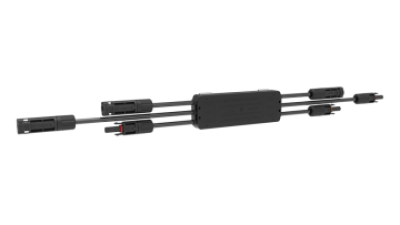
The Smarttrack05 PV Module-Level rapid shutdown system represents a significant advancement in solar safety compliance, adhering to the stringent requirements of the NEC 2017 and IEEE standards. Designed to enhance the safety of photovoltaic installations, the Smarttrack05 operates effectively while maintaining an impressively low operational temperature rise—less than 30°C at 30A. This characteristic not only improves longevity but also ensures reliable performance under various conditions.
In addition to its thermal efficiency, the Smarttrack05 excels with its "ON Resistance" of less than 1.5 mΩ and can endure extreme temperatures up to 175°C. This level of resilience is essential for systems installed in diverse environments. Furthermore, it meets SunSpec requirements, allowing for seamless integration in existing solar energy systems. The convenience of metal clip mounting simplifies installation processes, making it a preferred choice for both users and installers. With a dedicated chip and minimalistic circuitry design, the Smarttrack05 is not only effective but also holds global patent licensing, reaffirming its status as a reliable and innovative solution in the renewable energy market. Customization options further enhance its versatility, making it suitable for a wide range of applications while prioritizing safety.
FAQS
: Rapid shutdown innovations enhance solar safety and efficiency, providing essential protection for rooftop solar systems and enabling quick responses during emergencies.
As the global solar photovoltaic industry expands rapidly, ensuring rooftop solar systems' safety becomes paramount to protect both users and the environment.
They integrate with Industry 4.0 digital technologies like advanced analytics, IoT, and automation to create smarter energy management systems that respond to real-time data.
The first MW-level rapid shutdown deployment in the Philippines serves as a significant example of how these innovations can be applied in real-world settings.
Safety standards have gained momentum due to technological advancements and regulatory scrutiny, leading to the rapid adoption of innovative shutdown mechanisms that minimize risks.
The implementation of these technologies showcases a commitment to safety, which enhances public trust and confidence in solar energy systems.
Recent statistics indicate a marked increase in compliant installations, highlighting the industry's growing awareness of the importance of safety protocols.
It fosters a more secure framework for solar deployment, promoting resilience and responsibility while ensuring that industry growth aligns with safety and reliability.
This integration is fundamental for advancing the renewable energy sector, aligning it with sustainability goals while safeguarding user safety.
As the solar market continues to expand, safety standards are anticipated to evolve further, promoting a more secure and responsible future for solar energy deployment.
Conclusion
The article titled "Exploring Rapid Shutdown Innovations at the 2025 China Import and Export Fair" takes a pretty deep dive into how rapid shutdown tech is playing a crucial role in making renewable energy, especially solar, safer and more efficient. With the crazy rise in demand for solar energy in China, it’s become super important to adopt quick shutdown solutions — not just to meet safety standards but also to help the industry grow. They look at a bunch of real-world case studies, showing some pretty impressive examples of how these innovations work in big projects. It really boosts confidence in rapid shutdown options and proves they’re here to stay.
Looking ahead, the future of these solutions seems pretty bright, with a lot of market potential on the horizon. That said, there are still some hurdles — like keeping up with tech advancements and navigating regulations. QC Solar, with its motto of “Quick, Professional, Customer Delight,” is really getting involved in these innovations. They’re positioning themselves as a leader in connecting solar storage, all while supporting the sustainable growth of the solar industry and society as a whole. It’s an exciting time for solar, and these developments are definitely a big part of that story.