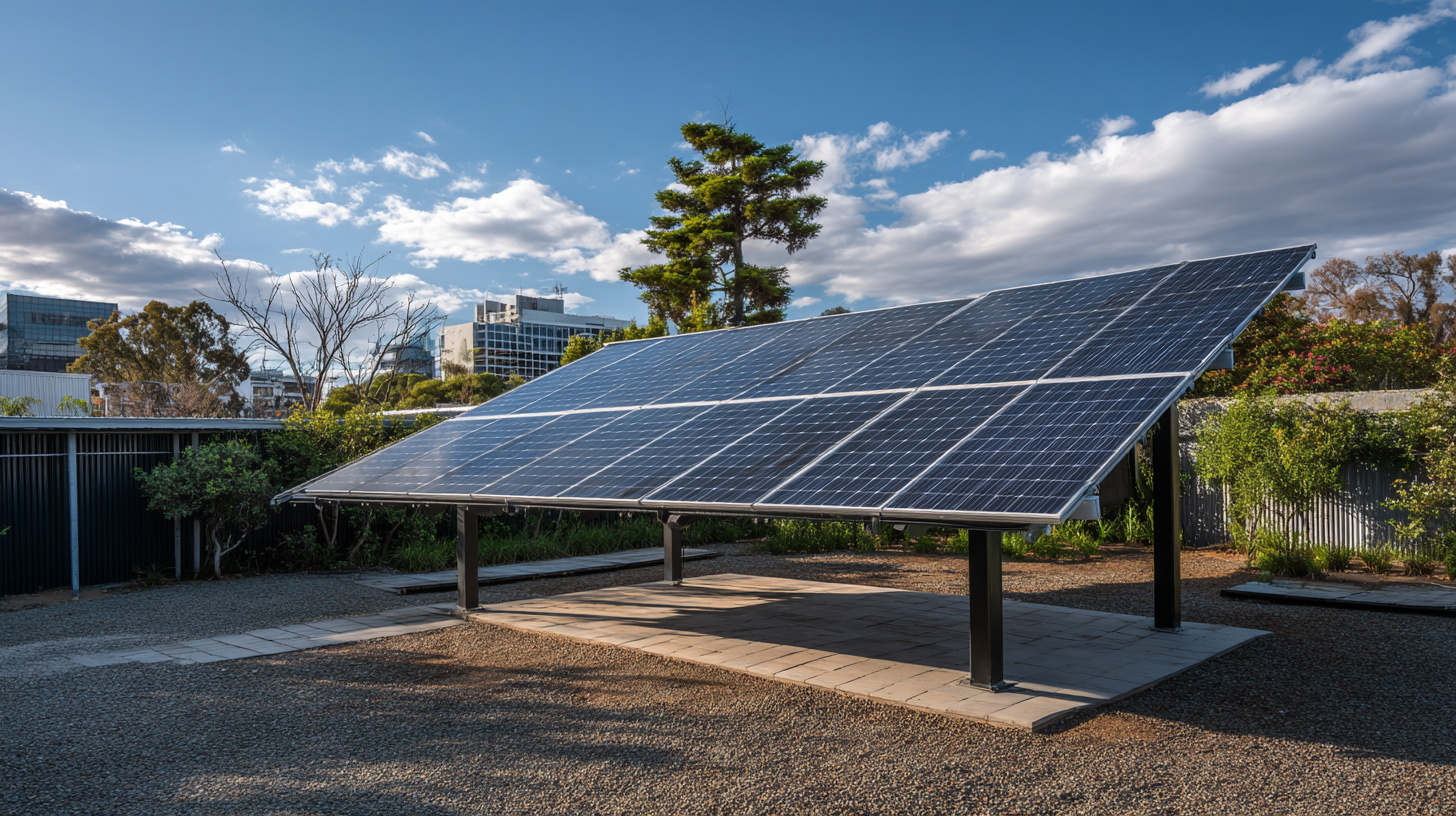
In today’s world, where sustainable energy solutions are more important than ever, Qc Solar is really stepping up to lead the way with some pretty innovative tech that boosts how efficiently solar energy systems work. They're all about that “Quick, Professional, Customer delight” vibe, and they’re super committed to shaking up the global solar storage scene. One of their big game-changers is the Pv Power Optimizer — a technology that really takes energy output to the next level and helps photovoltaic systems perform at their best. By adding these optimizers, QC Solar not only tackles the common issues caused by changing sunlight conditions, but also gives folks the power to get the most out of their solar energy setups. As we move into a cleaner, renewable energy future, QC Solar’s dedication to sustainability and top-notch service keeps them at the forefront of the industry — paving the way for a brighter, greener tomorrow for everyone.
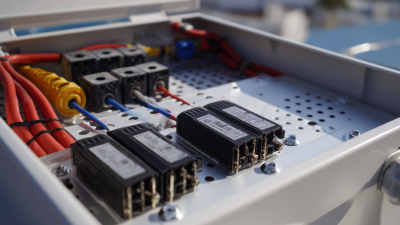
You know, photovoltaic (PV) power optimizers are really turning into game-changers in the world of renewable energy. They’re actually helping solar setups perform way better and produce more energy. Basically, these devices are installed right at each solar panel — kind of like giving each panel its own little assistant — so they can maximize the energy they collect. They’re great at tackling common issues like shading, dirt, or misalignment that can really drag down a system’s performance. I saw a recent report from the International Renewable Energy Agency (IRENA) that said using power optimizers can boost energy production by up to 25% compared to the old-school string inverters. That’s pretty significant, making them almost a must-have for new solar projects these days.
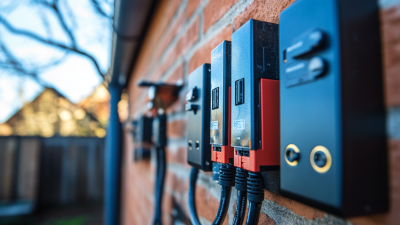
If you’re thinking about adding PV power optimizers, it’s good to get a basic idea of how they work. Each one runs on its own, which means you can monitor and tweak each solar panel individually in real-time — pretty handy, right? This not only helps your whole system run more smoothly, but it also gives you useful data for maintenance and troubleshooting later on. The Solar Energy Industries Association (SEIA) even says that systems with these optimizers tend to have lower maintenance costs because of their better monitoring features.
Pro tip: When you’re choosing which PV power optimizers to go for, look for ones that have solid monitoring features and are compatible with different inverter brands. Also, it’s a good idea to pick models with a warranty of at least 25 years — that shows they’re built to last and perform reliably over the long haul. And don’t forget to keep the software updated so your system stays running at its absolute best. Take these little tips, and you’ll be well on your way to getting the most out of your solar setup!
You know, photovoltaic (PV) power optimizers are really starting to make a big splash in the renewable energy world. They're especially valuable when it comes to squeezing as much efficiency as possible out of solar panels. According to a report from the International Energy Agency (IEA), the global solar power capacity could hit around 3,000 gigawatts (GW) by 2030, and these optimizers will play a big part in making sure we get the most energy out of that. They help tackle common issues like shading, uneven module performance, and temperature swings, which can otherwise clamp down on energy production—studies from the National Renewable Energy Laboratory (NREL) even show they can boost energy harvest by up to 25%. Pretty impressive, right?
Adding power optimizers into the mix doesn’t just mean more energy—it's also about making solar systems more reliable and longer-lasting. For example, recent market research suggests that systems equipped with these devices keep working efficiently even in tough environmental conditions, where older setups might struggle. As solar tech keeps getting better, it looks like the use of PV power optimizers is set to grow by about 20% each year. This trend really shows how they’re game-changers—helping us move toward more sustainable and cost-effective solar energy solutions.
Adding PV power optimizers to your solar setup can really make a difference. They help each panel work on its own, which means you're less likely to see performance issues caused by shading, dirt, or slight mismatches between panels. This is such a big win, especially if your setup is in a spot where conditions might change throughout the day — different shading spots, dirt buildup, or even slightly different panels can really impact overall output.
Another cool thing about these optimizers is how they make keeping an eye on your system way easier. They give you real-time data on each panel’s performance, so spotting problems or scheduling maintenance becomes much simpler. This helps your system last longer and makes sure you're getting the most juice out of your solar investment. And because they boost the overall efficiency, you can expect a quicker return on your investment, whether you're a homeowner or running a business. Honestly, PV power optimizers are pretty much game changers in the world of renewable energy, making solar smarter and more reliable overall.
When you're picking out the right PV power optimizer for your solar setup, there are a few key things to keep in mind—like how efficient it is, whether it’s compatible with your system, and what kind of warranty comes with it. It’s pretty exciting because recent industry reports show that adding power optimizers can boost energy production by as much as 25%, especially in shady spots. That’s a game-changer for both home and business solar systems. They really help to tackle issues like shading and mismatched modules—things that can really drag down your system’s performance.
Here at QC Solar, we’re all about pushing forward with smarter, more efficient solar solutions. We stick to our motto: “Quick, Professional, Customer delight,” because we really believe in making solar power easy and accessible. With the global solar market expected to hit over $223 billion by 2026, there’s never been a better time to go for innovative tech like PV power optimizers. Choosing the right one doesn’t just mean better energy output; it also helps support the growth of sustainable, clean energy. As more folks become aware of and interested in renewable energy, making smart, informed decisions is key to building a greener future—one that’s better for all of us.
PV power optimizers are really changing the game when it comes to solar energy systems. They let users get the most juice out of their panels while cutting down on inefficiencies. Basically, by adding these smart devices into your setup, each solar panel can work on its own — so if one is shaded or acting up, it doesn’t mess with the whole array’s performance. This kind of granular control means you can harvest more energy, making your solar installation both more efficient and a better bang for your buck.
Now, to get the most out of PV power optimizers, you gotta do a bit of planning. Start with a thorough site assessment—spotting shady spots or areas with uneven sunlight exposure can really make a difference. Also, laying out your panels smartly so they’re not shadowed by nearby objects is super important. Don’t forget, keeping an eye on things with regular maintenance and using the data from your optimizers can help catch any performance drops early on. All in all, these strategies help your solar system reach its full potential and push us closer to a cleaner, greener future.
The world of renewable energy is really changing fast right now, thanks to some pretty exciting new tech in solar power. For example, there's this cool thing called Passivated Emitter and Rear Cell (or PERC) technology, which basically makes solar panels more efficient by adding a special passivation layer on the back. It’s a game-changer — boosting how much energy panels can convert by almost 22%, which could help lower the price of solar energy worldwide. Pretty awesome, right?
And it's not just solar that's making waves. Wind energy and hydrogen production are also seeing some serious progress. Recent industry reports say the global hydrogen market could hit about $183 billion by 2025 — showing there's a strong push for cleaner, greener energy sources. That said, rolling out these new techs isn’t without its hiccups. Building the necessary infrastructure and sorting out policies to support all this isn’t exactly a walk in the park.
So, if you're thinking about jumping into renewable energy, a couple of tips — first, poke around and see what resources you have locally, like sun, wind, or potential for hydrogen. Keep an eye on those PV tech ratings, especially PERC, so you can pick the best options for your situation. And, of course, let’s push for smart policies that support innovation while also caring for our planet. It’s all about finding that sweet spot for a more sustainable future.
: When choosing a PV power optimizer, it is essential to consider efficiency, compatibility, and warranty.
Incorporating power optimizers can improve energy production by up to 25% in shaded conditions, helping to mitigate issues caused by shading and module mismatch.
PV power optimizers allow each solar panel to operate independently, ensuring that shading or malfunctioning panels do not degrade the overall performance of the entire array.
Strategies include conducting a thorough site assessment for shading, optimizing the layout of the solar array, and performing regular maintenance and monitoring of the system.
Passivated Emitter and Rear Cell (PERC) technology enhances the efficiency of solar panels by integrating a back-surface passivation layer, potentially boosting energy conversion efficiency by nearly 22%.
Innovations in wind energy and hydrogen production are also emerging, reflecting a growing demand for cleaner energy sources globally.
Consumers should consider the local availability of resources, keep an eye on the latest efficiency ratings of PV technologies, and advocate for responsible energy policies.
Implementing innovative technologies often requires substantial infrastructure investments and the establishment of regulatory frameworks to support their integration.
As consumer awareness and demand for renewable energy rise, making informed choices will contribute to a more sustainable future and better energy solutions.
QC Solar promotes efficient energy solutions under the philosophy of "Quick, Professional, Customer delight," contributing to the advancement of solar energy technology.
The article titled "Unlocking the Future of Renewable Energy with PV Power Optimizers as Game Changers" really dives into how these devices are playing a crucial role in boosting solar energy systems. It kicks off by breaking down what PV Power Optimizers are and explaining how they can make solar panels work more efficiently—like giving them a bit of a boost. Using these tools, you’ll see benefits like more energy generated and better ways to manage power from your solar setup.
Plus, it offers some helpful tips on choosing the right PV Power Optimizer based on your specific needs, along with strategies to really squeeze the most out of your solar panels. The piece also touches on upcoming innovations in PV tech, which ties in nicely with QC Solar’s focus on improving solar storage solutions and pushing sustainability forward. All in all, it’s clear that combining smart tech with a customer-focused mindset makes QC Solar a pretty big deal when it comes to shaping the future of renewable energy.