As the world keeps shifting toward more sustainable energy solutions, you really can't underestimate just how important Energy Storage Connectors are when it comes to transforming renewable energy systems. I mean, according to the International Renewable Energy Agency (IRENA), global renewable capacity is expected to triple by 2030 — that’s a huge leap, right? And with that kind of growth, we’re going to need some advanced tech to make sure energy gets distributed and stored efficiently.At Qc Solar, they’re all about that'Quick, Professional, Customer delight' vibe, and they’re gearing up to become a global leader in solar storage connections. By focusing on top-notch Energy Storage Connectors, their goal is to boost the efficiency and reliability of solar energy setups, which really contributes to sustainable growth—not just for the solar industry, but for society as a whole. As we head into a future where renewable energy becomes the norm, having reliable connectors is going to be absolutely essential for smoothly integrating everything into future grid solutions.
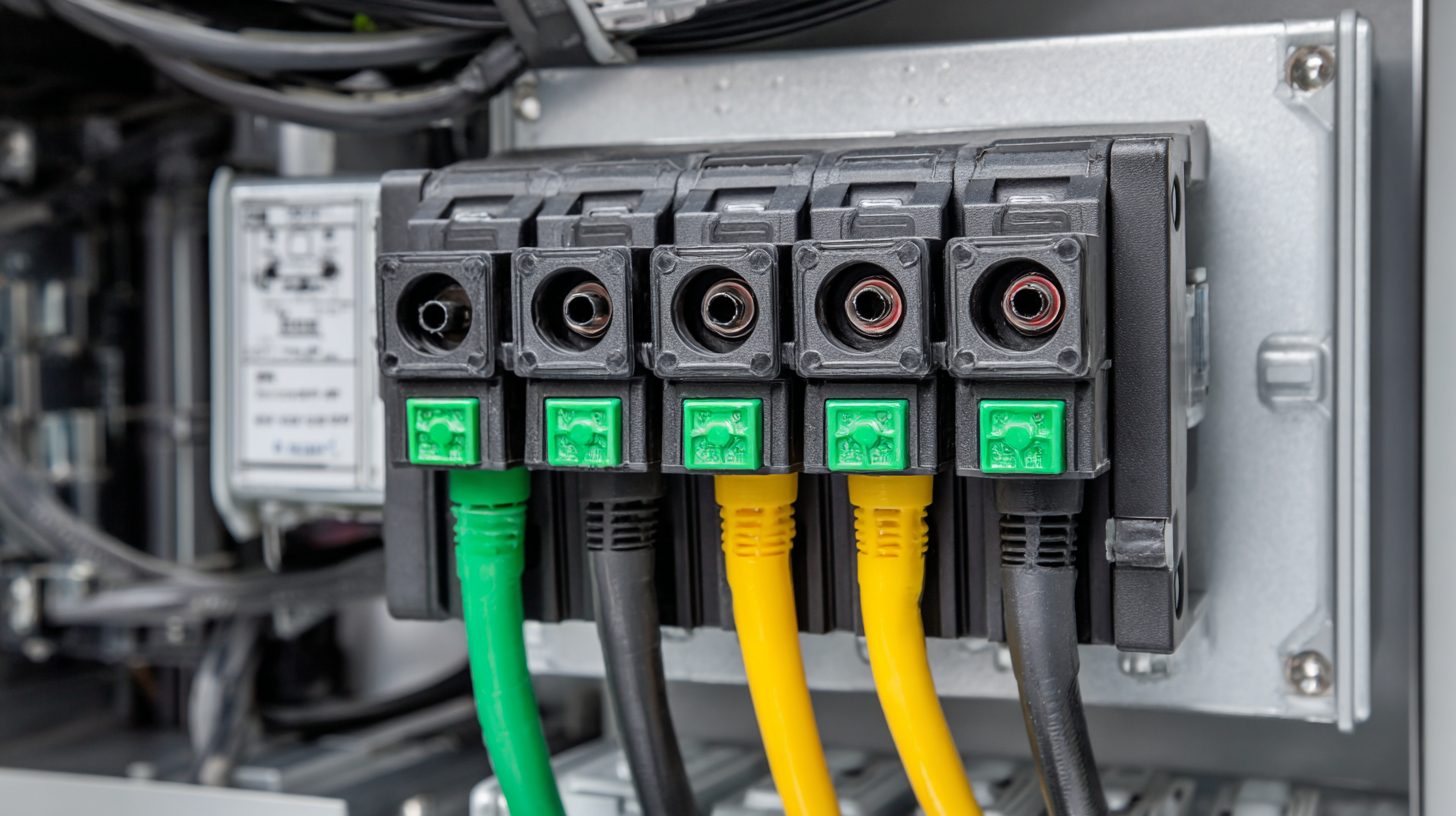
Energy storage connectors are pretty key when it comes to smoothly integrating and making good use of renewable energy sources. As more folks turn to intermittent sources like solar and wind—yeah, that unpredictable stuff—having efficient storage options is more important than ever. These connectors basically act as the bridge, helping electricity flow seamlessly from the renewable sources to the storage units. That way, you can save energy when the sun's shining or the wind’s blowing strong, and then use it later when you actually need it. By making this process more smooth, these connectors help keep the power grid reliable and steady.
Plus, the way these advanced connectors are designed and implemented can really make a difference in how efficient your entire renewable setup is. Good high-performance connectors cut down on energy losses and make charging faster—super important for batteries that need to handle quick charge and discharge cycles. But it’s not just about function; they play a bigger role in the smart grid game. They support new, decentralized energy systems and encourage more folks to get involved in managing their energy. As renewable energy keeps growing, putting money into smarter, better energy storage connectors is going to be super crucial if we want a sustainable and resilient energy future."
This chart illustrates the growth of energy storage capacity in gigawatt-hours (GWh) from 2015 to 2023. The increasing trend highlights the critical role of energy storage in supporting renewable energy systems and future grid solutions.
As the renewable energy sector is really picking up speed, you can't overlook the importance of energy storage connectors. These little guys are absolutely key when it comes to making sure energy flows smoothly between various renewable sources and the grid. They kinda make it all work seamlessly, especially for solar power setups. I recently came across a market report that said the energy storage connector market is expected to grow at about 16.2% annually from 2021 to 2026. That really shows how much people are looking for more efficient, reliable ways to distribute energy.
Here at QC Solar, we’re all about pushing this technology forward. We’re committed to becoming a top name globally when it comes to solar storage connections. Our connectors are made with super advanced materials and engineering—stuff that helps cut down on energy loss and makes them last longer. This totally lines up with what’s happening in the industry, which is shifting towards smarter, more resilient grid solutions. Just look at the reports from the International Renewable Energy Agency—they emphasize how important energy transition and sustainability are becoming.
Pro tip: When you're choosing energy storage connectors, try to pick ones that meet international safety and performance standards. That way, you’re sure they’ll be dependable and efficient. Also, think about how scalable the solutions are—this means they can handle future energy needs as the grid keeps evolving. Planning ahead like this can really make a difference in how well your solar system performs and how long it lasts.
Getting energy storage connectors integrated into future grid setups is pretty much essential if we're serious about pushing forward with renewable energy. As the grid gets smarter—with real-time monitoring and clever scheduling—the importance of energy storage just keeps growing. Some research reviews point out that vehicle-to-grid (V2G) tech is a game-changer for making electric vehicles (EVs) work better with the grid. Basically, it’s about using the stored energy from EVs during times when electricity demand is at its peak. And the studies show that if we get V2G right, it can really boost grid reliability and help ease the strain during those energy transition moments.
On top of that, as energy providers modernize their systems to handle all kinds of renewable sources and distributed energy resources (DERs), having advanced energy storage connectors becomes even more crucial. It’s been estimated that Europe alone will need billions of euros each year just to upgrade their electricity grids. These kinds of investments aren’t just about making the grid stronger—they’ll also help bring new renewable tech into the mix more smoothly. By adopting innovative connector solutions, we can make sure the energy systems stay safe, efficient, and compatible. All in all, these upgrades are a big step toward a more sustainable energy future.
| Dimension | Importance | Current Challenges | Future Opportunities |
|---|---|---|---|
| Energy Storage Capacity | Ensures reliability and stability in power supply | Limited capacity leading to energy shortages | Advancements in battery technology |
| Connector Efficiency | Minimizes energy loss during transmission | High resistance connectors causing inefficiencies | Development of low-resistance materials |
| Grid Integration | Facilitates seamless connection between storage and grid | Compatibility issues with existing infrastructures | Smart grid technologies enhancing adaptability |
| Cost-Effectiveness | Reduces overall costs of renewable energy deployment | High initial costs of storage systems | Increases in government incentives and subsidies |
| Sustainability of Materials | Promotes environmentally friendly practices | Resource depletion for conventional materials | Research into renewable materials for connectors |
Deploying and actually making energy storage connectors work smoothly isn’t without its hurdles. There are quite a few challenges that need addressing if we want these solutions to really take off in our future grids. For starters, one big issue is how different technologies are integrated. You see, systems like lithium-ion batteries, flow batteries, and supercapacitors all have their own specs and connector needs, which makes things tricky. Without standardization, installation can become a real headache, driving up costs and making widespread adoption harder than it should be.
Another thing we need to think about is scaling these connectors as renewable energy sources keep getting bigger. The demand for smarter, more reliable storage solutions is only going up. So, it’s crucial that connectors can handle increased power loads without breaking a sweat while still staying reliable. Plus, environmental factors like temperature swings and humidity can mess with performance. That’s why developing tough, durable connectors that can handle different climates and still work efficiently is super important if we want these energy storage systems to succeed in future grids.
The future of energy storage connectors is pretty exciting — we’re on the verge of some really game-changing innovations that could make renewable energy systems way more efficient and reliable. As we push harder towards sustainable energy sources, these connectors need to evolve too. They’ve got to handle bigger energy demands and support quick charging and discharging cycles — not an easy feat! Luckily, we're already seeing new materials and smarter designs coming into play. The focus is on making them conduct electricity better, cut down on energy loss, and toughen them up so they can handle extreme conditions without breaking a sweat.
Industry trends show a move toward modular, scalable connector systems — the kind that can be used across a wide range of applications, from electric vehicles to massive grid storage. Also, integrating smart tech like real-time monitoring and automatic diagnostics is becoming super important for keeping things running smoothly and safely. Plus, standardizing connectors is a big deal — it’ll help different storage technologies work together seamlessly, making our energy grid more integrated and resilient. All these advancements mean connectors are going to play a huge role in shaping what the renewable energy future looks like. It’s pretty exciting stuff!
: Energy storage connectors facilitate the seamless transfer of electricity from renewable sources to storage systems, ensuring energy can be stored during peak production times and delivered when needed, thus enhancing the reliability and stability of the power grid.
High-performance connectors minimize energy losses and enhance charging rates, which are crucial for battery systems that require rapid charging and discharging cycles.
The design and implementation of advanced energy storage connectors significantly impact the overall efficiency by optimizing the flow of energy and reducing energy losses.
Innovations include improved materials and designs focused on enhancing conductivity, reducing energy loss, and increasing durability in extreme conditions.
There is a shift towards modular and scalable connector systems that can serve various applications, as well as the integration of smart technology for real-time monitoring and performance optimization.
Standardized connectors facilitate interoperability among different storage technologies, which is essential for creating a more cohesive and resilient energy grid.
Energy storage connectors are key enablers in smart grid technologies, supporting increased consumer participation in energy management and the shift toward decentralized energy systems.
Connectors must evolve to meet challenges such as the need for rapid charging and discharging cycles due to escalating energy demands from renewable sources.
Investing in innovative energy storage connector technologies is vital for achieving a sustainable and resilient energy future by enhancing the integration and efficiency of renewable energy systems.
Automated diagnostics enhance the safety and performance of energy storage systems by enabling real-time monitoring and quick identification of issues, thereby optimizing their operation.
So, when it comes to shaking up renewable energy systems, Energy Storage Connectors are kind of a big deal right now. They play a crucial role in linking different kinds of energy sources to future grids, making the whole energy transfer process more efficient. Basically, they help move energy smoothly between storage units and the grid, which means energy management becomes a lot more reliable and less of a headache. The technology behind these connectors is pretty cool — we're talking about advanced materials and clever designs that boost both performance and durability, so they can handle all sorts of environments without breaking a sweat.
That said, getting these connectors out into the real world isn’t without its hurdles. Things like setting standard guidelines, making sure everything’s compatible, and keeping costs in check can be tricky. But honestly, despite these challenges, the future looks bright. Ongoing innovations are really pushing these connectors forward, and it's exciting to see how they’ll help support more sustainable energy solutions down the line. Here at QC Solar, we’re super committed to being part of this journey. We aim to deliver quick, professional service and truly see ourselves as a big player in the global solar storage game.