In today’s fast-changing world of solar energy, picking the right PV General Junction Boxes (or JBs for short) is super important if you want your solar system to perform well and last a long time. I mean, did you know that, according to a report from the International Renewable Energy Agency (IRENA), the world’s solar PV capacity hit around 850 gigawattsby the end of 2020? That just shows how much the industry has grown and why choosing good components really matters. These junction boxes are kind of the unsung heroes of solar setups — they protect and manage the electrical connections between your solar panels and Inverters.
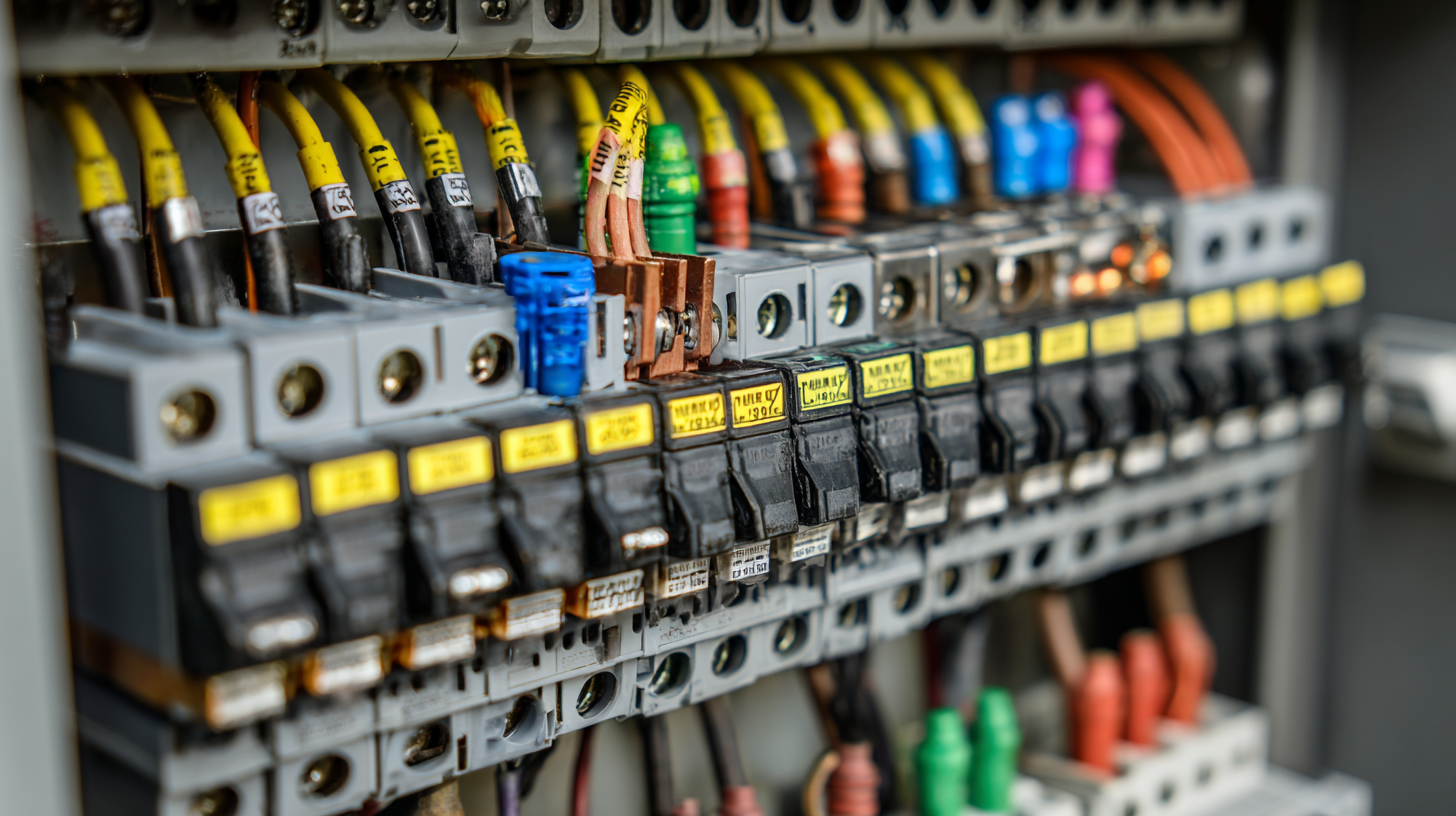
At Qc Solar, we live by our motto: “Quick, Professional, Customer delight.” We’re all about offering top-notch JB solutions that keep up with the industry’s shifting needs. By focusing on reliable, durable junction boxes, we hope to help push the solar industry forward in a sustainable way — making a real difference for society and even aiming to become a global leader in solar storage connections.
Key Factors to Consider When Choosing PV General Junction Boxes
When you're picking the right PV junction boxes for your solar setup, there are a few key things to keep in mind. First off, make sure the junction box matches the voltage and current specs of your panels—that way, you're avoiding issues like overheating or system failures down the line. It's also a good idea to look for boxes that can handle the maximum power your system can produce; this helps keep everything running smoothly. Oh, and don’t forget about the materials—go for ones that are corrosion-resistant and tough enough to handle stuff like moisture, UV rays, and really hot or cold weather. That kind of durability is what makes sure your system stays reliable over time.
Another thing worth thinking about is how easy the junction box is to install and maintain. Honestly, boxes with clear instructions and simple access to the connections make life way easier—saving you time and hassle during setup and future inspections. And of course, it’s smart to check if the boxes meet industry standards and certifications—this is super important for safety and making sure everything’s working efficiently. If you take the time to consider these factors, you'll end up with a junction box that not only boosts your system’s performance but also lasts longer and stays reliable. Trust me, a little bit of research goes a long way!
Key Factors Affecting PV General Junction Boxes Performance
Understanding the Components of PV General Junction Boxes
When you're picking out the right PV General Junction Boxes (or JBs, as folks often call them) for your solar setup, it’s pretty important to understand what’s inside. A typical junction box has a few key parts — stuff like bypass diodes, terminals for making connections, and a sturdy protective cover. Now, those bypass diodes? They’re a real lifesaver. They stop power from dropping off when a panel is shaded or if a solar cell doesn’t work quite right. Basically, they keep your solar panel running smoothly so you get the most energy possible.
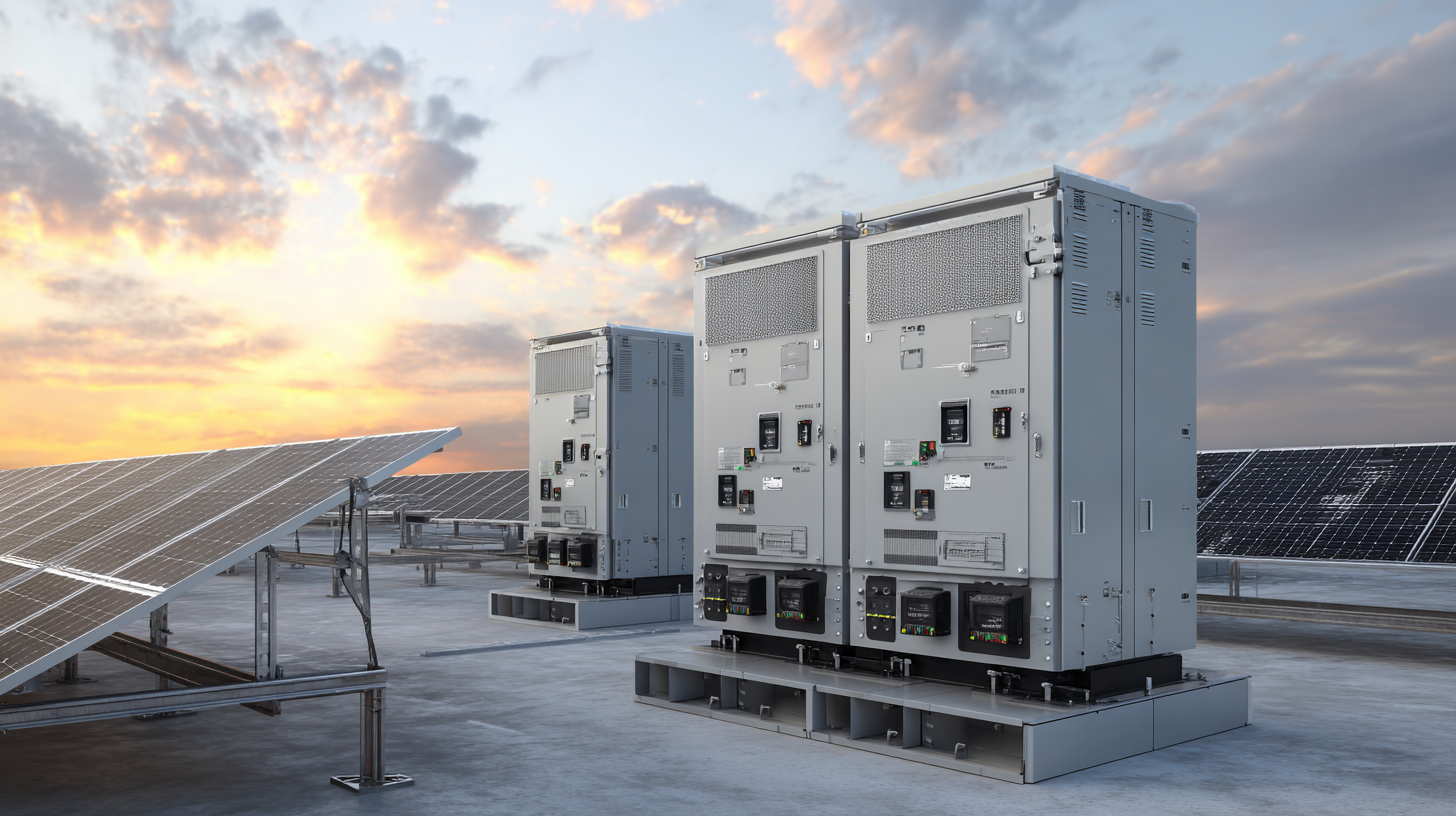
Then there are the terminal connections, which are basically the points where electricity travels from your panels to the inverter. These need to be tough and weather-resistant because, let’s be honest, they’re out there in all kinds of conditions. A good, reliable connection is key to keeping everything working well over time. And let’s not forget about the protective housing — it’s what shields all those internal parts from moisture, dust, and harmful UV rays. Choosing a junction box made from high-quality materials and built solid can really boost how long your system lasts and how well it performs overall. In the end, it’s all about making sure your solar setup is as efficient and durable as possible, so you get maximum energy for your investment.
Different Types of Junction Boxes and Their Applications in Solar Systems
When you're choosing photovoltaic (PV) junction boxes, it’s pretty important to get a good grasp of the different types out there and what they're best used for. Honestly, this can make a real difference in how well your solar system performs. Typically, there are two main kinds you’ll come across: standard junction boxes and weatherproof ones. Standard boxes are mostly used indoors where things aren’t exposed to the elements — they’re generally more budget-friendly. But, if you’re setting up outside where weather can be all over the place, weatherproof junction boxes are the way to go. They come with better sealing and higher IP ratings, which help protect the system from rain, dust, and everything in between.
A report from the International Renewable Energy Agency (IRENA) actually tosses in that choosing the right junction box can impact up to 10% of your solar system’s energy output — stuff like heat buildup and moisture getting in really add up. Plus, the materials you pick matter too — UV-resistant plastics or aluminum can make your boxes last longer and be more reliable overall. Since solar energy is projected to make up nearly 30% of the world’s energy supply come 2030, investing a bit more effort into picking the right junction boxes isn’t just smart — it lines up with those bigger goals of sustainability and efficiency.
How to Select the Right PV General Junction Boxes for Optimal Solar Performance - Different Types of Junction Boxes and Their Applications in Solar Systems
| Junction Box Type | Material | IP Rating | Max Current (A) | Temperature Range (°C) | Application |
| Standard Junction Box | Polycarbonate | IP65 | 20 | -40 to +85 | Residential Solar Installations |
| Waterproof Junction Box | Aluminum | IP68 | 25 | -40 to +90 | Marine and Extreme Conditions |
| Compact Junction Box | Plastic | IP54 | 15 | -30 to +70 | Limited Space Installations |
| High Voltage Junction Box | Thermoplastic | IP67 | 40 | -40 to +85 | Utility Scale Solar Plants |
| Multi-Connection Junction Box | Polypropylene | IP66 | 30 | -40 to +90 | Large Scale Solar Arrays |
Importance of Weather Resistance and Durability in Junction Box Selection
When you're picking out photovoltaic (PV) junction boxes, it's really important not to overlook how weather-resistant and durable they are. I mean, according to the folks at the National Renewable Energy Laboratory (NREL), junction boxes that aren’t built to handle tough weather can wear out pretty quickly, which ends up hurting your solar system’s efficiency. Actually, some studies show that using junction boxes with solid weatherproof features can cut down failure rates by as much as 30%. That’s a big deal for making sure your solar setup keeps running smoothly over the long haul.
The materials these boxes are made from really matter too. Materials like high-density polyethylene (HDPE) and aluminum are usually the best bets because they stand up well against the elements—things like extreme heat, humidity, and that relentless sun UV exposure. According to the International Energy Agency (IEA), opting for junction boxes made with these materials can even boost the lifespan of your solar setup by around 15 years. So, investing in a good, durable junction box isn’t just about protecting your money—it’s also about making sure your solar energy production stays maxed out. Whether it’s for your home or a bigger project, it’s definitely something to keep in mind.
How to Evaluate Electrical Characteristics for Optimal Performance
When you're picking out PV (that’s photovoltaic) junction boxes, it’s really important to understand their electrical specs—this stuff can make or break your solar setup’s performance. Things like voltage ratings, how much current they can handle, and their temperature tolerance are all key. These parameters don't just affect efficiency; they also play a big role in how long your system will last. I read somewhere from the National Renewable Energy Laboratory (NREL) that junction boxes that work well across a wide range of temperatures can boost energy production by up to 10%, especially if you're in an area with lots of weather swings.
And don’t forget about the IP ratings—that’s how these boxes handle dust and water. A study from the IEC mentioned that having at least an IP65 rating is pretty much a must, since it keeps the dust and water out, lowering the chance of electrical problems down the line.
Also, make sure the current capacity matches up with your solar panel output—no skimping there, or you risk overheating or even fires. Playing it by these electrical specs isn’t just about squeezing the best performance out of your system; it also helps it last longer, giving you a reliable energy source to count on for years to come.
Common Mistakes to Avoid When Selecting PV Junction Boxes
Choosing the right PV junction boxes isn't just a technical detail — it can really make or break your solar setup down the line. One common mistake folks often make is not paying enough attention to the environment where these boxes will be installed. Things like humidity, temperature swings, or direct sunlight can seriously impact how well the box material holds up and how effective the seals are. So, it's a smart move to pick junction boxes that are specifically designed with your conditions in mind. That way, you get better protection against moisture sneaking in or UV rays causing damage.
Another thing that sometimes gets overlooked is making sure the electrical specs match your system. A lot of people forget to check if the junction box’s amperage and voltage ratings line up with what your panels actually produce. If you go too small or cheap, overheating or even failure are real risks. Plus, don’t forget to consider the quality of the box itself. Cheaper options might not handle physical stress or provide good insulation, which could cause issues down the road. So, taking the time to review those specs and going for a high-quality, durable junction box is definitely worth it. It’ll help your solar system run smoothly and last way longer, no doubt.
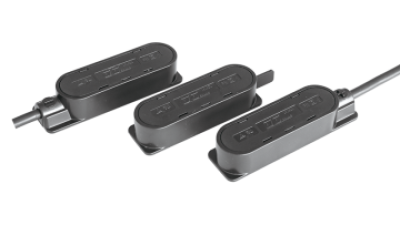
Maximizing Solar Efficiency: A Deep Dive into the QC 181821 Series PV Junction Box
The QC 181821 Series PV Junction Box represents a significant breakthrough in solar efficiency, particularly with its innovative design features. This series, particularly the 181821 glass-glass one panel three box configuration, provides unparalleled advantages in the solar market. According to the National Renewable Energy Laboratory (NREL), optimizing junction box design can lead to performance boosts of up to 10% in solar energy capture. The QC 181821 excels in this respect, offering multiple cable outlet options that cater to various installation needs, enhancing both flexibility and efficiency.
Moreover, the unique single junction box design, which integrates three boxes on one board, not only streamlines installation but also maximizes power output. According to a recent report from the International Energy Agency (IEA), reducing components and complexity in solar installations can lead to significant cost savings, estimated at 15-25% in certain contexts. The QC 181821’s design allows for reduced material waste and maintenance costs, making it a cost-effective choice for both manufacturers and end-users, aligning perfectly with industry trends toward sustainable and economically viable solar solutions.
FAQS
: First, ensure that the junction box is compatible with the voltage and current specifications of your solar panel system.
The materials used should be corrosion-resistant and able to withstand environmental stressors such as moisture, UV radiation, and extreme temperatures for longevity and reliability.
Choosing junction boxes with clear installation instructions and easy access to connections can facilitate quicker installations and simplify maintenance.
Certification and compliance with industry standards are vital for ensuring the safety and efficiency of your solar power setup.
Key parameters like voltage rating, current capacity, and temperature tolerance are crucial for ensuring the efficiency and longevity of the solar system.
An appropriate IP rating, such as IP65, helps prevent dust and water ingress, reducing the risk of electrical failures.
Junction boxes that operate effectively under a wide range of temperatures can enhance energy production by up to 10%, especially in fluctuating climates.
Aligning current capacity ratings with the solar array's output helps prevent overheating and potential fire hazards.
Selecting the right junction box optimizes performance, extends the lifespan of the solar installation, and ensures a dependable energy source.
By choosing a junction box with suitable materials and electrical characteristics, it enhances durability and reduces risks of failures, thereby prolonging the system's lifespan.
Conclusion
When you're choosing PV General Junction Boxes to get the most out of your solar setup, there are a few important things to keep in mind. It’s really helpful to understand what’s inside these junction boxes, the different types out there, and where they’re best used. That way, you can make sure your solar system runs smoothly and efficiently. Of course, durability and weather resistance are super important since these boxes need to handle all sorts of environmental challenges. It’s also a good idea to look at the electrical specs of the boxes because those can have a real impact on how well everything performs. And hey, to avoid common pitfalls, it pays to be cautious during the selection process, so your solar system stays reliable and works like a champ.
Here at QC Solar, we’re all about following our core philosophy – “Quick, Professional, Customer delight” – in everything we do, including our PV General Junction Boxes. Our goal is to build a strong global reputation in solar storage connection and do our part to support sustainable growth in the solar industry and beyond. Picking the right junction boxes is a key step toward getting the best possible solar performance and making sure your entire system is dependable.