As renewable energy keeps gaining steam, it’s pretty clear that Solar Cables are super important when it comes to solar power setups. If you check out the latest from the International Energy Agency (IEA), they’re saying solar capacity could triple by 2025 — that’s a huge boost! But here’s the thing: using high-quality Solar Cables isn’t just about ticking a box — it’s key to getting the most out of your system and keeping everything safe and sound.
When you’re picking out a Solar Cable, it’s wise to pay attention to industry standards. The National Electrical Code (NEC) stresses choosing the right cable to avoid problems down the line. Overheating is a pretty common headache in solar installs, and more often than not, it’s linked to using the wrong or subpar cables. In fact, a recent study pointed out that nearly 30% of solar system failures could be traced back to issues with the cables.
So, investing a bit more time and effort into choosing the right Solar Cable really pays off. But here’s the catch — a lot of installers tend to overlook some important specs like insulation and voltage ratings. Those little details can actually make a big difference in how long your system lasts and how much energy you’re able to squeeze out of it. Honestly, picking the right Solar Cable isn’t always straightforward — sometimes you learn the hard way, but it’s worth it in the end. Trust me, a bit of careful thought here can save you from a lot of headaches later on.
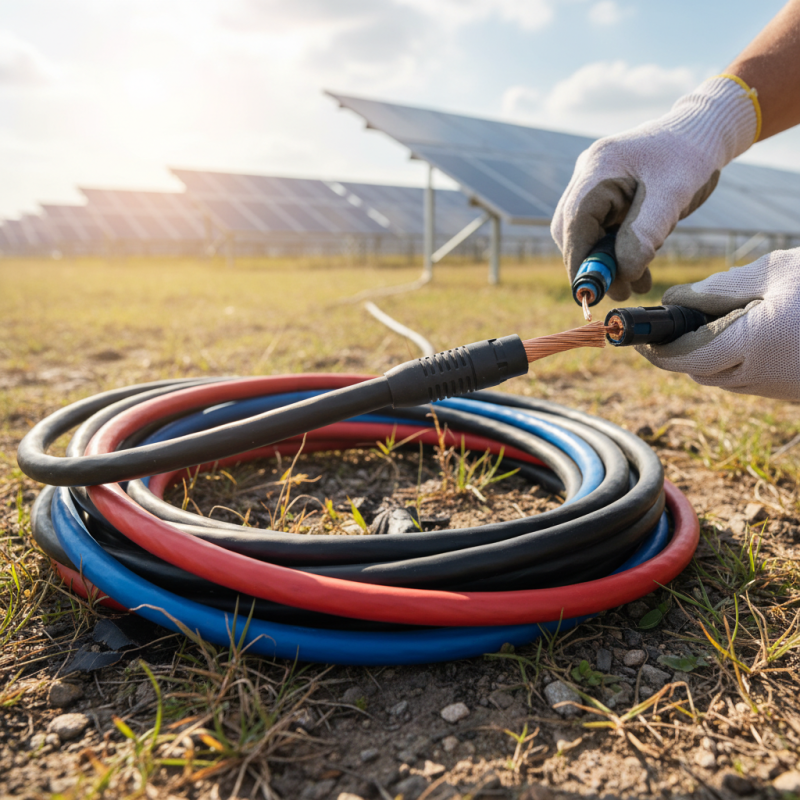
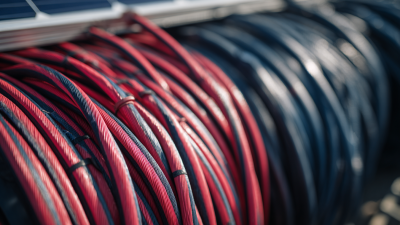
Solar cablesare critical components of solar energy systems. They connect solar panels to Inverters and batteries, ensuring the efficient transfer of energy. The choice of the right cable impacts overall system performance and safety. Poor-quality cables can lead to energy losses, overheating, or even fire hazards.
Understanding the specifications of solar cables is essential. Factors like temperature rating, UV resistance, and insulation materials are crucial. The most commonly used Solar Panel Cableis rated for outdoor use, withstanding harsh weather conditions. It is vital to choose cables that are durable and certified for solar applications. For example, a high-quality Solar Panel Cable will include features like silicone insulation to resist extreme temperatures.
However, many users overlook the importance of proper installation. Improperly routed cables can lead to wear and tear over time. Regular inspections are necessary to identify any potential issues. This involves checking for fraying, discoloration, or other damage. It's not just about choosing the best solar panel cable; maintaining it ensures optimal performance for years.
When considering solar cables, understanding their types is crucial. There are three main variants: PV cables, DC cables, and AC cables. Each serves a unique role in a solar energy system. PV cables are designed for connecting solar panels. They boast a durable insulation layer to withstand harsh environmental conditions. This is vital for long-term efficiency.
DC cables transmit direct current from solar panels to inverters. They generally possess thicker insulation. This helps minimize power loss. AC cables, on the other hand, handle the alternating current generated by inverters. Their design allows for easier integration into the existing electrical system. Choosing the right type ensures safety and efficiency.
Solar Cable Connectors are equally important when selecting cables. Quality connectors enhance the overall reliability of the system. However, many overlook their significance. Proper installation is key. Mistakes can lead to voltage drops or even system failures. It’s essential to critically assess the requirements of your specific solar setup. Making informed decisions will optimize performance and longevity.
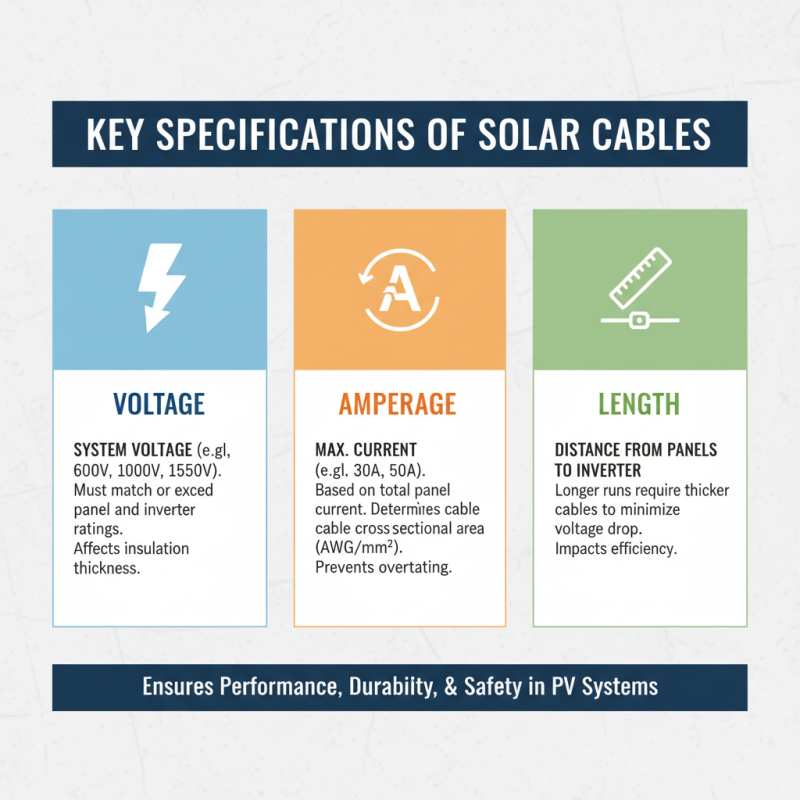
Solar cables play a crucial role in photovoltaic systems. Choosing the right one requires careful consideration of key specifications: voltage, amperage, and length. These factors affect performance, durability, and safety.
Voltage rating is vital. Most solar installations operate at 600V to 1000V. Exceeding this rating can cause insulation breakdown. A report by the Solar Energy Industries Association highlights that selecting the wrong voltage may lead to system failures. It is essential to align cable voltage with the inverter and panel specifications.
Amperage capacity also matters. Solar cables need to handle the current produced by solar panels safely. Common ratings include 10A, 20A, and 30A. The ampacity should be higher than the expected maximum current. As reported by the National Electrical Code, undersized cables can lead to overheating and system damage.
Cable length affects efficiency too. Longer cables result in higher voltage drops, impacting overall output. A voltage drop of more than 3% is often considered unacceptable. Ensuring proper cable length can prevent significant energy loss. Many installers overlook this aspect, potentially undermining system performance. Always double-check measurements to avoid costly mistakes.
Choosing the right solar cable is crucial for system efficiency. The correct type can enhance energy transfer while minimizing power loss. According to industry reports, up to 10% of production can be lost due to inadequate cabling. This emphasizes the need for proper selection criteria.
Consider cable size and type. The cable should handle the system’s voltage and amperage. For typical residential solar setups, a 10 or 12 AWG cable is often recommended. Also, pay attention to insulation materials. UV-resistant and high-temperature-rated cables perform better in outdoor applications. Reports show that cables with lower thermal resistance improve long-term performance.
Also, evaluate the connection quality. A Solar Connector Cable is vital for ensuring secure joins between panels and inverters. Poor connections can lead to voltage drop and hot spots, affecting overall energy yield. Many installers overlook these aspects, thinking all cables are equal. That’s a mistake that can lead to significant losses in system performance.
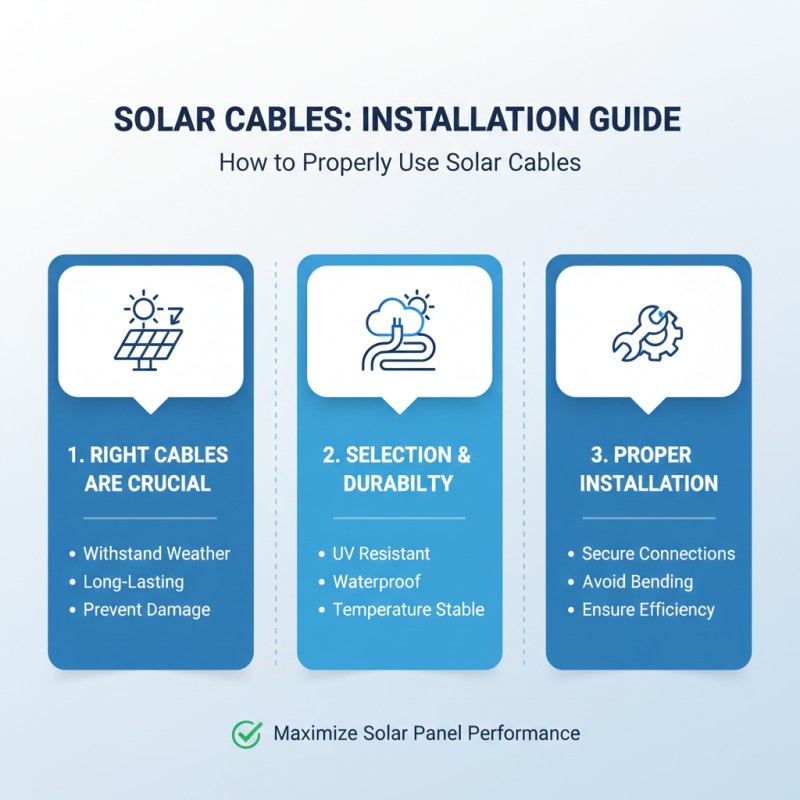
When installing solar panels, using the right cables is crucial. Solar cables must withstand harsh weather conditions and last for years. Proper selection and installation can prevent damage and ensure efficiency.
Start with checking the cable’s specifications, such as voltage and current ratings. Use double-insulated cables to enhance protection. A common mistake is not considering the environmental factors. Cables exposed to sunlight can degrade quickly without proper sheathing.
Installation must also be precise. Ensure the connections are tight and secure. Loose connections can lead to energy loss. Regularly inspect the cables for wear and tear. Pay attention to any discoloration or fraying. These signs indicate the need for replacement. Remember, cable management is essential too. Neatly organized cables reduce the risk of accidents and enhance longevity. Always seek professional advice if unsure during installation.
When selecting solar cables, safety standards and regulations are paramount. Solar cables must comply with IEC 62930 and UL 4703 standards. These regulations ensure durability and reliable performance in various environments. Non-compliance can lead to system failures. A recent report from the International Electrotechnical Commission emphasized the importance of using high-quality materials to prevent degradation.
One must consider temperature ratings and UV resistance. Cables like the 6mm Solar Cable are designed to withstand harsh conditions. These cables often have a lifespan of over 25 years if properly maintained. However, choosing cables that lack proper certifications may lead to unexpected failures. The National Electrical Code also stipulates specific installation practices. Installation teams should be aware of these guidelines to ensure safety.
Moreover, it's crucial to evaluate the cable's flexibility and shielding. Poor-quality cables can crack in cold weather or become brittle over time. This not only affects performance but also poses safety risks. An industry review highlighted that improper cable selection can lead to increased costs in repairs. It serves as a reminder to invest in reliable solar cables for long-term benefits.
When it comes to maintaining solar cables, attention to detail is crucial. Regular inspections help identify wear and tear early. Look for signs of damage, such as frayed insulation or corrosion. These issues can lead to poor performance and safety risks. Thorough checks every few months keep systems running efficiently.
Proper installation plays a significant role in longevity. Avoid sharp bends and excessive tension during setup. Use cable trays or conduits for protection. This not only reduces wear but also ensures optimal energy transfer. Environmental factors like temperature and humidity affect cable lifespan. Keep them sheltered from extreme conditions whenever possible.
Keep in mind that over time, cables may degrade. This is a natural process influenced by UV radiation and moisture exposure. Regular cleaning can help mitigate buildup of dirt and debris, which may insulate cables and hinder performance. Awareness and proactive care contribute significantly to the durability of your solar cable system.
| Dimension | Description | Recommended Value |
|---|---|---|
| Cable Type | The type of cable suitable for solar applications, usually PV (Photovoltaic) cables. | Use UL/IEC rated PV cable. |
| Conductor Material | The material of the conductor, impacting conductivity and durability. | Copper for better conductivity. |
| Cable Size | Cross-sectional area of the cable, affecting the current carrying capacity. | 4 mm² for standard installations. |
| Temperature Range | Operating temperature range of the cable. | -40°C to +90°C. |
| UV Resistance | Ability to withstand UV exposure, preventing degradation. | High UV resistance needed. |
| Ingress Protection | Protection against dust and water ingress. | IP67 or higher for outdoor use. |
The ESL15Z3-K Energy Storage System Cable is designed to maximize both efficiency and performance in energy storage applications. Its flexible design allows for easy installation, enabling quick deployment in various environments. This adaptability is crucial in optimizing system performance, ensuring that energy storage setups can be completed without unnecessary delays.
Furthermore, the cable boasts excellent flame retardancy, adhering to the EN 60332-1-2 standard for single vertical flame combustion. This feature significantly enhances safety, minimizing the risk of fire hazards in energy storage systems. Additionally, its resistance against oil, acid, alkali, water, and wear ensures durability and longevity, making it suitable for demanding industrial conditions.
The cable also demonstrates remarkable resistance to cracking, which is vital for maintaining functionality over time. All materials used in the cable's construction comply with ROHS and REACH regulations, ensuring that they are free from hazardous substances. This commitment to safety and environmental responsibility not only boosts the cable's performance but also aligns with modern sustainability goals, making it an excellent choice for energy storage solutions.
: Solar cables connect solar panels to inverters and batteries. They aid in energy transfer.
Poor-quality cables can cause energy losses and fire hazards. Safety and performance are risks.
Voltage rating, amperage capacity, and cable length are crucial. Each affects performance and safety.
Most solar systems operate at 600V to 1000V. Exceeding these ratings can lead to failures.
Longer cables can increase voltage drops. A drop over 3% can reduce output significantly.
Regular inspections for fraying or discoloration are essential. Overlooking this can cause serious issues.
Solar cables play a crucial role in solar energy systems, ensuring efficient and safe transmission of electricity generated from photovoltaic panels. These cables come in various types, including PV, DC, and AC variants, each designed for specific applications within solar installations. Understanding key specifications such as voltage, amperage, and cable length is essential when selecting the appropriate solar cable for a project, as these factors greatly influence performance and safety.
When choosing the right solar cable, it is important to consider environmental conditions, installation methods, and compatibility with other system components. Proper installation techniques are vital for maximizing the lifespan and efficiency of solar cables. Additionally, adhering to safety standards and regulations helps safeguard users and maintain the integrity of the solar energy system. Regular maintenance can further enhance the longevity of solar cables, ensuring reliable operation over time.