At the upcoming 139th Canton Fair, visitors can expect to see a whole bunch of new innovations — one that’s definitely worth mentioning is solar cables. These guys are pretty important in the solar energy world; they connect the solar panels to Inverters and make sure the energy flows smoothly. Lots of suppliers will be there, each showing off their products and pointing out different features and certifications.
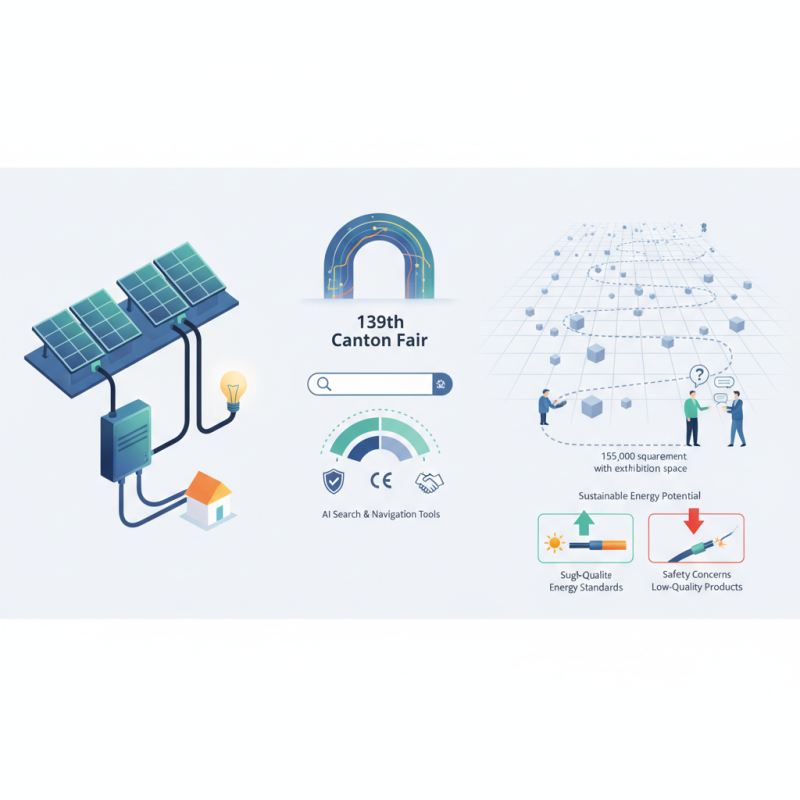
One cool thing this year is the new AI-powered search and navigation tools. They really help make finding what you’re looking for a lot easier — like, you can quickly filter suppliers who have certain certifications like ISO or CE. It’s meant to make the whole process smoother, but I gotta admit, sometimes it can get a little overwhelming. Walking around 155,000 square meters of exhibition space sounds like a breeze, but yeah, it’s pretty huge — so it might get a bit confusing too.
Thinking about Solar Cables and the bigger picture, their impact on pushing sustainable energy forward is huge. Still, it’s important to remember not every supplier out there maintains top-notch quality. Some might cut corners on safety or other critical features, so buyers really need to be careful. The fair’s a great chance to chat directly with the manufacturers and ask those burning questions about their products — it’s all about making smarter choices in this booming field.
The 139th Canton Fair showcased remarkable innovations in solar cables. These cables play a vital role in solar energy systems, connecting solar panels to inverters. According to a report by ResearchAndMarkets, the global solar cable market is expected to grow significantly, reaching over $1 billion by 2026. This growth highlights the increasing reliance on renewable energy sources.
At the fair, various manufacturers presented their latest solar cable technologies. Many featured enhanced durability and efficiency. For instance, certain cables can withstand higher temperatures and harsh weather conditions. This durability is crucial for maximizing energy output, but some products still lack long-term testing results. Concerns about compatibility with existing systems were voiced by industry experts, emphasizing the need for more standardized solutions.
Visitors noted the variety of materials used in Solar Panel Cable production. Options range from conventional copper to innovative alternatives. Each material has its pros and cons. Copper is known for excellent conductivity, but it is more expensive. Alternatives may offer lower costs, yet they might compromise efficiency. The challenge lies in balancing cost and performance to promote widespread adoption of solar technologies.
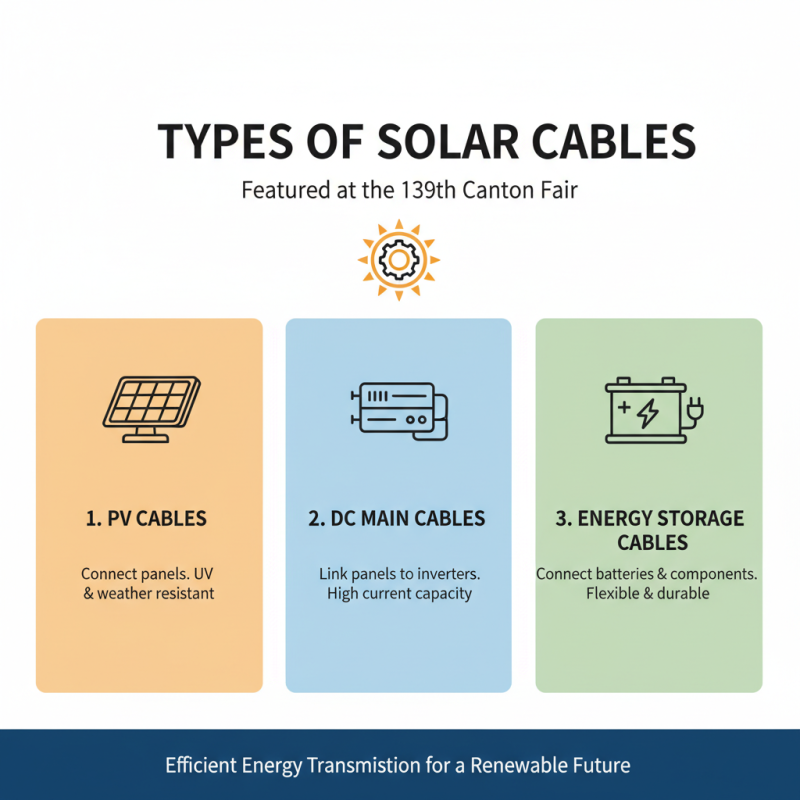
Solar cables play a crucial role in the renewable energy sector. At the 139th Canton Fair, various types of solar cables were prominently featured. These cables are essential for connecting solar panels to inverters and other components. They ensure efficient energy transmission while withstanding harsh environmental conditions.
One of the common types displayed was the solar photovoltaic (PV) cable. These cables are designed to handle high voltages. They are also resistant to UV rays, moisture, and extreme temperatures. Another type highlighted was the solar Junction Box cable. This type connects solar panels to other electrical components. They are typically installed in outdoor environments, which demands durability.
Visitors at the fair often commented on the diversity of options available. However, some felt overwhelmed by the choices. It's essential for buyers to consider their specific needs. An informed decision can prevent future issues related to energy efficiency. The presence of various manufacturers made it clear that the industry continues to evolve. The focus on innovation promises better solutions in the future.
The 139th Canton Fair is an ideal platform for showcasing innovative products. This year, key manufacturers are unveiling their latest solar cables. These cables are critical for efficient power transmission. As renewable energy grows, solar cables play a vital role.
Manufacturers display various types of solar cables, emphasizing their durability and flexibility. Some cables are designed for extreme weather conditions. Others focus on being lightweight for easier installation. It's fascinating to see how these products evolve. However, some cables still face issues, such as standardization. The need for consistent quality is paramount.
Tips for choosing solar cables: Always consider the environment where the cables will be used. Inspect for protection against UV rays and moisture. Solar Cable Connectors should match the cables' specifications. This ensures maximum efficiency in energy transfer. Proper selection can significantly impact overall solar system performance.
Solar cables play a vital role in renewable energy applications. They connect solar panels to inverters and storage systems. These cables must withstand harsh weather conditions. High temperatures, UV exposure, and moisture can deteriorate inferior cables. Quality matters, especially in solar installations.
During the 139th Canton Fair, various solar cable solutions were showcased. Innovative materials were used to enhance performance. Some cables featured advanced insulation to boost longevity. Others included integrated Solar Connector Cable options for easy installation. Attention to detail is essential, but manufacturers often overlook it.
In renewable energy projects, reliability is key. Poor-quality cables can lead to system failures. While choosing solar cables, one should consider safety ratings and certifications. Not all cables are created equal, and it’s easy to be misled. Reflecting on past experiences can guide better choices in future projects.
The 139th Canton Fair showcased a variety of innovations in solar cable design. These advancements reflect a growing commitment to efficiency and sustainability. Manufacturers presented flexible cables that can withstand extreme weather conditions. This flexibility leads to easier installations in diverse environments.
Several companies demonstrated cables with enhanced thermal resistance. These cables minimize energy loss by reducing heat build-up. They also feature improved insulation materials, which protect against high voltage. However, some designs still face challenges with durability over long periods. Feedback from users suggests room for improvement in longevity.
Innovative cable management systems were also highlighted. These systems help streamline installations, reducing labor time. Nonetheless, some attendees noted that the complexity might lead to installation errors. Clearer instructions could help alleviate this issue. Overall, the evolution of solar cable technology shows promise but requires ongoing refinement.
| Feature | Description | Industry Standards | Applications |
|---|---|---|---|
| Material | Low smoke zero halogen (LSZH) materials for better safety | IEC 60228, UL 4703 | Solar PV installations |
| Temperature Resistance | Operates within a range of -40°C to +90°C | EN 50525 | Outdoor applications |
| UV Resistance | Insulation is resistant to UV radiation | ASTM G155 | Rooftop solar panels |
| Fire Resistance | Fire-retardant properties to prevent flame spread | UL 1581, IEC 60332 | Ground-mounted solar farms |
| Connector Type | MC4 connectors for secure connections | IEC 62852 | Solar panel to inverter wiring |
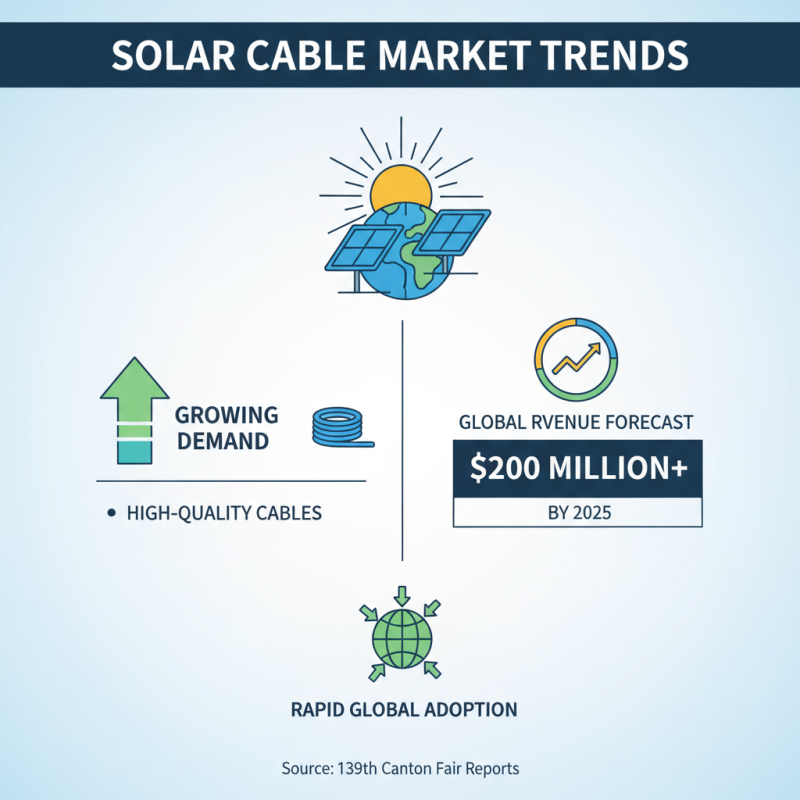
The 139th Canton Fair highlighted significant trends in the solar cable market. Industry experts noted a growing demand for high-quality solar cables. Reports indicate that global solar cable revenues are expected to exceed $200 million by 2025. This reflects the rapid adoption of solar energy worldwide.
One major point of discussion was the need for improved insulation and durability in solar cables. As solar installations grow, the focus on safety and longevity has intensified. For example, the 6mm Solar Cable is becoming a standard choice for many installations due to its robustness. However, manufacturers face challenges in meeting these rising standards. Balancing cost with quality remains an ongoing issue.
Moreover, sustainability is key. Eco-friendly materials are in demand. Many attendees at the fair expressed concerns over waste produced during the manufacturing process. It’s clear that while the market is expanding, companies must address these environmental impacts. The future of solar cables relies not only on innovation but also on responsible practices.
The 139th Canton Fair showcased numerous innovations, but solar cables emerged as a focal point. With the increasing demand for renewable energy, the significance of quality standards in solar cable production cannot be overstated. These cables are vital in ensuring the efficiency and safety of solar energy systems. Poor quality cables can lead to energy losses, safety hazards, and costly repairs.
When exploring solar cables, buyers should prioritize quality. Look for cables that meet established industry standards. Those made with durable materials often perform better in harsh weather. Remember, cheaper cables might seem appealing, but they could compromise your solar system's effectiveness.
Tips for selecting solar cables include checking for certifications. Ensure they are resistant to UV rays and extreme temperatures. Always ask about the manufacturing process. Uncertainties in production might raise red flags regarding the cable's longevity. Trust only those who demonstrate transparency in quality assurance. In this growing market, quality standards can truly make a difference.
: Solar cables connect solar panels to inverters and other components. They enable efficient energy transmission.
PV cables handle high voltages. They resist UV rays, moisture, and extreme temperatures.
This cable connects solar panels to other electrical parts. They are built for outdoor use, needing high durability.
Many found the variety overwhelming. It's important to understand specific needs before choosing.
Manufacturers showcased flexible cables for extreme weather. These improve installation in various environments.
Some cables still struggle with long-term durability. Feedback indicates the need for improvement.
They reduce energy loss by minimizing heat build-up. Improved insulation protects against high voltage.
The complexity may lead to installation errors. Better instructions could help with this.
While advancements are promising, there are still areas needing improvement. Continuous feedback is essential for progress.
The 139th Canton Fair showcased a comprehensive overview of Solar Cables, emphasizing their critical role in the renewable energy sector. Various types of Solar Cables were presented, highlighting innovations in design and technology that enhance efficiency and safety. Key manufacturers at the fair underscored the growing market trends, reflecting a robust demand for quality Solar Cables.
Discussions around applications revealed the versatility of Solar Cables in different renewable energy systems, reinforcing the importance of adhering to quality standards in their production. This focus on quality ensures reliability and performance in solar energy solutions, positioning Solar Cables as essential components for future energy infrastructure.