Leave Your Message
0%

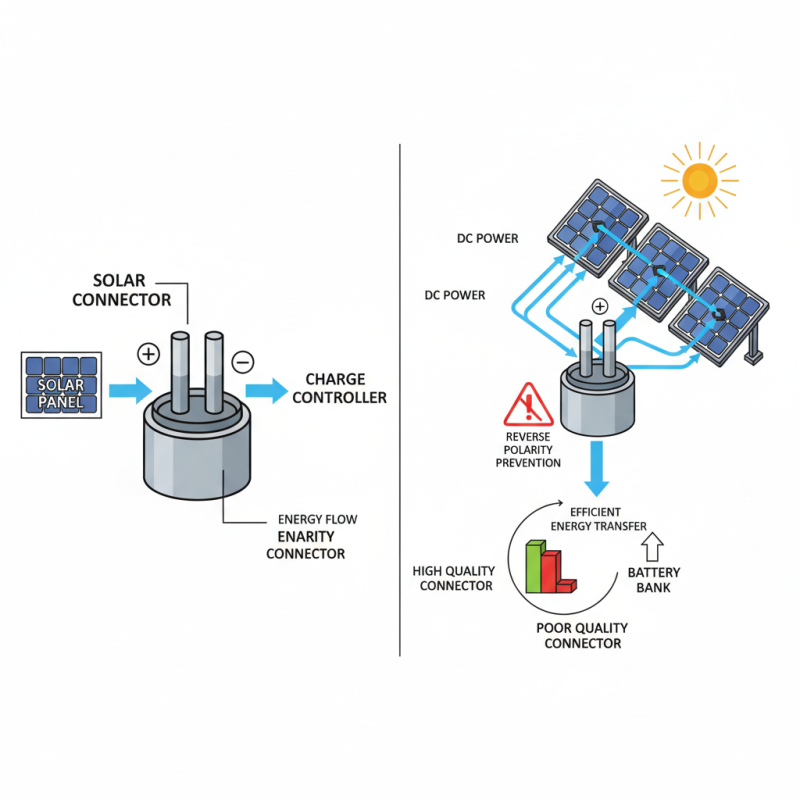
A Solar Connector might seem like a small part, but honestly, it's pretty important when it comes to solar energy systems. Think of it as the bridge connecting your solar panels to the rest of the setup. If you're into solar tech, understanding how these connectors work is definitely a good idea. They help make sure the energy flows smoothly and even make the installation process a whole lot easier. Plus, there are different types out there, each suited for specific needs — it's kinda fascinating how something so tiny can actually make a big difference in how well everything works. And let's not forget, they also boost safety by stopping issues like reverse polarity from messing things up.

That said, not all solar connectors are built the same. Picking the right one can totally impact your system’s efficiency—cheap or poor-quality connectors might cause energy losses, which no one wants. So, when you’re putting together your solar setup, it's worth giving some thought to the quality and compatibility of the connectors you're using. Basically, choosing the right components can really help ensure your whole system runs smoothly and performs at its best.
What is a Solar Connector and How Does It Work?

Definition of a Solar Connector: Purpose and Functionality

What is a Solar Connector and How Does It Work?

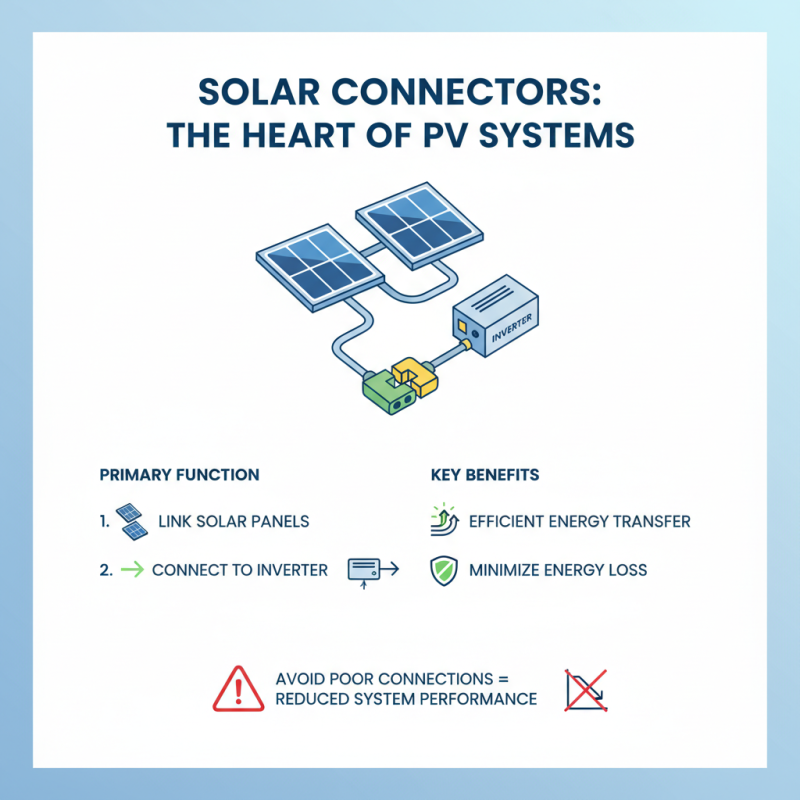
Solar connectors are essential components in photovoltaic systems. Their primary function is to link solar panels to each other and to the Inverter. Proper connections facilitate efficient energy transfer. A well-structured connection minimizes energy loss. Avoiding poor connections can lead to reduced system performance.

In the solar industry, the choice of connectors matters. A report by the National Renewable Energy Laboratory states that improper connections can cause up to 10% energy losses annually. With increasing solar installations, this percentage can translate into significant losses. Many installers sometimes overlook the quality of connectors. This complacency can impact system longevity.

Moreover, understanding the functionality of solar connectors is crucial. They need to withstand harsh weather conditions. Factors include temperature fluctuations and moisture. Connectors should have a robust design to prevent corrosion. However, some designs may not meet these standards, leading to early failures. It’s essential to critically evaluate the connectors selected for installations, as they play a pivotal role in system efficiency.

Types of Solar Connectors: MC4, Tyco, and More

Solar connectors play a crucial role in photovoltaic systems. The MC4 connector is the most widely used type. It ensures a secure and weatherproof connection between solar panels. These connectors are easy to install and are designed to handle high electrical currents.

Another type is the Tyco connector. These connectors offer flexibility and are suitable for various applications. They may require more special tools for installation, which can create challenges for some users. Some people find them complicated.

Choosing the right solar connector is vital. It impacts the efficiency of the entire solar system. Each type has its benefits and drawbacks. Improper connections can lead to energy loss. Investing time in research is essential for optimal performance.

Components of a Solar Connector: Understanding Each Part

What is a Solar Connector and How Does It Work?

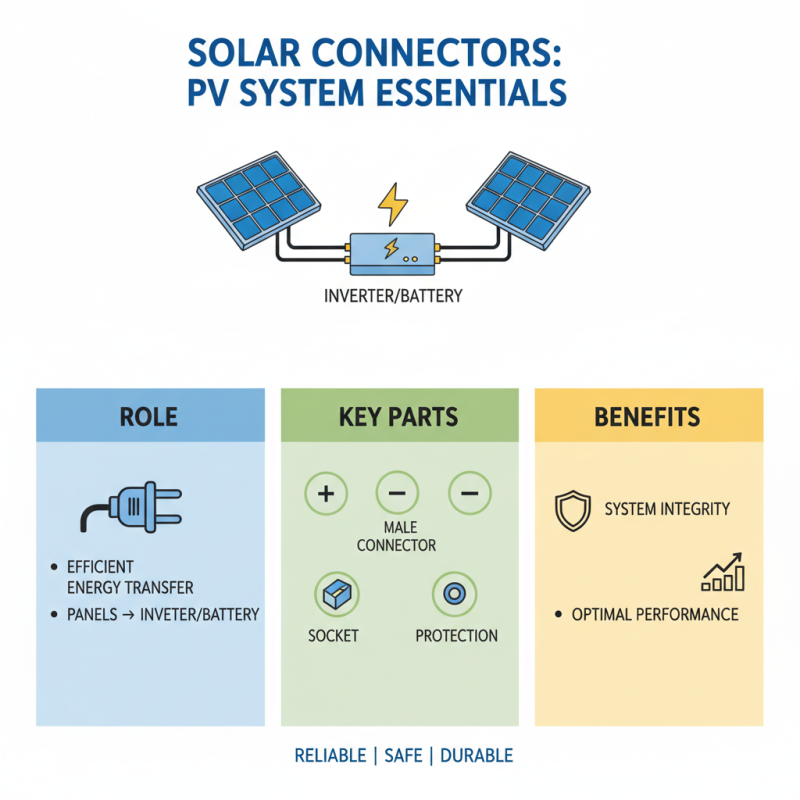
Solar connectors are essential components of photovoltaic systems. They ensure efficient energy transfer from solar panels to inverters or batteries. Each part plays a crucial role in maintaining system integrity and performance.

At the heart of solar connectors are their housings, typically made from durable materials. These housings protect internal components from environmental factors. They need to withstand weather conditions. A report by the Solar Energy Industries Association indicates that well-designed connectors can enhance system efficiency by up to 5%. Yet, many installations overlook the quality of these connectors. This can lead to increased resistance and energy loss.

Another important component is the contact pin. This metal pin enhances electrical conductivity. However, not all materials used meet industry standards. Some low-quality connectors lead to overheating and failure. Proper inspections and testing are crucial to ensure reliability. Regular checks could prevent costly damage long-term. Keeping these components in mind can lead to better performance. Awareness and education are key in the solar industry.

How Solar Connectors Interface with Solar Panels and Inverters

Solar connectors are essential components in the solar energy system. They establish the electrical interface between solar panels and inverters. This connection allows electricity generated by the panels to flow efficiently to the inverter, converting direct current (DC) into alternating current (AC). Quality connectors ensure minimal power loss during this crucial process.

When solar connectors are improperly designed or installed, issues may arise. For instance, moisture can enter the connection points, leading to corrosion. This can significantly reduce efficiency. Poor connections can also create hotspots, potentially damaging the solar panels. Thus, careful selection and installation matter.

In many installations, connectors need to meet specific standards. Nevertheless, some users may overlook this detail. Custom connectors could address unique configurations but may lead to compatibility issues. Understanding the technical requirements is vital for optimizing performance and longevity. Solar energy should not only be efficient but also reliable in the long term.

Installation of Solar Connectors: Best Practices and Safety Tips

When installing solar connectors, best practices and safety precautions are crucial. A recent industry report emphasizes that improper installation can lead to efficiency losses of up to 15%. Ensuring that connections are secure and waterproof is vital. Using tools and equipment that meet industry standards can minimize risks. Always check voltage ratings and compatibility before connecting components.

Safety tips should not be overlooked. Wearing personal protective equipment (PPE) is essential. Use gloves and safety glasses during installation. Always work in a well-lit area to avoid accidents. A staggering 30% of electrical failures are linked to poor installation techniques. This highlights the need for meticulous attention to detail. Additionally, following manufacturer guidelines can significantly reduce hazards.

Training and awareness are important. Technicians must be familiar with the equipment and its specifications. Regular inspections can help identify potential issues before they escalate. Industry specialists recommend a thorough review of connections every few months. Keeping the solar array clean also enhances performance. Weather can affect solar connectors, so regular maintenance is needed.

Common Issues with Solar Connectors and Troubleshooting Solutions

Solar connectors play a crucial role in photovoltaic systems. They ensure a safe and efficient connection between solar panels and the inverter. However, like any component, they can encounter issues over time. Common problems involve loose connections, corrosion, or even overheating.

Loose connections can lead to poor performance. It’s important to check the tightness regularly. Corrosion may develop if connectors are exposed to moisture. This is often overlooked and can create resistance. Another frequent issue is overheating, usually caused by high currents or poor contact.

Troubleshooting these problems requires careful inspection. Look for visual signs of wear or damage. Replacing corroded connectors is often necessary. Regular maintenance can prevent many of these issues. Addressing them promptly can improve system efficiency and lifespan. Each connection must be handled carefully to ensure optimal performance over time.

Future Trends in Solar Connector Technology and Innovations

The solar connector market is evolving rapidly. Innovations are emerging to improve efficiency and reliability. Smart connectors are a significant trend, integrating communication capabilities. These connectors can monitor performance in real-time. This boosts overall system responsiveness and maintenance.

Another innovation is the use of advanced materials. New materials can withstand harsher environmental conditions, ensuring longer lifespans. More durable connectors can reduce long-term costs. However, these advancements may still face challenges. For instance, production costs might rise, affecting end-user pricing.

Safety is also a major concern. As technology improves, solar connectors must maintain stringent safety standards. Developers are exploring better insulation and fail-safe mechanisms. Yet, ensuring these features do not compromise efficiency remains a complex task. The pursuit of perfect solar connectors mirrors the quest for sustainable energy solutions. Progress is mixed with setbacks, making this an intriguing field for future exploration.

The Future of Energy Storage: Insights from Recent Industry Reports on the EL8/10 Connector and Market Trends

The energy storage market is witnessing a transformative shift, driven by innovation and increasing demand for efficient, reliable solutions. Recent industry reports have highlighted key trends, particularly emphasizing the importance of advanced connectors like the EL8/10. These connectors are essential for ensuring seamless connectivity and safety in energy storage applications. According to a report by Global Market Insights, the energy storage market is projected to grow at a CAGR of over 20% from 2023 to 2030, reflecting the urgency for robust infrastructure solutions.

A notable advancement in connector design includes the dual button mechanism that prioritizes ergonomics, facilitating easier handling for operators within the energy sector. Additionally, the incorporation of double locking—consisting of angle lock and pull-out lock—enhances safety and reliability during high-demand usage. This feature is crucial as energy storage systems face various environmental challenges, where connectivity integrity can significantly impact operational efficiency.

Furthermore, innovative designs addressing positive and negative dulling, along with an anti-stripping feature for bolts, have been identified as vital enhancements. These improvements ensure longevity and reduce maintenance needs, leading to lower operational costs. Industry studies indicate that such design upgrades not only boost performance but also significantly increase the lifespan of energy storage components, which is critical in meeting the rising global energy demands.

FAQS

: What is the main purpose of the product?

: The product aims to enhance daily experiences. It improves convenience and efficiency in various activities.

Who can benefit from using this product?

Anyone seeking better organization can benefit. It helps those with busy lifestyles manage time effectively.

How do I use the product daily?

Integrate it into your routine. It can be used for tasks like scheduling and reminders easily.

Is there a learning curve for this product?

Some users may find it challenging initially. Practice will lead to improved usage and efficiency over time.

Can this product improve productivity?

Yes, many users report increased productivity. It minimizes distractions and helps in prioritizing tasks.

What if I encounter issues while using it?

Troubleshooting is a part of the experience. Don't hesitate to seek help from other users or guides online.

How does it compare to other similar products?

Each product has its strengths and flaws. User reviews can shed light on personal experiences and preferences.

Are there any limitations to the product?

Yes, it may not suit everyone's preferences. Some users may find it too complex for their needs.

What feedback do users commonly give?

Users often express appreciation for its functionality. Some also mention areas for improvement, like user interface.

Is the product suitable for long-term use?

Many find long-term benefits. However, reassessing how it fits your lifestyle is important over time.

Conclusion

A Solar Connector is a critical component in solar energy systems, designed to establish secure and efficient connections between solar panels and inverters. This article outlines the purpose and functionality of Solar Connectors, highlighting the different types such as MC4 and Tyco, each serving unique roles in the system. Understanding the components of a Solar Connector is essential, as each part plays a vital role in ensuring reliable energy transmission.

Additionally, the article covers best practices for the installation of Solar Connectors, emphasizing safety tips to prevent common issues. Troubleshooting solutions are also discussed to help users identify and resolve problems that may arise. Finally, the piece explores future trends in Solar Connector technology, showcasing innovations that aim to improve efficiency and durability in solar installations.

Jasper

Jasper

Jasper is a dedicated marketing professional at Suzhou Kuai Ke Electronics Photovoltaic Co., Ltd., where he leverages his extensive knowledge of the company's innovative products. With a passion for renewable energy solutions, Jasper plays a pivotal role in communicating the benefits and features......
Previous The Ultimate Guide to Choosing the Best Mc4 Cable for Your Solar Projects