When it comes to renewable energy, the Solar Panel Connector really plays a key role. These little guys basically make sure the connection between your solar panels and everything else in your setup stays solid and reliable. I know, it sounds kinda technical, but honestly, understanding how they work is pretty important if you're into solar energy — whether you're just starting out or already deep into it.
Now, Solar Panel Connectors come in a few different types, each designed for its own specific purpose. They're super important because they handle the energy transfer safely and efficiently. Without them, that sunlight-energy you’re capturing might not end up making it to your house or business the way you expect. The way these connectors are built — their design and how tough they are — can really make a difference in how well your whole system performs.
Of course, brands like MC4 and Amphenol are known for quality, but stuff can still go wrong. For example, if they’re not installed properly, you might lose some energy or, worse, create safety issues. That’s why it’s so important for anyone doing the installation to be aware of these potential hiccups. When you fix or prevent these problems, you’re basically making your solar system more efficient and dependable — not to mention safer too.
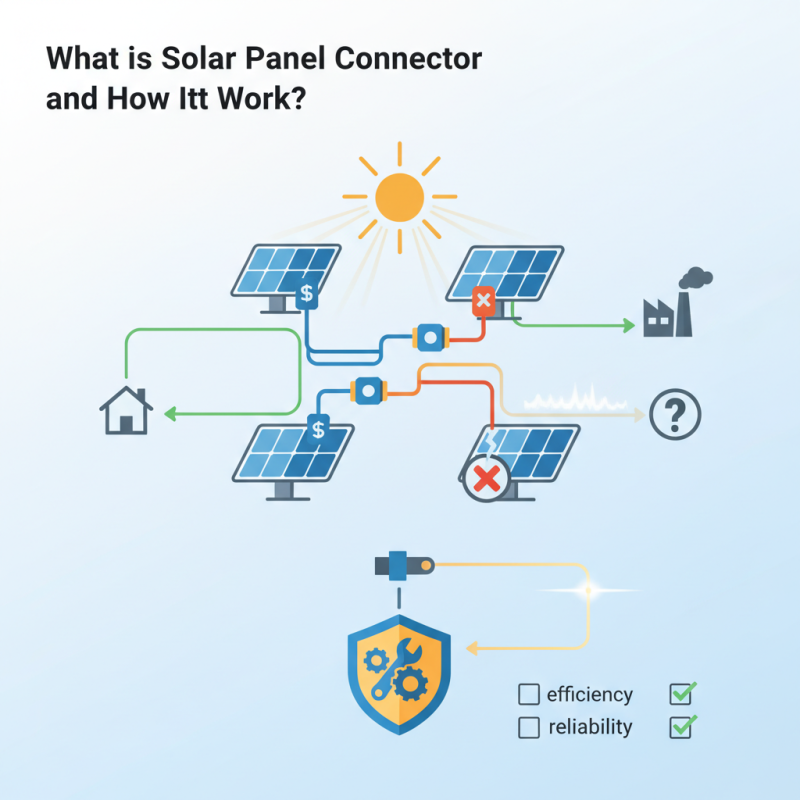
Solar panel connectors are essential components of solar energy systems. They play a vital role in ensuring a secure and efficient electrical connection between solar modules. Understanding how these connectors work can help optimize solar panel performance. Typically, connectors are designed to withstand harsh environmental conditions. Their durability protects the system from potential damage.
Different types of connectors exist in the market. Each type has its specifications and applications. The Solar Panel Positive Connector, for example, is designed to handle higher voltage levels. This ability makes it crucial in larger solar installations. Pay attention to the connector type when designing your solar setup.
Tips: Always check the compatibility of connectors with your solar panels. Mismatched connectors can cause energy losses. Regular maintenance of connections ensures long-term performance. Look for signs of wear and tear. Replace connectors promptly to avoid future issues. Simple checks can save you from significant repairs later. Remember, small details matter in solar energy systems.
Solar panel connectors play a crucial role in solar energy systems. They ensure efficient and reliable connections between solar panels and other components. Different types of connectors are used in various applications, each with specific advantages.
One common type is the Mc4 Connector. It's widely used due to its weather resistance and ease of use. These connectors can handle high voltages and currents. They lock securely in place, preventing accidental disconnections. However, improper installation or wear can lead to issues over time.
Another type is the T4 connector, known for its compact design. This connector is favored in space-constrained installations. It ensures a strong electrical connection but may be trickier to handle. Users sometimes struggle with fitting the connectors correctly. Each type of connector has unique strengths and weaknesses, requiring careful consideration for optimal performance.
Solar panel connectors play a crucial role in energy systems. They act as the link between solar panels, wiring, and inverters. These small devices are essential for efficient energy transfer. Without them, energy production can suffer significantly.
Typically, Solar Panel Dc Connectors allow easy installation and maintenance. They ensure secure connections to withstand environmental challenges. However, improper handling can lead to problems. Loose connections could cause energy loss or even damage. Regular inspections can mitigate these risks.
Understanding the function of solar panel connectors helps improve energy efficiency. By ensuring that every component functions optimally, solar energy systems can perform better. Investing time to learn about these connectors may lead to long-term benefits and efficient energy solutions.
Solar panel connectors are crucial for effective electrical connections in photovoltaic systems. These connectors, often referred to as Solar Panel Connector Plugs, serve the purpose of linking solar panels to inverters and other components safely. Data from the National Renewable Energy Laboratory (NREL) indicates that improper connections may lead to energy losses exceeding 10%. This statistic underscores the importance of using reliable connector designs that minimize resistance and optimize conductivity.
The efficiency of solar installations heavily relies on these connectors. They are engineered to withstand harsh weather conditions, including extreme temperatures and moisture. Yet, many installations overlook routine inspections of these components. A 2022 report by the Solar Energy Industries Association (SEIA) highlighted that faulty connections were responsible for 15% of operational issues in solar farms. Neglecting regular maintenance can result in unexpected failures and reduced energy output.
Moreover, the market for solar connectors is evolving. New innovations arise regularly, yet not all options are created equal. The right choice in Solar Panel Connector Plugs can greatly influence the longevity and efficiency of solar systems. Users must weigh the cost against potential energy loss due to subpar products. Therefore, it’s vital to stay informed, ensuring that these simple components can perform their best amidst complex solar technology.
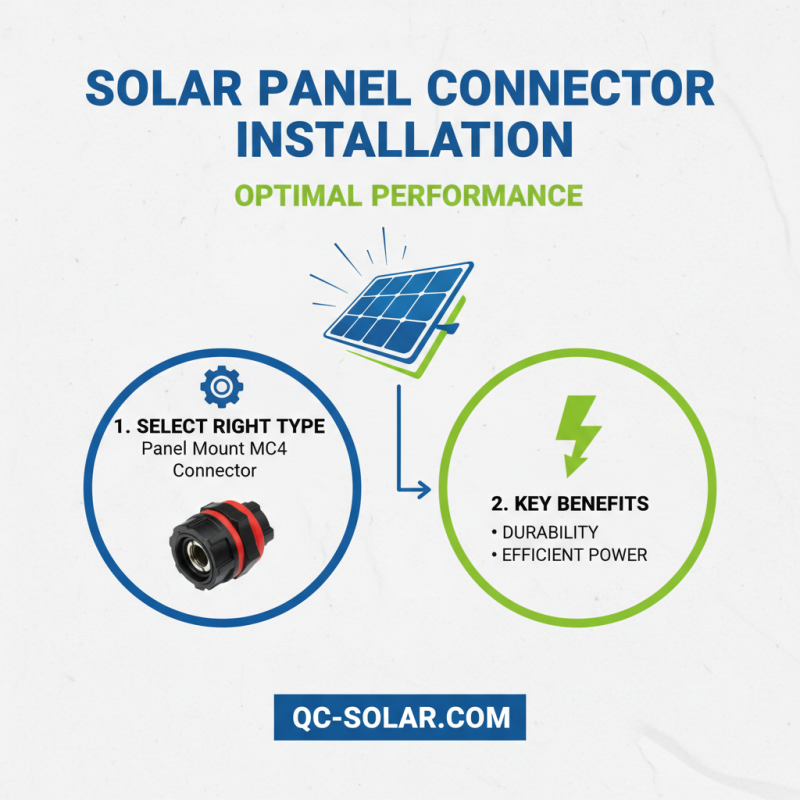
Installing solar panel connectors is crucial for ensuring optimal performance. Start with selecting the right type, such as a Panel Mount Mc4 Connector. This connector type is designed for durability and effective power transmission.
When installing connectors, follow safety procedures. Make sure the system is off before starting. Use appropriate tools and wear protective gear. It’s important to check connections regularly. Loose or damaged connectors can lead to energy loss. Ensure a tight fit to guard against moisture and dust.
Tips: Regular maintenance can prevent bigger issues. Clean connectors periodically to remove debris. Replace any connectors showing signs of wear. Efficient maintenance means better energy output and longer system life. Keep a close eye on performance metrics. They can reveal potential connection problems early on.
When using solar panel connectors, safety should never be overlooked. These connectors serve as the link between solar panels and the rest of the system, making them essential for functionality. A malfunction in a connector can lead to overheating or electrical fires. It's crucial to use connectors that are rated for outdoor use, as exposure to the elements can degrade materials.
Inspect connectors frequently for wear and damage. Cracks or discoloration can indicate problems. Ensure that installations are free of moisture, as water ingress can lead to corrosion. Use protective covers when connectors are not in use. An unnoticed issue can escalate quickly, leading to costly repairs and safety hazards.
Always follow manufacturer guidelines when connecting or disconnecting panels. Mistakes can easily happen if instructions are ignored. Pay attention to polarity; connecting positive to negative can damage equipment. If you're unsure, consult a professional. Safety measures may seem tedious, but they play a vital role in preventing accidents. Your energy savings will not outweigh the risks involved.
This chart displays the efficiency of various types of solar panel connectors. MC4 connectors are the most efficient, making them a popular choice in solar installations, while others like Tyco and Amphenol connectors also offer satisfactory performance with slightly lower efficiency rates.
The future of solar panel connector technology is evolving rapidly. Innovations focus on improving efficiency, durability, and ease of installation. Recent industry reports indicate that the global solar connector market is projected to grow at a CAGR of 15% by 2026. This growth is driven by increasing solar installations worldwide.
Design advancements are crucial. New materials, like enhanced polymers, offer better resistance to UV radiation and extreme temperatures. As a result, connectors are becoming more reliable in diverse climates. However, issues still exist. Some connectors may fail under stress, which impacts overall solar system performance. Understanding these risks is essential for manufacturers and installers alike.
Furthermore, the rise of smart technologies in solar connectors is reshaping the landscape. Intelligent systems provide real-time data on performance and potential faults. Yet, a gap remains in standardization. Different manufacturers often produce connectors that are incompatible. This disparity could hinder the widespread adoption of smart solutions in the solar industry. Addressing these challenges will be vital for the future.
| Connector Type | Description | Current Rating (A) | Voltage Rating (V) | Applications |
|---|---|---|---|---|
| MC4 | Standard connector for photovoltaic systems, designed for use with solar panels. | 30 | 1000 | Residential and commercial solar installations. |
| MC4-Evo2 | Enhanced version of MC4 with improved locking mechanism and higher current capacity. | 40 | 1500 | Larger commercial systems and utility-scale applications. |
| PV Connector | Versatile connector that can be used across various solar panel technologies. | 30 | 1000 | Various solar installations including hybrid systems. |
| Anderson Connector | Heavy-duty connector commonly used for battery connections with solar systems. | 175 | 600 | Off-grid solar systems and battery backup applications. |
The growing demand for sustainable energy solutions has led to a surge in innovative technologies in the solar energy sector. One such advancement is the development of cable-free junction boxes, notably the 3Q negative pole junction box designed specifically for sea surface photovoltaics. This unique product not only addresses the challenges posed by marine environments but also ensures optimal performance through its innovative design and various current gears, thus promoting a stable operation in fluctuating conditions.
According to a report by the International Energy Agency (IEA), the global capacity of solar energy is projected to increase significantly over the next decade, necessitating robust solutions that meet both efficiency and durability requirements. The 3Q junction box exemplifies this need, providing a specialized design that enhances reliability and minimizes installation complexity. Its cable-free nature significantly reduces the risk of water ingress and corrosion, which are common issues in coastal applications.
Further supporting the case for such innovative solutions is the shift towards modular systems in photovoltaic installations, which can benefit from the adaptable current settings offered by products like the 3Q box. A recent study published by SolarPower Europe highlights that the integration of advanced junction box technology can boost overall energy conversion efficiency by up to 20%. In a market that demands resilience and high-performance standards, the introduction of cable-free junction boxes represents a vital leap forward in the quest for cleaner energy sources.
: Solar panel connectors ensure secure and efficient connections between solar modules. They help optimize overall performance.
Two common types are MC4 and T4 connectors. Both serve different applications and have unique characteristics.
Mismatched connectors lead to energy losses. Always check for compatibility before installation to avoid issues.
Regularly inspect connectors for wear and tear. Replace damaged connectors to maintain long-term performance and safety.
Inspect connectors for cracks and ensure no moisture is present. Follow manufacturer guidelines to prevent accidents.
A malfunction can cause overheating or electrical fires. Monitoring and maintenance are vital for safety and functionality.
Yes, T4 connectors may be trickier to handle. Users sometimes struggle, leading to improper installations.
If unsure, consult a professional. Mistakes during installation can result in significant damage or safety hazards.
A Solar Panel Connector is a crucial component in solar energy systems, enabling efficient electrical connections between solar panels and other system parts. This article provides a comprehensive overview of solar panel connectors, detailing the various types available and their specific applications within renewable energy systems. The connectors play a vital role by ensuring reliable energy transfer, accommodating the installation and maintenance processes, and prioritizing safety during their usage.
Moreover, as technology evolves, so too do solar panel connectors, with future trends indicating advancements that may enhance efficiency and functionality. Understanding the importance and workings of Solar Panel Connectors is essential for anyone involved in the solar energy sector, ensuring optimal performance and longevity of solar installations.