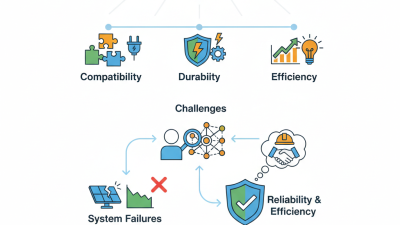
Picking the right custom Solar Pv Cable is a pretty important step for any solar project. With more folks getting into renewable energy these days, loads of companies are offering their own tailored solutions. But, not all of these options are equally good, so it’s really key to figure out what works best for your specific setup.
Good quality cables are crucial—they help you get the most out of your system and last longer. Keep an eye out for materials that can handle tough weather conditions, because that’s what really matters. Skimping on quality might seem tempting with cheaper options, but honestly, that can come back and bite you with energy loss or higher maintenance costs down the line.
It’s also a good idea to think about your entire system design and where you’re installing everything. Different setups might need different kinds of cables. Talking to a few experts or specialists can give you some solid insights. Brands like SolarX and GreenWatt are pretty trustworthy—they’ve got a good track record for reliability and performance, so leaning on them for advice can be a smart move. At the end of the day, choosing the right customized cable can really make a difference in how well your system works and how long it lasts.
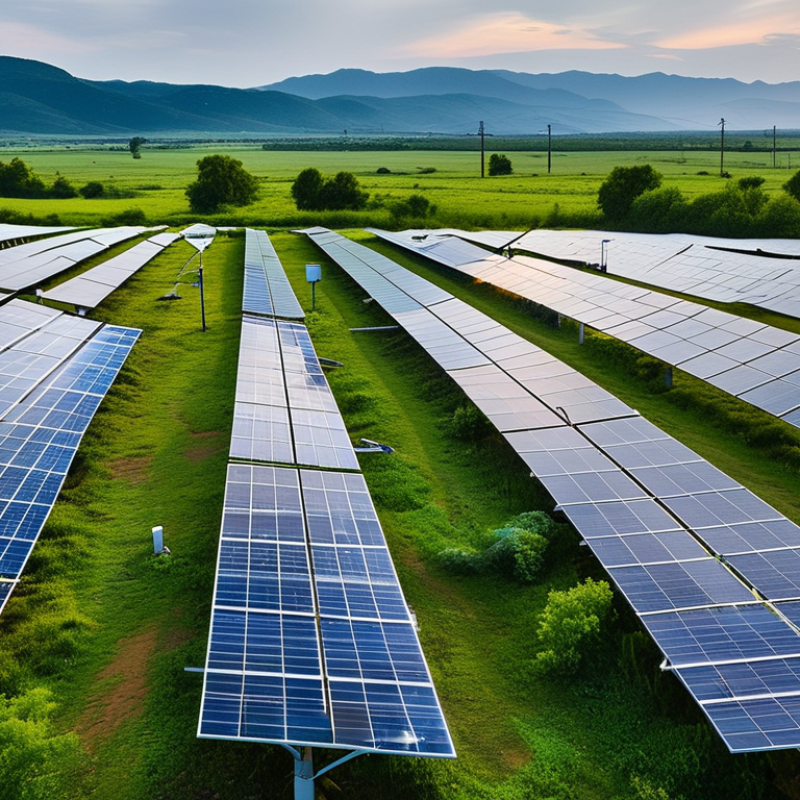
Understanding Solar PV Cables: Importance and Functionality
Understanding Solar PV cables is crucial for an efficient solar energy system. These cables connect solar panels to Inverters, ensuring the efficient transfer of electricity. The right choice can impact system performance significantly. A study by the National Renewable Energy Laboratory indicates that poor cable selection can reduce energy output by up to 20%. This is a substantial loss for any solar project.
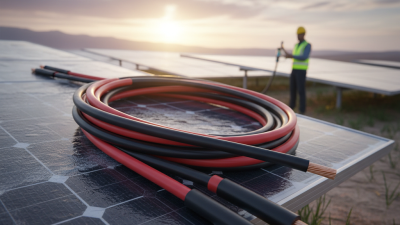
Solar Panel Cable must be durable. They should withstand harsh weather conditions and ultraviolet radiation. Cables rated for outdoor use are often more robust. In addition, they should have proper insulation to avoid energy leakage. The thickness of the cable (gauge) is also vital. A thicker cable can handle more current, reducing energy loss and heat build-up.
Designing a solar network requires careful planning. Many installations overlook cable length and routing. Longer cables can lead to voltage drops, further decreasing efficiency. The use of high-quality Solar Panel Cable can mitigate these issues. However, it's important to avoid overestimating the effectiveness of premium cables without considering other system components. Each segment must be balanced for optimal performance.
Top Tips for Choosing Customized Solar Pv Cable Options
| Cable Type | Voltage Rating (V) | Current Rating (A) | Temperature Range (°C) | Length Options (m) |
| PV1-F | 600 | 33 | -40 to 90 | 1, 2, 3, 5, 10 |
| H1Z2Z2-K | 1000 | 25 | -40 to 90 | 1, 5, 10, 15, 20 |
| PV Cable 2.5mm | 600 | 25 | -40 to 90 | 1, 2, 3, 5 |
| Solarflex | 1500 | 35 | -40 to 90 | 2, 4, 6, 10 |
Types of Customized Solar PV Cables: An Overview
When selecting customized solar PV cables, it’s essential to understand the various types available. Each type serves a specific purpose in solar energy systems. Photovoltaic (PV) cables primarily ensure efficient energy transfer while being durable. According to a 2022 industry report, approximately 75% of solar cable failures result from poor quality materials. This emphasizes the importance of choosing cables designed for longevity and performance.
One notable type is the cross-linked polyethylene (XLPE) cable. It offers excellent thermal properties and mechanical strength, making it ideal for outdoor installations. The cables also feature UV resistance, which helps them withstand harsh environmental conditions. A telemetry study indicated that systems using XLPE cables showcased a 20% increase in efficiency over five years compared to their counterparts with inferior cabling.
Solar Cable Connectors also play a crucial role in the overall efficiency of solar installations. Custom options for connectors can enhance compatibility with specific systems, ultimately reducing the risk of connectivity issues. While customized solutions can be more expensive, the potential for increased efficiency should not be overlooked. Many installers report that investing in high-quality connections leads to better performance and fewer maintenance concerns in the long run.
Key Factors to Consider When Selecting Solar PV Cables
When selecting solar PV cables, several key factors come into play. The cable's material is crucial. Common options include copper and aluminum. Copper offers higher conductivity but comes with a higher price tag. In contrast, aluminum is lighter and more cost-effective, but it may lead to higher resistive losses over time. Based on industry data, copper wire resistance can be nearly half that of aluminum, resulting in improved energy efficiency in solar systems.
The cable's insulation type impacts durability and performance. UL-listed cables with UV resistance help ensure longevity. They can withstand harsh weather conditions, which increases reliability. Additionally, heat resistance is vital. Cables must operate effectively in varying temperatures without compromising safety. According to recent studies, improper insulation can reduce cable lifespan by up to 30%.
Tip: Always consider the environmental conditions where your solar panels will be installed. If you live in a region with extreme temperatures or UV exposure, opt for high-quality cables designed for those conditions.
Another factor is the cable's size and gauge. Selecting the right gauge ensures the cable can handle the solar system's current. Too small a gauge can lead to overheating. A report from the Solar Energy Industries Association (SEIA) indicates that proper sizing can prevent energy losses.
Tip: Consult with technical experts to find the best-suited cables for your specific installation. Misjudging gauge size can not only lead to inefficiency but can also pose safety risks.
Evaluating Material Options for Solar PV Cable Customization
When selecting customized solar PV cables, material choices play a crucial role in performance and durability. Different materials offer unique benefits. For instance, copper has excellent conductivity, ensuring efficient energy transfer. Yet, it can be more expensive than aluminum, which is lighter and more resistant to corrosion. Understanding these options is essential for making informed decisions.
Thermoplastic elastomer (TPE) and polyvinyl chloride (PVC) are popular insulation materials. TPE provides flexibility and weather resistance. However, it may not withstand extreme temperatures as well as PVC. Users must consider the installation environment. Are harsh conditions expected? If so, choosing the right material is vital.
Reflecting on your choices is also important. An initial decision may seem right, but conditions can change. The local climate can affect cable durability. Over time, cables may degrade due to exposure to sunlight or moisture. Evaluating performance over time can highlight issues. Adapting and updating cable choices could enhance longevity and efficiency.
Assessing Voltage and Current Ratings for Solar PV Cables
When selecting customized Solar PV cables, understanding voltage and current ratings is crucial. In solar installations, cables often need to handle specific electrical loads produced by solar panels. According to the National Electrical Code (NEC), cables must be rated to handle more than just peak outputs to ensure longevity and safety. A cable rated for 600 volts may be suitable for residential systems, but installing in a commercial setting might require a higher rating.
For optimal performance, consider the ampacity of the cables. Ampacity refers to how much current a conductor can carry without overheating. The International Electrotechnical Commission (IEC) suggests that proper sizing is critical. An under-sized cable can lead to losses due to heat, increasing maintenance costs.
Tip: Always choose a Solar Connector Cable based not only on brand but on its ratings matching your system's requirements. Verify whether solar cables are UV resistant, as they may often be in direct sunlight, leading to degradation over time.
It’s also wise to review installation practices. Missteps during installation can nullify even the highest-rated cables. A poorly connected cable may result in voltage drops and system inefficiencies. Regular checks can help ensure that the cables are performing as expected, guarding against potential failures.
Environmental Considerations: Durability and Weather Resistance
When selecting customized solar PV cables, durability and weather resistance are paramount. Cables must endure harsh conditions. Factors like UV exposure and moisture levels significantly affect performance. A well-chosen cable can last for years, minimizing the risk of maintenance issues. Look for materials designed specifically to resist these elements. It’s often a good idea to consult with professionals. They can guide you on suitable options based on your environment.
In addition to environmental resilience, consider the type of insulation. This can enhance the cable's lifespan. For instance, a 6mm Solar Cable may offer improved conductivity and protection. However, not all manufacturers adhere to the same quality standards. Verification of certifications is essential. Did they undergo rigorous tests? Unverified products may fail prematurely, impacting your solar system’s efficiency.
Lastly, reflect on your specific needs. What type of installation are you planning? Installations in coastal areas may require different specifications than those in arid conditions. Understanding these nuances can lead to better decision-making. Be wary of overly generic advice. Each installation has unique challenges, and recognizing them can lead to more reliable outcomes.
Working with Suppliers: Tips for Custom Solar PV Cable Orders
When ordering customized solar PV cables, communication with suppliers is key. Start by clearly defining your project needs. Take time to explain the specific applications of the cables. Will they be used in residential or commercial installations? The environment matters too—outdoor cables must withstand various weather conditions. Consider temperature ratings and UV resistance in your discussions.
Building strong relationships with suppliers creates a productive collaboration. Ask for their recommendations based on your specifications. Suppliers should offer insights on materials and designs that meet industry standards. Don't hesitate to request samples before finalizing your order. Testing these samples allows you to evaluate quality firsthand.
Remember, flexibility is vital in this process. Changes might be necessary as the project evolves. Keep an open line of communication for adjustments. Suppliers appreciate transparency and adaptability. This approach ensures you receive high-quality products tailored to your project’s unique requirements. Mistakes can happen, but they become learning opportunities for both parties.
Customized Solar PV Cable Options
This chart displays the importance ratings of various features to consider when choosing customized solar PV cables. Ratings are scored from 1 to 10, highlighting aspects such as low-temperature resistance, high voltage rating, UV resistance, water resistance, and durability.
FAQS
: They connect solar panels to inverters and ensure efficient energy transfer.
Energy output can drop by up to 20%. This loss affects the overall performance of solar systems.
They must be durable, UV resistant, and well-insulated to prevent energy leakage.
Thicker cables handle more current, reducing energy loss and heat buildup.
Longer cables can cause voltage drops, which further decreases efficiency.
High-quality materials like cross-linked polyethylene (XLPE) enhance performance and longevity.
Quality connectors improve compatibility and reduce connectivity issues, enhancing efficiency.
Yes, they can lead to better performance and fewer maintenance issues over time.
Pay attention to cable routing, length, and balance between system components.
Not necessarily; all system components must work together for optimal results.
Conclusion
When selecting customized solar PV cable options, it's crucial to understand their importance and functionality in solar energy systems. Customized Solar PV cables come in various types, allowing for tailored solutions that cater to specific project requirements. Some key considerations include evaluating the material options, ensuring proper voltage and current ratings, and addressing environmental factors such as durability and weather resistance.
Additionally, working effectively with suppliers can facilitate seamless custom orders for solar PV cables. By keeping these key factors in mind, users can make informed decisions that enhance the efficiency and longevity of their solar installations, ultimately leading to a more reliable and sustainable energy solution.