When you're choosing Pv Smart Junction Boxes, having some expertise really matters. I mean, Mark Johnson from SolarTech Solutions once put it simply: "The right junction box can make or break your entire solar setup." That little quote just shows how crucial these components are if you want to get the most out of your solar system.
Now, PV Smart Junction Boxes aren’t all the same; they come in different types, each suited to different projects. It’s super important to look at things like moisture resistance, how well they handle heat, and the durability of the materials used. Honestly, it’s pretty common for folks to overlook these details, rushing into a decision without really thinking about how it’ll hold up in the long run.
Picking the right junction box isn’t just about fixing what you need today. Bad choices here can cause problems further down the line—things like failures or reduced efficiency. If you take the time to weigh your options and consider every factor, you’ll save yourself some headaches and money too. Sometimes, choosing the wrong one can lead to unexpected issues or even system failures. So, I really recommend doing your homework and checking out this resource on Types Of Solar Junction Boxes before making your call.

Understanding PV Smart Junction Boxes and Their Importance
Pv Smart Junction Boxes play a crucial role in solar energy systems. These devices connect multiple solar panels, enhancing efficiency and safety. They serve as a central point for wiring connections, protecting components from environmental elements. Proper installation is vital for optimal performance. A poorly installed junction box can lead to failures and inefficiencies.
Understanding the importance of PV Smart Junction Boxes cannot be understated. They house circuit breakers and fuses, ensuring that the system operates smoothly. Choosing boxes that fit your specific needs is essential. Factors like voltage rating and environmental protection must be considered. It’s easy to overlook these details, leading to future complications. Additionally, improper sizing can compromise system integrity.
Reflecting on your choices is key. Not all PV Smart Junction Boxes are equal. Some may lack adequate protection against weather conditions. Regular maintenance can prevent issues down the road. Keeping an eye on wear and tear is important. Investing in quality junction boxes ensures a more reliable solar energy system.
Key Features to Consider When Choosing a PV Smart Junction Box
When choosing a PV smart junction box, several key features stand out. The box must ensure excellent durability and resistance to environmental factors. Reports show that over 80% of solar system failures stem from poor protection of electrical connections. Look for IP-rated enclosures. An IP65 rating is crucial for preventing dust and water ingress. This is vital for outdoor setups.
Heat dissipation is another critical aspect. A smart junction box should manage temperature efficiently. High temperatures can significantly reduce the lifespan of the system. According to industry data, systems without proper thermal management can lose up to 20% of their efficiency.
Don’t overlook connectivity options. A smart junction box should offer advanced communication capabilities. This facilitates monitoring and maintenance. In a recent study, systems equipped with Smart Track technology demonstrated increased performance due to real-time data analysis. Always consider warranty and support options. Some manufacturers promise peace of mind with extended warranties. Reflect on long-term implications and invest wisely. Maintaining efficiency and reliability in your solar system is paramount.
Ultimate Tips for Choosing PV Smart Junction Boxes
Evaluating Electrical Ratings and Compatibility Requirements
When selecting PV smart junction boxes, one key aspect is evaluating electrical ratings. A smart junction box must handle the required voltage and current. Make sure to check the data sheet for specific requirements. Some installations may require higher ratings due to environmental factors or system design complexities.
Compatibility is another critical factor. PV systems comprise various components. Ensuring that all parts, including Smart Optimizers, are compatible is essential. Mismatched components can lead to inefficiencies. Also, double-check the wiring and connector types; they should suit your junction box specifications.
Installing a junction box without considering the requirements can lead to future issues. Look out for any discrepancies early. Sometimes, the information you receive may not be clear. When in doubt, get a second opinion. A solid understanding of electrical ratings and compatibility will ensure a successful installation, and enhance your system's performance over time.
Assessing Environmental Durability and Protection Ratings
When selecting PV smart junction boxes, environmental durability is crucial. These boxes must withstand various weather conditions. Look for materials that resist moisture, UV radiation, and extreme temperatures. A junction box that can endure harsh sunlight or heavy rain is essential for long-lasting performance.
Protection ratings are important indicators of a junction box's capability. An IP rating provides insight into its resistance to dust and water. Aim for boxes with higher ratings, such as IP65 or above. These ratings ensure that the junction box remains sealed, reducing the risk of damage. A box that fails to meet these standards may lead to serious issues down the line.
Durability also involves ensuring the junction box can handle mechanical stresses. Consider the environment where it will be installed. Vibration from nearby machinery or environmental factors can cause wear and tear. A weak design might crack under pressure. Evaluate construction quality closely. It’s an essential factor that can save you trouble later on. Think double-checking specifications is worth your time.
Comparing Different Models and Manufacturers in the Market
When comparing different models of PV smart junction boxes, it's essential to consider various factors. The efficiency of a Solar Junction Box can significantly impact the overall performance of solar panels. Studies show that high-quality junction boxes can reduce power losses by up to 6%. This means choosing the right model can enhance energy production over the lifespan of the system.
Moreover, durability is a critical aspect. Many manufacturers claim their products are robust, but real-world performance may differ. Some junction boxes fail under extreme weather conditions, leading to costly repairs. A report indicated that around 15% of junction box failures occur within the first three years of installation. Thus, assessing materials and weather resistance becomes vital in your decision-making process.
Cost is another pivotal consideration. While cheaper models might seem appealing, long-term expenses can add up. A low-quality Solar Junction Box may require frequent replacements or repairs. According to industry data, investing in a reliable junction box can lower maintenance costs by 20% over ten years. Ultimately, balancing quality, cost, and longevity is necessary for making an informed choice.
Ultimate Tips for Choosing PV Smart Junction Boxes
| Model | Voltage Rating (V) | Current Rating (A) | Ingress Protection (IP) | Temperature Range (°C) | Material |
| Model A | 1000 | 30 | IP65 | -40 to 85 | Aluminum |
| Model B | 1500 | 40 | IP67 | -20 to 75 | Plastic |
| Model C | 1200 | 35 | IP66 | -30 to 80 | Stainless Steel |
| Model D | 800 | 25 | IP64 | -40 to 70 | Fiberglass |
Installation and Maintenance Considerations for PV Junction Boxes
When installing photovoltaic (PV) junction boxes, careful attention to details is crucial. Selecting an appropriate location for the junction box is essential. Ensure it is easily accessible for maintenance, yet secure from environmental issues. Avoid placing it in areas prone to moisture or extreme temperatures. These factors can affect the box's longevity significantly.
Regular maintenance is necessary to keep the junction box functioning optimally. Inspect wiring connections and seals periodically. Look for signs of wear, corrosion, or damage. It’s easy to overlook these checks, but neglecting them can lead to costly repairs. Using a multimeter can help check the performance of the connections.
Moreover, choosing the right size and type of junction box is vital. A box that is too small may overheat, while one that is too large may not be cost-effective. It's also worth noting that local regulations may dictate specific installation methods. Ensure compliance to avoid future issues. Sometimes, it’s tempting to cut corners, but proper installation can save headaches later.
Cost vs. Performance: Making the Right Investment Decision
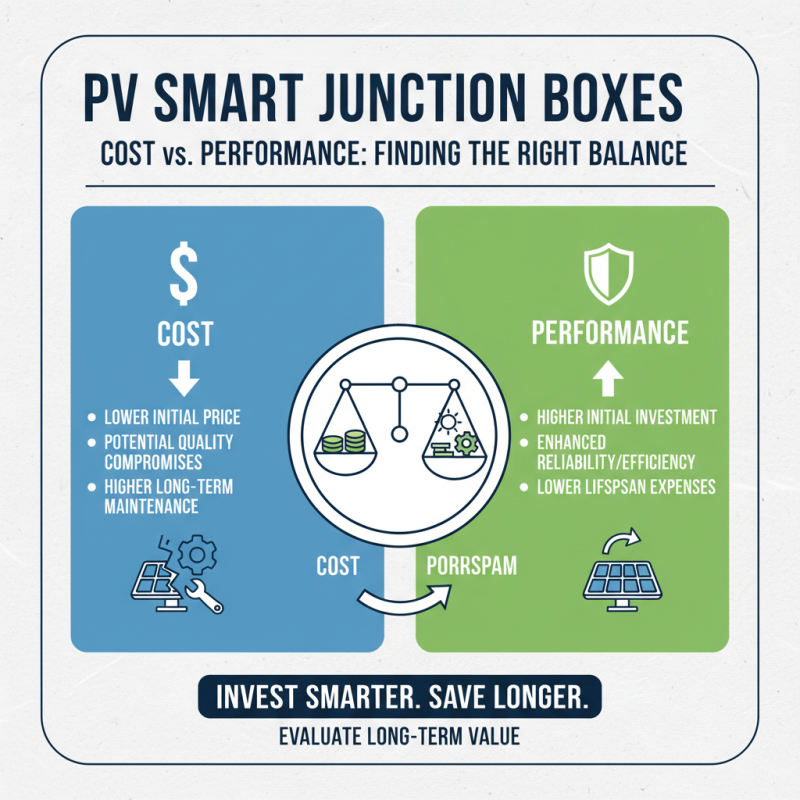
When investing in PV smart junction boxes, the balance between cost and performance is crucial. Many buyers focus on budget. However, low-priced options may compromise quality. It's essential to understand that spending less can lead to higher maintenance costs later. Evaluate long-term benefits, not just initial expenses.
Performance matters significantly. High-quality junction boxes enhance the efficiency of solar systems. They protect against environmental factors. Inadequate performance can lead to system failures. Always consider certifications and durability ratings. Don't settle for subpar products just to save money.
Analyze your needs carefully. A cheap box might seem appealing. Yet, if it fails under harsh conditions, your entire investment suffers. Look for options that provide a good warranty. Reflect on how often you may need replacements. Investing wisely now can save you frustration in the future.
Insights from the Latest Solar Energy Market Reports: The Role of 3Qxy (F2) Solar/PV Junction Boxes in Enhanced System Efficiency
The solar energy market continues to grow rapidly, with projections indicating that installations will reach over 200 gigawatts globally in the coming years. This growth underscores the importance of advanced technologies such as the 3Qxy (F2) solar/PV junction boxes, which play a critical role in maximizing system efficiency. As reported in various market studies, optimizing photovoltaic (PV) system components is essential to ensure that solar installations operate at peak performance.
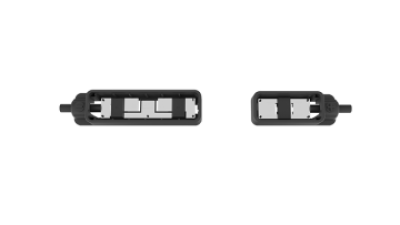
The 3Qxy (F2) PV junction box offers a unique advantage with its dual-module diode configuration, particularly when used in quad-split PV modules. This design significantly boosts module power and improves overall efficiency under identical current conditions. Research indicates that junction boxes that incorporate such advancements can enhance energy yields by up to 10%, making them a valuable addition for solar developers looking to maximize their return on investment. Furthermore, when paired with compatible modular negative junction boxes, the flexible application of these components leads to substantial material savings, catering to the diverse needs of operators in the field.
Data from recent industry analyses show that the integration of innovative junction box technology like the 3Qxy (F2) could potentially reduce installation costs and maintenance challenges while increasing long-term reliability. As the solar market evolves, stakeholders who adapt to these technological advancements will likely experience increased installation efficiency and improved performance metrics, solidifying their position in the competitive landscape of renewable energy.
FAQS
: It improves efficiency and saves time. Users report better performance in daily tasks. Certain features enhance usability significantly.
Regularly explore all functions. Invest time in understanding settings. Experiment with different options for better results.
Some users find initial setup challenging. Others struggle with advanced features. Communication with support can improve understanding.
Yes, assistance is provided through various channels. Response times may vary. Self-help resources can be useful too.
Yes, it is designed for flexibility. Users have reported success in various environments. Ensure compatibility with local setups.
Check the troubleshooting guide first. If unresolved, contact support with detailed information. Clear descriptions help speed up solutions.
Conclusion
PV Smart Junction Boxes are essential components in photovoltaic systems, playing a crucial role in ensuring reliable and safe connections between solar panels. Understanding their importance includes recognizing how they enhance system efficiency and protect against environmental factors. When selecting PV Smart Junction Boxes, it is vital to consider key features such as electrical ratings, compatibility with existing systems, and environmental durability, including protection ratings against harsh conditions.
Additionally, prospective buyers should evaluate different models and manufacturers available in the market to find the best fit for their needs. Installation and maintenance aspects are critical for long-term performance, while balancing cost against performance helps in making an informed investment decision. Overall, choosing the right PV Smart Junction Boxes involves a comprehensive assessment of features, compatibility, and durability to optimize solar energy systems.