In the fast-changing world of solar energy, picking the right Solar Connectoris honestly pretty important if you want things to run smoothly and safely. I mean, according to a report from the Solar Energy Industries Association (SEIA), using the wrong connectors can really hurt your system’s efficiency — we're talking up to 20% loss sometimes! Industry veteran John Smith from Solar Connectors Inc. tells us, "Getting the right connectors makes all the difference when it comes to squeezing out the best performance."
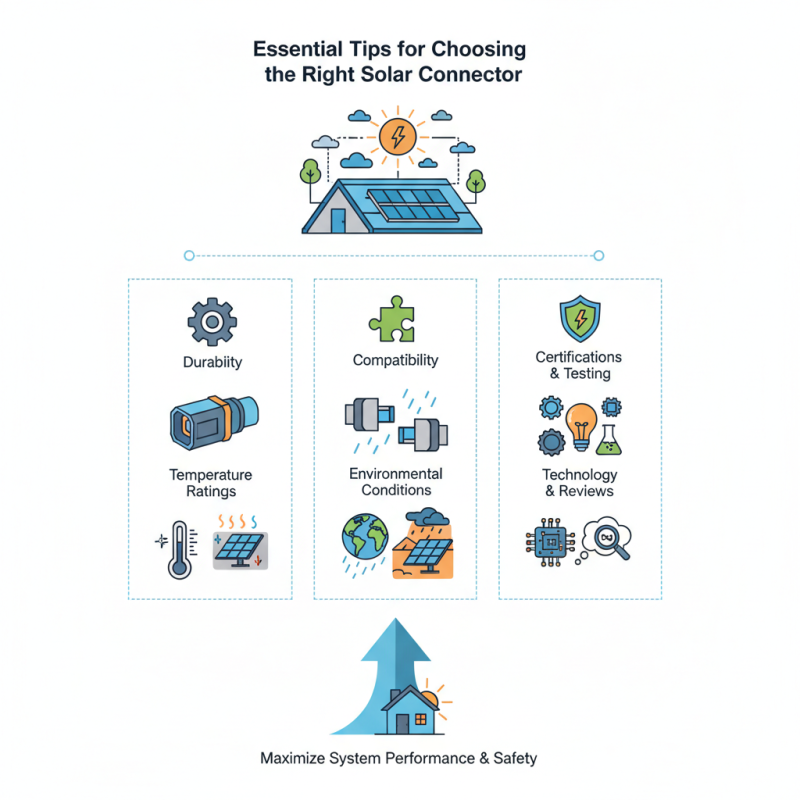
Now, here's the thing — the market’s packed with lots of options, but not all solar connectors are built the same. Things like how tough they are, their temperature limits, and whether they match up with your system can have a huge impact on how long your setup lasts. It’s worth taking some time to figure out what you really need, especially considering the environment where your system’s gonna be. For example, if you’re in a place with crazy weather, you’ll want connectors that can handle the extremes without failing.
Making the right choice when it comes to solar connectors isn’t just about picking what’s cheap or available. A lot of folks forget how important certifications and testing standards are, but ignoring those could cause trouble down the line. Staying updated on the latest tech and reading honest reviews can really help you make a smarter call. Rushing into a decision without thinking things through might end up hurting your overall system — both performance-wise and safety-wise — so it’s good to really consider what matters most for your setup.
Understanding the Basics of Solar Connectors
When exploring solar connectors, understanding their basic types is crucial. Solar connectors are used to link photovoltaic panels to one another. They play a key role in ensuring reliable energy transfer and system safety. Among the various types, the Mc4 Solar Connector is one of the most popular choices. This connector type offers a secure and weather-resistant link.
The design of Mc4 Solar connectors allows for easy installation and disconnection. They are often preferred for their durability. However, not all MC4 connectors are created equal. Factors like material quality and locking mechanisms vary among options. Some connectors may experience wear and tear sooner than expected. It’s important to choose wisely to avoid future issues.
Look for features like polarity protection and easy assembly. These can prevent connection errors and ensure a stable flow of electricity. Also, consider compatibility with your solar panels and cables. Not all connectors will fit perfectly. Experimenting with various connector brands may lead to unexpected challenges. Users must pay attention to installation instructions, as a simple mistake can lead to performance drops. Making the right choice takes time and thought.
Types of Solar Connectors and Their Applications
When choosing solar connectors, it's essential to understand the various types available. Common types include MC4 connectors, which are popular for their reliability. They are designed to connect solar panels to each other and to inverters. Another type is the Tyco connector, which is known for its flexibility in various applications. Different climates and conditions can affect their performance.
Solar Connector Cables come in multiple designs. Some are waterproof and UV-resistant, making them suitable for outdoor use. In contrast, others may not withstand extreme weather. Always check the specifications carefully. Misjudging the cable type can lead to connection issues or reduced efficiency.
Sometimes, people overlook compatibility. Not all connectors work seamlessly with every solar system. This can result in inefficiencies. Regular maintenance is crucial; corroded connections can hinder performance. Reflecting on your choices is vital for long-term sustainability.
Factors to Consider When Choosing Solar Connectors
When selecting solar connectors, several key factors come into play. One vital detail is the connector type. You can choose between MC4 and other variations. The Qc4 Solar Connector is gaining popularity due to its ease of use. However, before making a decision, evaluate your system’s specific requirements. Compatibility with existing equipment is crucial. Mismatched components can lead to inefficiencies or failures.
Another essential consideration is the durability of connectors. Solar connectors face harsh weather conditions. Ensure that they can withstand humidity, extreme temperatures, and UV exposure. Look for materials that are robust and long-lasting. Weak connectors can lead to increased maintenance costs and unexpected replacements. It’s also worth examining the ease of installation. A complicated setup can lead to errors and delays.
Take note of current and voltage ratings. Ensure your chosen connectors can handle the energy output of your solar panels. Ignoring these specifications may result in poor performance. Also, consider the price. While low-cost options are tempting, they may compromise quality. Investing in reliable connectors could save you trouble down the road. Always analyze your solar needs carefully before purchasing.
Assessing Compatibility with Solar Panels and Inverters
When selecting solar connectors, compatibility plays a crucial role. A mismatch can affect performance. Reports indicate that nearly 30% of installation errors stem from incorrect connector choices. This highlights the need for thorough assessment.
Compatibility should be assessed based on solar panel and inverter specifications. Check the voltage and current ratings. For example, if a panel operates at 30 volts and a connector is rated for 40 volts, it could work. However, performance may not be optimized.
Moreover, consider different connector types. MC4 connectors are common, but some panels may use unique designs. A lack of standardization may lead to confusion. Choosing the wrong connector can result in power loss. According to industry studies, mismatched connectors can decrease efficiency by up to 20%. This inefficiency negatively impacts the overall energy generation. Understanding these details is vital in the decision-making process.
Evaluating Durability and Weather Resistance of Connectors
When selecting a solar connector, evaluating its durability and weather resistance is crucial. Connectors often face harsh environmental conditions. Rain, snow, and extreme temperatures can compromise their performance over time. A connector that looks robust may not always perform well under stress. It's essential to investigate the materials used in the connector. High-quality plastics and metals can significantly enhance longevity.
Tips for selecting a durable connector include checking its IP rating, which indicates its resistance to dust and water. A higher number means better protection. Consider the temperature rating as well. If connectors can't handle extreme heat or cold, they may fail prematurely. Look for certifications like UL, which often signify adherence to safety standards.
Additionally, don't forget about mechanical strength. Connectors should be robust enough to withstand mechanical stresses when installed. Fragile connectors can break easily during installation or due to movement over time. Choosing the right Solar Panel Connector means balancing a variety of factors, including durability and resistance. Each choice shapes the system's longevity. Evaluating these aspects will ultimately lead to better performance over time.
Checking for Certifications and Safety Standards
When selecting solar connectors, checking for certifications and safety standards is crucial. Not all connectors are created equal. Certifications ensure quality and reliability. Look for connectors that meet industry safety standards. This can help avoid potential hazards.
Tips for choosing the right connector include examining the degree of protection (IP rating). A higher rating offers better durability against dust and water. Also, pay attention to the material used. Quality materials can enhance the lifespan and performance of the connectors.
Additionally, verify lab test results that support the claims made by manufacturers. Some connectors may look good but fail under pressure. Poorly designed connectors can lead to inefficiencies in energy transfer. Make sure to do your homework on certifications. The safety of your solar system may depend on it.
Essential Tips for Choosing the Right Solar Connector - Checking for Certifications and Safety Standards
| Connector Type | Certification Standards | Safety Features | Temperature Range (°C) | Life Expectancy (Years) |
| MC4 | UL 6703, IEC 62852 | Waterproof, UV Resistant | -40 to 90 | 25 |
| Tyco/AMP | DIN EN 50521 | Fireproof, Cable Sheath Protection | -30 to 85 | 30 |
| H4 | TUV, UL 94 V-0 | Anti-corrosion, Shock Resistant | -40 to 95 | 20 |
| Solar Snap | ISO 9001, CE Mark | Locking Mechanism, IP68 Rated | -40 to 80 | 15 |
Comparing Cost and Performance of Different Connectors
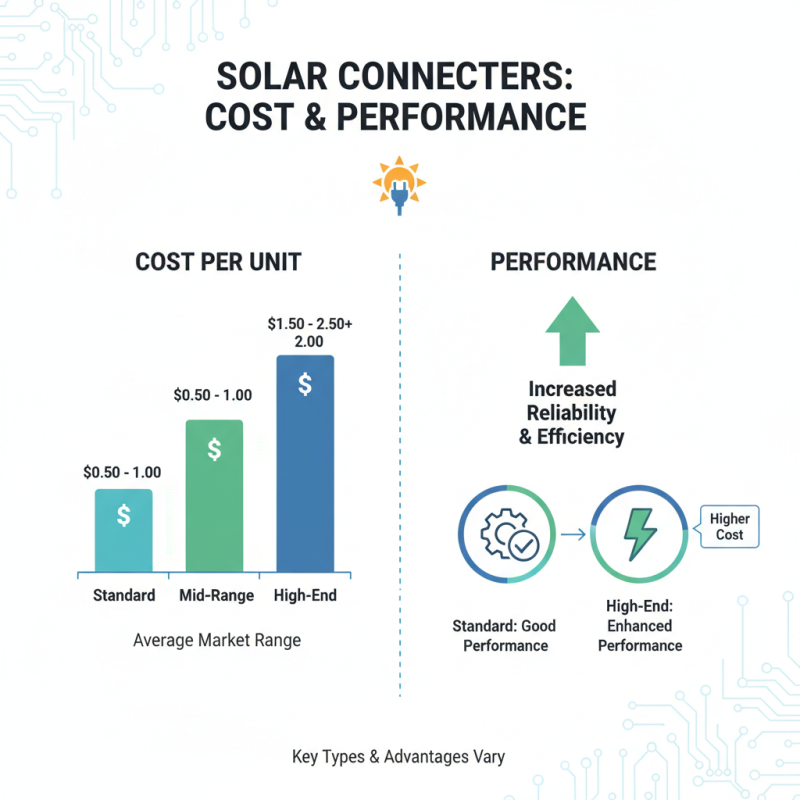
When considering solar connectors, cost and performance are critical factors. Research indicates that the market offers various connector types, each with unique advantages. The average cost of connectors ranges from $0.50 to $2.00 per unit. High-end connectors usually provide better performance but can escalate costs significantly.
Performance depends largely on efficiency and temperature ratings. Some connectors function efficiently up to 120°C, while others may falter beyond 90°C. A report by the Solar Energy Industries Association indicates that connectors with higher warmth tolerance tend to last longer. They minimize maintenance and replacement costs, offsetting initial price hikes.
It is worth noting that price alone shouldn’t dictate choices. Cheaper connectors might degrade quickly under harsh conditions. Their lifespan might not equal more robust options. Performing thorough research can help avoid pitfalls. Testing under real-world conditions could reveal unexpected results. Choosing wisely can yield long-term benefits.
FAQS
: You can find a variety of items including electronics, home goods, and clothing.
Simply browse the selection, add items to your cart, and follow checkout instructions.
Yes, items can be returned within 30 days if they are unused.
Most major credit cards and digital wallets are accepted during checkout.
Yes, tracking information is provided once the order is shipped.
Shipping times vary, but most orders arrive within 5-7 business days.
Contact customer service to resolve issues with incorrect orders promptly.
Periodically, discounts and promotions are offered. Check the website for updates.
Yes, customer support is available via email and chat.
Changes may be possible, but they depend on the order status.
Conclusion
When choosing the right solar connector, it is essential to understand the basics and various types available. Solar connectors serve as the critical link between solar panels and inverters, ensuring efficient energy transfer. Various types are designed for specific applications, and selecting the appropriate one involves assessing several factors. Consider compatibility with your solar panels and inverters, as well as the durability and weather resistance of the connectors to withstand the elements.
Additionally, checking for certifications and safety standards is crucial to ensure reliability and longevity. Finally, comparing the cost and performance of different connectors can help in making an informed decision. By taking these considerations into account, you can choose the ideal solar connector for your solar energy system, optimizing performance and safety.