Leave Your Message
0%

In the world of solar energy, things are always changing, and picking the right Pv Panel Connectorscan really make a difference when it comes to how efficient your system is. John Smith, a well-known expert in renewable energy at SolarTech Innovations, puts it simply: "Choosing the right Connectors is key to getting the most out of your solar setup."

Now, grabbing the correct Pv Panel Connectors isn't just a technical detail — it actually affects how easy the installation process is and how well your system holds up over time. A good connector isn't just fancy; it’s built tough to handle harsh weather and daily wear and tear. That said, many folks forget to check whether those connectors actually match their panels, which can lead to shaky connections or worse, system failures.

It’s tempting to get lost in all the specs and technical mumbo jumbo, but honestly, prioritizing quality over price is smart. Sticking with reputable brands can give you peace of mind, knowing you’re getting something reliable. On the other hand, newer brands might sound appealing because they’re cheaper, but they often lack a proven track record. So yeah, a bit of research and careful thought go a long way when choosing your Pv Panel Connectors.
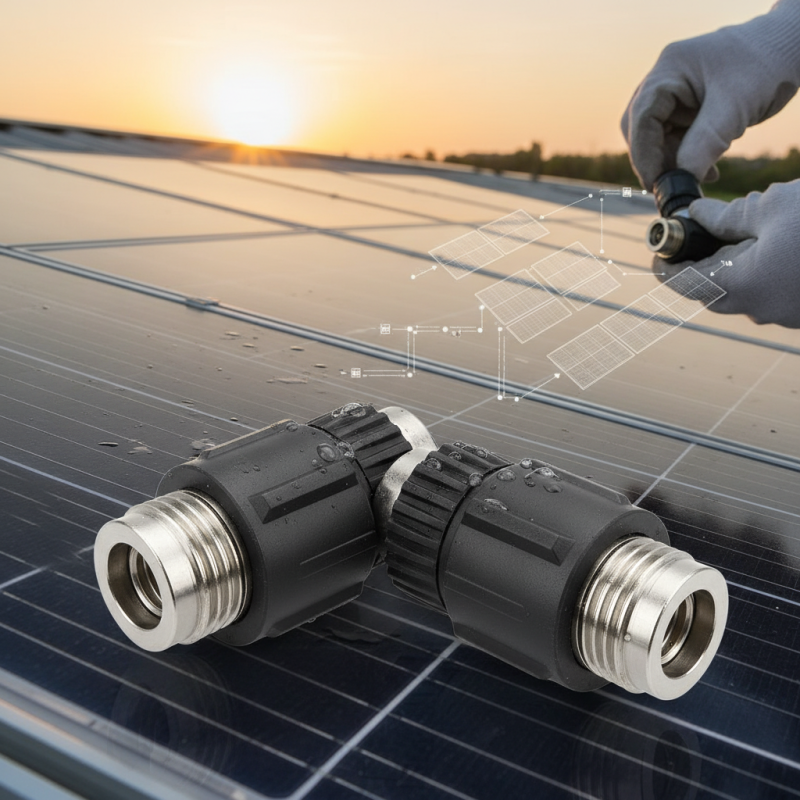
Essential Tips for Choosing the Right Pv Panel Connectors?

Understanding the Importance of PV Panel Connectors in Solar Systems

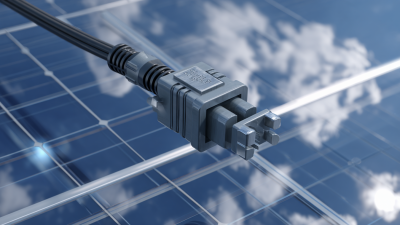
PV panel connectors play a crucial role in solar systems. These connectors ensure seamless connections between solar panels and the Inverter. A proper connection is vital; it directly impacts the efficiency of the entire system. Without the right connectors, energy loss can occur, leading to higher costs.

When selecting connectors, consider their material and compatibility with solar panel wires. Different materials have varying durability and conductivity. In some cases, users may overlook these details, leading to poor performance. This oversight can be costly in the long run. In addition, connectors must withstand environmental factors like moisture and temperature changes.

Finding the right fit is not always easy. Many users struggle to identify what works best for their setup. A mismatch can lead to system failures. Always double-check specifications before making a decision. It’s better to spend a little extra time than to face issues later. Solar Panel Wires And Connectors should work seamlessly together for optimal performance.

Types of PV Panel Connectors: A Comprehensive Overview

Choosing the right PV panel connectors is crucial for efficient solar energy systems. Several types of connectors are available, each with distinct features. Understanding these can help you make an informed choice.

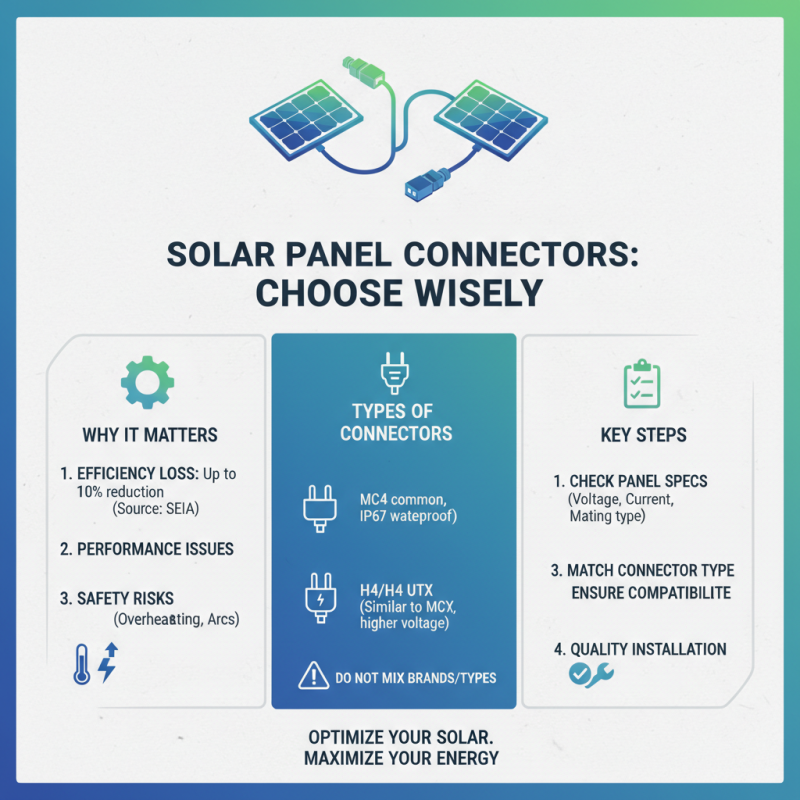
MC4 connectors are widely used due to their robust design. They provide a reliable, weatherproof seal. These connectors are easy to install but can be tricky to disconnect. Experience has shown that improper handling can lead to connectivity issues. Other connectors, like TYCO and Amphenol, offer different advantages, such as space-saving designs. However, they might require specialized tools for installation.

It's essential to reflect on your specific needs. Consider the environment where your solar panels will be installed. For example, under extreme weather conditions, ensure that the chosen connectors can withstand harsh elements. Compatibility with existing systems is another point worth pondering. A mismatch can lead to inefficiencies and increased maintenance costs. Take the time to analyze all options before deciding.

Key Factors to Consider When Selecting PV Panel Connectors

When selecting PV panel connectors, several key factors are crucial. The environment in which connectors will operate impacts their durability. For instance, connectors designed for outdoor use must resist UV rays and moisture. Data from industry reports shows that over 20% of connector failures are due to environmental factors. This highlights the need for careful material selection and protection features.

The electrical rating is another important consideration. Connectors must accommodate the system's voltage and current levels. According to a report by the International Renewable Energy Agency, mismatched ratings can lead to failures in more than 15% of installations. This can cause significant downtime and costly repairs. Ensuring compatibility with your system can prevent these issues.

Compatibility with modules is essential. Different manufacturers might have varying pin designs and specifications. Industry standards exist, but not all manufacturers adhere to them. This inconsistency can lead to connection issues or performance drops. Engaging directly with technical documentation can help clarify specific requirements. It may involve extra effort, but it is vital for successful installations.

Evaluating the Electrical Ratings of PV Panel Connectors

When choosing PV panel connectors, electrical ratings play a crucial role. The connector’s voltage and current ratings must match your system requirements. Overestimating these ratings can lead to failures. Underestimating them can cause overheating and system shutdowns.

It's vital to consider the connector's insulation material. This affects its temperature tolerance and resistance to environmental factors. For example, some materials degrade faster in UV light. Look for connectors rated for high temperatures if your installation is in a hot area. Remember, appearance isn't everything. A cheaper connector may seem appealing but could fail much sooner than expected.

Finally, check the manufacturer's specifications carefully. Some connectors may boast impressive ratings but lack the reliability you need. Always seek connectors that align with your system's demands. Investing time in understanding these ratings can save a lot of hassle down the road.

Assessing Environmental Resistance of PV Panel Connectors

When selecting PV panel connectors, environmental resistance is crucial. Connectors must endure various conditions. High temperatures can lead to premature aging. In contrast, low temperatures may cause brittle materials. According to the International Electrotechnical Commission, connectors must operate efficiently from -40°C to +85°C.

Moisture is another factor. Humidity can cause corrosion. A study indicates that 30% of failures in PV systems result from connector issues. Proper sealing and material choice are vital to ensuring longevity. UV radiation is another concern. Connectors exposed to sunlight should have UV-resistant coatings. This helps in maintaining performance over time.

It's also essential to consider mechanical stress. Vibration and movement can stress connectors. In specific regions, wind loads and heavy snow increase stress on PV systems. A report by the National Renewable Energy Laboratory highlights the need for durable Solar Panel Electrical Connectors. They should withstand constant strain while maintaining connectivity. Ultimately, investing in robust environmental resistance features is essential for reliability. Neglecting these aspects can lead to significant operational challenges.

Installation and Maintenance Tips for PV Panel Connectors

Essential Tips for Choosing the Right Pv Panel Connectors?

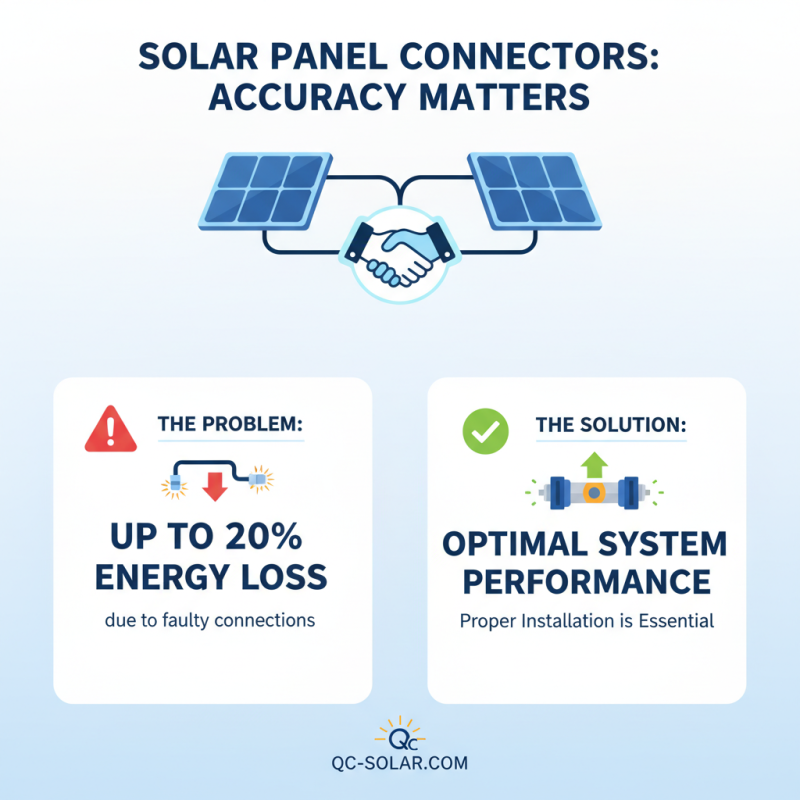
When installing Solar Panel Connectors, accuracy matters. Poor connections can lead to energy losses. Research indicates that faulty connections can reduce system performance by up to 20%. Proper installation is essential.

Tip: Always ensure that connectors fit snugly and securely. Loose connections can increase resistance and lead to heating issues. Check regularly for signs of wear or damage.

During maintenance, keep connectors clean. Dust and debris can hinder performance. Regular inspections every six months are recommended. An industry report shows that up to 15% of energy output can decrease due to dirty connectors.

Tip: Use a non-abrasive cloth for cleaning. Avoid harsh chemicals that can damage the materials. Implementing these simple practices can enhance the longevity and efficiency of your solar energy system. Remember, even minor issues with Solar Panel Connectors can have significant impacts on overall performance. Regular attention can prevent potential failures.

Common Mistakes to Avoid When Choosing PV Panel Connectors

Essential Tips for Choosing the Right Pv Panel Connectors?

Choosing the right connectors for your photovoltaic (PV) panels is critical. Many users overlook the importance of matching the connector type to the panel specifications. A report by the Solar Energy Industries Association indicates that improper connections can reduce efficiency by up to 10%. This not only affects energy output but can lead to performance issues.

Common mistakes occur when users select connectors based solely on price. Cheaper options might result in poor weather resistance or lower durability. Inadequate UV protection can make connectors brittle over time, causing failures. It’s vital to consider the environmental conditions your solar installation will endure. The use of Solar Panel Parallel Connectors is recommended in many applications, yet users often neglect their compatibility with existing systems.

Overly complex installations also pose challenges. Many users try to combine different types of connectors, thinking this will save space or money. However, mismatched connectors can create electrical resistance, generating heat. Heat can damage junction boxes and lead to potential fire hazards. Avoiding these pitfalls is crucial for a safe and efficient solar setup. A little reflection on your choices can yield significant benefits.

FAQS

: What is the main purpose of the product?

: The product aims to enhance user experience in daily tasks. It offers convenience and efficiency.

How should the product be used?

Users should follow the guidelines in the manual. Proper use ensures optimal performance.

What should I do if I encounter issues?

Check the troubleshooting section of the manual. If problems persist, reach out for support.

Can the product be used by anyone?

Generally, yes. However, certain features may require specific skills or knowledge.

Are there any common mistakes users make?

Many forget to update the software. Some do not read the instructions carefully.

How does this product compare to others?

While it has impressive features, personal preferences vary. Some users may find it lacking.

Is there a return policy in place?

Typically, there is a return policy. Check the terms for time limits and conditions.

How often should I maintain the product?

Regular maintenance is crucial. Schedule checks based on usage frequency to ensure longevity.

What are potential drawbacks of the product?

Users may experience a learning curve. Certain functions might feel overwhelming initially.

Can the product be upgraded?

Upgrades are often possible. Review the manufacturer's recommendations for details on improving functionality.

Conclusion

Choosing the right PV panel connectors is crucial for ensuring the efficiency and longevity of solar power systems. This article emphasizes the importance of understanding various types of PV panel connectors and their specific applications within solar setups. Key factors to consider include electrical ratings, which determine the performance under different conditions, and environmental resistance, which affects durability against elements like moisture and UV exposure.

Additionally, the article provides installation and maintenance tips to enhance the connector lifespan while highlighting common mistakes to avoid during selection. By carefully evaluating these aspects, users can ensure optimal compatibility and performance of their solar energy systems, ultimately contributing to a more reliable and efficient renewable energy solution.

Logan

Logan

Logan is a dedicated marketing professional at Suzhou KuaiKe Electronics Photovoltaic Co., Ltd., where he excels in promoting the company's innovative solar energy solutions. With a deep understanding of the photovoltaic industry, Logan utilizes his expertise to effectively communicate the unique......
Previous The Ultimate Guide to Choosing the Best Mc4 Cable for Your Solar Projects