Leave Your Message

0%

In today’s fast-changing world of renewable energy, those industrial Pv Connectors are pretty darn important when it comes to making solar systems work their best. Choosing the right ones and taking good care of them can really boost performance. Companies like Amphenol and TE Connectivity have put a lot of effort into perfecting these components, making sure they’re tough and reliable no matter what kind of industrial setting they’re used in.

That said, a lot of industries tend to overlook some common pitfalls. For example, if they don’t install the connectors properly, it can cause all sorts of connectivity issues down the line. Regular inspections are a good idea—catching wear and tear early on can save a lot of trouble later. And when it comes to using Solar Connectors Photovoltaic Connectors, understanding their specs is just as important as actually installing them. It’s all about making sure energy flows smoothly.

Getting a good grip on both the technical details and real-world experience can really make a difference in how well your system performs. But honestly, there’s often a gap between knowing what to do and actually doing it, especially in bigger companies. Taking a moment to reflect on past projects and what worked—or didn’t—can give valuable lessons. By focusing more on understanding and properly managing Industrial PV Connectors, industries can set themselves up for a more sustainable, energy-efficient future.
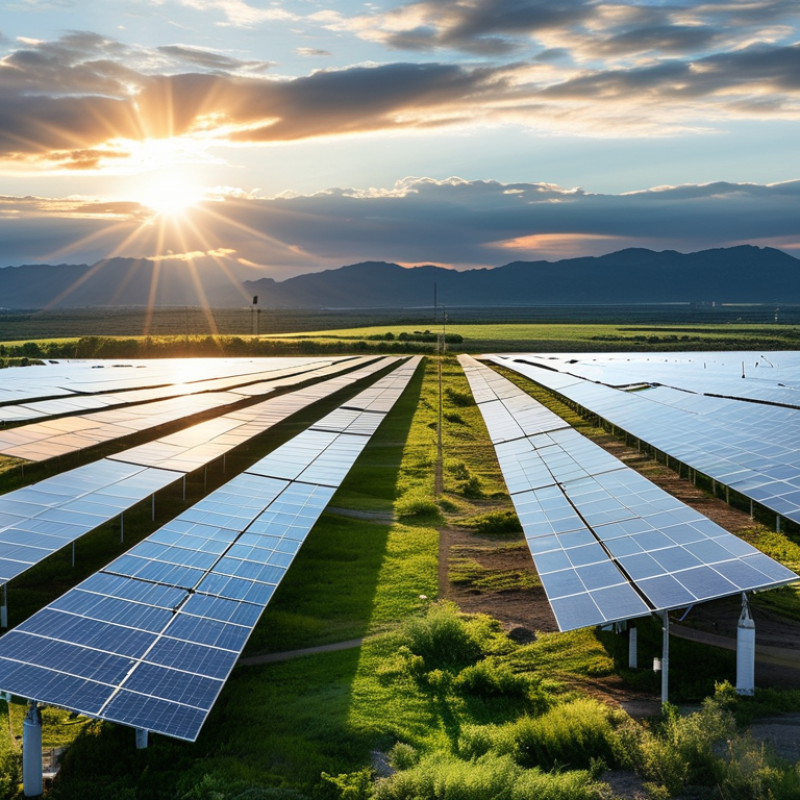
Top Industrial PV Connectors Tips for Optimal Performance?

Understanding Industrial PV Connectors and Their Importance

Industrial PV connectors play a crucial role in renewable energy systems. They ensure efficient power transmission from solar panels to Inverters and other components. The choice ofPv Panel Connectors can significantly impact overall system performance. High-quality connectors minimize energy losses and enhance the reliability of solar installations.

Understanding the specifications of PV panel connectors is essential. Different connectors offer varying degrees of durability and resistance to environmental factors. Some connectors are designed for extreme weather conditions, prolonging their lifespan and reducing maintenance needs. However, not all connectors will perform well in every environment. It's vital to assess your specific requirements carefully.

Installation plays a vital role in the performance of PV connectors. Improper connections can lead to performance issues and safety risks. Regular inspections can help identify any wear and tear that may affect function. While many assume that all connectors are the same, the differences can be significant. Always consider compatibility and quality before making a decision. The effectiveness of your solar energy system often hinges on these small yet critical components.

Key Factors Influencing the Performance of PV Connectors

In the world of photovoltaic (PV) installations, connectors play a crucial role in system efficiency. The performance of PV connectors is influenced by several key factors. The quality of materials used in connectors directly impacts their ability to withstand environmental stress. High-quality connectors resist UV degradation, corrosion, and temperature extremes. This enhances the longevity of the system.

Installation practices determine how well connectors perform. If not properly secured, connectors may loosen over time. This leads to increased resistance and potential energy loss. Inspecting connections regularly can prevent such issues. One often overlooked aspect is the cleanliness of connectors. Dirt or moisture can create resistance that hinders electrical flow. Addressing these details becomes critical, yet often gets neglected.

It’s also essential to consider the compatibility of connectors with various solar panel systems. Misalignment in specifications can result in poor connections. Regular training for installation technicians can help in avoiding these pitfalls. However, even carefully chosen connectors can fail if maintenance isn’t prioritized. Each of these factors shows that even small oversights can significantly affect performance.

Best Practices for Selecting Industrial PV Connectors

When selecting industrial PV connectors, it’s essential to know the factors that affect performance. Choose connectors that can withstand harsh environmental conditions. Look for high IP ratings to ensure protection from dust and moisture. Connectors should also have robust materials that resist UV light and temperature extremes.


Testing consistency is crucial. Some connectors may perform well in ideal conditions but falter under stress. Perform regular inspections and maintenance to spot any wear or damage early. With Solar Cable Connectors, ensure proper crimping techniques are applied. Poor connections can lead to energy loss or system failure.


A common pitfall is overlooking compatibility with other PV components. Mismatched connectors can lead to inefficiencies and safety issues. Consider the electrical specifications of your system carefully. Consulting with professionals can help clarify what best suits your needs. Always prioritize reliability and performance to avoid unnecessary disruptions.

Proper Installation Techniques for Optimal Connector Performance

Proper installation techniques are crucial for optimal performance of industrial PV connectors. Each connection point in a photovoltaic system can significantly impact energy efficiency. According to recent studies, improper connections can cause power loss of up to 5% in solar installations. Ensuring that connectors are correctly seated and securely fastened can minimize risks.

During installation, checking environmental factors is essential. High temperatures can lead to connector degradation. For instance, connectors exposed to excessive heat may experience thermal expansion, leading to loose connections over time. Regular inspections are vital and should be conducted at least biannually. Durability under harsh conditions is imperative for solar systems, yet many overlook these factors.

Effective torque specifications are another critical aspect. Research indicates that incorrect torque can lead to connection failures. Over-torquing may cause mechanical stress. Under-torquing could allow for micro-movements, which increase contact resistance. Striking the right balance is necessary for long-term reliability. Additionally, using proper tools ensures each connector is installed following industry best practices, thus optimizing overall system performance.

Regular Maintenance Tips for PV Connectors in Industrial Settings

Regular maintenance of photovoltaic (PV) connectors in industrial settings is crucial for ensuring optimal performance. Without regular checks, connections can weaken over time. Corrosion can occur in harsh environments, impacting electrical flow. Therefore, be proactive in maintenance.

Inspect connectors regularly for signs of wear or damage. This includes checking for dirt or debris that can lead to resistance. Clean connections with a suitable solution to ensure conductivity. Using a multimeter, test the resistance and voltage at various points. This can reveal potential issues before they escalate.

Another important aspect is tightening loose connections. Vibration from industrial equipment can loosen fittings over time. Ensure connectors are secure but avoid over-tightening, which can cause damage. Keep a maintenance log for tracking inspections and any needed repairs. Staying organized helps in identifying patterns that may indicate deeper problems. Always prioritize safety when working with electrical components.

Common Issues and Troubleshooting for Industrial PV Connectors

Industrial PV connectors play a crucial role in ensuring the efficiency of solar power systems. However, they often encounter various issues that can hinder performance. A common problem is poor connections due to corrosion or dirt accumulation. When connectors are not clean, the resistance increases, leading to power loss. Checking the integrity of Solar Panel Wires And Connectors regularly can prevent this. Regular inspection, cleaning, and maintenance are key to mitigating these issues.

Another frequent issue is the mismatch of specifications. Not all connectors are created equal. Choosing connectors that are incompatible with your system can lead to overheating or failure. It's vital to know the requirements of your solar setup. Sometimes, using connectors that are of lower quality may seem cost-effective but can result in serious long-term problems. Ensure that every component, including Solar Panel Wires And Connectors, matches the system's specifications.

Lastly, environmental factors can affect connectors. UV exposure, extreme temperatures, and moisture can degrade materials over time. This degradation may lead to increased resistance and eventual failure. Regular assessments of the connectors in harsh environments can help identify wear and tear. Being proactive in addressing these challenges will optimize the performance of your solar power system.

Future Trends in Industrial PV Connector Technology

The future of industrial PV connector technology is evolving rapidly. Innovations focus on improving efficiency and durability. As the demand for renewable energy grows, so does the need for reliable connectors like Mc4 Electrical Connectors. These components must withstand harsh environments while maintaining optimal performance.

Emerging trends include enhanced materials that provide better resistance to UV radiation and extreme temperatures. Manufacturers are exploring the use of advanced polymers and composites. This enhances connector longevity and reduces maintenance costs. Smart technology is also making its way into connector systems, enabling real-time monitoring of performance.

However, not all advancements come without challenges. Many manufacturers still face issues with compatibility and standardization. The market is flooded with various designs, and this can overwhelm consumers. Therefore, it’s essential to ensure that optimal performance is the priority when choosing connectors. Decision-makers must remain informed about the latest trends to navigate this complex landscape successfully.

FAQS

: What are industrial PV connectors?

: Industrial PV connectors are essential for transferring power from solar panels to inverters efficiently.

Why is the choice of PV connectors important?

The right connectors minimize energy losses, enhancing the overall performance of solar installations.

How do environmental factors affect PV connectors?

UV exposure, moisture, and extreme temperatures can degrade connectors, increasing resistance and possibly causing failure.

What can cause poor connections in PV connectors?

Corrosion or dirt accumulation can lead to increased resistance and power loss in the connectors.

How often should PV connectors be inspected?

Regular inspections can help identify wear and tear, ensuring optimal performance and safety.

What happens if connectors are incompatible?

Using incompatible connectors can result in overheating and potential system failures, impacting solar performance.

Are all PV connectors the same?

No, different connectors have varying specifications and durability levels suited to specific conditions.

Can lower-quality connectors save money initially?

While they may seem cost-effective, lower-quality connectors can cause serious long-term problems.

How can one mitigate issues with PV connectors?

Regular cleaning and maintenance, along with using compatible, high-quality connectors, can prevent performance issues.

Is installation important for PV connector performance?

Yes, improper installation can lead to significant performance issues and safety risks in solar systems.

Conclusion

Industrial PV connectors play a crucial role in the efficiency and reliability of photovoltaic systems used in industrial settings. Understanding their importance involves recognizing how these connectors facilitate optimal energy transfer and system uptime. Key performance factors include environmental resilience, electrical conductivity, and mechanical durability.

When selecting industrial PV connectors, it is essential to consider these factors alongside specific application requirements. Proper installation techniques are vital for ensuring that connectors perform at their best, while regular maintenance helps mitigate common issues that can arise over time. Additionally, staying informed about future trends in industrial PV connector technology can help stakeholders adapt to evolving industry needs and enhance overall system performance.

Ethan

Ethan

Ethan is a dedicated marketing professional at Suzhou Kuaike Electronics Photovoltaic Co., Ltd., where he plays a crucial role in promoting the company’s innovative solar energy products. With a deep understanding of the photovoltaic industry and its technologies, Ethan excels in conveying the......
Previous Top Charger Cable Harness Manufacturers You Need to Know?
