As the solar industry keeps evolving, it’s pretty clear that efficient energy management is more important than ever. By 2025, if you're involved in solar energy, understanding what a PV combiner box does is just a must. I mean, according to Dr. Emily Chen, who’s kind of a big deal in photovoltaic systems, “The PV combiner box is a key piece that really boosts the performance and reliability of solar setups.” So, that kinda shows you how crucial it is to get these boxes right when designing your solar system — it’s all about maximizing energy output and making sure your system lasts long-term.
At Qc Solar, we live by the motto “Quick, Professional, Customer Delight,” and we’re super committed to pushing forward smarter solar solutions that support a sustainable future. As we take a look at the top 10 PV combiner boxes for 2025, our guide is here to help everyone—whether you're a professional or just starting out—make smarter choices. With the right gear, we’re all playing a part in creating a greener world. It’s all about doing our bit and staying committed to solar storage and sustainability on a global scale.

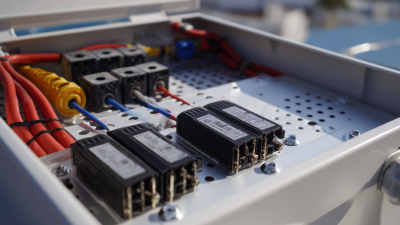
PV combiner boxes play a critical role in solar energy systems, serving as the central point where multiple strings of solar panels converge. By consolidating the electrical output from various panels, these boxes facilitate a more streamlined and efficient management of energy production. This integration not only simplifies the wiring process but also reduces the risk of electrical loss, ensuring that a maximum amount of solar energy is harnessed for conversion into usable electricity.
Moreover, PV combiner boxes enhance the safety and reliability of solar installations. They incorporate essential components such as fuses and circuit breakers, which protect the system from overloads and faults. This protective functionality minimizes the likelihood of equipment damage and reduces maintenance costs over time. As the adoption of solar energy continues to rise globally, understanding the significance of PV combiner boxes becomes imperative for both homeowners and installers, ultimately contributing to the overall efficiency and longevity of solar energy systems.
When selecting a PV combiner box, several key features should be considered to ensure optimal performance and longevity. First, the design and build quality of the box are crucial. Look for materials that are weather-resistant and durable, such as those constructed from high-grade plastics or metals that can withstand harsh environmental conditions. Additionally, proper sealing and ventilation help prevent moisture ingress, which can lead to corrosion and component failure over time.
Another important aspect is the amperage rating and compatibility with your solar panels. Ensure that the combiner box can handle the maximum output of your solar array, which typically involves checking the total current from all connected strings. Integration with other system components, such as circuit breakers and fuses, is also essential for safety and efficiency. Furthermore, consider the ease of installation and maintenance; features like clear labeling and accessible terminals can simplify the process for both installation technicians and end-users. Ultimately, investing time in evaluating these features will result in a more efficient and reliable solar energy system.
| Model | Input Channels | Max Voltage (V) | Max Current (A) | Ingress Protection | Weight (kg) | Dimensions (mm) | Key Features |
|---|---|---|---|---|---|---|---|
| Model A | 6 | 1500 | 40 | IP65 | 8 | 400 x 300 x 150 | Integrated surge protection, compact design |
| Model B | 10 | 1000 | 60 | IP67 | 9.5 | 450 x 350 x 160 | High efficiency, easy installation |
| Model C | 4 | 1200 | 30 | IP65 | 7 | 350 x 250 x 140 | Robust construction, weather-resistant |
| Model D | 8 | 1500 | 50 | IP66 | 10 | 500 x 320 x 150 | Multiple safety certifications, durable materials |
| Model E | 5 | 600 | 20 | IP65 | 6.5 | 300 x 200 x 120 | Lightweight, eco-friendly materials |
When selecting a PV combiner box, understanding the performance of various models is crucial for optimizing solar energy systems. The comparative analysis of the top 10 PV combiner boxes in 2025 reveals significant differences in efficiency, durability, and user-friendliness. Each model's ability to efficiently manage multiple string inputs while minimizing energy loss plays a vital role in overall system performance. For instance, boxes equipped with advanced bypass diode technology facilitate higher energy extraction during partial shading scenarios, thereby enhancing their operational efficiency.
Moreover, the construction quality and environmental durability of these combiner boxes significantly affect their long-term reliability. Comparing materials used, such as UV-resistant plastics and corrosion-resistant metals, helps identify models that can withstand harsh conditions without compromising performance. Additionally, the ease of installation and maintenance features are key considerations; some models offer modular designs that allow for straightforward upgrades or repairs. This analysis not only serves as a guide for selecting the best PV combiner box but also highlights the importance of aligning product features with specific solar project requirements.
The rapidly evolving solar energy sector is witnessing remarkable advancements in photovoltaic (PV) combiner box technology, which is pivotal for enhancing the efficiency and reliability of solar power systems. One of the key trends is the integration of smart technology into combiner boxes. This includes advanced monitoring systems that allow real-time performance tracking and diagnostics. By utilizing IoT (Internet of Things) capabilities, these smart combiner boxes can provide detailed insights into energy production, enabling users to troubleshoot issues promptly and optimize their system performance.
Another significant advancement is the focus on improving safety and durability. Modern PV combiner boxes are designed with enhanced materials and protective features to withstand harsh environmental conditions. Innovations like better sealing techniques and improved thermal management are critical in preventing moisture ingress and overheating, which can lead to system failures. Additionally, manufacturers are now emphasizing compliance with stricter standards and certifications to ensure that the boxes are not only efficient but also safe for long-term use. This focus on reliability and safety is essential for boosting consumer confidence and fostering growth in the solar market.
Choosing the right PV combiner box is essential for optimizing the performance of your solar system. A PV combiner box plays a critical role in channeling the direct current (DC) generated by multiple solar panels into a single output that can be converted to alternating current (AC) by the Inverter. According to a report by the Solar Energy Industries Association (SEIA), proper system design, including the selection of an efficient combiner box, can improve overall energy yield by up to 10%.
When selecting a PV combiner box, consider factors such as voltage rating, surge protection, and the ability to handle the anticipated total current from your solar array. The National Renewable Energy Laboratory (NREL) highlights that a well-designed combiner box not only protects the electrical connections but also minimizes losses that can occur from poor connectivity. Moreover, using high-quality materials can significantly enhance the system’s reliability, further boosting performance and longevity. By integrating suitable combiner boxes, solar system owners can ensure optimal energy harvesting while maintaining safety and compliance with industry standards.
When considering the installation of photovoltaic (PV) systems, the selection of PV combiner boxes plays a crucial role in optimizing cost-effectiveness and ensuring a favorable return on investment (ROI). These boxes collect and streamline the flow of electricity from multiple solar panels, protecting the system from damage and minimizing energy losses. By choosing high-quality combiner boxes, users can reduce maintenance costs over the system's lifespan, thereby enhancing overall ROI.
Moreover, investing in efficient PV combiner boxes can significantly improve energy yield, making them a vital component of any solar setup. Advanced designs often incorporate features that enhance performance and reliability, such as surge protection and monitoring capabilities. These enhancements not only safeguard the system but also ensure that homeowners and businesses maximize their energy production, leading to quicker payback periods. Ultimately, the right combiner box can mean the difference in turning a good solar investment into a great one, aligning with long-term financial and sustainability goals.
: A high-quality PV combiner box should be constructed from weather-resistant and durable materials, such as high-grade plastics or metals, that can withstand harsh environmental conditions.
Proper sealing and ventilation in a PV combiner box help prevent moisture ingress, which can lead to corrosion and component failure over time.
To ensure compatibility, check the amperage rating of the combiner box and ensure it can handle the maximum output of your solar array, including the total current from all connected strings.
The design, including features like clear labeling and accessible terminals, makes installation and maintenance easier, contributing to the overall efficiency and reliability of the solar energy system.
Selecting an efficient combiner box can improve overall energy yield by up to 10% by channeling the direct current generated by multiple solar panels into a single output effectively.
Incorporating advanced bypass diode technology can facilitate higher energy extraction during partial shading scenarios, thereby enhancing the operational efficiency of the combiner box.
The construction quality and environmental durability, such as the use of UV-resistant plastics and corrosion-resistant metals, significantly affect the long-term reliability of the combiner box.
Look for features like modular designs, clear labeling, and accessible terminals, which can make installation and maintenance straightforward.
A well-designed combiner box protects electrical connections by minimizing losses that can occur from poor connectivity and ensuring proper voltage ratings and surge protection.
Using high-quality, compliant combiner boxes ensures optimal energy harvesting while maintaining safety and compliance with industry standards, reducing the risk of electrical failures.
In the ever-evolving landscape of solar energy systems, the role of the PV combiner box has become increasingly vital. These devices aggregate the outputs of multiple solar panels, ensuring efficient energy management and improving overall system reliability. When selecting a PV combiner box, key features such as build quality, voltage rating, and integrated protection mechanisms should be carefully considered to maximize efficiency and longevity.
Our comparative analysis of the top 10 PV combiner boxes highlights the latest advancements in technology, showcasing innovations that enhance performance and cost-effectiveness. Investing in the right PV combiner box not only optimizes your solar system but also offers substantial returns on investment, paving the way for sustainable energy solutions. At QC Solar, we are dedicated to advancing solar storage connections, aligning with our commitment to customer satisfaction and the sustainable development of the solar industry.