Leave Your Message
0%

These days, as solar energy keeps gaining popularity, making sure these solar setups are safe is more important than ever. You’ve probably heard of "Rapid Shutdown" — it’s become a pretty big deal in the solar world. Basically, it’s all about reducing the risks of electrical accidents, especially when things go wrong or in emergency situations. Like Dr. Emily Taylor from SolarGuard Technologies points out, “Setting up good Rapid Shutdown systems isn’t just about ticking boxes for regulations; it’s about genuinely caring for the safety of our communities.”

As the solar industry keeps moving forward, it’s super important for installers, engineers, and decision-makers to stay in the loop with the latest in Rapid Shutdown tech. In this article, we’ll take a look at the top five Rapid Shutdown systems coming in 2025 — highlighting the key safety features that protect both people and property. By jumping on these innovations, we can make solar installations safer, better for the environment, and give everyone a little peace of mind knowing they’re protected.
2025 Top 5 Rapid Shutdown Systems: Essential Safety Features for Solar Installations

Key Safety Regulations Driving Rapid Shutdown System Development

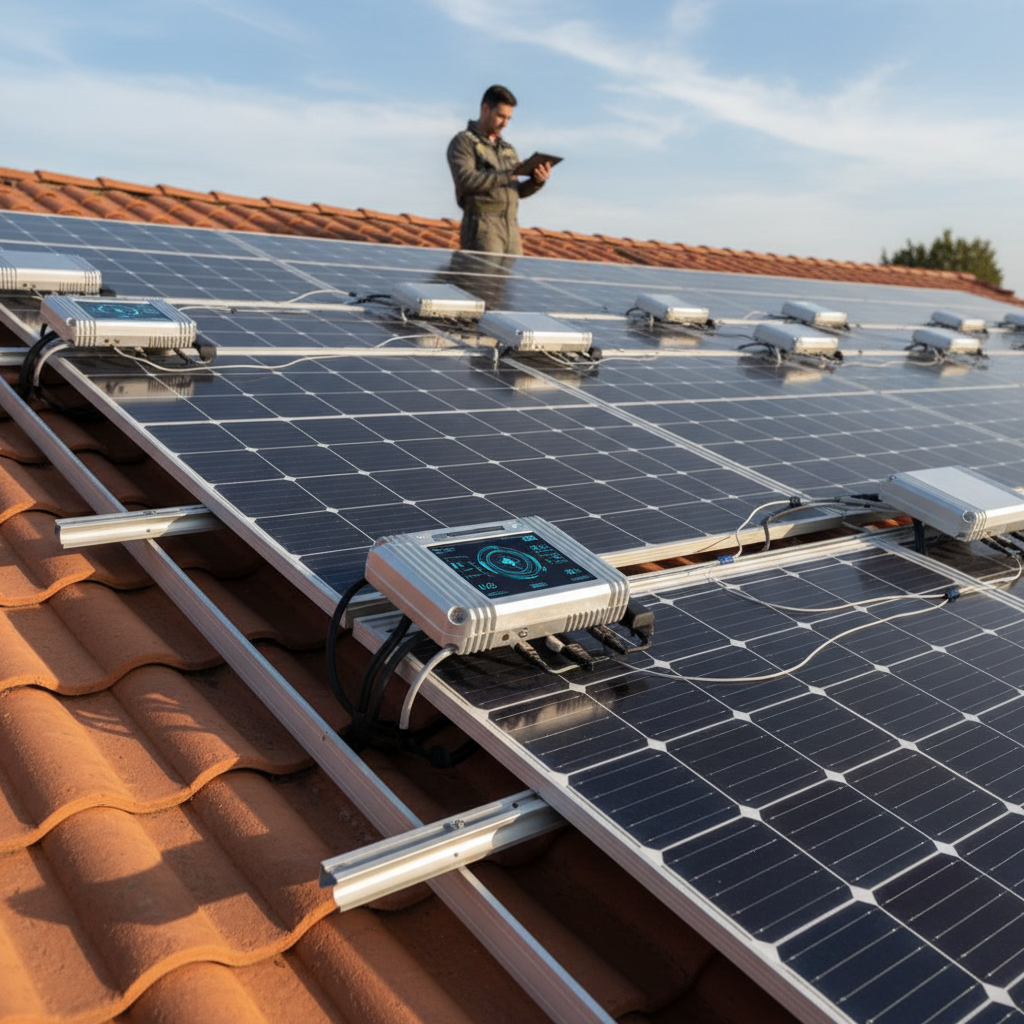
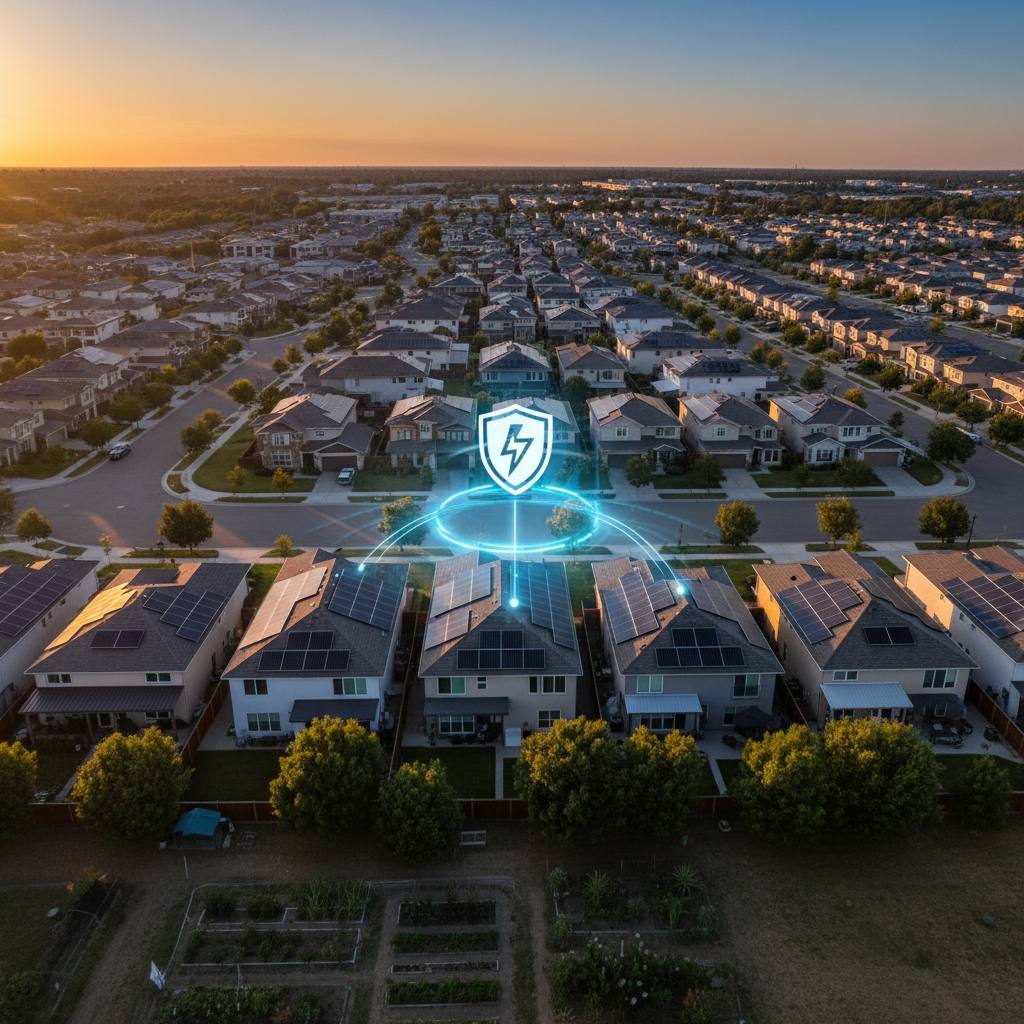
The development of rapid shutdown systems is increasingly driven by stringent safety regulations aimed at enhancing the safety of solar installations. With the integration of photovoltaic systems into urban environments, the need for effective rapid shutdown mechanisms has become paramount. These systems are designed to quickly de-energize solar panels in emergency situations, ensuring that first responders can safely access buildings without the risk of electric shock. Regulations such as NEC 690.12 have laid the groundwork for manufacturers to innovate and develop safer solutions in this crucial area.

At Qc Solar, our commitment to quick and professional service aligns with the growing emphasis on safety in the solar industry. By focusing on the development of advanced rapid shutdown systems, we aim to meet compliance requirements while enhancing the overall safety of solar installations. Our dedication to customer delight ensures that we not only adhere to regulations but also prioritize the specific needs of our clients. As we strive to establish ourselves as a global leader in solar storage connections, QC Solar remains dedicated to contributing to the sustainable growth and safety of the solar industry.

2025 Top 5 Rapid Shutdown Systems: Essential Safety Features for Solar Installations

Feature Description Compliance Standards Response Time Integration Capability
Automatic Shutdown Initiates system shutdown during emergency situations UL 1741, NEC 690.12 Compatible with multiple Inverter brands
Manual Override Allows operators to manually shut down the system NEC 690.12, ISO 12100 Integrates with user interfaces
Remote Monitoring Real-time system status monitoring IEC 61730, NEC 690.12 Supports IoT integration
User Alerts Notifies users of system status changes UL 1998 Immediate Compatible with mobile apps
Fail-Safe Design Ensures system fails to safe state automatically IEC 61508 Works with existing safety systems

Innovative Technologies in Rapid Shutdown Systems for Solar Safety

2025 Top 5 Rapid Shutdown Systems: Essential Safety Features for Solar Installations

Rapid shutdown systems have become a cornerstone in ensuring the safety of solar installations. As solar technology advances, innovative solutions are being developed to enhance the effectiveness of these systems. One notable advancement is the integration of smart monitoring features, which allow for real-time assessment of solar panel performance. This capability not only facilitates immediate response in emergencies but also enables proactive maintenance, reducing system downtime and ensuring consistent performance.

Tips for implementing rapid shutdown systems include ensuring compatibility with existing solar equipment and focusing on systems that provide clear visual indicators of their operational status. Upgrading to systems that feature automatic fault detection can greatly minimize risks by providing instant notifications of potential hazards.

Another innovative technology is the utilization of wireless communication, allowing for seamless integration with building management systems. This enhances response times during shutdown scenarios and can lead to quicker recovery operations. For installers, it's critical to prioritize systems that are user-friendly and can be easily configured to meet the specific needs of different installations. Taking these steps will not only comply with safety regulations but also provide peace of mind to users and stakeholders involved in solar energy production.

Top 5 Rapid Shutdown Systems: Comparative Analysis of Features

When it comes to solar installations, the safety of the system is paramount. Rapid shutdown systems play a critical role in ensuring that the solar energy system can be quickly deactivated in emergency situations. The top five rapid shutdown systems provide varying features that cater to specific needs and applications. Key aspects to consider include response time, compatibility with existing systems, and ease of installation. Systems like SolarEdge and Enphase not only meet safety standards but also enhance overall energy management capabilities.

Tips: When evaluating rapid shutdown systems, ensure to assess how well they integrate with your existing solar inverter. Compatibility can greatly affect performance and installation ease. Additionally, check if the system offers real-time monitoring features to enhance safety.

Another important feature to consider is maintenance. Some systems may require more regular checks and updates, while others are designed for long-term operation with minimal supervision. Understanding the long-term operational needs can save both time and expense in the long run. Always consult manufacturers’ documentation for the latest safety certifications and installation guidelines to keep your solar installation compliant and secure.

2025 Top 5 Rapid Shutdown Systems: Safety Features Comparison

Installation Best Practices for Maximizing Rapid Shutdown System Efficiency

When installing solar systems, ensuring the efficiency of rapid shutdown systems is paramount for both safety and compliance. Following best practices during installation can significantly enhance the operational reliability of these systems. Proper placement of disconnect switches, maintaining clear access pathways, and ensuring signage is visible are crucial steps in maximizing system efficiency. Additionally, engaging trained professionals who understand the specific requirements and codes can prevent potential safety hazards that arise from improper installation.

At QC Solar, we adhere to the philosophy of “Quick, Professional, Customer Delight” and strive to integrate these best practices into our operations. By prioritizing quality installation processes, we not only enhance the safety features of our solar installations but also contribute positively to the sustainable development of the solar industry. Our commitment to delivering top-tier solar storage connection solutions positions us as a future global brand, ensuring that our customers can rely on efficient and safe energy systems.

Future Trends in Rapid Shutdown Systems and Solar Safety Enhancements

2025 Top 5 Rapid Shutdown Systems: Essential Safety Features for Solar Installations

The 2025 trends in rapid shutdown systems for solar installations emphasize the critical need for enhanced safety and efficiency in energy solutions. As the pressure to accelerate the adoption of renewable energy grows, innovative technologies, including intelligent rapid shutdown mechanisms, will play a vital role in ensuring safe operations. Huawei Digital Energy’s recent conference highlighted the integration of AI and advanced control systems as pivotal in creating a "safer and smarter" energy landscape, which directly aligns with the demand for sustainable energy solutions worldwide.

In this evolving marketplace, companies like QC Solar are dedicated to implementing cutting-edge technologies that not only adhere to safety regulations but also improve energy efficiency. By focusing on rapid shutdown systems and other safety features, QC Solar is committed to fostering a safer solar energy infrastructure. The emphasis on intelligent computing and green energy transitions reflects the industry's collective mission to respond effectively to rising energy demands while championing sustainability. As these trends advance, the solar industry is poised to become a predominant force in the global energy landscape.

FAQS

: What are rapid shutdown systems designed to do?

: Rapid shutdown systems are designed to quickly de-energize solar panels in emergency situations, allowing first responders to safely access buildings without the risk of electric shock.

What regulations are influencing the development of rapid shutdown systems?

Stringent safety regulations, such as NEC 690.12, are influencing the development of rapid shutdown systems by requiring manufacturers to innovate and create safer solutions for solar installations.

Why is installation best practice important for rapid shutdown systems?

Installation best practices are important because they significantly enhance the operational reliability and efficiency of rapid shutdown systems, ensuring both safety and compliance.

What are some key best practices for installing rapid shutdown systems?

Key best practices include proper placement of disconnect switches, maintaining clear access pathways, and ensuring that signage is visible to enhance system efficiency.

How does QC Solar prioritize customer satisfaction?

QC Solar prioritizes customer satisfaction by focusing on "Quick, Professional, Customer Delight," ensuring that they meet compliance requirements while addressing the specific needs of their clients.

What is QC Solar’s commitment regarding the safety of solar installations?

QC Solar is committed to enhancing the safety of solar installations through advanced rapid shutdown systems and adhering to industry regulations.

Who should handle the installation of rapid shutdown systems?

Installation of rapid shutdown systems should be handled by trained professionals who understand the specific requirements and codes to prevent potential safety hazards.

How does QC Solar contribute to the sustainable growth of the solar industry?

QC Solar contributes to sustainable growth by prioritizing quality installation processes and developing top-tier solar storage connection solutions.

What is the significance of clear access pathways during installation?

Clear access pathways are significant because they allow for safe and quick access by first responders in emergency situations, ensuring the effectiveness of rapid shutdown systems.

What role does signage play in the efficiency of rapid shutdown systems?

Signage plays a critical role in ensuring that critical information is visible, which aids in the quick identification and operation of shutdown mechanisms during emergencies.

Conclusion

The article "2025 Top 5 Rapid Shutdown Systems: Essential Safety Features for Solar Installations" explores critical advancements in solar technology aimed at enhancing safety through efficient Rapid Shutdown systems. It begins by highlighting key safety regulations that are stimulating the development of these systems, followed by an examination of innovative technologies that bolster their effectiveness. A comparative analysis of the top Rapid Shutdown systems reveals their unique features, guiding installers in making informed choices that maximize system efficiency. Additionally, best practices for installation are discussed to ensure optimal functionality while looking ahead to future trends that promise further enhancements in solar safety.

As QC Solar embraces the philosophy of “Quick, Professional, Customer delight,” our commitment to innovation in Rapid Shutdown systems aligns with our goal of contributing to the sustainable development of the solar industry. By prioritizing safety and efficiency, we aim to establish ourselves as a global leader in solar storage solutions, ultimately enhancing the reliability and security of solar installations.

Logan

Logan

Logan is a dedicated marketing professional at Suzhou KuaiKe Electronics Photovoltaic Co., Ltd., where he excels in promoting the company's innovative solar energy solutions. With a deep understanding of the photovoltaic industry, Logan utilizes his expertise to effectively communicate the unique......
Previous The Ultimate Guide to Choosing the Best Mc4 Cable for Your Solar Projects