Leave Your Message

0%

In the fast-changing world of solar energy, safety should always be a top priority. Experts agree that these systems need to be both reliable and secure. Dr. Emily Carter from SolarTech Innovations puts it simply: “Rapid Shutdown is a total game-changer when it comes to keeping solar systems safe.” Basically, this feature lets you shut down your panels quickly in case of an emergency, helping to cut down potential risks.

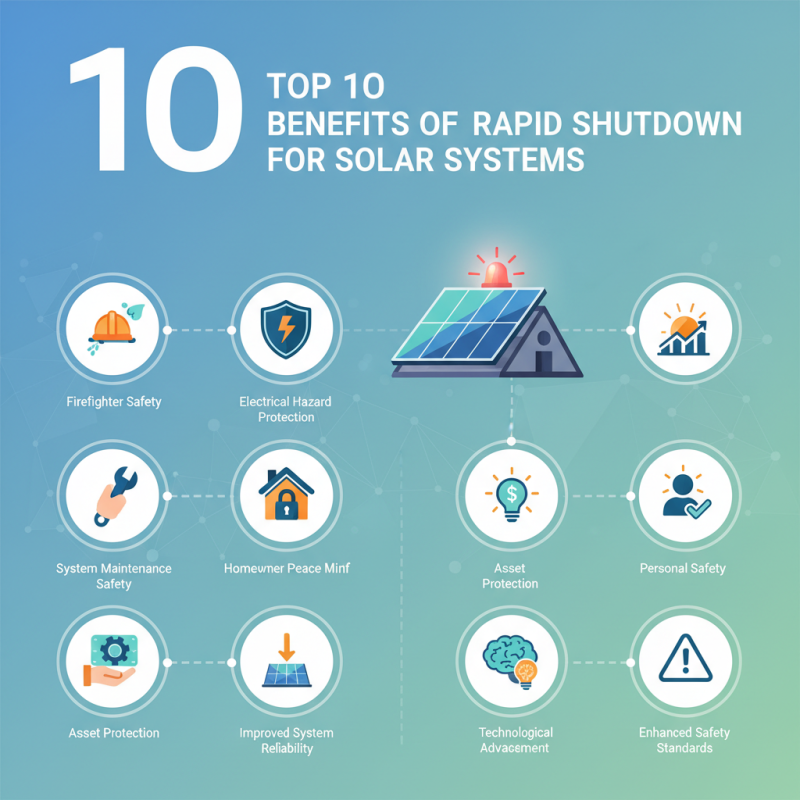
Having Rapid Shutdown in place not only protects people and property but also makes life a lot easier for everyone involved. For example, firefighters can do their job without worrying about electrical hazards getting in the way. Plus, for homeowners, it offers peace of mind—knowing that there's a quick way to turn things off if needed. That said, there are some hurdles too, especially when it comes to adding this tech to older solar setups. Sometimes, retrofitting these systems can get pretty expensive.

While Rapid Shutdown offers big advantages, it’s not perfect. Understanding its limitations helps both manufacturers and users make smarter choices. Working towards better solutions will certainly lead to safer systems down the line. As the industry keeps evolving, it’s clear that features like Rapid Shutdown really can’t be overlooked.
Top 10 Benefits of Rapid Shutdown for Solar Systems?

Understanding Rapid Shutdown in Solar Systems

Rapid shutdown technology plays a critical role in enhancing safety for solar systems. This approach allows for the quick deactivation of a solar photovoltaic (PV) system during emergencies. For example, a report from the National Renewable Energy Laboratory (NREL) states that rapid shutdown can reduce the risk of electric shock to first responders by up to 80%. This statistic highlights the importance of incorporating such safety measures in residential and commercial installations.

Industry experts emphasize that integrating a Pv Rapid Shutdown Device is essential for compliance with evolving safety codes. The 2020 California Code of Regulations mandates that all new solar installations must include rapid shutdown capabilities. This is a significant step forward in maximizing safety, but some installations still overlook these requirements. This oversight can create potential hazards, which could have been easily minimized with proper technology.

Despite its advantages, challenges remain in the widespread adoption of rapid shutdown technology. Some installers express concerns about the increased complexity and costs of these systems. On the other hand, the long-term benefits, in terms of safety and code compliance, often outweigh these initial hurdles. Investing in a Pv Rapid Shutdown Device not only provides peace of mind but also aligns with a growing commitment to safety in the solar industry.

Safety Enhancements through Rapid Shutdown Technology

Rapid shutdown technology greatly enhances the safety of solar systems. This feature allows immediate power deactivation in emergencies. During a fire or any electrical hazard, traditional solar systems pose risks. However, with rapid shutdown, the risk significantly decreases. Firefighters and rescue teams can work more safely without fearing electrocution.

Furthermore, this safety enhancement matters for homeowners. In case of a malfunction, rapid shutdown protects both property and lives. Quick responses prevent potential accidents and injuries. Although effective, this technology isn't flawless. Some systems may require specific installation methods for optimal performance. Homeowners need to ensure proper setup and maintenance.

Understanding the importance of rapid shutdown is crucial. It reflects a proactive approach to safety in solar energy systems. Users must remain informed about the latest technologies. Embracing these advancements not only enhances safety but also promotes responsible energy use. It is a worthwhile investment for peace of mind in solar energy production.

Regulatory Compliance and Rapid Shutdown Requirements

The push for rapid shutdown capabilities in solar systems is largely driven by regulatory compliance. In many regions, fire safety codes require systems to adhere to rapid shutdown measures. According to the National Fire Protection Association (NFPA), a significant percentage of residential fires involve solar installations. Regulations now often mandate an immediate shutdown of the solar array in emergency situations to protect first responders.

Data from the Solar Energy Industries Association (SEIA) indicates that compliance with rapid shutdown requirements has significantly reduced the risks associated with solar systems. For instance, systems installed after 2016 are more likely to incorporate advanced shutdown technology. This aligns with NEC 2017, which emphasizes safety and efficiency. However, not all installations meet these regulations perfectly. Contractors occasionally overlook the importance of these systems due to cost-saving measures. This can lead to potential hazards, raising questions about the accountability within the industry.

The importance of proper training can't be overlooked. Many installers lack adequate education on regulatory compliance and rapid shutdown systems. A survey revealed that nearly 40% of solar professionals felt unprepared regarding fire safety measures. This gap in knowledge can undermine the effectiveness of regulatory compliance efforts. Training and awareness are crucial to ensure safety standards are met and maintained.

Top 10 Benefits of Rapid Shutdown for Solar Systems

Impact on Maintenance and Service Efficiency

Top 10 Benefits of Rapid Shutdown for Solar Systems?

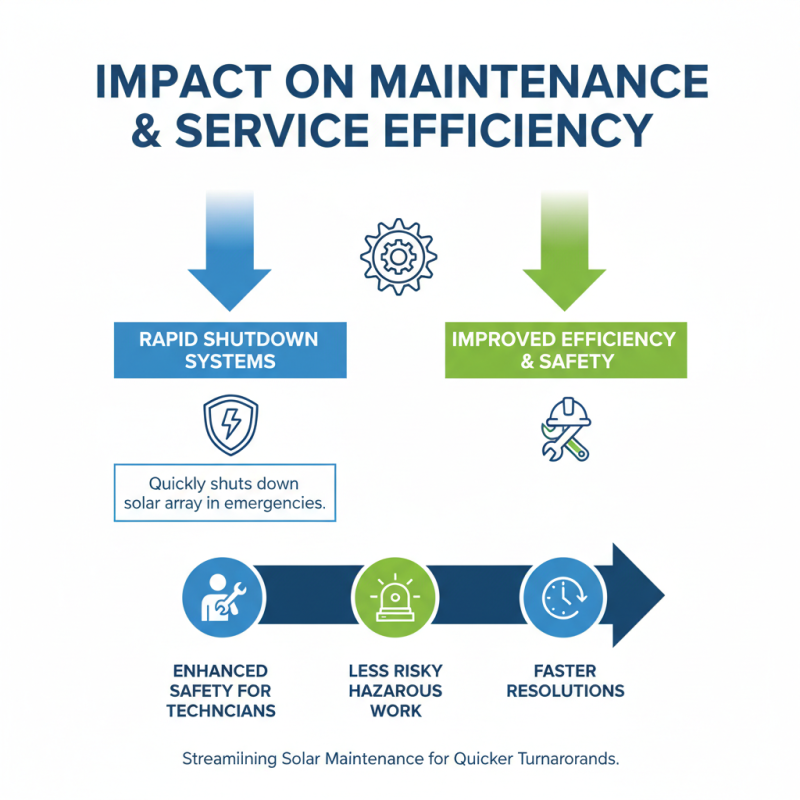
Rapid shutdown systems significantly improve maintenance and service efficiency for solar installations. By quickly shutting down a solar array in emergencies, these systems enhance safety for technicians. Work in hazardous environments becomes less risky, allowing faster resolutions during maintenance.

Regular checks can identify potential issues before they escalate. Consider scheduling routine inspections at least twice a year. Equip your team with proper training on rapid shutdown protocols. This preparation minimizes downtime and ensures operational readiness.

Always document service activities. This practice creates a reliable history of maintenance, helping in audits and future troubleshooting. Sharing this knowledge among staff can streamline efforts. Training sessions can refresh skills and keep everyone updated on best practices in safety.

Cost-Effectiveness of Implementing Rapid Shutdown Systems

The cost-effectiveness of implementing rapid shutdown systems in solar installations cannot be overstated. A recent report from the National Renewable Energy Laboratory indicates that rapid shutdown systems can reduce installation costs by up to 10%. This cost reduction is largely due to streamlined installation processes and reduced compliance time with safety regulations.

Furthermore, rapid shutdown technology enhances safety for first responders. In scenarios involving fires, rapid shutdown systems reduce the risk of electric shock, thus saving lives and property. The risk of costly liabilities due to safety incidents can result in financial losses that outweigh the initial costs of these systems.

However, these systems also require ongoing maintenance and inspections. The initial investment may come with added expenses over time. Some might argue that this can pose a challenge for smaller solar companies. A balance between upfront costs and long-term savings is essential for sustainable growth in the solar industry. Overall, while rapid shutdown systems bring notable benefits, careful financial planning is crucial.

Top 10 Benefits of Rapid Shutdown for Solar Systems

Benefit Description Cost-Effectiveness
Increased Safety Rapid shutdown reduces the risk of electrical hazards during emergencies. Minimizes potential injury costs and liability for installers.
Regulatory Compliance Ensures systems meet local codes and standards for safety. Avoids fines and penalties from non-compliance.
Firefighter Safety Facilitates safe operations for first responders managing solar-related incidents. Reduces training costs for emergency personnel.
Reduced Maintenance Costs Easier maintenance procedures when the system can be quickly shut down. Decreases labor costs associated with lengthy outages.
Enhanced System Performance Improves long-term system reliability and efficiency. Longer system lifespan reduces overall replacement costs.
Increased Property Value Safety features can make properties more appealing to buyers. Higher selling prices can offset initial investment.
Insurance Benefits May lower premiums for properties with rapid shutdown systems installed. Cost savings on insurance can provide ongoing financial relief.
Rapid Response Capability Allows for quicker response times in emergency situations. Potentially lower losses in emergency scenarios.
Easy Integration Compatible with many existing solar technologies. Lower upfront costs due to minimal retrofitting required.
Sustainability Impact Promotes safer solar energy production practices. Encourages broader adoption of renewable technologies.

Improved Energy Management and Performance Monitoring

Rapid shutdown technology offers significant advantages for solar systems. One of the most notable benefits is improved energy management. This technology enables an efficient means to monitor energy generation and consumption in real time. According to the National Renewable Energy Laboratory (NREL), systems with rapid shutdown can achieve a 10-20% increase in overall energy efficiency. This is largely due to optimized output and minimized energy loss during peak production times.

Performance monitoring is another critical area enhanced by rapid shutdown. Advanced monitoring systems can collect data on performance metrics, allowing for proactive maintenance and quick identification of issues. A study conducted by the Solar Energy Industries Association (SEIA) suggests that timely interventions can increase system longevity and reduce downtime by up to 30%. However, still, many users struggle with data interpretation.

Moreover, the technology also empowers users to make informed decisions about energy usage. Insights gained from performance data empower users to adjust consumption patterns. Yet, the complexity of data analytics can be overwhelming for some. As the technology continues to evolve, balancing user-friendliness with advanced capabilities remains a challenge.

User Awareness and Training for Effective Rapid Shutdown Usage

Top 10 Benefits of Rapid Shutdown for Solar Systems?

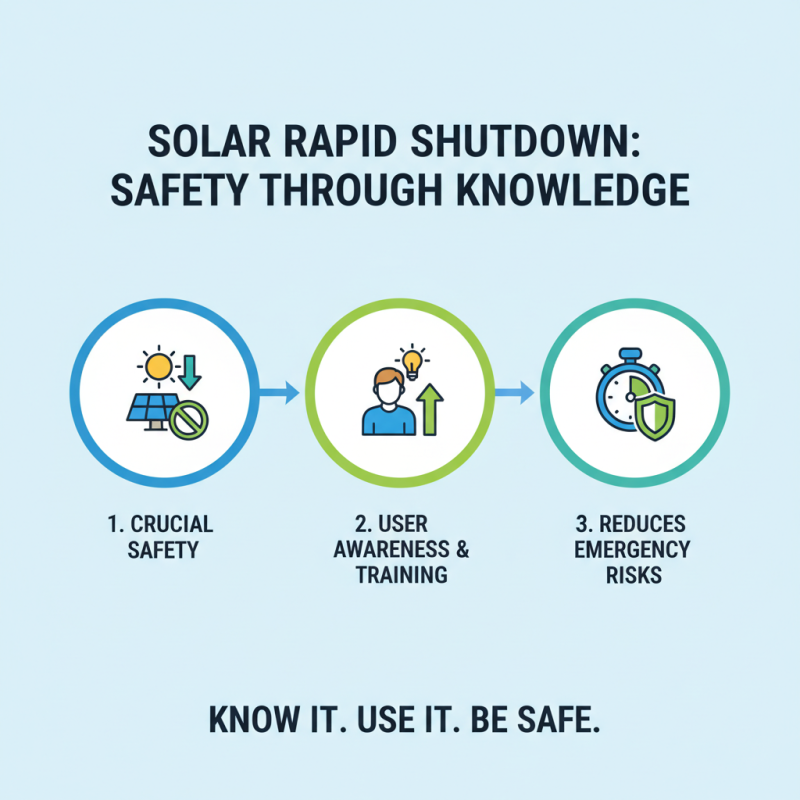
Rapid shutdown for solar systems is crucial for safety. User awareness and training play an essential role in effective implementation. Understanding rapid shutdown procedures can significantly reduce risks during emergencies.

Tips for effective training: Start with basic concepts. Ensure all users know how to access rapid shutdown features. Conduct regular drills to practice these procedures. This reinforces knowledge and builds confidence.

Training should include real-life scenarios. Users must know how to handle unexpected situations. Consider developing a visual guide or checklist. It can help users quickly recall necessary steps. Encourage feedback on the training process, as this can identify areas for improvement.

A proactive approach fosters a culture of safety. Regular updates on best practices keep everyone informed. Share experiences among users to enhance collective knowledge. Remember, the effectiveness of rapid shutdown relies on informed users.

FAQS

: What are rapid shutdown systems in solar installations?

: Rapid shutdown systems allow immediate shutdown of solar arrays in emergencies for safety.

Why are rapid shutdown systems important?

They protect first responders and reduce risks associated with solar installations during emergencies.

How have rapid shutdown systems impacted installation costs?

They can reduce installation costs by up to 10% due to streamlined processes and reduced compliance time.

What benefits do rapid shutdown systems provide for performance monitoring?

They improve energy management and monitor production, leading to increased efficiency and proactive maintenance.

Are all solar installations compliant with rapid shutdown requirements?

No, not all installations meet regulations. Some contractors overlook compliance to save costs.

What challenges do installers face regarding regulatory compliance?

Many installers lack sufficient training, with 40% feeling unprepared about fire safety measures.

Can rapid shutdown systems lead to financial risks?

Yes, while they save lives, maintenance costs can burden smaller companies, impacting financial health.

How can users benefit from performance data?

Data helps users adjust energy consumption patterns and improve overall efficiency, though it may be complex to interpret.

What is a common issue with data from rapid shutdown technology?

Many users struggle with interpreting the performance data, which can hinder effective decision-making.

Why is financial planning essential for solar companies adopting these systems?

Balancing upfront costs with long-term savings is crucial for sustainable growth amid ongoing maintenance expenses.

Conclusion

Rapid Shutdown technology in solar systems represents a significant advancement in enhancing safety and efficiency. This system allows for the immediate shutdown of a solar array in emergencies, reducing risks associated with electrical hazards. Compliance with regulatory requirements is a crucial aspect of implementing Rapid Shutdown, ensuring that installations meet safety standards. Additionally, the technology facilitates improved maintenance and service efficiency, allowing technicians to quickly assess and address issues without prolonged exposure to live circuits.

Moreover, integrating Rapid Shutdown systems can be cost-effective in the long run, as it minimizes potential liabilities and enhances overall energy management. With better performance monitoring capabilities, users can optimize their solar energy production. However, for Rapid Shutdown systems to be most effective, user awareness and training are essential. Proper education on how to utilize these systems ensures that both safety and operational efficiencies are maximized.

Ethan

Ethan

Ethan is a dedicated marketing professional at Suzhou Kuaike Electronics Photovoltaic Co., Ltd., where he plays a crucial role in promoting the company’s innovative solar energy products. With a deep understanding of the photovoltaic industry and its technologies, Ethan excels in conveying the......
Previous 2026 How to Choose the Right PV Combiner Box for Your Needs?