Leave Your Message

0%

As the solar industry keeps evolving, picking the right Connectors for your solar panels has become more important than ever. You’ve probably heard ofMc4 Connectors for Solar Panels — they’re really leading the pack when it comes to reliability and performance. These connectors make transferring energy smooth and efficient, helping your solar system run at its best. Plus, they’re built tough enough to handle rough weather conditions, so they’ll stick around for years to come.

Choosing the right connector isn’t just about following some rules; it’s kind of an art form. You need to know the ins and outs of electrical standards and understand how each piece fits into the whole solar setup. The market’s pretty crowded too, with lots of manufacturers competing — which means product quality and prices can vary a lot. So, doing your homework before making a choice is pretty much a must.

Looking ahead to 2026, the whole scene might change quite a bit. New tech could come along and shake things up, challenging the old favorites. Keeping an eye on these trends is super important if you want to make smart decisions. Because, honestly, the reliability of your connectors can directly impact how much energy your system produces. That’s why understanding options like Mc4 Connectors is so important—getting it right can mean the difference between a happy, efficient setup and a frustrating experience down the line.
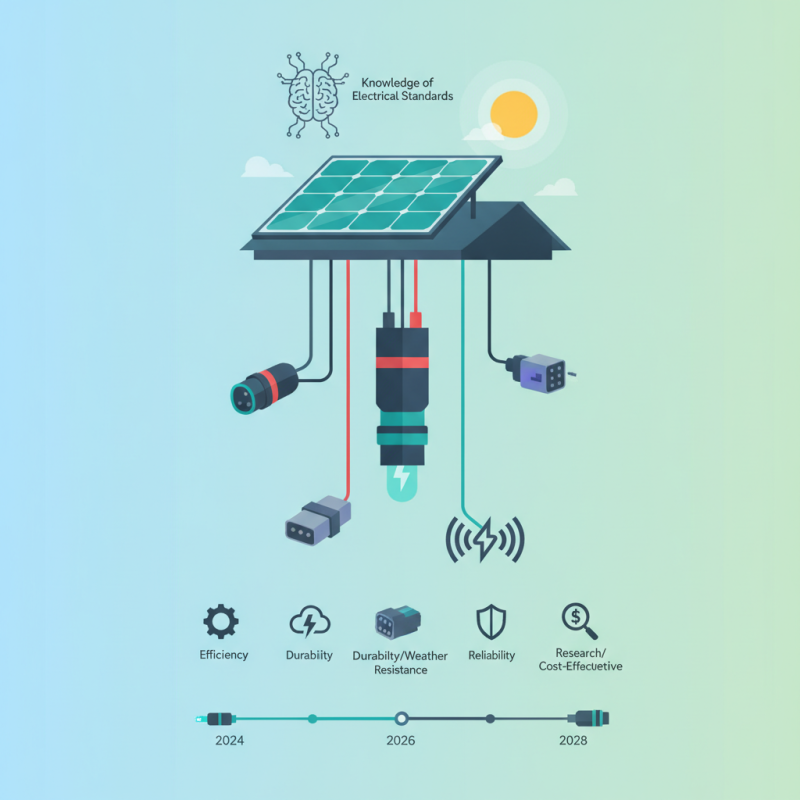
Top Connectors For Solar Panels in 2026 How to Choose?

Top Solar Panel Connector Types Available in 2026

When exploring the top solar panel connector types available in 2026, several options stand out. MC4 connectors remain the industry standard. They feature a secure locking mechanism that prevents moisture and dust ingress. These connectors are known for their durability, making them reliable for outdoor installations.

In addition to MC4, new connector technologies are emerging. For example, the H4 connector is gaining attention for its flexibility and ease of use. Installers appreciate its compact design and quick-connect feature. However, some may find it less robust in extreme weather conditions. This inconsistency raises questions about its long-term reliability.

Understanding the specific requirements of your project is crucial. High-voltage systems may require specialized connectors that meet stringent safety standards. It's essential to consider environmental factors, local regulations, and future expansion plans. Some connectors may save time during installation but could present challenges in maintenance. Careful evaluation of these factors is vital when selecting the right connector type for solar panels.

Top Connectors For Solar Panels in 2026 How to Choose?

Connector Type Material Current Rating (Amps) Voltage Rating (Volts) Temperature Range (°C) IP Rating
MC4 Polymer 30 1000 -40 to +85 IP68
H4 Thermoplastic 20 1500 -30 to +90 IP67
Solar Power Connector (SPC) Copper 35 1200 -40 to +80 IP65
T4 Silicone 25 1200 -40 to +90 IP68

Current Market Trends in Solar Panel Connector Technology

The Solar Panel Connector market is evolving rapidly. Innovations have emerged to meet growing demand. Current trends showcase a shift towards increased efficiency and reliability in connector technology. This is crucial for maximizing energy output in solar installations.

Temperature resistance and weatherproof designs are now common features. Manufacturers prioritize these aspects to enhance durability. Moreover, ease of installation plays a significant role in connector choice. Installers seek tools that save time and reduce errors. However, not all products meet these practical needs.

Compatibility with various solar panel systems remains a challenge. New technology often fails to account for existing infrastructure. This can lead to costly modifications. Consumers must stay informed about the latest advancements. Continuous learning about connector specifications will aid in making informed choices. Reflecting on these factors can make a difference in project success.

Top Connectors For Solar Panels in 2026

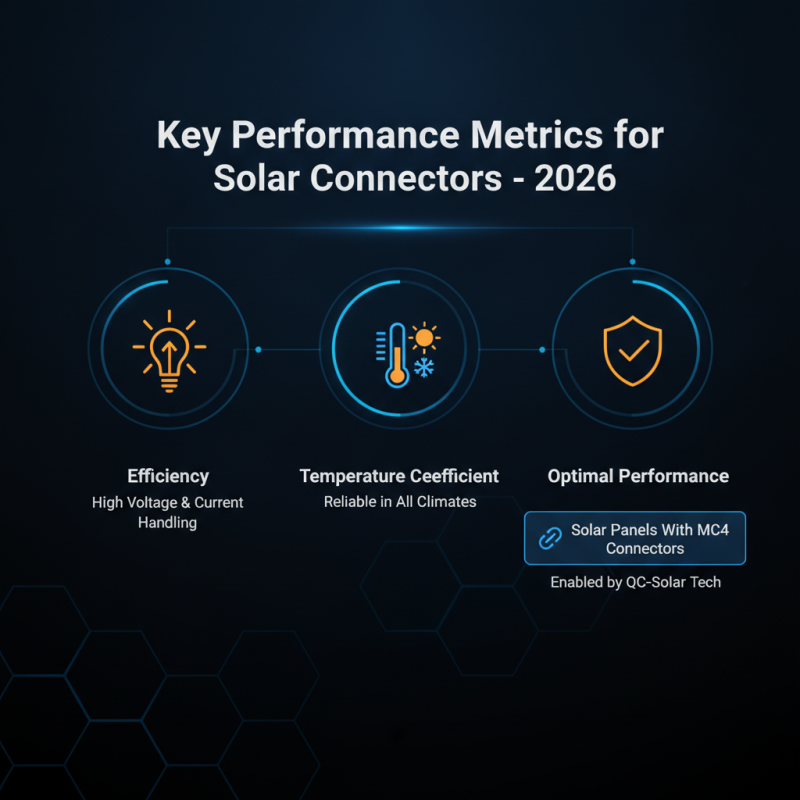
Key Performance Metrics for Solar Connectors in 2026

Top Connectors For Solar Panels in 2026 How to Choose?

When selecting connectors for solar panels in 2026, performance metrics will play a crucial role. Efficiency is vital. The best connectors can handle high voltage and current loads efficiently. This allows Solar Panels With Mc4 Connectors to perform optimally. A significant factor to consider is the temperature coefficient. Connectors must work well under various environmental conditions.

Durability is another key metric. Exposure to harsh weather can impact connector longevity. High-quality connectors resist corrosion and UV damage. They should have reliable insulation properties to ensure safety and efficiency. This is especially important for solar panels with MC4 connectors, which are often exposed outdoors.

Testing and certification also matter. Ensure connectors meet industry standards. This guarantees reliability and safety during installation. Be cautious of cheaper alternatives; they may seem cost-effective but can lead to performance issues. Regular maintenance and inspection of connectors are necessary to identify potential weaknesses. Select connectors based on specific project needs and environmental conditions. They are as important as the solar panels themselves.

Compatibility Considerations When Choosing Solar Connectors

Choosing the right connectors for solar panels is crucial. Compatibility is a key aspect to consider. Different solar panels have varying requirements for connectors, which can affect performance. Ensure the connectors match your panel specifications. Pay attention to the voltage and current ratings. This ensures safety and efficiency in your solar energy system.

Tips for compatibility: Always verify the connector type used by your solar panels. Some panels may use MC4 connectors, while others might have proprietary designs. Double-check the manufacturer guidelines for any limitations. Furthermore, consider the environmental conditions. Connectors should withstand weather extremes. Select ones that offer water resistance and UV protection.

Another point to reflect on: if you’re combining different brands, do your homework. Not all connectors are universally compatible. Incompatibilities can lead to system failures. This can be frustrating and costly. When investing in Pv connectors for solar panels, prioritize quality. Always choose components that guarantee longevity and reliability.

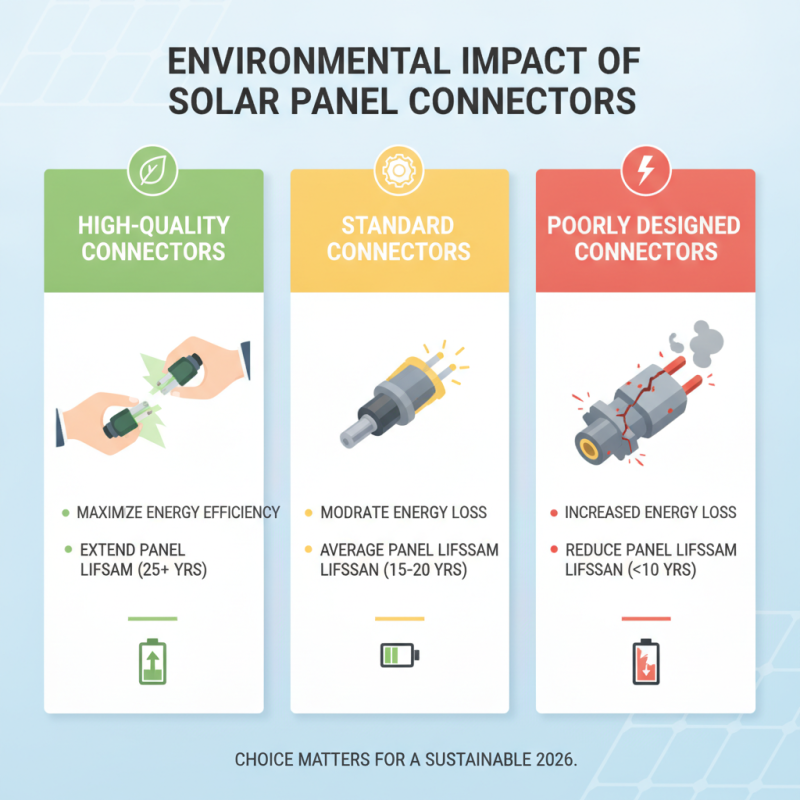
Environmental Impact of Different Solar Panel Connectors

Top Connectors For Solar Panels in 2026 How to Choose?

When selecting connectors for solar panels in 2026, considering their environmental impact is crucial. Connectors can influence energy efficiency and overall sustainability. High-quality connectors minimize energy loss, which is essential for maximizing solar output. Poorly designed connectors can lead to increased wear and tear, reducing panel lifespan.

Choosing the right material is also vital. Some connectors use recycled materials, promoting eco-friendliness. However, not all recycled materials perform equally. A balance between performance and sustainability must be sought.

Tips: Regularly inspect connectors for wear. Replace faulty connectors immediately. This helps maintain efficiency. When opting for connectors, consider both performance and environmental effects. Don't overlook the potential of Usb Solar Panels. They can cater to specific needs, like charging devices sustainably.

Cost Analysis: Investing in Quality Solar Connectors

When considering solar panel installations, the choice of connectors plays a pivotal role. The connectors ensure efficient electricity flow and enhance system reliability. Investing in quality solar connectors is crucial, especially when examining their long-term cost implications. According to recent industry reports, high-quality connectors can improve system lifespan by up to 25%. This translates to reduced maintenance costs over time, providing greater returns on your initial investment.

The cost benefit of premium connectors must be weighed against cheaper alternatives. While basic connectors might seem enticing due to lower upfront costs, they often lead to inefficiencies. Research shows that subpar connectors can increase energy losses by 5-10%. In contrast, reliable connectors paired with good-quality Dc Wire For Solar Panels can optimize energy transfer. It’s essential to understand that the initial investment in quality products can provide better overall savings and efficiency in the long run.

Additionally, an evaluation of connector compatibility with various DC wires is essential. The market trends indicate that mismatched connectors and wires can result in significant failures. Industry insights suggest thorough research before selecting components is necessary. Even minor variations in materials can impact performance. Therefore, careful attention to detail can prevent costly errors and enhance the reliability of solar systems.

Future Innovations to Expect in Solar Panel Connector Design

As we look towards 2026, solar panel connector design is evolving rapidly. Innovations such as improved materials will enhance durability and efficiency. According to the International Renewable Energy Agency (IRENA), advancements in connectors can increase overall panel performance by up to 5%. This is a significant margin for energy efficiency.

Connector designs will focus on increased flexibility and reliability. Lightweight materials are becoming prominent, making installation easier. Research shows that lightweight connectors reduce the physical stress on solar panels, thereby extending their lifespan. Professionals in the field emphasize the need for standardized designs across manufacturers. This would reduce compatibility issues that often hinder solar installations.

Future trends suggest a shift towards smart connectors. These connectors will integrate digital technology to monitor performance and optimize energy output. The Solar Energy Industries Association (SEIA) reported a growing demand for smart solutions, with a projected market growth rate of 8% annually. As innovations progress, the industry must address the challenges of adapting to rapid changes while ensuring safety and efficacy.

Essential Guide to IEC131 Solar Cable 62930: Features, Benefits, and Applications for Optimal Renewable Energy Solutions

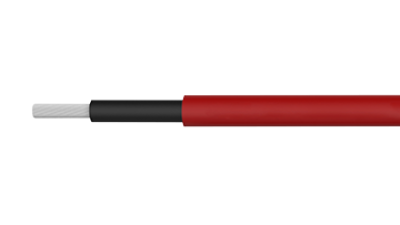
Understanding the essential features of IEC131 solar cable 62930 is crucial for those looking to enhance their renewable energy solutions. This cable stands out due to its e-beam cross-linked compounds, which grant it exceptional resistance against UV rays, ozone, and hydrolysis. Such robust characteristics ensure the cable remains reliable even in harsh environmental conditions, making it a favorite in solar installations.

In addition to its impressive durability, the IEC131 solar cable 62930 offers significant temperature resistance, preventing the materials from melting or flowing under high heat. This feature is particularly beneficial in regions with extreme weather, ensuring continued performance over an extended lifespan—expected to exceed 25 years at temperatures below 90°C. The flexibility of the cable in cold conditions further enhances its versatility, making it adaptable to various installation environments while maintaining compatibility with all common connectors in the solar industry. By integrating IEC131 solar cable 62930 into renewable energy systems, users can optimize efficiency and reliability, contributing to sustainable energy solutions.

FAQS

: What are the different types of solar panel connectors available in 2026?

: MC4 connectors remain popular for their durability. The H4 connector is emerging for its ease of use.

Why are MC4 connectors preferred for solar panel installations?

They offer a secure locking mechanism against moisture and dust. This makes them reliable for outdoor settings.

What are the benefits of investing in quality solar connectors?

Quality connectors can improve system lifespan by up to 25%, leading to lower maintenance costs and better returns.

Can cheaper connectors affect energy efficiency?

Yes, lower-grade connectors can increase energy losses by 5-10%. This makes them less efficient in the long run.

How should I choose connectors for my solar installation?

Consider project requirements, environmental factors, and potential for future expansion. Compatibility with DC wires is crucial too.

What innovations in solar connectors can we expect in the future?

Future designs will focus on lightweight materials and smart technology for better performance monitoring and energy output.

How can connector compatibility impact solar installations?

Mismatched connectors and wires can lead to failures. It’s important to research compatibility carefully to avoid errors.

What role do materials play in the durability of connectors?

Improved materials can enhance both durability and efficiency. Minor variations can significantly impact overall performance.

Why is flexibility important for solar connectors?

Increased flexibility can reduce physical stress on solar panels, potentially extending their useful life.

What challenges do the industry face with rapid innovations?

Adapting to new technologies while maintaining safety and effectiveness is a growing concern in solar connector design.

Conclusion

The article "Top Connectors For Solar Panels in 2026: How to Choose?" explores the evolution and selection of connectors essential for solar panel systems. It details various types of solar panel connectors available in 2026 and highlights current market trends that influence their design and functionality. The summary also emphasizes key performance metrics, compatibility considerations, and the environmental impact of different connector types, ensuring that users are informed about both efficiency and sustainability.

Moreover, the article includes a cost analysis, stressing the importance of investing in quality connectors for solar panels to maximize system reliability and longevity. As technology advances, future innovations in solar panel connector design are also discussed, setting the stage for improvements that can enhance connectivity and energy output efficiencies. Ultimately, this comprehensive guide aims to assist consumers and installers in making informed choices for a sustainable future in solar energy.

Jasper

Jasper

Jasper is a dedicated marketing professional at Suzhou Kuai Ke Electronics Photovoltaic Co., Ltd., where he leverages his extensive knowledge of the company's innovative products. With a passion for renewable energy solutions, Jasper plays a pivotal role in communicating the benefits and features......
Previous How to Choose the Right Solar Energy Storage Connectors?