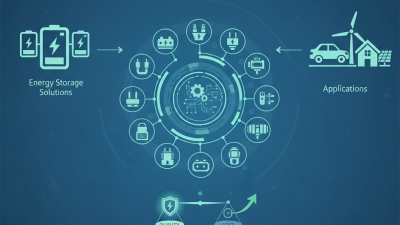
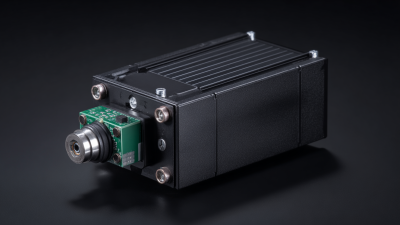
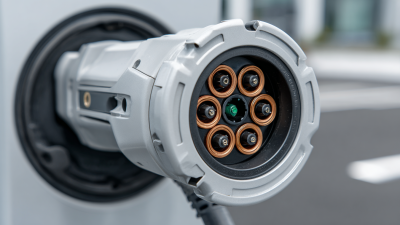
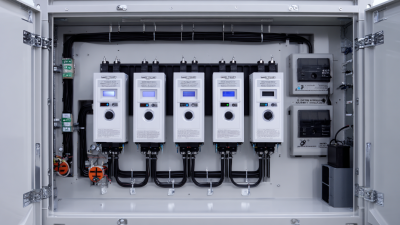
In today's world, where relying on sustainable energy solutions is more important than ever, Industrial Energy Storage Connectorsare playing a pretty crucial role. These Connectors help transfer energy efficiently in industrial setups, and companies like TE Connectivity and Molex are really leading the charge by designing connectors that stand up to tough specifications.
That said, the market isn’t without its challenges. Not all connectors are created equal—some just can’t handle the harsh conditions found in industrial environments. When you're shopping around, it’s really important to focus on durability and reliability. Understanding the different types of connectors out there is key to making sure you get the best performance.
Plus, as technology keeps advancing, we’re seeing new materials and innovative designs popping up all the time. It can get pretty confusing trying to figure out which connectors are the best fit for your needs. That’s why tapping into trusted industry experts and reliable resources can make all the difference. Building a solid base of knowledge will definitely help you make smarter, more confident decisions when it comes to Industrial Energy Storage Connectors.
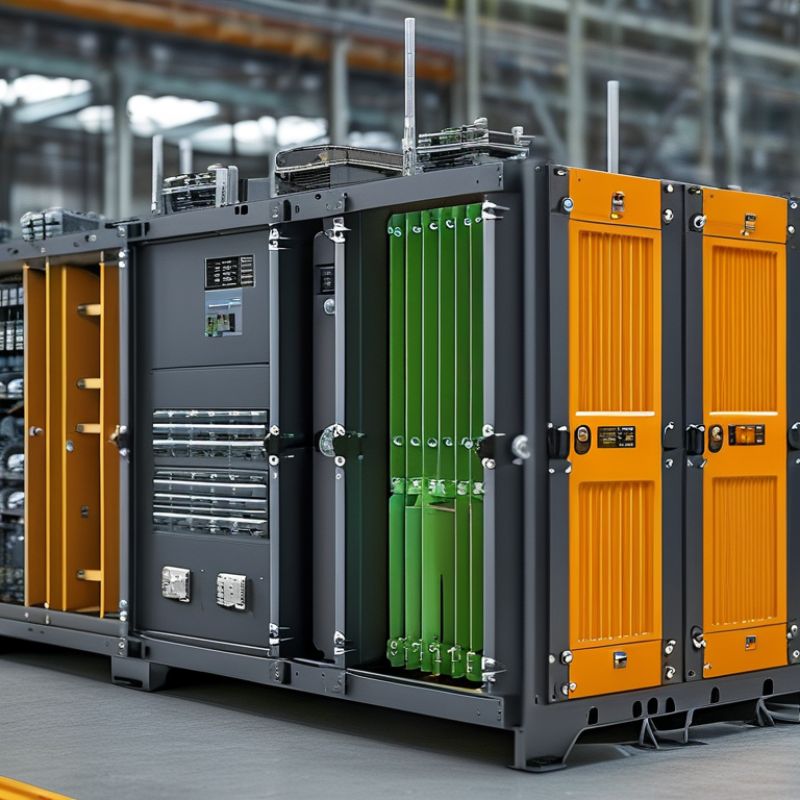
Overview of Industrial Energy Storage Connectors
Industrial energy storage connectors play a vital role in optimizing energy management systems. As industries seek efficiency, understanding the types and functions of these connectors becomes essential. Reports indicate that the global energy storage market is expected to reach $546.78 billion by 2035, showcasing the growing importance of energy storage solutions.
These connectors facilitate seamless communication between batteries, Inverters, and control systems. Reliable connectors ensure minimal energy loss and improved overall system efficiency. For instance, a study by theInternational Energy Agency highlights that proper connector design can reduce installation costs by up to 15%. However, not all connectors meet these standards, which can lead to inefficiencies.
The challenge lies in selecting the right connectors for specific applications. Many buyers struggle with compatibility issues. Moreover, the use of subpar connectors poses risks, such as overheating or increased maintenance costs. Industry experts recommend thorough evaluations of connector specifications. Continuing education in connector technology is crucial for buyers, allowing them to make informed decisions in an evolving market.
Key Features of Effective Energy Storage Connectors
In the rapidly evolving sector of industrial energy storage, effective connectors are crucial. These connectors ensure seamless integration of energy storage systems, enhancing overall efficiency. A well-designed Energy Storage Cable should provide superior conductivity while minimizing energy loss. Look for connectors that can handle high current loads without overheating, as this directly impacts performance.
Another key feature is durability. Connectors must withstand harsh environmental conditions. They should resist corrosion, extreme temperatures, and mechanical stress. This durability ensures long-term reliability and reduces maintenance costs. Testing connectors under these conditions is advisable to ensure their resilience.
Safety is paramount in energy storage systems. Connectors must have robust insulation and protective features to prevent short circuits and electrical hazards. Reliable connectors include built-in mechanisms for fault detection, adding an extra layer of security. Continually assessing these features can highlight areas for improvement in design and application.
Types of Connectors Used in Energy Storage Systems
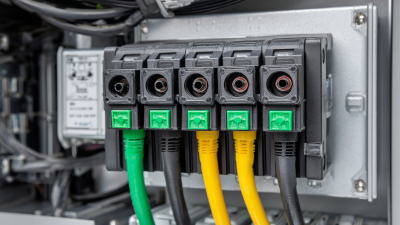
Energy storage systems are vital for modern power management. The right connectors are essential for efficiency and reliability. Common types include terminal blocks, connectors for high-voltage applications, and busbars. Terminal blocks are often used due to their versatility and ease of installation.
Data from industry reports indicate that the global energy storage market is expected to grow significantly, reaching a value of over $21 billion by 2025. This growth underscores the importance of reliable energy storage connectors. High-voltage connectors enable secure connections in large-scale installations, where even a slight failure can lead to significant energy loss. Busbars, on the other hand, provide efficient power distribution but require careful design to prevent overheating.
Choosing the correct connector is not always straightforward. Factors such as the environment and frequency of use affect performance. Mishandling or selecting inappropriate connectors can lead to failures or reduced lifespans. The growing complexity of energy systems calls for deeper knowledge and careful decision-making in connector selection. Analyzing performance data and field reports can aid in making informed choices, ensuring that systems remain operational and efficient.
Top Industrial Energy Storage Connectors for Global Buyers
Comparison of Leading Energy Storage Connector Manufacturers
In recent years, the demand for efficient energy storage solutions has surged. This growth highlights the need for reliable connectors that facilitate optimal energy transfer. Leading manufacturers focus on developing robust and innovative connectors that can withstand various environmental conditions.
When comparing energy storage connector manufacturers, it's essential to consider their experience in the industry. Experienced companies often display a stronger grasp of engineering challenges. They can create connectors that not only withstand high voltages but also resist corrosion and wear. Moreover, reliability is critical. Connectors must perform under stress without failure.
Tips: Look for certifications that verify a manufacturer’s adherence to industry standards. Thorough company research can also reveal user reviews and compliance history. Evaluate materials used in connectors as well; superior materials can lead to longer lifespans.
While specific performance metrics are crucial, not every connector excels in all areas. Some may prioritize efficiency, while others focus on durability. It’s important to balance these factors according to your specific application needs. Don't overlook the importance of sourcing connectors designed for specific environments. Where the connector is used greatly influences its performance and longevity.
Global Market Trends in Energy Storage Connectors
The global market for energy storage connectors reflects the rapid evolution of energy storage solutions. In recent years, the demand for efficient Energy Storage Applications has surged. This shift necessitates innovative connectors that enhance reliability and performance. Manufacturers now focus on designing connectors with advanced materials. These materials improve longevity and conductivity, addressing industry growth demands.
However, the landscape is not without challenges. The increasing complexity of energy storage systems can lead to compatibility issues. Ensuring that connectors work seamlessly across various applications is vital. Experts often recommend standardization efforts to minimize these discrepancies. Such initiatives can lead to streamlined installations and reduced costs.
Moreover, sustainability plays a critical role. Many buyers are now prioritizing environmentally friendly options. Energy storage applications require connectors that align with green practices. While progress is evident, it’s crucial for businesses to remain cautious about production impacts. As the market evolves, continuous innovation and adaptation are the keys to overcoming these obstacles.
Best Practices for Selecting Energy Storage Connectors
When selecting energy storage connectors, buyers must focus on reliability and performance. Data from the Energy Storage Association shows that inadequate connectors cause about 30% of energy loss in storage systems. This emphasizes the need for connectors that are not only durable but also efficient.
Considering thermal management is crucial. Connectors should endure high temperatures without degrading. Reports indicate that connectors operating above 85°C can lose efficiency. Additionally, selecting connectors compatible with Solar Energy Cables can enhance overall system performance. Compatibility reduces installation time and minimizes potential issues.
Another important factor is the connector's environmental rating. Many connectors are exposed to harsh conditions, leading to premature failure. A connector rated for IP67 can withstand dust and water ingress, ensuring longevity. It's worth noting that while cost is a concern, investing in high-quality connectors may prevent costly downtime. Evaluating manufacturer certifications can also boost confidence in product reliability, allowing buyers to make informed decisions.
Future Innovations in Industrial Energy Storage Connectors
The landscape of industrial energy storage connectors is evolving rapidly. Innovations are driven by the demand for efficiency. Recent developments focus on enhancing compatibility and durability. One area gaining attention is Solar Connectors Photovoltaic Connectors. These components play a crucial role in integrating solar energy into larger systems. Their design is becoming more streamlined, which helps to minimize energy loss.
Emerging technologies are pushing the boundaries of energy storage systems. Improvements in materials are enabling connectors to withstand harsher environments. This increased resilience is essential for outdoor installations. However, some challenges remain. Many connectors struggle with thermal performance under extreme conditions. Industry experts are analyzing these issues closely to develop better solutions.
Another area for growth is the smart connector movement. These connectors can offer real-time monitoring and data analytics capabilities. This innovation provides insights into performance and potential failures. Still, with every advancement, there’s a need for more rigorous testing protocols.
Manufacturers must ensure these new technologies meet industry standards. The quest for reliable and effective connectors continues as the industrial energy sector evolves.
FAQS
: They facilitate communication between batteries, inverters, and control systems in energy management systems.
Reliable connectors minimize energy loss and improve overall system efficiency. They can reduce installation costs significantly.
Evaluate compatibility, specifications, and durability. Poor choices can lead to overheating and increased maintenance costs.
They should provide superior conductivity and withstand harsh environmental conditions. Durability is crucial for long-term reliability.
Connectors must have robust insulation and fault detection mechanisms to prevent short circuits and electrical hazards.
Improvements in materials and design are enhancing compatibility and thermal performance, though challenges still exist.
Yes, smart connectors offer real-time monitoring and data analytics for better performance insights but require thorough testing.
Continual assessments of features can highlight weaknesses and guide design improvements for better efficiency and safety.
Connectors must resist corrosion and extreme temperatures. Testing under these conditions is essential for reliability.
The quest for effective connectors continues, with innovations focused on efficiency, compatibility, and resilience. However, rigorous testing remains crucial.
Conclusion
The article delves into the critical role of Industrial Energy Storage Connectors in modern energy systems, highlighting their importance for enhancing efficiency and reliability. It outlines key features that make connectors effective, such as durability, compatibility, and safety standards. Various types of connectors used in energy storage systems, along with comparisons among leading manufacturers, are discussed to provide insights into market choices.
Additionally, the article examines global market trends that are shaping the landscape of Industrial Energy Storage Connectors, along with best practices for selection to ensure optimal performance in energy applications. Looking ahead, it identifies potential innovations that could revolutionize these connectors, underlining their significance in the future of energy storage solutions in industrial settings.