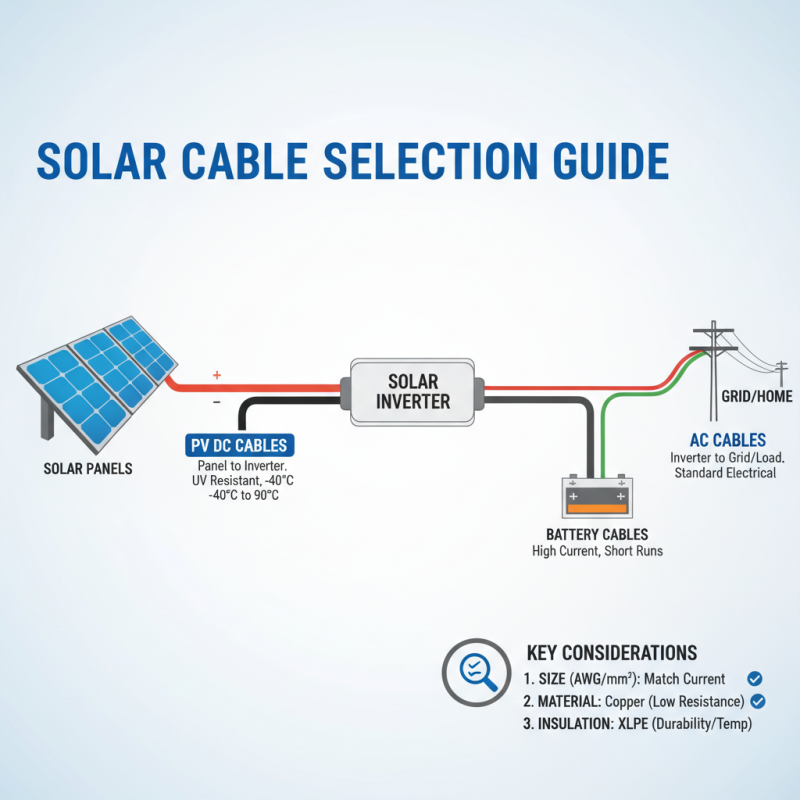
You know, solar energy has really started to take off — it’s becoming one of the most reliable and eco-friendly ways to power things up around the world. More and more people and companies are making the switch to solar, but to get the most out of these systems, it’s pretty important to understand what parts are involved. One of those key pieces? Solar Cables. Without them, transferring energy from the panels to the inverter and then on to either the grid or batteries just wouldn’t work smoothly.
In this article, I’ll walk you through the top 10 types of solar cables you really need to know about if you’re setting up a solar system. Each kind has its own special purpose and is built to handle tough conditions — things like blazing sun, extreme temps, and UV rays. By understanding what these cables do and when to use them, both beginners and pros can make smarter choices, ensuring their solar setups are durable, safe, and super efficient. When you pick the right cables, you’re not just optimizing energy output—you’re also prolonging the life of your system and doing your part for a greener planet.
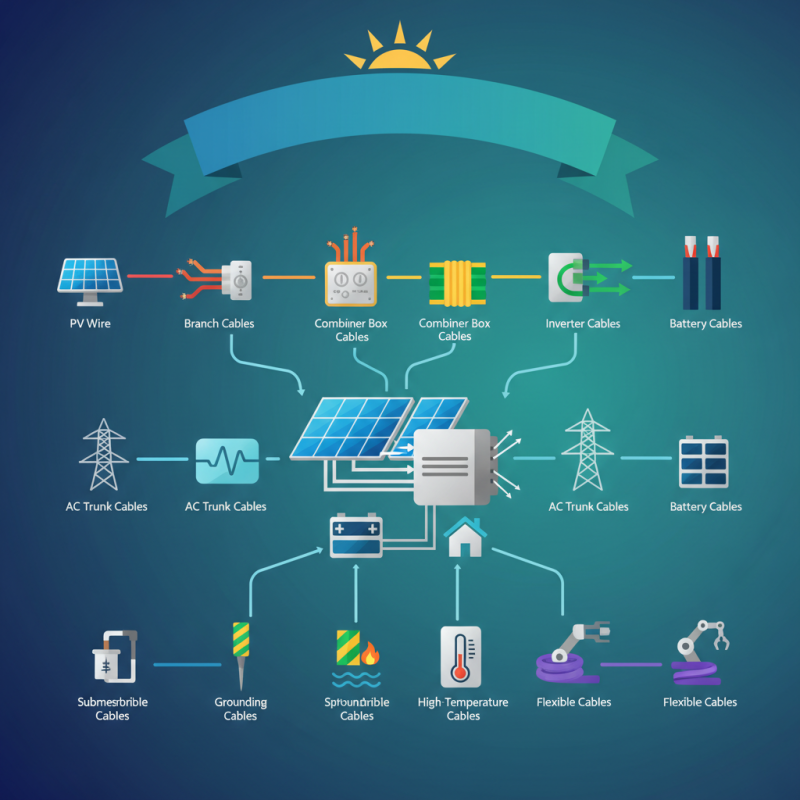
When building a solar power system, selecting the right type of solar cable is crucial for ensuring efficiency and safety. Different types of cables are designed to handle specific roles within the system, such as connecting the solar panels to the inverter and subsequently to the battery storage or grid. Understanding the key differences between these cables can help you choose the most suitable ones for your setup.
One of the most common types is Photovoltaic (PV) wire, which is designed to withstand harsh outdoor conditions, including extreme temperatures and moisture. Another important type is the Solar PV DC output cable, typically used to connect the inverter to the electrical panel. It’s essential to select cables that comply with local codes and standards to ensure safety and optimal performance.
Tips: Always check the temperature rating of the cables, as high temperatures can affect performance and longevity. Additionally, consider the cable gauge; a thicker gauge can reduce the resistance in the system and improve overall efficiency. Lastly, use UV-resistant cables to prolong their lifespan in outdoor environments.
When setting up a solar power system, selecting the right solar cables is paramount to ensuring efficiency and safety. The performance of your solar installation heavily depends on the quality and type of cables used. These cables are responsible for transmitting electricity generated by solar panels to various components of the system, including inverters and batteries. Poor-quality cables can lead to energy loss due to resistance, overheating, or even electrical fires, thereby compromising the entire solar setup.
Different types of solar cables are designed to meet specific needs, including resistance to UV exposure, moisture, and temperature fluctuations. By choosing the correct type of solar cables, you enhance the durability and reliability of your system. Additionally, proper cable selection supports efficient energy flow, minimizes maintenance issues, and can even impact the overall return on investment for your solar project. Prioritizing the right solar cables not only safeguards your equipment but also optimizes the performance of your renewable energy system for years to come.
When setting up a solar power system, selecting the right solar cables is crucial for efficiency and safety. Various types of cables are designed to handle different aspects of solar energy transmission. Common solar cables include Photovoltaic (PV) cables, which are particularly resistant to UV radiation and temperature fluctuations, making them ideal for outdoor installations. Another essential type is the DC (direct current) cable, typically utilized in connecting solar panels to inverters, ensuring that energy is transferred effectively without significant loss.
Tips for choosing the right solar cable: Always opt for cables with appropriate temperature ratings and UV resistance, especially if your installation is exposed to direct sunlight. Look for cables with adequate gauge sizes to minimize voltage drop, which can impact the overall performance of your solar system. Additionally, consider weather-resistant and durable insulation to protect against environmental factors.
Another common cable type is the AC (alternating current) cable, used for connecting inverters to the electrical grid. These cables need to comply with specific electrical standards, providing adequate safety and performance metrics. Grounding cables are also vital; they prevent electrical shock hazards by directing any fault current safely into the ground. Ensuring you have the right combination of solar cable types will enhance the safety, performance, and longevity of your solar power system.
When selecting solar cables for your solar power system, understanding key features is crucial for ensuring optimal performance and longevity. One of the primary factors to consider is the cable's temperature rating. According to a report by the International Renewable Energy Agency (IRENA), cables operating in elevated temperatures can significantly affect the efficiency of the solar energy system. It is recommended to choose cables with higher temperature ratings (at least 90°C) to withstand the heat from direct sunlight and conductive losses, which can lead to energy inefficiency.
Another important feature to examine is the insulation material used in the cables. High-quality insulation, such as cross-linked polyethylene (XLPE) or ethylene-propylene rubber (EPR), provides better resistance to environmental factors, including UV exposure and moisture. Research published by the Solar Energy Industries Association (SEIA) highlights that inadequate insulation can lead to premature cable failure, potentially shortening the lifespan of the solar power system. As a result, prioritizing cables with robust insulation materials can improve the durability and reliability of your solar installation, leading to better energy output over time.
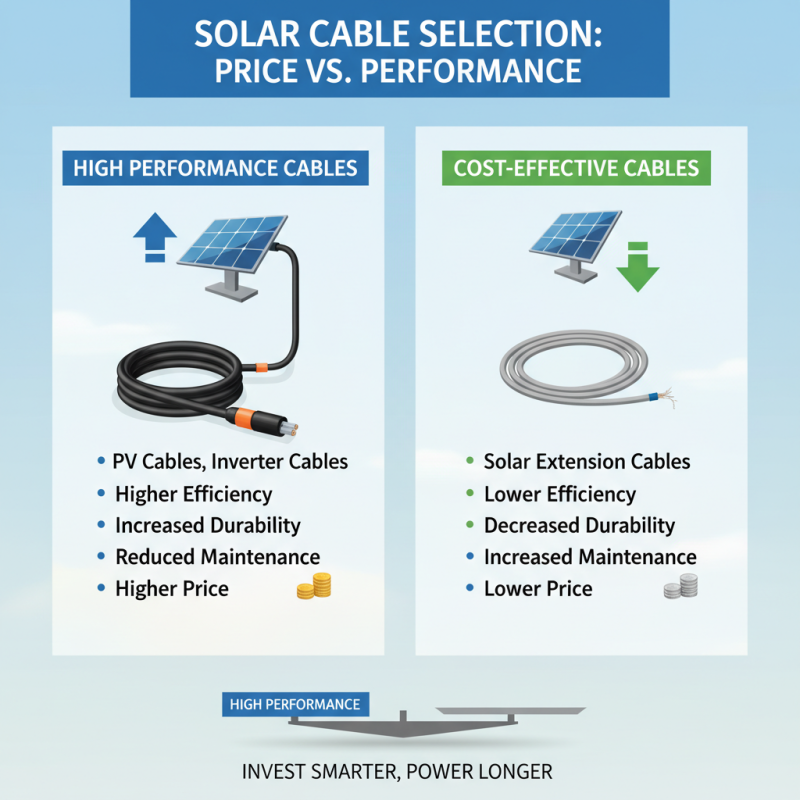
When selecting the right solar cables for your solar power system, understanding the price versus performance of different types is crucial. Solar cables come in various types, including Pv Cable, solar extension cables, and inverter cables, each with different attributes impacting their efficiency and durability. For example, PV cables generally have a higher performance rating, but they also come with a steeper price tag. Cheaper alternatives may save money upfront but could lead to increased maintenance costs over time due to lower durability and efficiency losses.
Tips: When evaluating cable options, always check the cable's insulation type, as this affects longevity and heat resistance. It’s also essential to consider the wire gauge, which influences how much power can be transmitted over distance without losses.
In addition to performance and cost, consider the installation environment. Cables exposed to extreme weather conditions require robust options that can withstand UV rays and moisture. Investing in a slightly more expensive cable designed for harsh environments can pay off in the long run, as it minimizes the risk of failure and the associated downtime for repairs. Taking the time to analyze these factors will ensure you choose the best solar cable types suited for your specific needs.
When installing solar cables, following best practices is essential for ensuring the safety, reliability, and longevity of a solar power system. A key consideration is the selection of appropriate cable types, including DC and AC cables, which must meet relevant standards such as the National Electrical Code (NEC) in the United States or IEC standards internationally. According to a report by PV Tech, the use of quality solar wires, specifically those rated for high temperatures and UV resistance, contributes to reducing the risk of energy losses and enhances overall system efficiency. Using cables with appropriate ampacity ratings ensures that they can handle the current load without overheating, thereby preventing potential fire hazards.
Furthermore, proper installation techniques play a crucial role in maintaining the integrity of the solar cables. It is vital to avoid sharp bends and unnecessary tension during installation, as these can lead to insulation damage over time. A study by the National Renewable Energy Laboratory (NREL) emphasizes that thermal management is crucial, and ensuring good airflow around cables can help mitigate heat buildup. Additionally, securing cables with clips and conduits not only protects them from environmental elements but also helps organize the installation, reducing the likelihood of damage from physical impacts. By adhering to these best practices, installers can significantly enhance the performance and safety of solar energy systems, ultimately maximizing their lifespan and return on investment.
Proper maintenance of solar cables is essential to ensure the longevity and efficient operation of your solar power system. Regular inspection is key; start by visually checking cables for any signs of wear, exposure to harsh elements, or physical damage. Look for fraying, cracking, or discoloration, as these may indicate that the cable is deteriorating. It's also important to ensure that all connections are tight and secure to prevent any electrical faults or power loss.
In addition to visual checks, keeping the cables clean can significantly extend their lifespan. Dust, debris, and contaminants can accumulate on solar cables, potentially affecting their performance. Use a damp cloth to gently wipe the cables and remove any build-up. If your solar panels are installed in areas prone to extreme weather conditions, more frequent inspections may be necessary. Lastly, investing in protective coverings or conduit can provide an extra layer of defense against environmental factors, ensuring that your solar cables remain in optimal condition for many years.
| Cable Type | Voltage Rating | Temperature Rating | Material | Typical Use | Maintenance Tips |
|---|---|---|---|---|---|
| PV (Photovoltaic) Cable | 0.6/1kV | -40°C to +90°C | Thermoplastic | Solar panel connections | Inspect regularly for insulation damage |
| DC Solar Cable | 1kV | -40°C to +90°C | XLPE | Inverter to battery | Keep away from moisture and UV light |
| AC Solar Cable | 0.6/1kV | -40°C to +90°C | PVC | Inverter to grid | Check connections for corrosion |
| Solar Branch Cable | 0.6/1kV | -40°C to +90°C | Cross-linked Polyethylene | Connecting multiple panels | Remove debris to avoid overheating |
| Flexible Solar Cable | 0.6/1kV | -30°C to +90°C | Rubber | In tight spaces | Avoid sharp bends |
| TUV Certified Cable | 0.6/1kV | -40°C to +90°C | Cross-linked Polyethylene | General solar use | Regularly inspect for wear |
| Solar Connector Cable | 0.6/1kV | -40°C to +90°C | PVC or PE | Connecting to solar panels | Securely fasten connections |
| Shielded Solar Cable | 0.6/1kV | -40°C to +90°C | Copper | High interference environments | Keep shield intact |
| High-Temperature Solar Cable | 0.6/1kV | -40°C to +120°C | Silicone | Extreme conditions | Regular thermal inspections |
The efficiency of solar energy systems continues to be a focal point in the renewable energy sector, with advancements in photovoltaic (PV) technology driving significant improvements. A crucial element in enhancing the overall effectiveness of solar panels is the design of junction boxes, particularly those that integrate the innovative 3Qxy technology. Integrating this approach into PV junction boxes empowers systems to maximize energy output while ensuring durability and reliability.
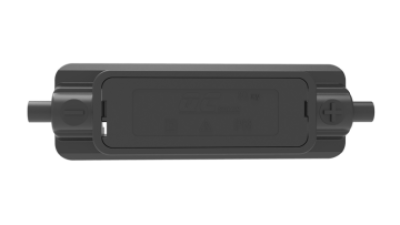
The 3Q Positive & Negative All-in-One junction box exemplifies this trend with its unique design, which emphasizes both structural integrity and efficiency in wiring. This tailored structure not only meets diverse customization needs but also enhances flexibility, allowing the junction box to seamlessly integrate into various photovoltaic systems and installation contexts. Reports suggest that optimized junction box designs can increase energy output by up to 5%. By reducing resistance and improving connectivity, 3Qxy integration in junction boxes can play a pivotal role in harnessing solar energy more effectively.
The adaptability of these junction boxes is particularly beneficial in different environmental conditions, contributing to the overall resilience of solar installations. As the global solar energy market is projected to reach over 200 GW of installed capacity by 2025, the demand for advanced junction box solutions like those utilizing 3Qxy technology will only continue to rise. This progression not only promotes enhanced solar energy efficiency but also supports the broader transition toward sustainable energy solutions.
: Common types of cables used in solar power systems include Photovoltaic (PV) cables, DC cables for connecting solar panels to inverters, AC cables for connecting inverters to the electrical grid, and grounding cables to prevent electrical shock hazards.
Selecting the right solar cables is crucial for ensuring efficiency and safety. The appropriate cables can minimize energy loss, prevent electrical hazards, and enhance the overall performance and longevity of a solar power system.
Key features to consider when selecting solar cables include temperature ratings, insulation material, wire gauge, and UV resistance. Higher temperature ratings and robust insulation materials, such as XLPE or EPR, are recommended for durability and efficiency.
Cables operating in elevated temperatures can significantly impact the efficiency of a solar energy system. It is advisable to choose cables with higher temperature ratings (at least 90°C) to ensure they can withstand heat from direct sunlight and conductive losses.
The insulation material of solar cables affects their resistance to environmental factors, including UV exposure and moisture. High-quality insulation is essential to prevent premature cable failure and ensure the longevity of the solar power system.
When evaluating solar cables, consider the cable's technology, insulation type, wire gauge, and the installation environment. While higher-performance cables may have a steeper price, they often provide better efficiency and durability, reducing maintenance costs over time.
The wire gauge influences the amount of power that can be transmitted over a distance without losses. Choosing the appropriate gauge size is essential to minimize voltage drop and ensure optimal performance in your solar system.
When looking for cables suitable for harsh environments, prioritize options that provide robust UV resistance, moisture protection, and high-quality insulation materials to enhance durability and reduce the likelihood of failure.
Grounding cables are vital for preventing electrical shock hazards by directing any fault current safely into the ground, thus enhancing the safety of solar power systems.
When designing and installing a solar power system, understanding the different types of solar cables is crucial for ensuring optimal performance and safety. The article outlines the significance of choosing the right solar cables, emphasizing how the materials and specifications can affect the efficiency of photovoltaic (PV) systems. It highlights common types of solar cables, including their key features, and offers insight into how to compare their price and performance effectively.
Furthermore, best practices for installation and maintenance are discussed to help extend the lifespan of solar cables, ensuring they can withstand environmental stressors while maintaining high energy output. By paying careful attention to these factors, one can significantly enhance the reliability and longevity of solar power systems, ultimately leading to better energy management and sustainability.