In today's world, where everyone’s really starting to care more about the environment, renewable energy sources are becoming more and more important. Among all of these, solar energy seems to be taking the spotlight quite a bit, which means the demand for solar charging solutions is definitely on the rise. As we lean into solar power, the role of Solar Charging Cable Suppliers becomes pretty crucial—they’re the ones providing the key components that connect solar panels to batteries and devices, making sure the energy flows smoothly.
Figuring out which supplier to go with can actually be pretty tricky, honestly. There are so many companies out there offering different kinds of cables, each suited for various uses. For example, big names like EcoFlow and Renogy usually have sturdy, efficient solar panel charging cables that work well whether you’re off camping or setting up something at home. On the flip side, newer brands might not have a proven track record yet or a wide range of options, so it’s worth doing some homework. Taking the time to evaluate different suppliers helps make sure you’re getting quality gear that actually performs.
The market for solar charging cables is still pretty fresh and evolving. Big players are still holding a strong grip, but there’s always the chance that newcomers with innovative ideas could shake things up. Of course, not every new supplier is ready to meet consumer demands, so it’s smart to check out reviews and do a bit of research on their background. Basically, knowing who’s who in the solar charging world can save you a lot of trouble down the line and help you make better choices overall.

Overview of Solar Charging Cables and Their Importance
Solar charging cables play a vital role in the renewable energy sector. They enable efficient energy transfer from solar panels to batteries and other devices. As the demand for clean energy grows, the significance of quality solar charging cables cannot be overstated. Industry reports indicate that the global solar energy market is projected to reach $223 billion by 2026, highlighting the increasing reliance on solar technology.
The effectiveness of solar charging cables hinges on both their design and the materials used. High-quality cables reduce energy loss during transfer, ensuring optimal performance. Poor cable choices can result in energy losses of up to 30%, stressing the importance of selecting reliable suppliers. According to the International Renewable Energy Agency, improving cable technology could enhance energy efficiency significantly in solar applications.
Yet, the market faces challenges. Many manufacturers offer subpar products, which complicates the selection process for consumers. Consumers must stay informed and verify product specifications. Research indicates that installers are increasingly looking for cables with improved durability and weather resistance, necessitating further innovation in the industry. It’s essential for users to consider these factors when making purchasing decisions.
Key Features to Consider When Choosing Solar Charging Cables
When selecting solar charging cables, several key features warrant careful consideration. The material of the Solar Cable plays a crucial role. High-quality cables often use durable thermoplastic elastomers (TPE), ensuring resistance to environmental factors. A report from the International Renewable Energy Agency indicates that cables made from TPE can extend lifespan by up to 30% compared to cheaper alternatives.
Wire gauge is another critical aspect. Thicker wires have lower resistance, enhancing performance and efficiency. A gauge of 10 AWG is commonly recommended for larger systems. Data from the National Renewable Energy Laboratory shows that using the right gauge can improve energy transfer by approximately 15%.
Solar Cables must also demonstrate appropriate weather resistance. UV protection and waterproof certifications are essential. An article from Solar Power World revealed that cables without adequate protection can degrade in just a few months, resulting in performance losses. Reviewing certifications from trusted institutions can help ensure quality and reliability. Lack of these features often leads to serious maintenance issues. Over time, this could significantly impact the overall system's efficiency and longevity.
Top Solar Charging Cable Suppliers Overview
Top Suppliers of Solar Charging Cables Around the World
The surge in the renewable energy market has made solar charging cables essential. With a growing demand for solar technologies, businesses are actively seeking reliable suppliers for Solar Panel Cable. According to the Solar Energy Industries Association, the solar market in the U.S. grew by over 20% in 2021. This trend reflects the global push toward sustainable energy solutions.
Across the world, suppliers are adapting to meet the needs of this expanding market. Many manufacturers focus on high-quality materials to enhance durability and efficiency. The average lifespanof a Solar Panel Cable can exceed25 years if properly maintained. However, there are still concerns about the performance of low-cost options, which may not withstand harsh environmental conditions.
Choosing a supplier is crucial. Not all companies provide the same level of service or product quality. It's important to conduct thorough research. Industry reports often highlight the importance of quality certifications and customer reviews. For many, it is not just about price, but reliability and performance. Solar panel cable plays a significant role in the overall efficiency of solar systems, which makes it essential to choose wisely.
Comparison of Solar Charging Cable Types and Their Applications
When exploring solar charging cables, it's essential to understand the various types available. Each type serves specific needs and applications. For instance, MC4 Connectors are widely used in solar panel installations. They ensure a secure connection, making them reliable for outdoor use. Meanwhile, XT60 connectors are popular in drone and hobby applications. They provide a high current capacity, crucial for powering devices efficiently.
Different solar charging cables are suited for diverse scenarios. For portable solar chargers, lightweight and flexible cables are best. They facilitate easy transport and setup. Conversely, fixed installations may require more robust cables capable of withstanding harsh weather conditions.
It's essential to note that choosing the right cable can be overwhelming. Many users may not fully understand their needs. Research is key. Users should review specifications and compatibility. Taking the time to learn about cable types can lead to better performance and longevity of the solar system.
Market Trends and Innovations in Solar Charging Cable Technology
The solar charging cable industry is evolving rapidly. Recent data indicates a growing demand for efficient and durable components. The global solar cable market is projected to reach $1.7 billion by 2026, reflecting an annual growth rate of 15%. Innovations in cable technology contribute significantly to this trend.
One key area of development is the enhancement of Solar Cable Connectors. These connectors ensure reliable energy transfer and improve system efficiency. Advanced materials are being used to increase resistance against environmental factors like UV rays and moisture. This improves longevity and performance. Many manufacturers are now focusing on customizable options for different applications, which is crucial in a diverse market.
While trends highlight progress, challenges remain. Not all cables meet strict safety and performance standards. This inconsistency can lead to inefficiencies and failures during high-demand periods. Educating consumers about reliable products is essential. Industry reports indicate that awareness and knowledge can enhance user experience and satisfaction significantly. Understanding these innovations allows for better choices in solar technology.
Customer Reviews and Ratings of Leading Solar Charging Cable Suppliers
When choosing a solar charging cable supplier, customer reviews reveal valuable insights. Many users appreciate the durability and efficiency of solar cables. Reviews often highlight how certain suppliers excel in providing high-quality products. Yet, not all reviews are positive. Some customers report issues with compatibility and service responsiveness.
Ratings can vary significantly among suppliers. A supplier praised for their customer service may have a low rating for product longevity. Such discrepancies tell a broader story. Customers share experiences about how different cables perform in varied environments. This feedback can guide prospective buyers in making informed choices.
Understanding various customer perspectives is essential. Look for reviews that discuss real-life usage. They might reveal whether the cable performs well during extended sunlight exposure or after heavy rainfall. While certain brands might dominate the market, exploring customer experiences can uncover hidden gems. Ultimately, seeking quality involves careful consideration of multiple factors, as personal experiences greatly influence overall satisfaction.
Top Solar Charging Cable Suppliers You Need to Know
| Supplier Rating | Customer Reviews | Cable Type | Length | Price ($) |
| 4.8 | Excellent quality and durability. | MC4 Connector | 20 ft | 29.99 |
| 4.5 | Good performance, but slightly overpriced. | Solar Panel Extension | 15 ft | 24.99 |
| 4.2 | Adequate for basic needs. | Adapter Cable | 10 ft | 19.99 |
| 4.7 | Highly reliable and efficient. | Heavy Duty Cable | 25 ft | 34.99 |
How to Properly Maintain and Store Solar Charging Cables
Proper maintenance and storage of solar charging cables is crucial for optimal performance. These cables, such as the Solar Connector Cable, are often exposed to various environmental challenges. Regular inspection can help identify any signs of wear or damage. Look for fraying, cracks, or corrosion. Store cables properly to avoid these issues.
When not in use, place your Solar Connector Cable in a cool, dry environment. Avoid direct sunlight and damp areas which can degrade materials. Consider using a cable organizer to prevent tangling and kinking. A tangled cable can lead to internal damage that is hard to spot.
Many users overlook the basics of cable care. It’s easy to forget proper handling during installations or while transporting. Be gentle when connecting or disconnecting cables. Avoid pulling on the cables themselves; this can cause stress and damage. Reflection on these practices can lead to better longevity and reliability of your solar charging equipment.
Understanding the Importance and Features of Solar/PV Junction Box: The QC 083965 Series Explained
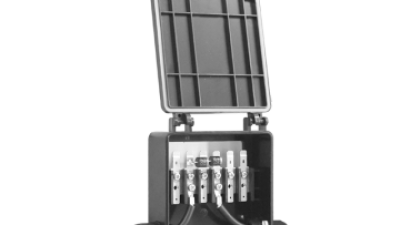
The solar/PV junction box is a critical component in the photovoltaic system, serving as a hub for electrical connections and ensuring the safe operation of solar panels. The QC 083965 Series stands out with its spacious design, which allows for versatile applications across various off-grid and grid-tied systems. Detailed studies have indicated that junction boxes play a vital role in enhancing the efficiency and safety of solar installations, with a report from the International Renewable Energy Agency (IRENA) highlighting that optimal junction box configurations can improve energy yield by up to 10%.
One of the noteworthy features of the QC 083965 Series is its reserved hole design, facilitating adaptability to specific installation environments. This feature is particularly crucial in markets where customization is often required due to diverse geographical and climatic conditions. The ability to modify on-site significantly reduces installation time and costs, thereby optimizing the overall project budget.
Furthermore, the robust housing of the QC 083965 Series is engineered for long-term continuous operation, addressing concerns regarding durability and environmental resilience. With the capacity to accommodate 1-to-6 confluence belt connection terminals, this junction box can cater to unique off-grid system scenarios, providing flexibility in system configuration. Such adaptability is essential in regions reliant on renewable energy sources, with the potential to increase deployment rates in off-grid installations, as evidenced by the surge in demand noted in recent market analyses.
FAQS
: Solar charging cables transfer energy from solar panels to batteries and devices.
They reduce energy loss during transfer, ensuring optimal performance.
Poor cables can cause energy losses of up to 30%, making selection crucial.
The market is expected to reach $1.7 billion by 2026, indicating rapid growth.
They enhance energy transfer reliability and system efficiency using advanced materials.
Cables should resist UV rays and moisture for improved longevity and performance.
Many manufacturers offer subpar products, complicating consumer choices and leading to potential inefficiencies.
Research specifications and stay informed about reliable products can help significantly.
Innovations focus on durability, customization, and safety to meet diverse market needs.
Understanding product specifications and safety standards for better decision-making is essential.
Conclusion
In the realm of renewable energy, solar charging cables have become essential for efficiently harnessing solar power. These cables not only facilitate the transfer of energy but also ensure compatibility with various solar equipment. When choosing the right solar charging cable, several key features should be considered, such as durability, flexibility, and the type of connectors used.
A comprehensive overview of top solar charging cable suppliers around the world reveals insightful trends and innovations within this industry. Understanding the different types of solar charging cables and their specific applications is crucial for consumers. Additionally, customer reviews and ratings provide valuable feedback on leading suppliers, helping users make informed decisions. Proper maintenance and storage practices are also vital for maximizing the lifespan and efficiency of solar charging cables.