Leave Your Message
In today’s fast-changing world of electronics, it’s more important than ever to get a good handle on how versatile Dc Connectors really are. These connectors are kind of like the backbone for a bunch of different tech, especially in the booming solar energy scene. They play a crucial role in making sure energy gets transferred smoothly and systems work together seamlessly.
I recently read a report from Global Market Insights that predicts the market for DC connectors is going to grow a lot – mainly because more folks are looking into renewable energy solutions. In fact, solar power installations are expected to top 1,500 gigawatts by 2025, which is pretty mind-blowing.
Speaking of industry players, Qc Solar is really pushing forward with its ‘Quick, Professional, Customer Delight’ motto. They’re aiming to become a global leader in solar storage connections. By highlighting just how vital DC connectors are for making solar systems more sustainable, QC Solar hopes to boost the entire solar industry and, in turn, help society move toward a greener future.
DC connectors might not be the most glamorous part of modern electronics, but honestly, they’re pretty darn important. They’re like the unsung heroes that keep everything powered up across a bunch of different gadgets and devices. And the interesting thing? The market for these little connectors has been booming lately. Why? Because more industries—think cars, consumer tech, and healthcare—are relying on them more than ever. In fact, reports say that the worldwide automotive electronics sector is expected to hit around $135 billion by 2032, growing at roughly 8% each year. A big reason for that? The rise in electric vehicle production, which totally depends on solid DC connectors to handle battery systems and power management.
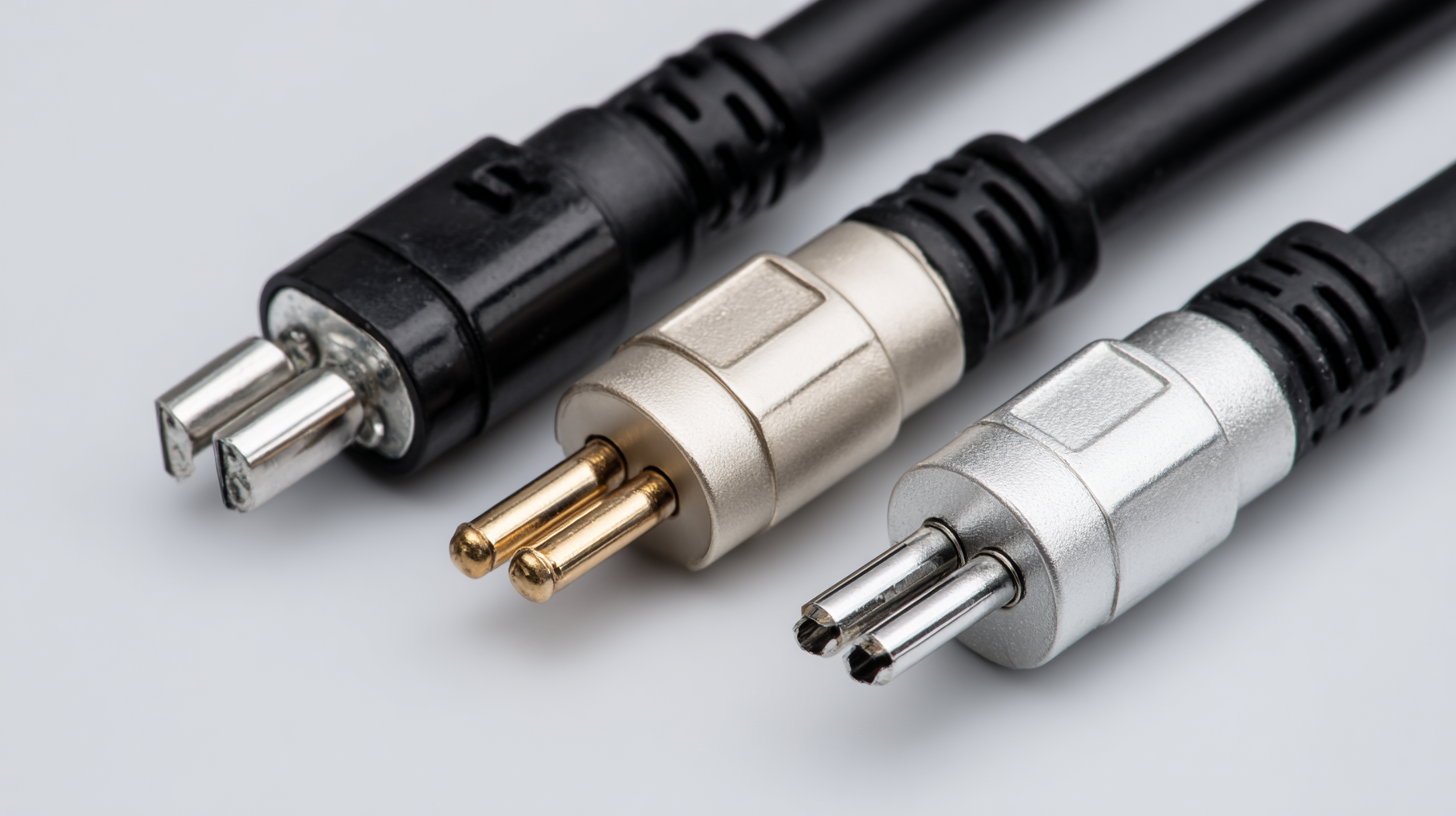
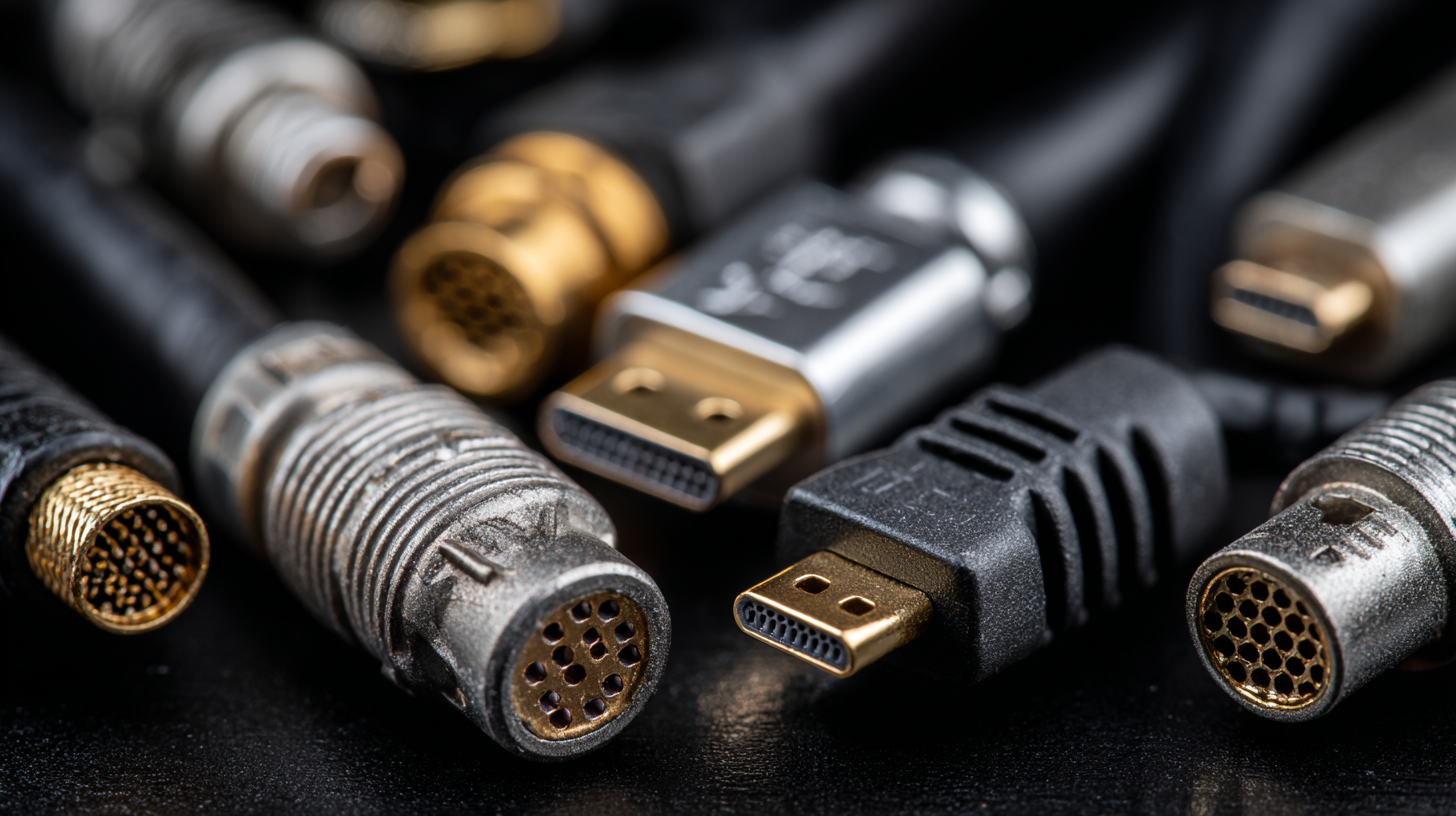
When it comes to specific types of DC connectors, you’ve got your favorites: barrel connectors, USB plugs, Molex connectors—you name it. In the world of consumer electronics, for example, USBs are basically everywhere—they’re the go-to for charging smartphones, tablets, and other gadgets. In cars, though, you’ll find these specialized connectors used for everything from engine controls to powertrain stuff. And it’s not just cars—these connectors are also super handy in telecom gear and healthcare devices, powering everything from circuit boards to hard disks. The cool part? As technology advances, these connectors are getting better too—more reliable, more efficient, and ready to meet the demands of modern electronic devices. It’s like they’re constantly evolving to keep up with our tech obsession, and honestly, that’s pretty exciting.
| Connector Type | Current Rating (A) | Voltage Rating (V) | Typical Applications |
|---|---|---|---|
| Barrel Connector | 2-5 | 12-24 | Laptops, Cameras, Routers |
| Molex Connector | 1-10 | 5-12 | Computer Power Supply, LED Strips |
| XLR Connector | 3-10 | 24-48 | Audio Equipment, Stage Lighting |
| USB Connector | 0.5-3 | 5 | Smartphones, Printers, External Drives |
| Anderson Powerpole | 15-45 | 12-50 | Power Distribution, RC Vehicles |
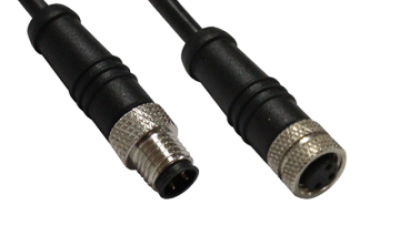
The M8 connector, though compact in size, is a powerhouse of versatility in modern industrial applications. Designed to provide reliable electrical connections in demanding environments, M8 connectors are integral to systems in manufacturing, automation, and transportation. Their robust design allows them to withstand harsh conditions, making them ideal for use in factories where vibration, dust, and moisture are prevalent. As industries seek to enhance efficiency and minimize failures, the reliability offered by M8 connectors becomes increasingly vital.
In addition to their durability, M8 connectors are highly adaptable, supporting a variety of configurations and pin counts to meet specific application requirements. This flexibility enables manufacturers to tailor their systems more precisely, enhancing functionality without compromising space. Furthermore, as the push for miniaturization in technology continues, M8 connectors are increasingly sought after in compact devices where real estate is at a premium. Their ability to maintain high-performance levels while occupying minimal space illustrates their significant role in advancing contemporary industrial applications.
: DC connectors are crucial for power supply in modern electronic devices, offering versatile solutions across various applications. They are essential for sectors like automotive, consumer electronics, and healthcare, enabling efficient power connections.
Common types of DC connectors include barrel connectors, USB connectors, and Molex connectors, each serving different purposes in various applications.
The global automotive electronic market is projected to reach $134.8 billion by 2032, driven by the rise in electric vehicle production, which significantly relies on efficient DC power connectors.
Important features include voltage and current ratings, connector form factor, interface type, mechanical stability, and resistance to environmental factors.
High-quality materials reduce the risk of corrosion and wear, ensuring a secure and durable connection, which is critical for the longevity and reliability of electronic devices.
Users should consult manufacturer specifications and user reviews to ensure they choose connectors known for reliability in their specific applications.
The form factor should accommodate design constraints and space limitations; smaller devices may benefit from compact connectors, while larger systems might require more robust options.
The voltage and current ratings must match the application's requirements to ensure optimal performance and prevent issues related to overload or connection failure.
Connectors designed with good mechanical stability and resistance to moisture and vibration are crucial for maintaining performance in portable or outdoor environments.
The interface type, whether simple plug-and-socket or a complex locking mechanism, can determine the ease of use and security against accidental disconnections when connecting devices.
You know, when it comes to modern electronic devices, the versatility of DC connectors really can’t be overstated. There are so many types out there, each designed to fit different needs and applications. When you're picking out DC connectors, it’s super important to think about things like how durable they are, whether they’ll work with your device, and their voltage ratings—stuff that really matters to make sure everything runs smoothly. And, of course, double-checking that the connector actually matches your device is key; mismatched parts can lead to all sorts of performance headaches.
A few best practices for installing and maintaining these connectors? Pretty straightforward—use proper wiring techniques, and don’t forget to do regular inspections. That way, you catch issues like wear or corrosion early on, saving yourself some trouble down the line. For QC Solar, which wants to lead the way in solar storage connections, really understanding how to use DC connectors right is a big deal. It all ties back to their goal of promoting sustainable practices in the solar industry while making sure they deliver quick, professional service that people can count on.